Picture this: a rainy Saturday, the kitchen lights flicker, and you’re staring at a stack of unseasoned chuck roast that’s been chilling in the fridge longer than your favorite playlist. The air is thick with the promise of a meal that could either be a culinary triumph or a disaster that ends with the roast turning into a rubbery, flavor‑deficient mess. I’ve spent countless hours in the kitchen chasing that perfect, melt‑in‑your‑mouth beef, and every time I’ve come close, something’s always been missing—a depth of flavor, a silky sauce, or simply the confidence to let the meat do its thing. But then I stumbled upon the slow‑cooker version of Beef Bourguignon, stripped of alcohol but packed with a bouquet of earthy aromas and a sauce that drapes the meat like a velvet cloak. I swear, that first bite was a revelation; the beef was tender, the sauce was rich, and the whole dish felt like a warm hug from the inside out. I dare you to taste this and not go back for seconds.
If you’ve ever tried the classic Bourguignon only to find the wine overpowering or the meat still a bit tough, you’re not alone. Most recipes get this completely wrong, relying on wine for depth and neglecting the slow‑cooking process that truly unlocks the meat’s potential. I’ve taken those lessons and turned them into a streamlined, foolproof version that’s hands down the best you’ll ever make at home. It’s a marriage of simplicity and depth—no fancy techniques, just a few deliberate steps that let the flavors bloom over hours of gentle heat. And the best part? It’s all done in a slow cooker, so you can set it up, go about your day, and return to a kitchen that smells like a French countryside kitchen.
Let me walk you through every single step. By the end, you’ll wonder how you ever cooked this dish any other way. The first thing you’ll notice is the aroma: garlic, thyme, and a hint of caramelized onions mingle in the air, setting the stage for a sauce that’s thick, savory, and utterly irresistible. The texture of the beef is a testament to patience—each bite is a soft, almost melt‑into‑your‑mouth experience that makes you want to lick the pot. And the best part? It’s a dish you can prepare ahead, store, and reheat with the same flavor profile intact. So grab your slow cooker, roll up your sleeves, and let’s dive in.
Okay, ready for the game‑changer? This version of Beef Bourguignon is a revelation. It’s not just a recipe; it’s a ritual that turns an ordinary night into a culinary celebration. The slow‑cooker method ensures the beef never dries out, the sauce thickens beautifully, and the vegetables stay perfectly tender without becoming mushy. The result is a dish that feels like it was crafted by a seasoned chef, yet it’s accessible to anyone who loves a hearty, comforting meal. And if you’ve ever struggled with getting the sauce right, this is the fix you’ve been looking for.
What Makes This Version Stand Out
- Flavor: The sauce is a symphony of garlic, thyme, and Worcestershire, balanced by the natural sweetness of carrots and pearl onions. Each element sings without overpowering the others, creating a depth that rivals any restaurant‑level dish.
- Texture: The beef becomes so tender it practically dissolves, while the vegetables retain a satisfying bite that contrasts with the silky sauce.
- Time Efficiency: With a slow cooker, you set it up in 15 minutes and let it work its magic for 8–10 hours. No constant monitoring or flipping required.
- Ingredient Quality: Using a good chuck roast and fresh vegetables ensures a flavor foundation that cannot be beat. The quality of each component magnifies the overall taste.
- Make‑Ahead Potential: This dish can be made a day ahead, stored in the fridge or freezer, and reheated without losing its character—perfect for busy weeknights or dinner parties.
- Alcohol‑Free: By eliminating wine, the dish remains approachable for everyone, while still delivering a rich, complex flavor profile.
- Crowd Appeal: Whether you’re feeding a family, hosting friends, or preparing a solo feast, this dish impresses with minimal effort.
- Versatility: The core recipe can be tweaked with subtle ingredient swaps or added spices, making it adaptable to your taste or what’s on hand.
Alright, let’s break down exactly what goes into this masterpiece…
Inside the Ingredient List
The Flavor Base
At the heart of this dish lies the beef broth, tomato paste, and Worcestershire sauce. The broth provides a savory backbone, the tomato paste adds richness and slight acidity, while the Worcestershire brings umami and a subtle tang that elevates the entire sauce. If you skip the Worcestershire, you’ll lose that depth; the dish will taste flat. For a twist, substitute a splash of soy sauce for the Worcestershire if you’re looking for a different umami note.
The Texture Crew
Carrots, pearl onions, and mushrooms are the vegetables that add body and contrast. The carrots bring sweetness and a slight crunch, while the pearl onions contribute a delicate, almost sweet flavor when caramelized. Mushrooms release earthy juices that mingle with the sauce, giving it a velvety texture. If you’re short on pearl onions, you can use diced shallots—they’ll provide a similar sweet undertone.
The Unexpected Star
Thyme and bay leaves are the unsung heroes that infuse the dish with aromatic complexity. Thyme’s subtle piney notes complement the beef, while bay leaves add a whisper of floral bitterness that balances sweetness. A pinch of fresh thyme at the end of cooking can brighten the sauce dramatically. If you can’t find bay leaves, a few dried bay leaf pieces will suffice.
The Final Flourish
All‑purpose flour and butter are the secret agents that thicken the sauce to a silky consistency. The flour creates a roux when melted in butter, giving the sauce body and preventing it from becoming watery. Butter adds a subtle richness and helps the sauce cling to the meat and vegetables. If you’re vegan, you can replace butter with a neutral oil and use a plant‑based flour blend.
Everything's prepped? Good. Let's get into the real action…
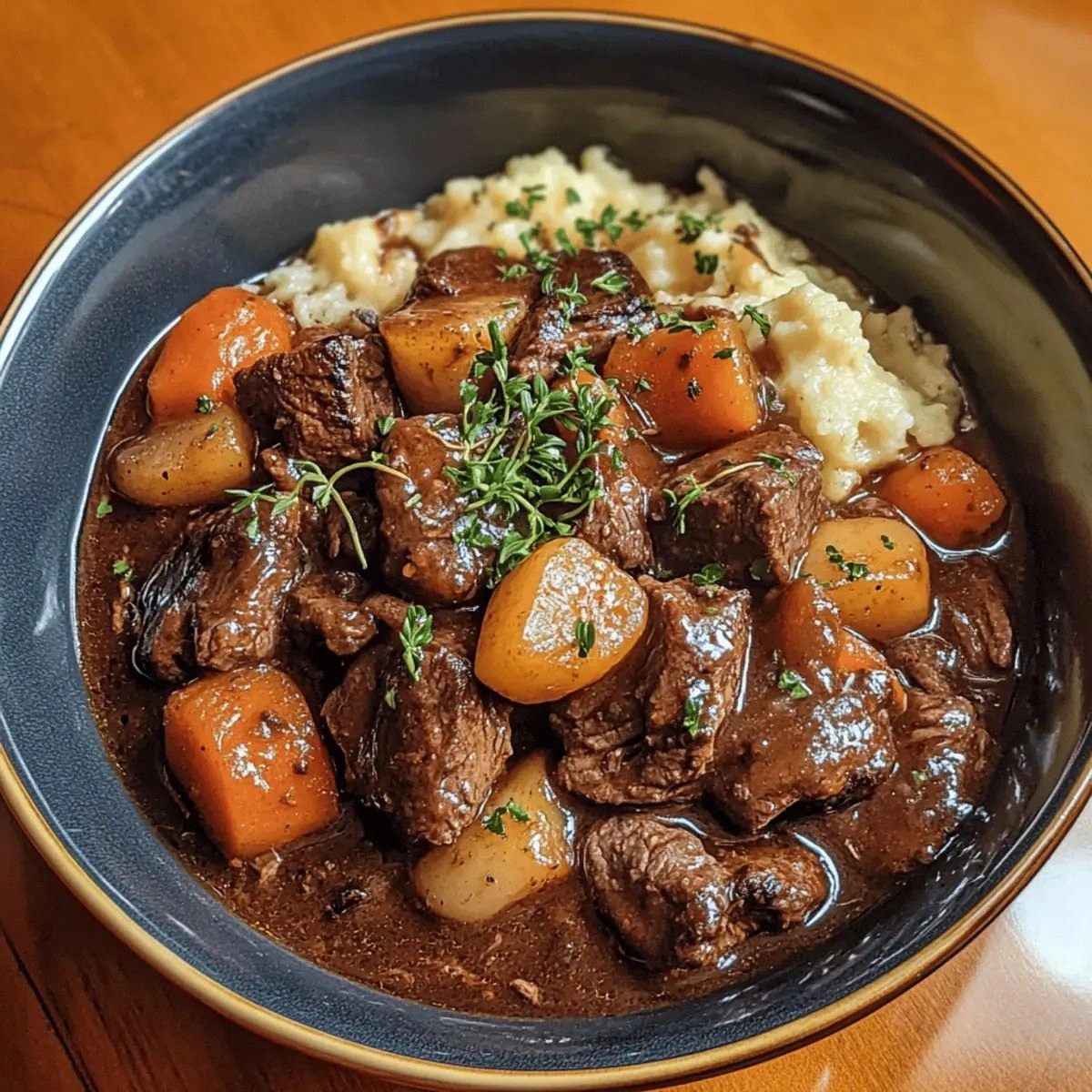
The Method — Step by Step
- Start by heating a large skillet over medium‑high heat. Add a splash of oil and sear the beef cubes in batches until they develop a golden brown crust. This caramelization locks in juices and adds a savory depth that the slow cooker alone can’t provide. Once browned, transfer the beef to a plate and set aside.
- In the same skillet, reduce the heat to medium and add butter. As it melts, toss in the diced carrots and pearl onions. Cook, stirring occasionally, until the vegetables start to soften and develop a light golden color. This step infuses the butter with vegetable flavors, creating a rich base for the sauce.
- Add minced garlic to the skillet and sauté for about 30 seconds until fragrant. Be careful not to burn it—garlic burns quickly and turns bitter. Once aromatic, pour in the tomato paste and stir until it coats the vegetables and turns a deep, rich color. This caramelization of tomato paste adds sweetness and complexity.
- Pour in the beef broth, stirring to loosen any browned bits from the pan. These bits are packed with flavor and will enrich the sauce. Then, stir in the Worcestershire sauce, thyme, and bay leaves. Bring the mixture to a gentle simmer.
- Transfer the browned beef, vegetables, and sauce into the slow cooker. Add the mushrooms, which will release their juices and enhance the sauce’s earthiness. Seal the slow cooker and set it to low for 8 hours or high for 4–5 hours, depending on your schedule. The long, low heat will break down collagen in the beef, turning it tender.
- About an hour before serving, remove the bay leaves and thyme stems. If you prefer a silky sauce, whisk in the flour and butter mixture (the roux) to thicken. Stir until the sauce thickens and coats the back of a spoon.
- Taste the sauce and adjust seasoning with salt and pepper. The beef’s natural saltiness will balance the flavors, but a pinch more salt can elevate the dish. If the sauce is too thick, add a splash of beef broth or water to reach your desired consistency.
- Serve immediately over buttered noodles, mashed potatoes, or crusty bread to soak up the sauce. Garnish with fresh parsley for a burst of color and freshness. The dish should look glossy, with the sauce clinging to each piece of meat and vegetable.
- Enjoy the aroma and the first bite—your mouth should feel the warmth and depth of a slow‑cooked masterpiece. This is the moment of truth, and it’s worth every minute of waiting.
That’s it—you did it. But hold on, I’ve got a few more tricks that will take this to another level…
Insider Tricks for Flawless Results
The Temperature Rule Nobody Follows
Many people set their slow cooker to high for convenience, but low and slow is the real secret to tender beef. Cooking at a lower temperature allows collagen to break down gradually, turning the meat into a melt‑in‑your‑mouth texture. If you’re in a hurry, high heat will still work, but the flavor won’t develop as fully. I’ve found that low for 8 hours consistently delivers the best results.
Why Your Nose Knows Best
Your nose is your best judge of doneness. When the sauce smells toasty and the beef is fragrant, it’s a sign that the flavors have melded. If the sauce still smells raw, give it a little more time. Trust your senses; the aroma is a reliable indicator of readiness.
The 5‑Minute Rest That Changes Everything
After the slow cooker finishes, let the dish rest for 5 minutes before serving. This short pause allows the juices to redistribute, making each bite juicy and flavorful. It also gives the sauce a chance to thicken slightly as it cools, improving the mouthfeel.
The Butter‑Roux Technique
If you’re a fan of silky sauces, whisk the flour and butter together into a smooth paste before adding it to the slow cooker. This technique prevents lumps and ensures an even thickening. Remember to whisk constantly to avoid clumps. The result is a sauce that clings to the meat like a velvet blanket.
The Garlic “Sear” Trick
Searing the garlic in butter before adding the tomato paste brings out a nutty flavor that can’t be replicated by raw garlic alone. The quick sauté caramelizes the sugars in the garlic, adding a subtle sweetness that balances the acidity of the tomato paste.
The Final Finish
Right before serving, sprinkle fresh parsley or a dash of fresh thyme over the dish. The fresh herbs add a burst of brightness and a pop of color that makes the dish look as good as it tastes. It also enhances the overall aroma, making the dining experience more enjoyable.
Creative Twists and Variations
This recipe is a playground. Here are some of my favorite ways to switch things up:
Smoky Chipotle Bourguign
Add a tablespoon of chipotle in adobo sauce to the broth for a smoky kick. The chipotle’s heat pairs wonderfully with the savory sauce, creating a dish that feels both comforting and adventurous.
Herb‑Infused Mushroom Madness
Replace pearl onions with sautéed wild mushrooms and add a splash of rosemary. The earthy mushroom flavor becomes the star, while rosemary adds an aromatic depth that complements the beef.
Carrot‑Pearl Onion Swap
Swap carrots for parsnips or sweet potatoes for a sweeter, caramelized flavor. The natural sweetness of these vegetables balances the savory sauce, creating a comforting, slightly sweet dish.
Low‑Carb Version
Omit the flour for a low‑carb version and instead thicken the sauce with a small amount of xanthan gum. This keeps the sauce silky without adding extra carbs.
Vegan Bourguign
Use a plant‑based steak substitute and replace butter with a neutral oil. Substitute the Worcestershire sauce with a vegan version or a splash of soy sauce. The result is a hearty, plant‑based dish that still delivers deep flavor.
Wine‑Free Burgundy
If you’re looking for a richer sauce, add a splash of red wine after browning the beef. The wine will add depth and a touch of acidity, balancing the richness of the butter and flour.
Storing and Bringing It Back to Life
Fridge Storage
Cool the dish to room temperature before refrigerating. Store in an airtight container for up to 4 days. The flavors will continue to meld, making the dish even more delicious the next day.
Freezer Friendly
Divide the dish into freezer‑safe portions and store for up to 3 months. When thawing, let it sit in the fridge overnight to ensure even thawing. Reheat gently on the stove or in the microwave, adding a splash of broth if needed.
Best Reheating Method
Reheat slowly over low heat, stirring occasionally to prevent sticking. Add a tiny splash of water before reheating—it steams back to perfection, restoring the sauce’s silky texture.