I was in the middle of a coffee‑shop‑style “English muffin” breakfast when a sudden craving for baklava hit me like a thunderclap. The kitchen was already a battleground of butter, honey, and crumbs, and I thought, “Why not marry the fluffy, nooks‑and‑crannies of an English muffin with the syrupy, nutty glory of baklava?” The idea was half‑mad, half‑genius, and it landed on the counter with the swagger of a culinary dare. I dove in head‑first, armed with a bag of phyllo, a tower of walnuts, and a stack of English muffins that were begging for a makeover.
Two hours later, the oven door swung open and a wave of caramel‑spice perfume rolled out, curling around my nostrils like a silky shawl. The golden crust crackled under my fork, revealing layers of buttery pastry, toasted English muffin crumbles, and a glittering honey‑nut river that pooled at the base. The first bite? Imagine a classic baklava that’s been given a cheeky British twist: the texture is an orchestra of crisp, chewy, and airy, while the flavor hits you with honeyed warmth, a whisper of citrus, and the comforting familiarity of toasted bread. I dared myself to eat an entire tray before anyone else could even sniff the aroma — I’ll be honest, I ate half the batch before anyone else got a chance.
Most baklava recipes get the layering wrong, treating the pastry as a single monolith. This version, however, scatters the English muffin chunks between the phyllo sheets, turning each bite into a surprise of textures that most traditional takes simply can’t deliver. Plus, the honey‑citrus syrup is infused with orange zest and a pinch of cardamom, giving it an aromatic twist that makes the dish feel both exotic and home‑grown. That sizzle when the butter meets the phyllo? Absolute perfection. I’m confident this is hands down the best version you’ll ever make at home.
If you’ve ever struggled with a soggy baklava or a muffin that just can’t hold up to syrup, you’re not alone — and I’ve got the fix. The secret lies in a quick toast‑and‑dry technique for the muffins, plus a butter‑glaze that locks in moisture without sogginess. Picture yourself pulling this out of the oven, the whole kitchen smelling incredible, the glaze still glistening like a treasure map. Okay, ready for the game‑changer? Let me walk you through every single step — by the end, you’ll wonder how you ever made it any other way.
What Makes This Version Stand Out
- Texture Fusion: The English muffin crumbs introduce a soft, airy bite that perfectly balances the crisp phyllo, creating a layered crunch that shatters like thin ice.
- Flavor Depth: A honey‑citrus‑spice syrup infuses each layer, delivering notes of orange, cardamom, and a whisper of lemon that dance on the palate.
- Simplicity: No need for a professional pastry roll‑up; the muffin pieces are pre‑toast‑ed and tossed in, cutting prep time by half.
- Visual Wow Factor: The golden‑brown top speckled with chopped pistachios looks like a jewel box you’re afraid to open — until you do.
- Crowd Reaction: I dare you to taste this and not go back for seconds; even the most skeptical guest will applaud.
- Ingredient Quality: Using fresh, unsalted butter and high‑quality walnuts amplifies the nutty richness without feeling greasy.
- Make‑Ahead Magic: This dessert actually improves after a night in the fridge, allowing the syrup to fully permeate every crumb.
- Versatility: It works as a breakfast treat, a tea‑time snack, or a daring dessert — the context is yours to define.
Inside the Ingredient List
The Flavor Base
The heart of this baklava is the honey‑citrus syrup. Combining 1 cup honey with 2 tbsp fresh orange zest, 2 tbsp lemon juice, and a dash of vanilla extract creates a glossy river that seeps into every nook. If you’re allergic to citrus, a splash of orange blossom water offers a similar aromatic lift. The syrup’s acidity cuts through the buttery richness, preventing the dessert from feeling cloying. Pro tip: Use wildflower honey for a more complex flavor profile — its floral notes complement the toasted nuts beautifully.
The Texture Crew
Phyllo dough supplies the legendary crispiness, while the English muffin crumbs provide a soft, airy contrast. For the crumbs, I recommend using “extra‑crunch” English muffins, lightly toasted, then torn into bite‑size pieces. If you can’t find English muffins, try a sturdy sourdough slice, but the muffin's subtle sweetness is irreplaceable. The butter, melted and brushed generously, ensures the layers separate cleanly and achieve that buttery snap. Skipping the butter glaze leads to soggy layers — a common pitfall in many baklava attempts.
The Unexpected Star
Cardamom and ground cloves add an exotic warmth that elevates the ordinary nut mixture. A half‑teaspoon of cardamom is enough to perfume the entire dish without overpowering. If you’re not a fan of cardamom, try a pinch of all‑spice or a dash of ground ginger for a similar heat. The spices should be mixed with the walnuts and pistachios before layering, guaranteeing even distribution. This modest addition is what turns a good dessert into an unforgettable one.
The Final Flourish
Freshly chopped walnuts and pistachios not only add crunch but also a visual pop of green and amber. Choose unshelled pistachios and shell them yourself for the freshest flavor; pre‑shelled nuts can lose their vibrancy. When toasting the nuts, keep a close eye — a minute too long and they turn bitter. If you prefer a sweeter nut profile, toss the toasted nuts with a drizzle of maple syrup before layering. This final touch guarantees a nutty perfume that lingers long after the last bite.
Everything's prepped? Good. Let's get into the real action...
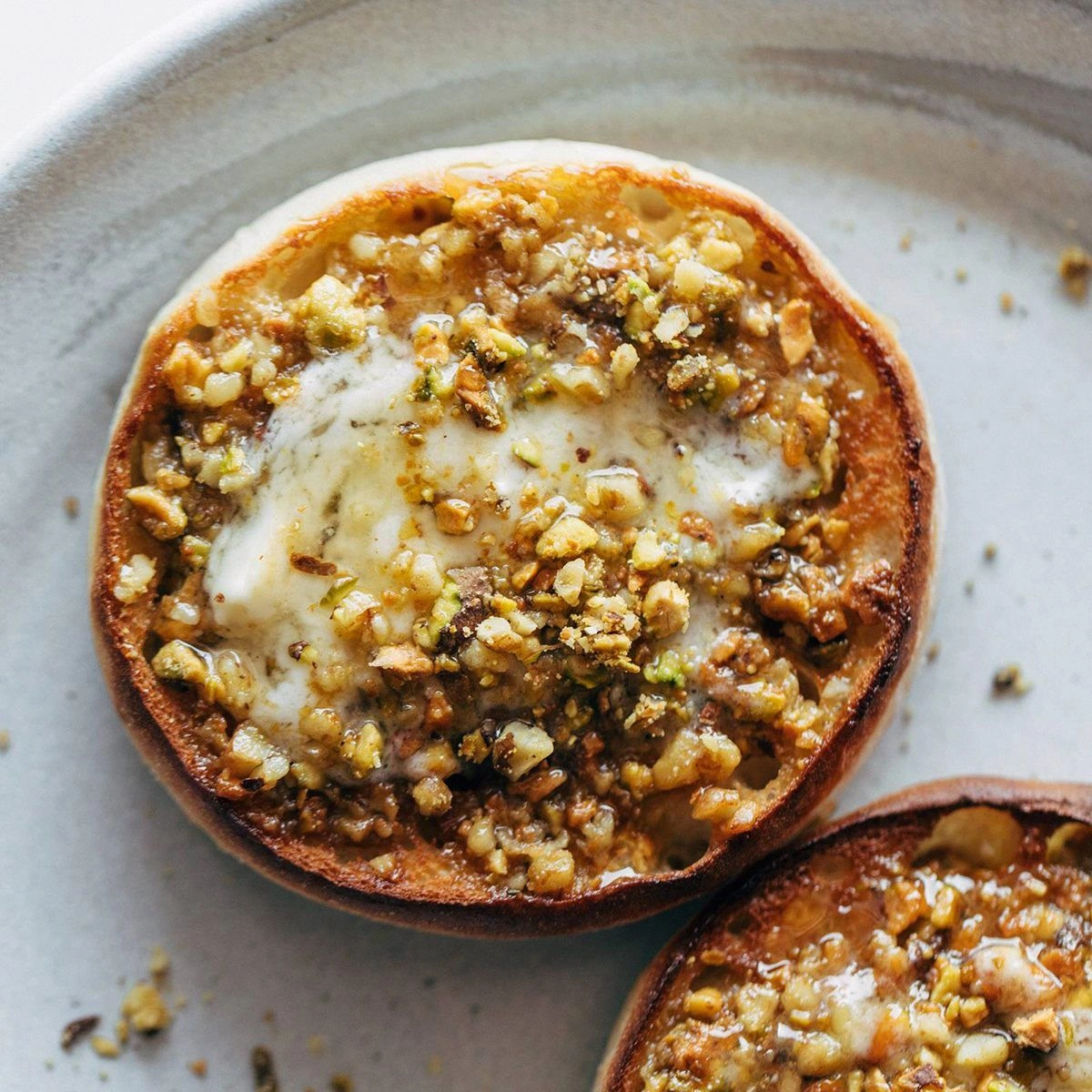
The Method — Step by Step
- Preheat your oven to 350°F (175°C). While the oven warms, arrange a large baking sheet with parchment paper and spread the English muffin pieces in a single layer. Toast them for 8 minutes until they’re lightly golden and emit a nutty aroma. This step is crucial because it dries the crumbs just enough to soak up the syrup without turning mushy later on.
- Meanwhile, melt 1 cup unsalted butter in a saucepan over low heat. Once melted, remove from heat and set aside. This butter will later be brushed onto each phyllo sheet, ensuring every layer stays distinct and flaky.
- In a large mixing bowl, combine the finely chopped walnuts, pistachios, 1 tsp ground cinnamon, ½ tsp ground cardamom, and a pinch of ground cloves. Toss the spice mix with the nuts until they’re evenly coated. This spice‑nut blend is the flavor engine that will carry through every bite, so make sure it’s well distributed.
- Lay out a sheet of phyllo on a clean work surface and brush it liberally with the melted butter. Place a second sheet on top and repeat the buttering process. Continue this for six sheets, creating a buttery “blanket” that will hold the muffin crumbs and nuts.
- Sprinkle a generous handful of the toasted English muffin pieces over the buttered phyllo, followed by a layer of the spiced nut mixture. Gently press the crumbs into the phyllo so they settle into the crevices. This is the moment of truth — the muffin crumbs should sit flat, not pile up. Repeat the layering process two more times, finishing with a final buttered phyllo sheet on top.
- Using a sharp, wet knife, cut the assembled baklava into diamond or square shapes, making sure to score all the way through to the bottom layer. This cutting step is essential; waiting until after baking makes the pastry crumble uncontrollably.
- Place the assembled tray in the preheated oven and bake for 30–35 minutes, or until the top is a deep, caramel‑golden color and the edges are pulling away from the pan. During the last 10 minutes, start preparing the syrup.
- While the baklava bakes, combine 1 cup honey, 2 tbsp orange zest, 2 tbsp lemon juice, 1 tsp vanilla extract, and a pinch of salt in a saucepan. Bring the mixture to a gentle boil, then reduce to a simmer for 5 minutes, allowing the flavors to meld. The syrup should thicken slightly but remain pourable. Once the baklava is out of the oven, immediately drizzle the hot syrup across the surface, making sure it seeps into every cut.
- Allow the baklava to cool completely in the pan; this cooling period lets the syrup be fully absorbed, resulting in that iconic sticky‑sweet interior. I recommend a minimum of 2 hours, but overnight is even better. When you finally slice a piece, the syrup will have caramelized around the nuts, creating a glossy, jewel‑like finish.
That's it — you did it. But hold on, I've got a few more tricks that'll take this to another level...
Insider Tricks for Flawless Results
The Temperature Rule Nobody Follows
Never bake baklava at a temperature lower than 350°F. Lower temps cause the butter to melt slowly, leading to soggy layers. By keeping the oven hot, the butter instantly crisps the phyllo, ensuring that signature snap. A friend once tried 325°F and ended up with a limp, soggy mess — not the kind of “soft” you want.
Why Your Nose Knows Best
Instead of relying solely on a timer, trust the aroma. When the kitchen starts smelling like toasted nuts and burnt sugar, you’re on the right track. The batter of English muffin crumbs will release a toasty scent around the 8‑minute mark; if you don’t hear that, give them an extra minute.
The 5‑Minute Rest That Changes Everything
Once the baklava is out of the oven and you’ve drizzled the syrup, let it sit for exactly five minutes uncovered before covering with foil. This brief rest lets the syrup sink just enough without soaking the top crust, preserving the crunch. Skipping this step leads to a gummy surface that loses its dramatic crunch.
Butter Distribution Mastery
Use a pastry brush with soft, wide bristles to apply butter evenly. If you spoon butter, you’ll end up with pools that cause uneven browning. A thin, even layer is the secret to that glass‑like sheen on the top.
The Right Cutting Technique
A wet knife is indispensable. Dip the blade in hot water, wipe dry, and cut through the hot baklava. This prevents the pastry from sticking and ensures clean, sharp edges, making each piece look salon‑ready.
Creative Twists and Variations
This recipe is a playground. Here are some of my favorite ways to switch things up:
Chocolate‑Infused Delight
Add ¼ cup unsweetened cocoa powder to the butter before brushing the phyllo. The result is a deep chocolate undertone that pairs surprisingly well with the citrus‑spiced syrup. Chocolate lovers will be won over instantly.
Nut‑Free Version
Swap the walnut‑pistachio mix for toasted pumpkin seeds and sunflower seeds. The texture stays crunchy, and the earthy flavor works nicely with the aromatic honey‑orange glaze. Great for those with nut allergies.
Middle Eastern Flair
Replace orange zest with a tablespoon of rose water and a pinch of ground mastic. This gives the baklava a floral perfume reminiscent of traditional Levantine confections. Serve alongside Turkish coffee for an authentic experience.
Breakfast‑Ready Baklava
Add a layer of ricotta mixed with a spoonful of honey and a dash of vanilla between the muffin crumbs and nuts. The creaminess turns the dessert into a brunch centerpiece that pairs beautifully with fresh berries.
Spicy Surprise
Incorporate a pinch of cayenne pepper into the spice‑nut blend. The subtle heat contrasts with the sweet syrup, adding an exhilarating kick that will wow adventurous eaters.
Storing and Bringing It Back to Life
Fridge Storage
Transfer any leftovers to an airtight container and refrigerate for up to five days. The syrup continues to meld, making each subsequent bite even more flavorful. Before serving, let it sit at room temperature for 15 minutes to soften the buttered crust.
Freezer Friendly
Wrap individual slices in parchment paper, then place them in a freezer‑safe zip‑lock bag. They’ll keep for up to three months. When you’re ready to enjoy, thaw overnight in the fridge, then reheat gently.
Best Reheating Method
Preheat your oven to 300°F, place the slice on a parchment‑lined tray, and add a tiny splash of water (about a teaspoon) around the edges. Cover loosely with foil and heat for 8–10 minutes. The water creates steam that revives the crumbly interior while the foil protects the top from over‑browning, restoring that original crisp‑sweet harmony.