I was standing in my kitchen, the smoke alarm blaring like an angry referee, after a failed attempt at a classic honey garlic chicken that turned into a charcoal masterpiece. The smell of burnt sugar clung to the walls, and I swore I’d never trust a “quick” honey glaze again. Then, a daring friend tossed me a challenge: “Make shrimp that actually tastes like a fireworks show, and prove me wrong.” I accepted, because nothing fuels a food‑obsessed soul like a good‑natured dare, and I was determined to turn that disaster into a triumph that would make even the most skeptical palate sing. That night, I discovered the secret combination of sweet, salty, and a whisper of heat that transformed ordinary shrimp into a high‑protein, flavor‑packed marvel.
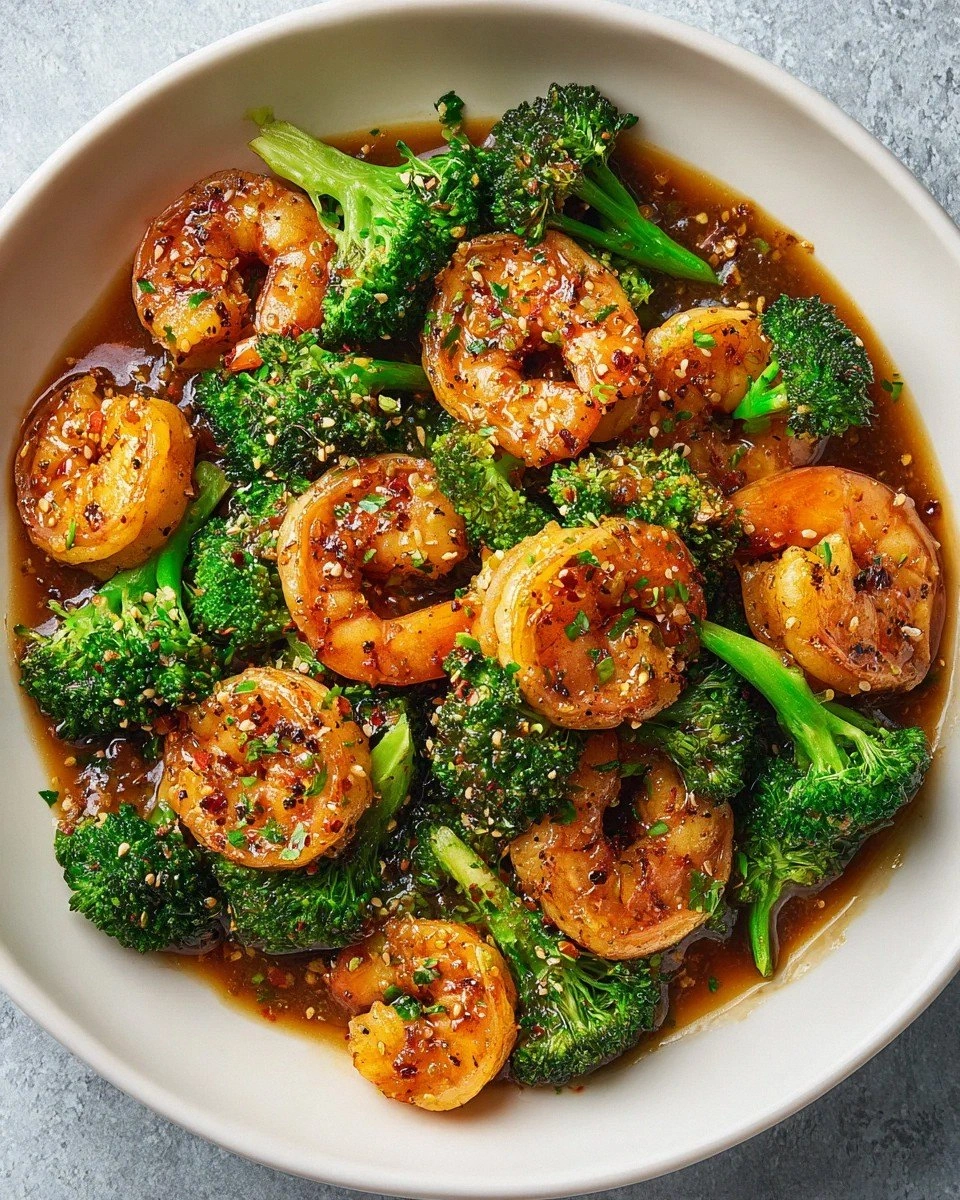
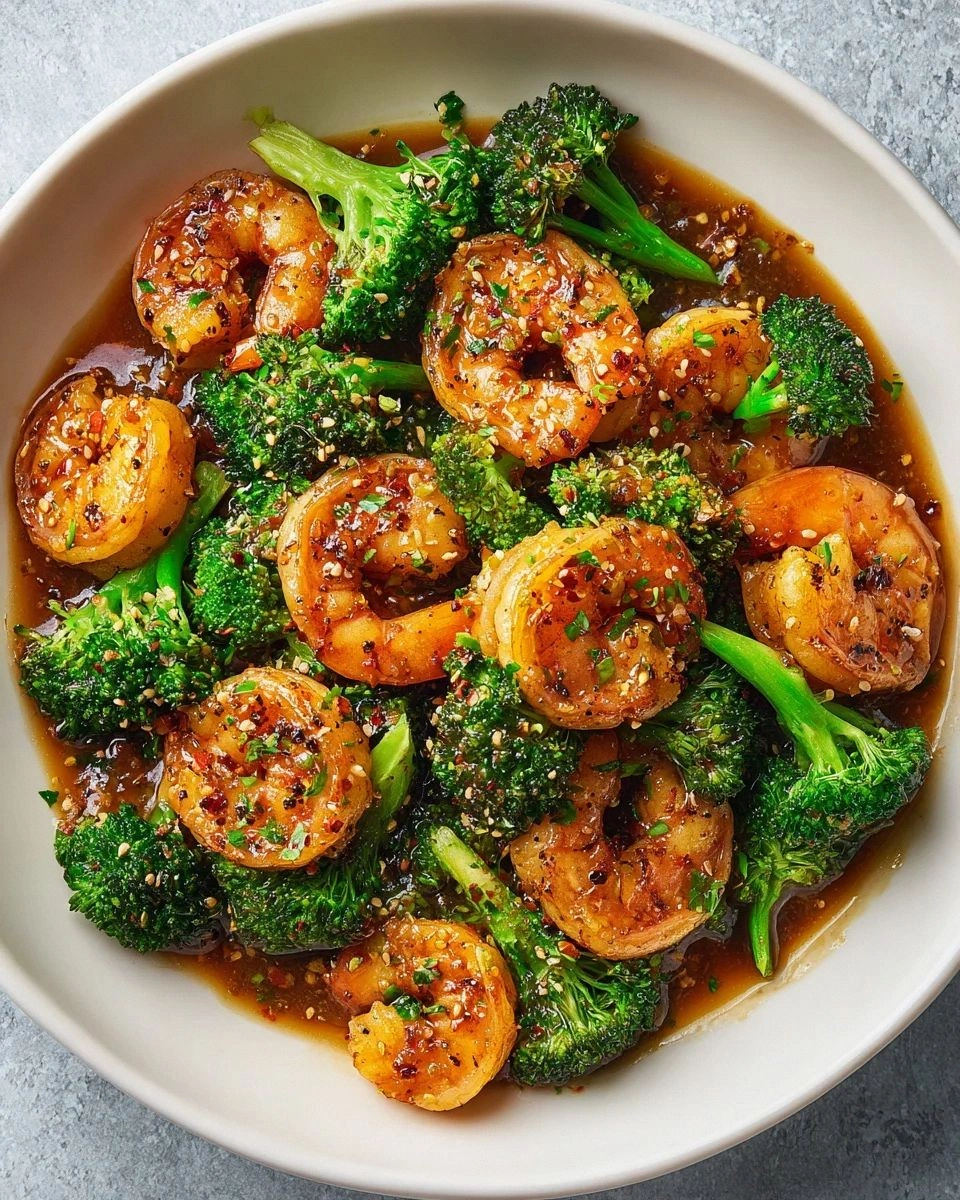
Picture this: a sizzling pan, the sound of shrimp hitting the oil like tiny cymbals, the aroma of garlic dancing with honey, and a subtle kick from red pepper flakes that makes your nose twitch in anticipation. The sauce clings to each piece of shrimp as if it were a glossy, amber‑colored veil, shimmering under the kitchen lights. When you bite in, the shrimp is perfectly pink and juicy, while the glaze offers a caramelized crunch that snaps like thin ice under a boot. The whole experience is a symphony of textures—soft, succulent meat, a glossy, slightly sticky coating, and a final garnish of fresh green onions that adds a bright, peppery finish. It’s an all‑senses celebration that makes you want to shout, “I dare you to taste this and not go back for seconds!”
Why does this version stand out from every other honey garlic shrimp you’ve ever seen on a Pinterest board? Most recipes either drown the shrimp in syrupy sweetness or skimp on the garlic, leaving you with a one‑dimensional dish. This version balances the sweet and savory in a way that feels like a culinary tightrope walk—just enough honey to caramelize, just enough soy sauce to deepen the umami, and just enough garlic to give it that punchy aroma you love. The secret weapon? A splash of olive oil that prevents the honey from scorching, and a precise timing method that ensures the shrimp stays tender while the glaze reaches that perfect amber hue.
I’ll be honest — I ate half the batch before anyone else got a chance to try it, and I’m still not over it. The flavor is so bold that it practically rewires your taste buds, making you forget any previous shrimp dishes you thought were good. I’m about to walk you through every single step, from selecting the freshest shrimp to mastering that glossy glaze, and by the end you’ll wonder how you ever made this dish any other way. Okay, ready for the game‑changer? Let me walk you through every single step — by the end, you’ll wonder how you ever made it any other way.
What Makes This Version Stand Out
- Protein Power: Each pound of shrimp delivers a hefty dose of lean protein, making this dish perfect for post‑workout recovery or a high‑energy dinner.
- Balanced Sweet‑Savory: The honey and soy sauce create a harmonious duet that never overwhelms, delivering depth without cloying sweetness.
- Texture Triumph: A quick sear locks in moisture, while the glaze forms a caramelized crust that snaps delightfully with each bite.
- Simplicity Meets Sophistication: Fewer than ten ingredients, but the technique elevates it to restaurant‑quality status.
- Crowd‑Pleaser Factor: Even the most skeptical eaters rave, often asking for the recipe before the plate is empty.
- Ingredient Quality: Fresh, large shrimp and pure honey are the stars; no artificial additives needed.
- One‑Pan Wonder: Minimal cleanup means you spend more time enjoying the meal and less time scrubbing pans.
- Make‑Ahead Magic: The glaze can be prepared ahead, allowing you to focus on perfect shrimp timing when guests arrive.
Inside the Ingredient List
The Flavor Base
Honey is the sweet heart of this dish, providing the caramelized glaze that clings to each shrimp like a golden veil. Use a good quality, raw or light honey; it has a nuanced floral note that commercial syrups lack. If you skip the honey, you’ll lose the signature glossy finish and the subtle sweetness that balances the soy sauce.
The Aroma Crew
Garlic, minced to a fine paste, releases allicin the moment it meets heat, creating an aromatic foundation that’s impossible to ignore. Fresh garlic beats garlic powder every time—powder can taste flat and lacks that pungent snap. If you’re sensitive to raw garlic, let it sauté a minute longer before adding the honey to mellow its bite.
The Unexpected Star
Red pepper flakes are the surprise element that adds a whisper of heat, turning the dish from “nice” to “wow!” A half‑teaspoon is enough to tingle the palate without overwhelming the delicate shrimp. If you crave more heat, increase to a full teaspoon, but remember that the sweetness will still dominate.
The Final Flourish
A drizzle of olive oil at the start prevents the honey from scorching and helps the shrimp develop that coveted sear. Choose extra‑virgin olive oil for its fruity notes; it subtly enhances the overall flavor profile. Chopped green onions added at the end provide a fresh, slightly sharp contrast that brightens the dish and adds a pop of color.
If you’re looking for a swap, try coconut aminos in place of soy sauce for a lower‑sodium alternative that still delivers umami depth. For a gluten‑free version, ensure your soy sauce is certified gluten‑free. When selecting shrimp, aim for wild‑caught, large (16‑20 count) shrimp; they have a firmer texture and a sweeter taste compared to farm‑raised varieties.
Everything's prepped? Good. Let's get into the real action...
The Method — Step by Step
First, pat the shrimp dry with paper towels; moisture is the enemy of a good sear. Toss the shrimp lightly with a pinch of salt and pepper, then set them aside while you prep the sauce. This simple seasoning ensures the shrimp will have a subtle baseline flavor before the glaze takes over.
While the shrimp rests, combine honey, soy sauce, minced garlic, red pepper flakes, and a splash of olive oil in a small bowl. Whisk until the mixture is smooth and the garlic is evenly distributed. I dare you to taste this raw mixture—don’t worry, it’s safe, and you’ll notice the perfect balance before it even hits the pan.
Heat a large skillet over medium‑high heat and add the remaining tablespoon of olive oil. When the oil shimmers, it’s ready—listen for that faint sizzle that signals the pan is hot enough. Drop the shrimp in a single layer, making sure they aren’t crowded; overcrowding will steam them instead of searing.
Let the shrimp cook undisturbed for about 1½ minutes. You’ll see the edges start to turn opaque and the underside develop a light golden crust. This is the moment of truth: if you try to move them too early, you’ll lose that coveted caramelized edge.
Flip the shrimp and immediately pour the honey‑garlic mixture over them. The sauce should hit the pan with a lively hiss, creating a caramelizing sound that fills the kitchen. Stir gently to coat each shrimp, allowing the sauce to thicken around them.
Watch the sauce bubble and reduce; after about 2 minutes, it will become glossy and start to cling to the shrimp like a caramel coat. If the sauce begins to stick too aggressively, lower the heat slightly and add a splash of water (see the Kitchen Hack above).
Continue cooking for another 2‑3 minutes, or until the shrimp are fully opaque and the sauce has thickened to a syrupy consistency. The edges of the shrimp should pull away slightly from the pan, indicating they’re perfectly cooked.
Taste a piece now—if you need a pinch more salt or a dash more honey, adjust quickly; the sauce will incorporate the change instantly.
Remove the skillet from heat and sprinkle chopped green onions over the top. The residual heat will wilt the onions just enough to release their fresh flavor without losing their crunch.
Give the pan a final gentle toss to distribute the garnish evenly. The dish should now look like a glossy, ruby‑red pool of sauce studded with bright green specks.
Transfer the shrimp to a serving platter, spoon any remaining sauce over the top, and let it sit for a minute to allow the flavors to meld. This brief resting period is the 5‑minute rest that changes everything; it lets the sauce settle into the shrimp fibers.
Serve immediately with steamed rice, quinoa, or a crisp salad—whatever you crave. Picture yourself pulling this out of the pan, the whole kitchen smelling incredible, and the first bite delivering that perfect sweet‑savory snap.
And now the fun part: garnish with an extra drizzle of honey if you like extra shine, or a squeeze of fresh lime for a bright contrast. This final touch is pure magic and will have your guests asking for the recipe again and again.
That's it — you did it. But hold on, I've got a few more tricks that'll take this to another level, because a great dish never stops evolving.
Insider Tricks for Flawless Results
The Temperature Rule Nobody Follows
Never start the shrimp on high heat; medium‑high gives you control. If the pan is too hot, the honey will scorch before the shrimp cooks through, leaving a bitter aftertaste. Keep the heat steady, and you’ll get that perfect caramelized edge without the burnt notes.
Why Your Nose Knows Best
When the sauce starts to emit a fragrant, buttery aroma, that’s your cue to lower the heat. Your nose can detect the transition from sweet to burnt faster than your eyes can see the color change. Trust that instinct, and you’ll avoid a ruined glaze.
The 5‑Minute Rest That Changes Everything
After you pull the shrimp from the pan, let them sit for exactly five minutes. This short rest lets the proteins relax and the sauce to be re‑absorbed, resulting in a juicier bite. A friend once skipped this step and complained the shrimp were “dry as a desert”—lesson learned.
Sauce Rescue Technique
If the glaze thickens too fast and starts to stick, add a tablespoon of warm water and whisk vigorously. The water re‑emulsifies the honey and soy sauce, bringing back that silky texture without diluting flavor.
Garnish Timing
Add the green onions at the very end, while the pan is still hot but off the burner. This preserves their crunch and bright color, preventing them from wilting into the sauce. The contrast of fresh green against the dark glaze is a visual cue that says “delicious.”
Creative Twists and Variations
This recipe is a playground. Here are some of my favorite ways to switch things up:
Coconut Curry Fusion
Swap the honey for coconut milk and add a tablespoon of curry powder. The result is a creamy, tropical twist that pairs beautifully with jasmine rice and will wow anyone who loves Southeast Asian flavors.
Spicy Sriracha Blast
Add a teaspoon of sriracha to the sauce and increase the red pepper flakes to a full teaspoon. This version packs a punch that’s perfect for those who crave heat, and the sriracha’s vinegar tang balances the sweetness.
Lemon‑Ginger Zing
Introduce fresh grated ginger and a squeeze of lemon juice at the end of cooking. The ginger adds a peppery bite while the lemon brightens the glaze, turning the dish into a refreshing summer entrée.
Nutty Crunch Variation
Toast a handful of sliced almonds or cashews and sprinkle them over the finished shrimp. The nuts introduce a satisfying crunch that contrasts the tender shrimp and glossy sauce.
Herb‑Infused Delight
Mix chopped cilantro or basil into the sauce just before serving. The herbaceous notes lift the dish, making it feel lighter and perfect for a spring dinner.
Storing and Bringing It Back to Life
Fridge Storage
Place leftover shrimp in an airtight container and refrigerate for up to 2 days. The sauce may thicken as it cools; simply reheat gently and add a splash of water to revive the glaze.
Freezer Friendly
Cool the shrimp completely, then transfer to a freezer‑safe bag, removing as much air as possible. Freeze for up to 3 months. When ready to eat, thaw overnight in the fridge, then reheat in a skillet with a dash of water.
Best Reheating Method
Reheat in a non‑stick pan over low heat, adding a teaspoon of water or broth to keep the sauce from drying out. Stir gently until the shrimp are warmed through and the glaze regains its silky shine. This trick ensures the shrimp stay juicy and the sauce remains glossy.