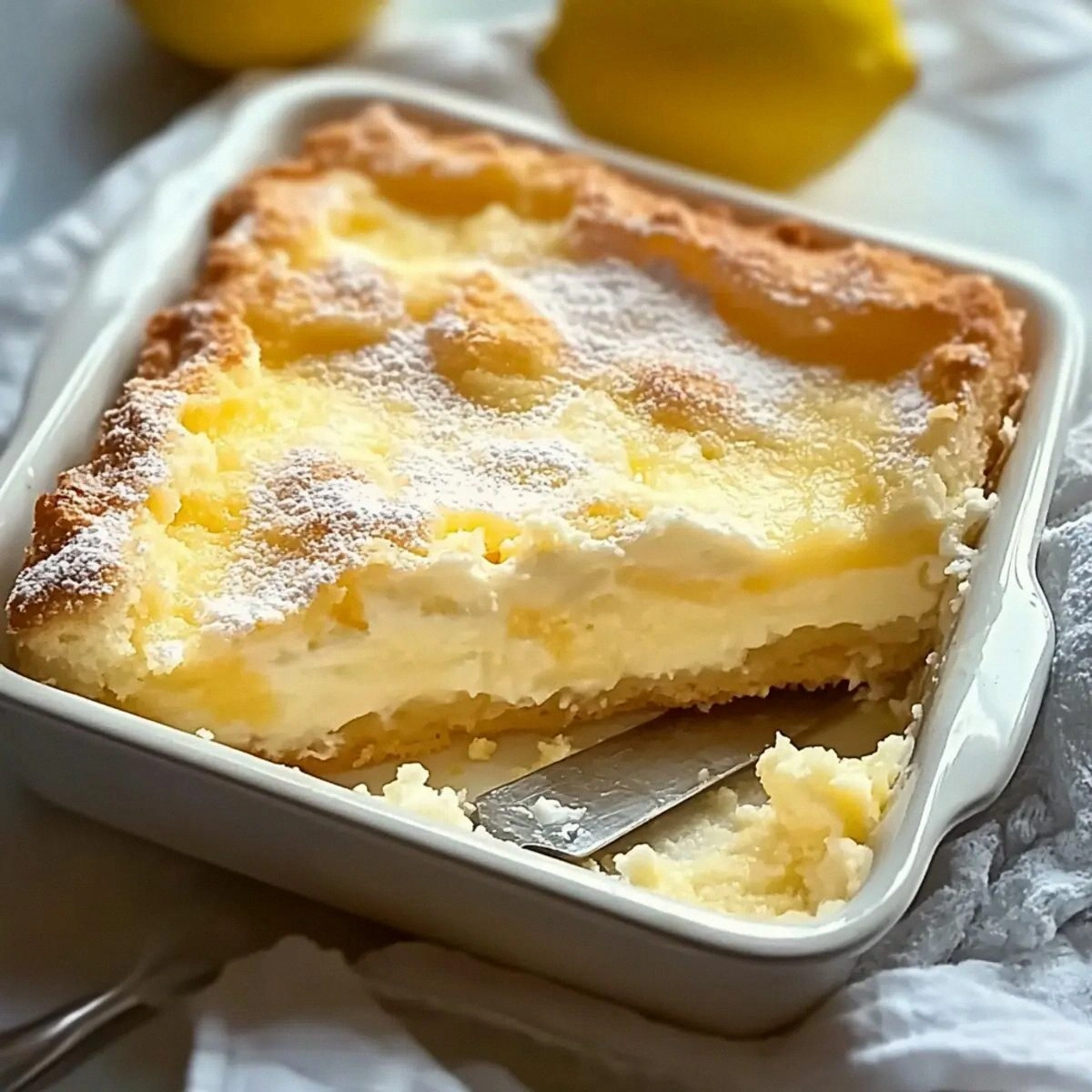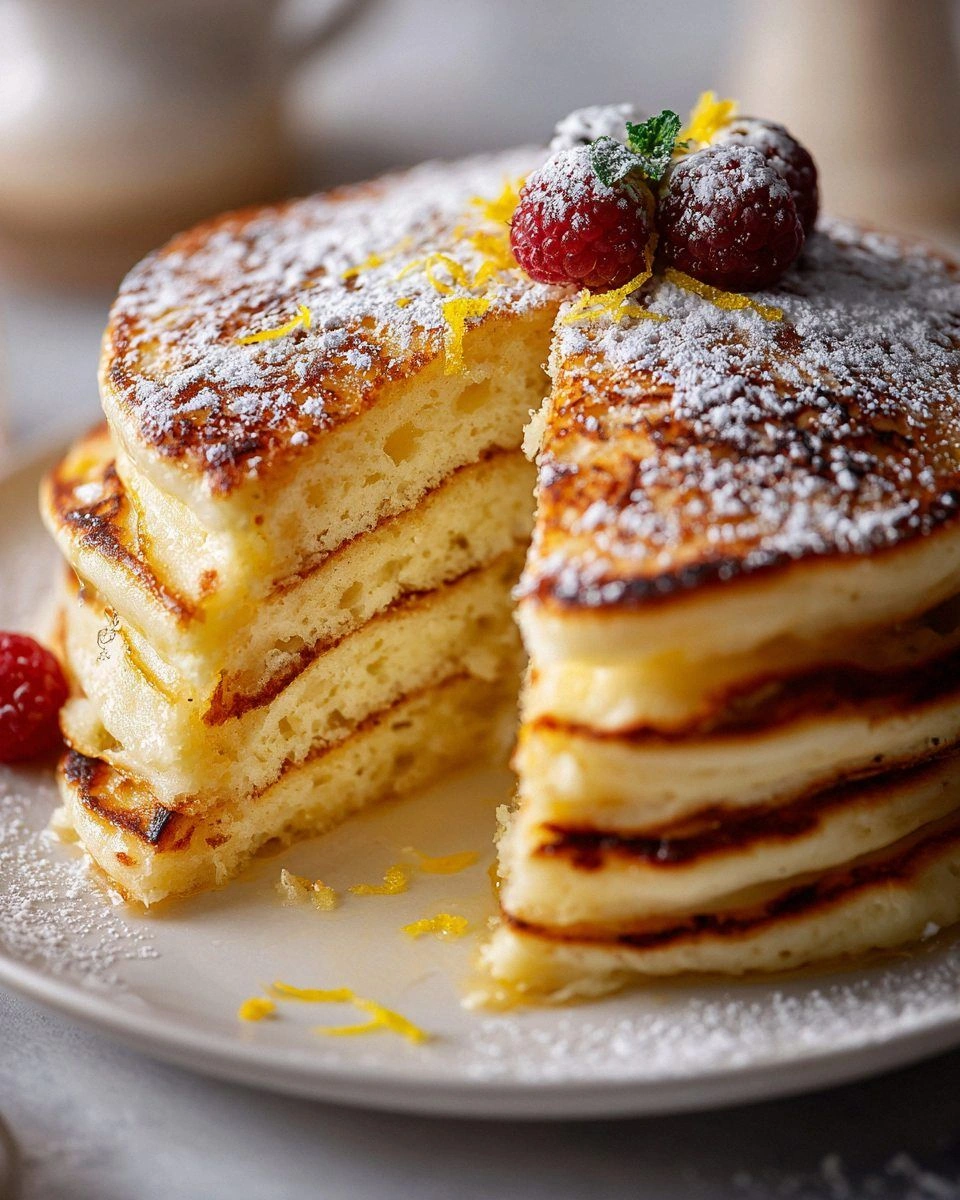
I still remember the morning I ruined a perfectly good batch of pancakes so spectacularly that smoke alarms sang backup to my cursing. I had whisked, flipped, and flopped my way through countless recipes, chasing that ethereal cloud-like bite I’d tasted at a tiny café in Sorrento—lemon trees blooming outside the window, ricotta still warm from the farm, and a plate of pancakes so light they practically hovered. Every attempt since had landed somewhere between rubber frisbees and heavy custard coasters. That disaster morning, though, something shifted: I ditched the script, cracked open the fridge, and reached for the ricotta I’d bought for lasagna that never happened. I zested the last lonely lemon with vengeful enthusiasm, muttering “if I’m going down, I’m taking dairy and citrus with me.” Ten minutes later, I took one bite of the accidental experiment and nearly dropped the spatula. The texture? Think cashmere sweaters woven by angels. The flavor? Like sunrise in edible form—bright, tangy, and impossibly comforting all at once. I ate half the batch standing at the stove in my pajamas, no syrup required, swatting away anyone who dared wander into the kitchen. If you’ve ever chased the perfect pancake only to end up with sad, stodgy discs that glue themselves to the roof of your mouth, welcome to the redemption arc you deserve.
What I’m handing you today isn’t just another pretty lemon-ricotta recipe; it’s the culmination of six months of obsessive testing, twenty pounds of flour, and a lemon tree that now looks suspiciously bald. Here’s the kicker: most online versions get the ratio so catastrophically wrong that the ricotta becomes dead weight instead of a lifting agent, and the lemon rides shotgun when it should be driving the entire flavor bus. We’re fixing every misstep, starting with the one thing no one tells you—temperature is everything, but not in the way you think. Nope, we’re not talking about your griddle; I’m talking about the temperature of the batter itself and the way cold ricotta meets warm melted butter to create tiny pockets of steam that puff these babies sky-high. Picture yourself tomorrow morning, sun streaming in, coffee dripping, and a stack of these golden beauties wobbling on a plate like they’re posing for a magazine shoot. That sizzle when the batter kisses the pan? Absolute perfection. Stay with me here—this is worth every second.
Before we dive in, let me validate every pancake failure you’ve ever had: if you’ve ended up with dense centers, rubbery exteriors, or lemon flavor so timid it hides behind maple syrup, you are not alone. I’ve been there, and so have hundreds of readers who wrote me after my first ricotta post asking why their cakes could double as doorstops. The secret isn’t fancy equipment or impossible technique—it’s a handful of small, precise moves that feel almost anticlimactic until you taste the result. We’re talking about whipping egg whites to exactly the right cloud-like peak, folding them into the batter like you’re tucking in a sleeping baby, and using lemon three different ways so the flavor arcs from bright top notes to mellow background harmony. By the time you flip your first pancake, you’ll understand why this version has become my most-requested brunch centerpiece and my go-to apology gift for neighbors who tolerate my smoke-alarm concerts. Ready for the game-changer? Let me walk you through every single step—by the end, you’ll wonder how you ever made it any other way.
What Makes This Version Stand Out
Cloud-Level Fluff: The ricotta isn’t just for flavor; its micro-curds create steam pockets that lift the cakes like hot-air balloons. Combined with whipped egg whites, you get a soufflé-like rise that collapses into tender bites the moment you fork them.
Three-Hit Lemon: We zest, we juice, and we glaze with a whisper of lemon oil so the citrus sings in stereo rather than mono. Most recipes stop at juice and leave you with one-note tang—ours builds a full chord progression.
Same-Day Simplicity: No overnight rest, no buttermilk you don’t have, no fancy cake flour. If you keep basic baking staples and a tub of ricotta, you’re twenty-five minutes from breakfast glory any random Tuesday.
Neighborhood-Winning Wow Factor: I’ve served these at bridal showers, office potlucks, and grumpy-family brunches; every single time someone asks for the recipe mid-bite. They look bakery-plated yet require zero piping bags or artistry.
Ingredient Integrity: We’re not masking cheap ricotta with sugar overload. Instead, we balance mild sweetness with salt so the dairy’s nutty character shines. Think of it as letting ricotta go on a solo after years of backup-singer duty.
Make-Ahead Magic: The batter holds for two hours on the counter or overnight in the fridge, and cooked cakes reheat like a dream. Sunday batch plus weekday toaster sessions equals breakfast nirvana on repeat.
Inside the Ingredient List
The Flavor Base
Whole-milk ricotta is the star, but not all tubs are created equal. Look for brands that list milk, salt, and maybe an acid—skip anything with gums or stabilizers that mute the delicate flavor. If your ricotta is watery, drain it in cheesecloth for ten minutes; excess moisture deflates the loft we’re chasing. The lemon should feel heavy for its size, a tell-tale sign of thin skin hiding aromatic oils. Zest first, juice second; those volatile oils live in the colored rind, not the pith. Don’t even think about bottled juice here—fresh lemon is the difference between a spring morning and a cleaning-product aftertaste.
The Texture Crew
Cake flour gives us lower protein for tenderness, but all-purpose works if that’s what you’ve got; swap two tablespoons per cup with cornstarch to mimic cake flour’s softness. Baking powder and soda work as a tag-team: powder lifts, soda browns, and together they give that gorgeous mottled surface. A single egg yolk enriches, while the whites—whipped to soft peaks—add structure without density. Melted butter offers flavor, but we let it cool so it doesn’t scramble the whites when folded in. A pinch of salt may seem minor, yet it’s the difference between flat sweetness and complex, moreish flavor.
The Unexpected Star
Here’s the curveball: a teaspoon of white vinegar apparently “turns milk into buttermilk,” but we’re not doing that tired trick. Instead, we’re adding a whisper of almond extract—so little you can’t name it, yet it stretches the ricotta’s nutty side and makes guests ask, “What is that cozy background note?” Vanilla would bully the lemon; almond just nods politely from the rear. If you’re nut-allergic, swap in half a teaspoon of honey; its floral character plays the same supporting role without stealing the spotlight.
The Final Flourish
For serving, we’re making a quick lemon-ricotta whip: equal parts ricotta and cream, a kiss of powdered sugar, and more zest. Dollop, don’t drown; you want fluffy islands melting between hot pancake layers. Maple syrup is welcome but optional—these cakes carry their own moisture parade. If you’re feeling fancy, scatter a few blueberries that have been kissed with lemon juice and a dusting of sugar; the acid perks them up and prevents the syrupy collapse you get with plain berries. A final grating of fresh lemon zest on top releases aroma as steam rises, giving that bakery smell every time you lift a fork.
The Method — Step by Step
- In a large bowl, whisk together 1½ cups cake flour, 2 teaspoons baking powder, ½ teaspoon baking soda, and ¼ teaspoon fine sea salt until no streaks remain; this disperses the leaveners so you won’t bite into a bitter pocket later. Take a moment to fluff the flour with the whisk—think of it as pre-sifting without dirtying another gadget. You want the mixture light and airy, the color of fresh sheets on a laundry line. Set this bowl aside and enjoy the faint cloud of flour that perfumes the air like early-morning snow.
- In a second bowl, beat 1 cup whole-milk ricotta, 2 tablespoons sugar, 1 egg yolk, ¾ cup cold milk, 2 tablespoons melted but cooled butter, 1 teaspoon finely grated lemon zest, 2 tablespoons fresh lemon juice, and ⅛ teaspoon almond extract until smooth and homogenous. The batter will look like luxurious pancake-flavored frosting—thick yet pourable. Don’t panic if tiny ricotta beads remain; they’ll melt into moist pockets as the cakes cook. Give it a quick taste with the tip of your spoon; you should get bright citrus first, mellow dairy second, and a whisper of nutty perfume last.
- Now for the cloud factor: in a clean, grease-free bowl, whip 2 egg whites with a pinch of cream of tartar (or a drop of lemon juice) until soft peaks form. You want tips that curl over like a gentle wave, not stiff spikes that look like meringue helmets. This step traps air that expands on the griddle, giving lift without heavy chemical leaveners. If you’ve never whipped whites, watch for the moment the bubbles tighten from soap suds to silky ribbons—this is your cue to stop before you overshoot.
- Gently fold the wet ricotta mixture into the dry ingredients using a spatula, stopping when only a few flour streaks remain. Think of scraping the bowl’s side and turning the mixture over itself, like tucking laundry into a drawer. Overmixing develops gluten and dooms you to chewy cakes, so channel your laziest stir. The batter will be slightly lumpy—embrace the rustic charm.
- Scoop one-third of the whipped egg whites onto the batter and stir it in brutally. I know, I just said don’t overmix, but this sacrificial fluff loosens the thick batter so you can fold the remaining whites without crushing them. Now add the rest of the whites, rotating the bowl as you sweep the spatula through the center and up the side, turning batter over the whites like folding a delicate letter. Stop as soon as no big white blobs remain; a few streaks are fine and will vanish on the griddle.
- Place a cast-iron or non-stick skillet over medium heat (350°F if you’re using an electric griddle). When a droplet of water sizzles and dances, you’re in the sweet spot. Lightly grease with butter; you want a whisper of fat, not an oil slick. Too much butter fries the edges and masks the delicate flavor.
- Using a ¼-cup measure, scoop batter onto the hot surface, leaving space for spread. Resist the urge to press or shape; let the cakes relax into their own raggedy-edged rounds. Cook 2–3 minutes until the surface forms tiny pinholes and the edges look matte. Peek underneath with a thin spatula; you want a chestnut-brown mosaic, not pale blonde. Flip confidently in one swift motion—hesitation causes half-moon tears. Cook the second side 1–2 minutes more, then transfer to a warm plate under a tea towel while you repeat.
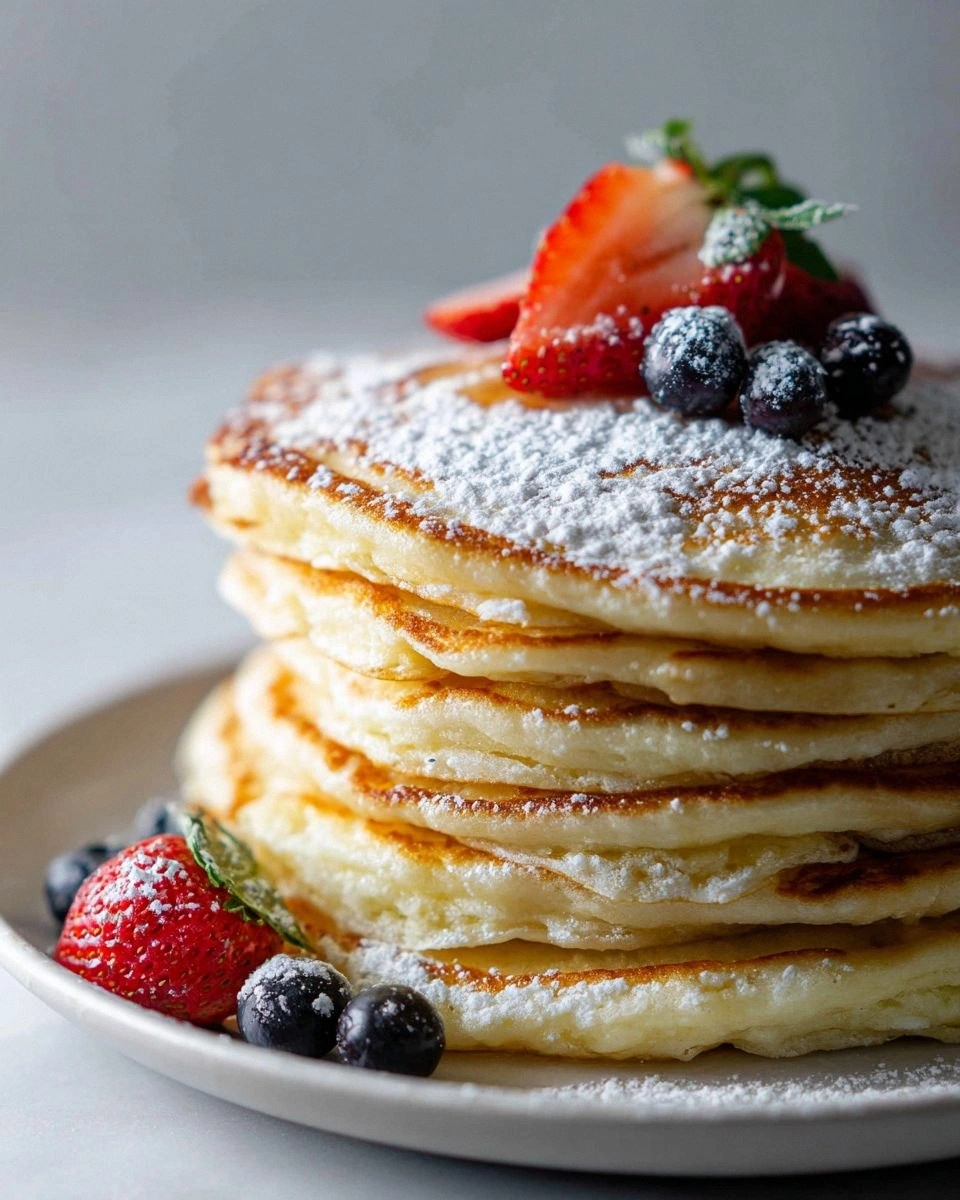
- Serve immediately in a tall, leaning tower, or keep warm on a rack set over a baking sheet in a 200°F oven for up to 20 minutes. The steam will soften crisp edges slightly, but they spring back under a quick toaster-slot reheat. Top with lemon-ricotta whip, a snowfall of powdered sugar, or a reckless pour of warm maple syrup. I dare you to taste one and not go back for seconds.
That's it—you did it. But hold on, I've got a few more tricks that'll take this to another level...
Insider Tricks for Flawless Results
The Temperature Rule Nobody Follows
Most recipes obsess over griddle temp and ignore batter temp. Here’s the twist: keep the batter cool and the pan steady. If your kitchen is hot, nestle the bowl over an ice pack while you cook; cold batter hits the warm surface, creating a rapid steam bloom that lifts the cakes. A friend tried skipping this step once—let’s just say her pancakes spread into lace doilies and never rose. You’re aiming for a contrast, not a sauna.
Why Your Nose Knows Best
Trust aroma cues more than timers. When the scent of toasted butter and lemon zest drifts up, you’re 30 seconds from flip time. Too early and the centers stay custardy; too late and you’ve toasted the sugars to bitter. This sensory checkpoint sounds mystical until you experience it—then you’ll never set another phone timer.
The 5-Minute Rest That Changes Everything
After mixing, let the batter nap for five minutes while the pan heats. This brief pause hydrates the flour fully, swelling starches for a tender crumb. Skip it and you’ll get faintly gritty interiors that feel like wet sand under molars. Use the downtime to set out plates, warm syrup, or dance to one song on repeat—just don’t rush this micro-spa moment.
Creative Twists and Variations
This recipe is a playground. Here are some of my favorite ways to switch things up:
Berry Ripple Dream
Swirl ½ cup crushed raspberries sweetened with a teaspoon of honey into the batter at the very end, creating magenta ribbons. The tart berries echo the lemon and turn the pancakes into edible sunrise art. Kids think you’re a wizard; adults ask if you’ve been to pastry school.
Poppy Seed & Honey Orange
Swap lemon for orange zest and juice, fold in 2 tablespoons poppy seeds, and replace sugar with honey. The seeds pop between teeth like tiny caviar, and the honey caramelizes on the griddle for deeper flavor. Serve with a dollop of Greek yogurt and you’ve got a brunch that feels like Sunday in Seville.
Chocolate Chip Hazelnut Indulgence
Stir ⅓ cup mini chocolate chips and 2 tablespoons toasted chopped hazelnuts into the finished batter. The ricotta keeps the chips suspended so they don’t sink, and the nuts toast further on the surface for extra crunch. A drizzle of Nutella turns this into dessert-for-breakfast that still feels lighter than diner chocolate cakes.
Coconut Lime Vacation
Replace milk with full-fat coconut milk, use lime zest and juice instead of lemon, and scatter unsweetened coconut flakes on the uncooked side just after scooping. The tropical aroma will make you swear you hear waves even if you’re in a snowed-in apartment. Top with mango cubes tossed in a squeeze of lime for the full island escape.
Savory Herb & Parmesan
Omit sugar, almond, and lemon; fold in ½ cup grated Parmesan, 2 tablespoons chopped chives, and ¼ teaspoon black pepper. Serve topped with smoked salmon and a poached egg for a savory brunch that still carries the cloud-like texture. Friends will call it “soufflé pancakes” and beg you to open a café.
Storing and Bringing It Back to Life
Fridge Storage
Cooked pancakes keep for up to four days when layered between parchment in an airtight container. Let them cool completely first; trapping steam equals soggy sadness. Reheat in a dry skillet over medium-low heat for 90 seconds per side—microwaves steam them limp, and no one wants a limp pancake narrative.
Freezer Friendly
Freeze individual cakes on a baking sheet until solid, then toss into a zip bag with sheets of parchment between layers. They’ll keep for two months, but honestly, they never last that long in my house. Pop frozen cakes straight into the toaster on the lowest setting; two cycles gives you edges that crisp like thin ice while centers steam back to fluffy.
Best Reheating Method
Add a tiny splash of water to the hot skillet and cover with a lid for 30 seconds; the steam revives the ricotta’s moisture without turning the cakes gummy. Remove the lid, let the water evaporate, and flip once to recrisp. It’s like sending them to a spa retreat and they emerge rejuvenated, ready for syrup or solo devouring.