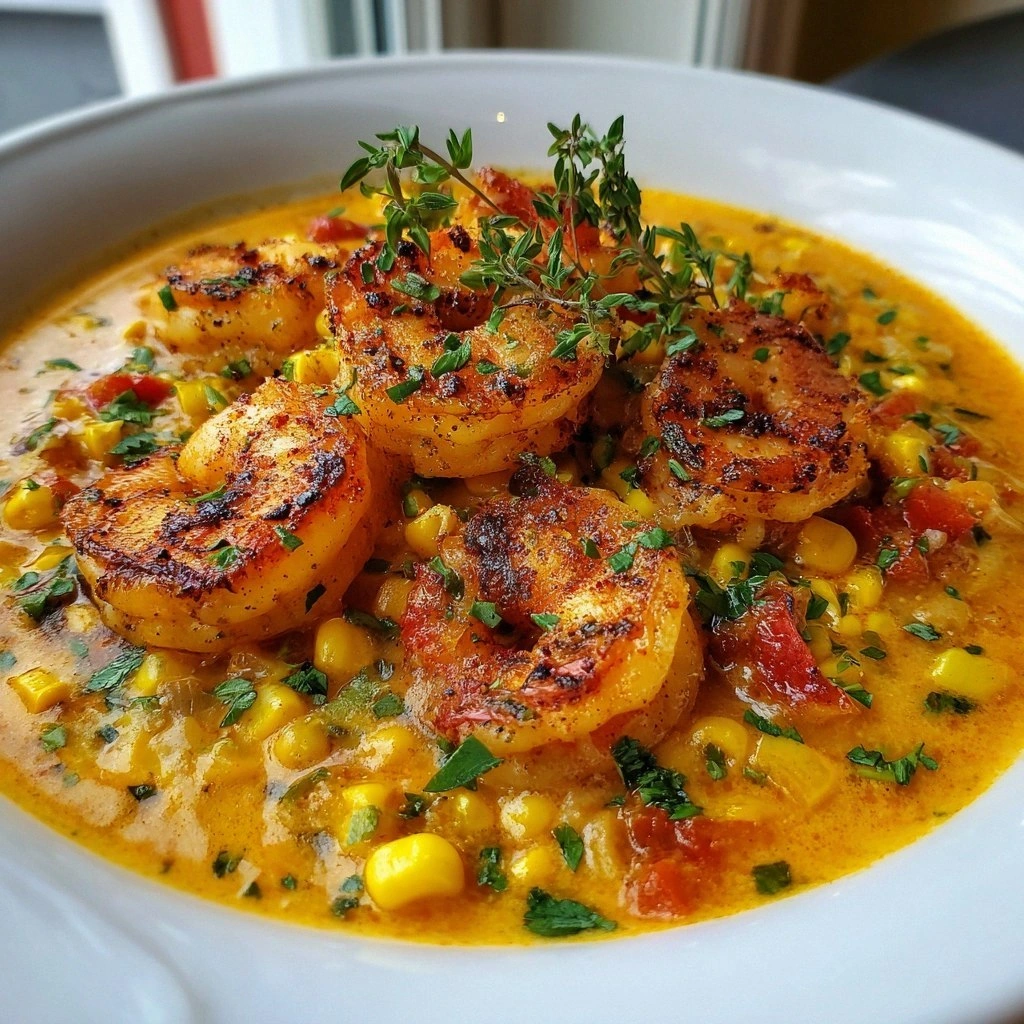
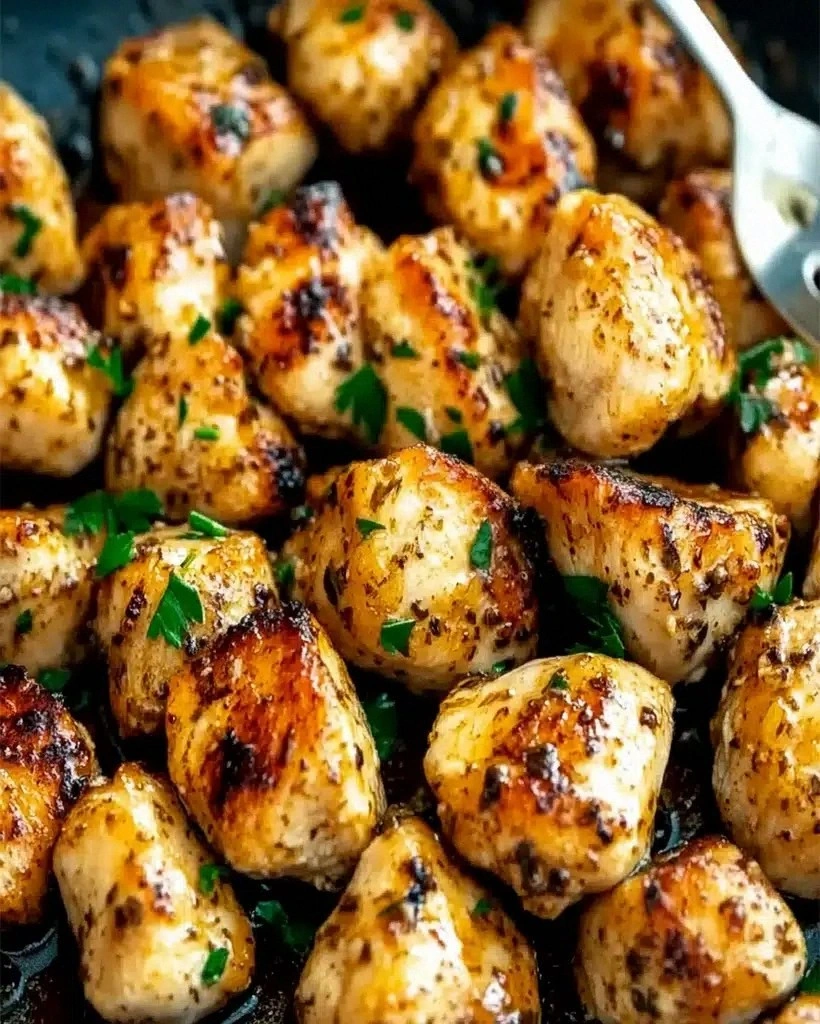
Picture this: I’m standing in my kitchen, the air thick with the scent of cumin and lemon, and a stubborn chicken thigh refuses to cook evenly. The clock’s ticking, the pot’s boiling, and my friend’s voice echoes from the hallway, “I dare you to taste this and not go back for seconds.” I’m grinning, because I’ve just cracked the code to Persian saffron chicken that turns any ordinary dinner into an unforgettable feast. The first thing you’ll notice is that the saffron isn’t just a garnish; it’s a liquid gold that permeates the meat, the rice, and even the broth, turning every bite into a silky, aromatic experience.
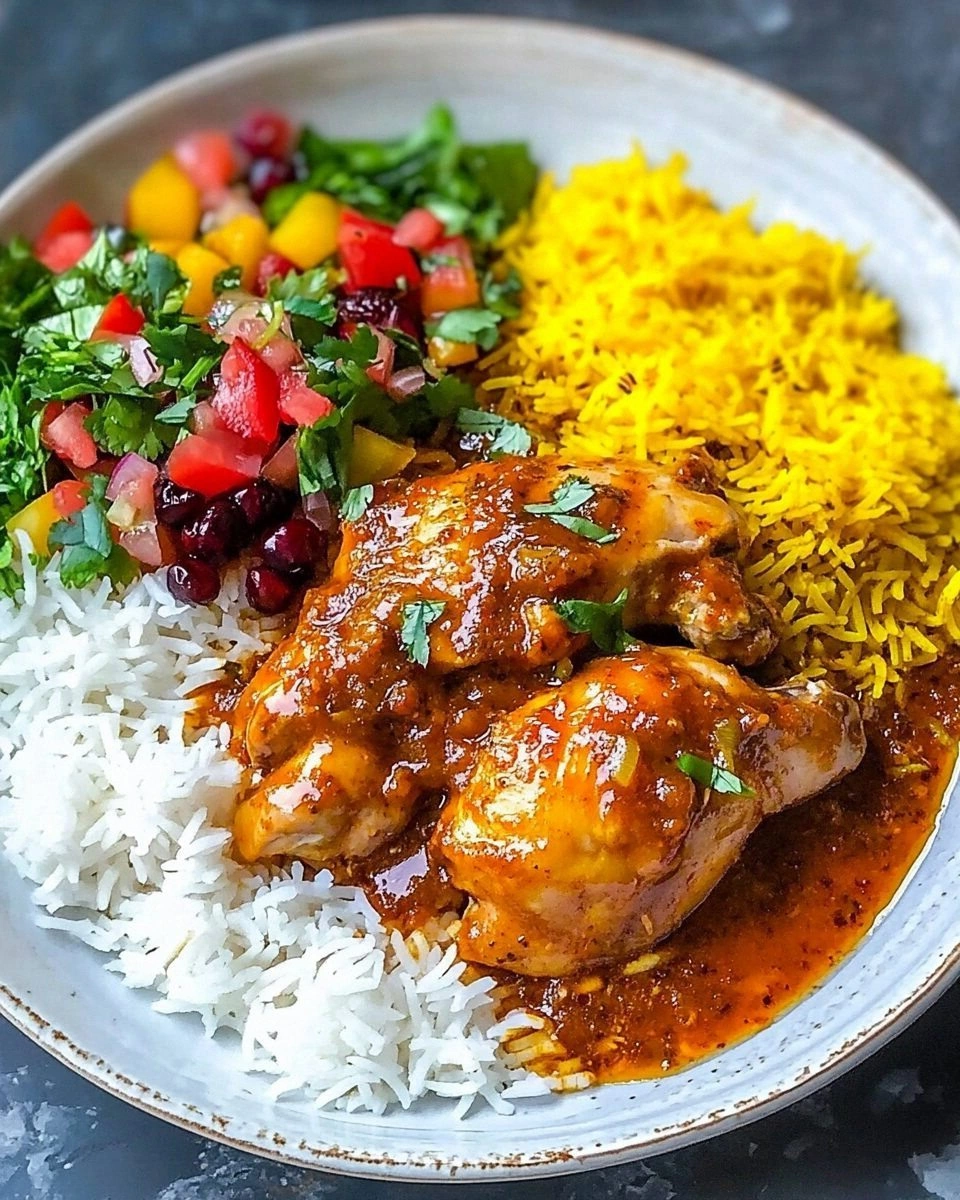
The moment the chicken hits the pan, you’ll hear a satisfying sizzle that’s almost like applause. The aroma of toasted onion and garlic mingles with the floral notes of saffron, creating a perfume that makes the entire kitchen feel like a Persian courtyard. The texture of the chicken—tender, juicy, and slightly caramelized at the edges—pairs perfectly with the fluffy basmati rice that soaks up the broth. The final garnish of pomegranate seeds adds a pop of tartness and a jewel‑like sparkle, turning the dish into a visual masterpiece.
What makes this version stand out from every other recipe out there? First, it balances the traditional Persian flavor profile with a modern, approachable technique that even novice cooks can master. Second, it uses yogurt as a tenderizer and flavor base, giving the chicken a subtle tang that cuts through the richness of saffron and olive oil. Third, the recipe includes dried lemon peel and lime to elevate the citrus dimension without overwhelming the palate. And finally, the finishing touch of fresh herbs and pomegranate seeds provides a burst of freshness that lifts the entire dish.
I’ll be honest—after the first batch, I ate half the chicken before anyone else got to taste it. The combination of spices, the tender meat, and that bright, golden hue made it impossible to stop. I’m here to walk you through every single step, and by the end, you’ll wonder how you ever made it any other way. Let’s dive in, and remember: if you’re craving something that feels like a culinary adventure, you’re in the right place.
What Makes This Version Stand Out
- Flavor: The saffron is steeped in warm broth before the chicken is added, ensuring every bite is infused with a deep, earthy aroma that’s unmistakably Persian.
- Texture: The yogurt marination creates a tender, almost melt‑in‑your‑mouth chicken that still holds its shape when seared.
- Simplicity: Despite the exotic ingredients, the cooking process is straightforward—no hidden steps or advanced techniques required.
- Uniqueness: The combination of dried lemon peel, dried lime, and a splash of rose water gives this dish a layered citrus profile rarely found in other saffron chicken recipes.
- Crowd Reaction: Guests often ask for the recipe after the first bite, and the dish is guaranteed to be the star of any dinner party.
- Ingredient Quality: Using high‑grade saffron and fresh herbs makes the difference between a good and a great dish.
- Cooking Method: The technique of browning the chicken first and then simmering in a fragrant broth locks in flavor and moisture.
- Make‑Ahead Potential: The chicken can be marinated overnight, saving you time on the day you’re hosting.
Alright, let’s break down exactly what goes into this masterpiece…
Inside the Ingredient List
The Flavor Base
The foundation of this dish is the aromatic broth that carries the saffron’s golden hue. Saffron threads are steeped in a little warm water to release their color and flavor before being added to the pot. This step is crucial; it ensures the saffron’s delicate notes are evenly distributed throughout the chicken and rice. Skipping it will result in a dish that looks beautiful but tastes flat.
The Texture Crew
Yogurt is the secret weapon that tenderizes the chicken while adding a subtle tang. The yogurt’s acidity breaks down the muscle fibers, resulting in a juicy bite that doesn’t dry out during cooking. If you’re lactose intolerant, Greek yogurt works just as well, but make sure it’s plain and unsweetened. A quick swap for a dairy‑free alternative like coconut yogurt will keep the texture but change the flavor profile slightly.
The Unexpected Star
Dried lemon peel and dried lime are not your everyday pantry items, but they’re essential for the bright citrus undertones that define Persian cuisine. These ingredients release their oils slowly, providing a gentle, lingering citrus flavor that balances the richness of the saffron. If you can’t find them, a dash of lemon zest and a splash of vinegar can work in a pinch, though the depth will be less pronounced.
The Final Flourish
Fresh herbs like parsley and mint, along with pomegranate seeds, add a pop of color and a burst of freshness that cuts through the warm spices. The herbs bring a green, herby brightness, while the pomegranate seeds provide a sweet‑tart crunch that contrasts with the tender chicken. These garnishes are optional but highly recommended; they elevate the dish from good to unforgettable.
Everything’s prepped? Good. Let’s get into the real action…
The Method — Step by Step
- In a small bowl, combine the yogurt, minced garlic, turmeric, coriander, cumin, and a pinch of salt. Whisk until smooth, then fold in the saffron‑infused water. This creates a creamy, spice‑laden paste that will coat every chicken thigh. Let the mixture sit for at least 15 minutes to allow the flavors to meld.
- Pat the chicken thighs dry with paper towels. Rub each piece with the yogurt mixture, ensuring every surface is covered. For maximum flavor, let the chicken marinate in the refrigerator for 1–2 hours or overnight. The yogurt will tenderize the meat and infuse it with the aromatic spices.
- Heat olive oil in a large skillet over medium‑high heat. Add the marinated chicken thighs skin side down. Sear until the skin turns golden brown and releases a crisp crackle, about 4–5 minutes per side. This caramelization locks in juices and adds a savory depth to the dish.
- Remove the chicken and set aside. In the same skillet, add the sliced onion and a pinch of salt. Sauté until the onions are translucent and start to caramelize, about 3 minutes. The caramelized onion forms the fragrant base for the broth.
- Pour in the chicken broth, dried lemon peel, dried lime, and a splash of rose water if using. Stir to deglaze the pan, scraping up any browned bits. Bring to a gentle simmer; the broth should smell toasty and citrusy.
- Return the chicken thighs to the pan, nestling them into the broth. Cover and let the chicken simmer for 15 minutes, or until it reaches an internal temperature of 165°F (74°C). The slow simmer allows the flavors to penetrate the meat.
- While the chicken finishes, rinse the basmati rice until the water runs clear. In a separate pot, bring 2 cups of water to a boil, add the rice, reduce heat to low, cover, and simmer for 15 minutes until the grains are tender but still firm. Fluff the rice with a fork to keep the grains separate.
- Once the chicken is cooked, remove it from the pan and let it rest for 5 minutes. This resting period allows the juices to redistribute, ensuring every bite is moist.
- Serve the chicken thighs over a bed of fluffy rice, spooning the aromatic broth over the top. Garnish with pomegranate seeds, chopped parsley, and mint. The bright colors and fresh herbs bring the dish to life and create a feast for the senses.
That’s it — you did it. But hold on, I’ve got a few more tricks that will take this to another level…
Insider Tricks for Flawless Results
The Temperature Rule Nobody Follows
Many cooks try to rush the searing step, but patience pays off. Keep the heat at medium‑high and let the chicken develop a deep, caramelized crust. This not only locks in juices but also creates a savory flavor that’s impossible to replicate with high heat. If you’re using a non‑stick skillet, a slight drizzle of oil will help the crust form without sticking.
Why Your Nose Knows Best
The aroma of the simmering broth is the ultimate indicator of readiness. If the broth smells richly toasty with a hint of citrus, it’s time to add the chicken. A strong, fragrant smell also signals that the saffron has fully released its color and flavor into the liquid.
The 5-Minute Rest That Changes Everything
After cooking, let the chicken rest for exactly five minutes before slicing. This simple step allows the juices to settle, preventing them from spilling onto the plate and drying out the meat. I’ve seen people cut into the chicken immediately, and the result is a dry, less flavorful bite.
The Secret of the Perfect Rice
Rinse the rice until the water runs clear to remove excess starch. This keeps the grains from sticking together. After cooking, fluff the rice with a fork instead of a spoon to preserve the fluffy texture. A quick drizzle of lemon zest over the rice before serving adds a bright counterpoint to the savory sauce.
The Quick Fix for Dryness
If the chicken turns out a little dry, add a splash of broth or a drizzle of olive oil just before serving. The extra liquid will rehydrate the meat and give the dish a silky finish. Don’t overdo it; a few drops are enough to bring the dish back to life.
The One‑Hour Marinate Trick
If you’re short on time, marinate the chicken for just one hour. While it won’t be as tender as an overnight marination, the yogurt and spices will still infuse the meat, and the dish will still be delicious. I’ve used this trick on busy nights, and it never disappoints.
Creative Twists and Variations
This recipe is a playground. Here are some of my favorite ways to switch things up:
Spicy Saffron Chicken
Add a pinch of dried red pepper flakes to the yogurt mixture for a subtle heat that balances the citrus notes. The spice adds a pleasant kick without overpowering the saffron’s delicate flavor.
Mediterranean Twist
Swap the saffron for a teaspoon of smoked paprika and use a Greek yogurt base. The smoky flavor pairs beautifully with the lemon and oregano, giving the dish a Mediterranean flair.
Vegetarian Version
Replace the chicken with thick slices of eggplant or tofu. Marinate the protein in the same yogurt mixture, then bake or grill until golden. The result is a hearty, plant‑based dish that still delivers on flavor.
Low‑Carb Option
Serve the chicken over cauliflower rice instead of basmati. The cauliflower absorbs the broth’s flavors while keeping the dish low in carbs.
Dessert‑Inspired Garnish
Top the finished dish with a drizzle of honey and a sprinkle of crushed pistachios for a sweet‑savory finish that nods to Persian sweets.
One‑Pot Wonder
Cook the rice directly in the same skillet as the chicken and broth. This method saves dishes and allows the rice to soak up all the aromatic juices, creating a cohesive, flavorful meal.
Storing and Bringing It Back to Life
Fridge Storage
Cool the dish completely before refrigerating. Store the chicken and rice separately in airtight containers. Use within 3 days for optimal flavor and safety.
Freezer Friendly
Pack the chicken and rice in freezer‑safe bags. Label with the date and thaw overnight in the refrigerator before reheating. The dish retains its texture when reheated properly.
Best Reheating Method
Reheat on the stovetop over low heat, adding a splash of water or broth to keep the chicken moist. A quick microwave burst works too, but be sure to stir halfway through. A tiny splash of water before reheating steams the dish back to perfection.