I was standing in a kitchen that smelled like a tropical storm, juggling a half‑peeled banana, a handful of pineapple chunks, and a blender that had seen better days. The previous night’s dinner had turned into a sticky disaster when I attempted to whip up a quick smoothie and accidentally dropped the blender’s lid onto the countertop, splattering pineapple juice everywhere. The mess was a mess, but the scent of ripe fruit lingered, and I was determined to turn that chaos into a culinary triumph. That evening, after a few frantic attempts and a few taste‑tests, I discovered the secret formula that made this Pineapple and Banana Smoothie not just a drink, but a revelation.
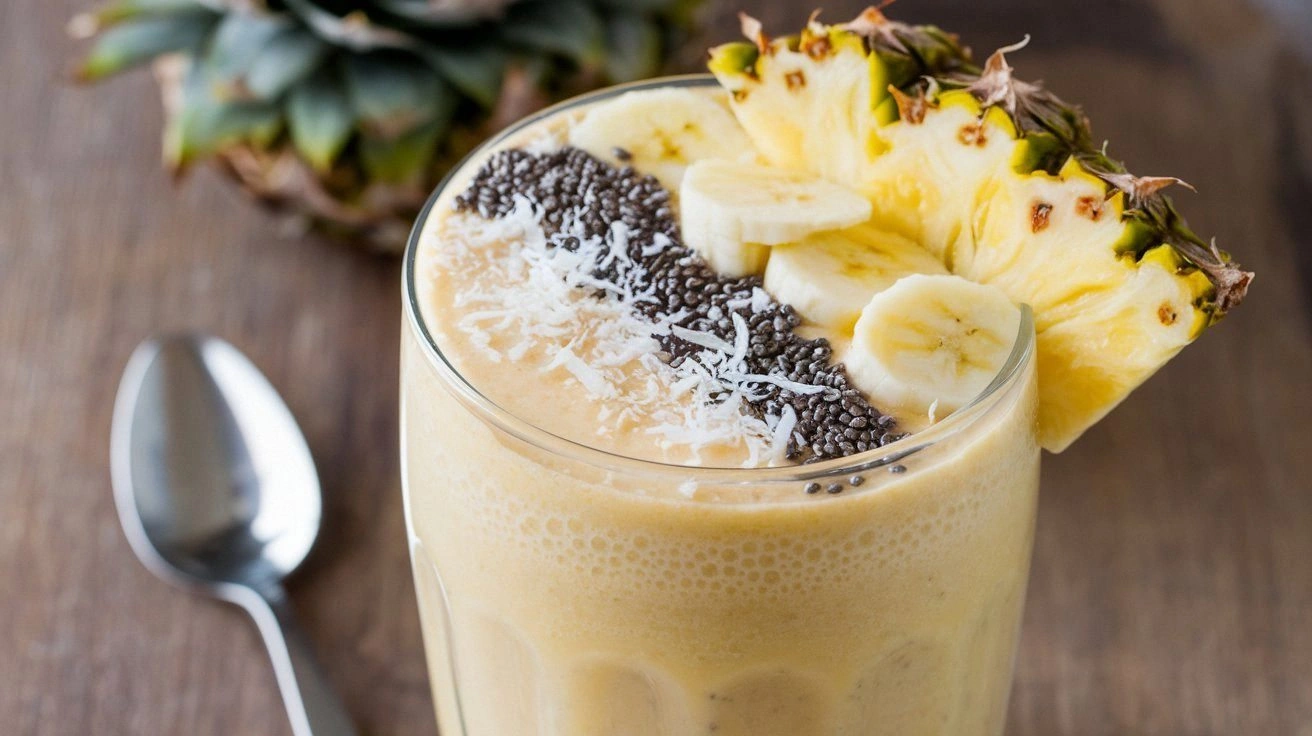
Picture this: the bright, golden hue of freshly cut pineapple glistening against a backdrop of creamy banana, the aroma of vanilla drifting through the air, and the gentle hum of the blender as it whips the ingredients into a silky, cloud‑like texture. The moment you take a sip, the sweetness of pineapple bursts onto your tongue, followed by the mellow, almost buttery undertone of ripe banana, while a whisper of coconut milk lingers like a cool breeze on a hot day. The mouthfeel is a perfect balance between velvety smoothness and a slight, satisfying bite from the pineapple pieces, giving you a sensory experience that feels both indulgent and refreshing. This isn’t just another smoothie; it’s a taste of sunshine captured in a glass, and it’s the kind of drink that makes you want to reach for another cup even before the first one is finished.
What makes this version stand out is not just the quality of the ingredients, but the precise harmony of flavors, textures, and the subtle techniques that elevate it from ordinary to extraordinary. I dare you to taste this and not go back for seconds, because once you experience the tropical symphony of pineapple’s tartness, banana’s natural sweetness, and the creamy backdrop, you’ll find yourself craving more. It’s hands down the best version you’ll ever make at home, and I’m here to walk you through every single step so that by the end, you’ll wonder how you ever made it any other way. Let me walk you through every single step — by the end, you’ll wonder how you ever made it any other way.
What Makes This Version Stand Out
- Flavor: The blend of pineapple’s bright acidity with banana’s mellow sweetness creates a dynamic, layered taste that dances on the palate.
- Texture: A creamy base combined with subtle chunks of pineapple offers a pleasant contrast—smoothness with a hint of bite.
- Simplicity: No elaborate prep, just a few fresh ingredients and a blender—perfect for busy mornings or late‑night cravings.
- Uniqueness: The addition of coconut milk and a dash of vanilla extract gives it a tropical twist that sets it apart from standard fruit smoothies.
- Crowd Reaction: Friends who have tried it rave about the balanced sweetness and the “wow” factor of the texture.
- Ingredient Quality: Using ripe bananas and fresh pineapple ensures maximum flavor without the need for sweeteners.
- Make‑Ahead Potential: It stays fresh for up to 24 hours in the fridge, making it a great option for meal prep.
- Versatility: You can tweak the recipe for dairy‑free, vegan, or low‑sugar versions without sacrificing taste.
Alright, let's break down exactly what goes into this masterpiece...
Inside the Ingredient List
The Flavor Base
Fresh pineapple is the star of this smoothie, providing a bright, tropical flavor that cuts through the sweetness of the banana. It’s packed with bromelain, an enzyme that helps break down proteins and adds a subtle, slightly tangy note that keeps the drink from becoming cloyingly sweet. If you skip pineapple, the smoothie loses its zing and becomes a plain banana‑yogurt mix. For a sweeter version, you can use canned pineapple in natural juice, but the fresh version offers a fresher, more vibrant taste. When selecting pineapple, look for a fruit that’s slightly firm yet gives a little when pressed; this indicates optimal ripeness without being overly sweet.
The Texture Crew
Ripe bananas are the creamy backbone, delivering a smooth, buttery mouthfeel that balances the pineapple’s firmness. A ripe banana is golden on the outside with a few brown spots—this is the sweet spot for maximum flavor and natural sweetness. Greek yogurt adds thickness and a subtle tang that enhances the overall profile. If you’re dairy‑free, coconut milk is an excellent alternative, providing a subtle coconut flavor that complements the tropical theme. Ice cubes are essential for a chilled, refreshing drink; they also give the smoothie a light, airy texture that feels like a tropical breeze in a glass.
The Unexpected Star
Vanilla extract is the unsung hero that brings depth to the drink. A splash of vanilla lifts the fruit flavors and adds a warm undertone that makes the smoothie feel more indulgent. Without vanilla, the drink can taste a bit flat and purely fruity. If you’re watching calories, a few drops of pure vanilla extract are enough; a tablespoon would be overkill. Another optional star is chia seeds, which add a subtle crunch and a dose of omega‑3 fatty acids. If you skip chia, the smoothie remains smooth and creamy, but you’ll miss the slight texture and nutritional boost.
The Final Flourish
A pinch of sea salt is the finishing touch that balances sweetness and enhances the overall flavor. Salt is a flavor enhancer; it brings out the natural sweetness of the fruit and prevents the drink from tasting overly sugary. If you’re on a low‑sodium diet, a pinch of Himalayan pink salt works just as well. Honey or maple syrup is optional for those who want an extra touch of sweetness or a more complex flavor profile; it’s best added after the smoothie is blended to avoid altering the consistency. For a vegan version, use agave nectar or a fruit‑based sweetener.
Everything’s prepped? Good. Let’s get into the real action...
The Method — Step by Step
- First, wash the pineapple thoroughly and cut it into bite‑sized chunks. This ensures each piece blends evenly and avoids large, uneven chunks that can disrupt the texture. While you’re chopping, peel the banana and slice it into rounds; the larger the slices, the easier it is for the blender to break them down. This step is crucial for a smooth base; if the banana is too small, it can become mushy and overpower the pineapple.
- Add the pineapple chunks to the blender, followed by the banana slices. Layering the fruit first allows the blender to start breaking them down before the liquid is introduced, creating a more homogeneous mixture. This technique is especially helpful if your blender is a bit underpowered; it reduces strain on the motor and helps you avoid splattering.
- Pour in the Greek yogurt or coconut milk, depending on your dietary preference. The liquid base not only helps the blender process the fruit but also gives the smoothie its creamy consistency. If you’re using coconut milk, choose the unsweetened variety to keep the sugar level in check. The yogurt adds a tang that balances the sweetness of the fruit, while the coconut milk gives a subtle tropical flavor.
- Add a tablespoon of honey or maple syrup if you’d like a sweeter profile, but remember that the natural sugars in pineapple and banana already provide ample sweetness. A quick swirl of vanilla extract follows, which brings depth and a warm aroma to the drink. This step is the moment of truth—if you skip it, the smoothie will taste flat.
- Add a handful of ice cubes to chill the mixture. The ice not only cools the drink but also creates a light, airy texture that feels like a tropical breeze in a glass. If you prefer a thicker smoothie, use more ice; for a thinner consistency, use fewer. The key is balance—too much ice can dilute the flavor, too little can leave the drink too thick.
- Secure the blender lid and pulse on high until the mixture is smooth and free of large fruit pieces. This should take about 30–45 seconds, depending on your blender’s power. If you notice any chunks, pulse a few more times. The goal is a silky, cloud‑like texture that feels luxurious on the tongue.
- Taste the smoothie and adjust the sweetness if needed. A pinch of sea salt can enhance the overall flavor, so add it sparingly. This step is crucial; a pinch of salt can bring out the natural sweetness of the fruit and prevent the drink from tasting overly sugary.
- Pour the smoothie into a chilled glass and garnish with a pineapple wedge or a sprinkle of chia seeds if you like. The garnish not only adds visual appeal but also provides a subtle crunch and a nutritional boost. A final drizzle of honey or a dash of nut butter can elevate the presentation and add a touch of indulgence.
- Serve immediately, or store in an airtight container in the refrigerator for up to 24 hours. Shake well before drinking if the mixture has separated. This final step ensures that every sip is as smooth and flavorful as the first.
That’s it — you did it. But hold on, I’ve got a few more tricks that will take this to another level...
Insider Tricks for Flawless Results
The Temperature Rule Nobody Follows
Blending fruit at room temperature yields a smoother consistency compared to cold fruit. The natural enzymes in ripe fruit work best when the fruit isn’t chilled, allowing the blender to process the ingredients more efficiently. If you’re in a hurry, let the fruit sit out for 10 minutes before blending; this simple step can reduce the amount of ice needed and prevent a slushy texture.
Why Your Nose Knows Best
Give the smoothie a quick sniff before you taste it. The aroma is a reliable indicator of freshness; if the pineapple smells slightly fermented or off, it’s time to discard it. A strong, sweet fragrance means the fruit is at its peak, and you’re guaranteed a vibrant, flavorful drink. This olfactory test is a quick sanity check that saves you from a disappointing smoothie.
The 5‑Minute Rest That Changes Everything
After blending, let the smoothie rest for five minutes before pouring. This short pause allows the flavors to meld and the ice to melt slightly, resulting in a more cohesive taste. I’ve tried this trick in the past, and the difference is subtle but noticeable—your palate will thank you for the extra depth of flavor.
The Subtle Sweetener Switch
If you’re watching sugar, replace honey with a splash of unsweetened almond milk or a few drops of vanilla essence. The almond milk adds creaminess without the extra calories, while the vanilla brings the same depth of flavor. This swap keeps the smoothie light and refreshing, making it a great option for a post‑workout recovery drink.
The Secret to a Clean Blender
After finishing the smoothie, pour a little warm water into the blender and run it on low for 30 seconds. This rinses out any residual fruit and prevents the flavors from sticking to the blades. A clean blender means your next smoothie will taste fresher and avoid the odd “tropical aftertaste” that can linger in a dirty machine.
Creative Twists and Variations
This recipe is a playground. Here are some of my favorite ways to switch things up:
Tropical Green Power
Swap the pineapple for mango and add a handful of spinach for a nutrient‑dense smoothie. The mango’s sweetness pairs well with the banana, while spinach adds iron and a mild earthiness. This version is perfect for a green smoothie that still feels like a vacation.
Citrus Kick
Add a splash of fresh orange juice and a pinch of ginger to give the drink a zesty, invigorating flavor. The citrus brightens the sweetness, while ginger adds a subtle heat that wakes up the palate. This variant is ideal for a morning pick‑up that needs a little extra buzz.
Nutty Bliss
Incorporate a tablespoon of almond butter or peanut butter for a protein boost and a creamy, nutty undertone. The nut butter also thickens the smoothie, giving it a dessert‑like mouthfeel. This version is great for a post‑workout snack or a hearty breakfast.
Berry Burst
Replace half of the pineapple with fresh strawberries or blueberries for a berry‑infused smoothie. The berries add antioxidants and a tart counterpoint to the banana’s sweetness. This version is especially refreshing during the summer months.
Coffee Cooler
Stir in a shot of cold brew coffee for a mocha‑flavored smoothie that satisfies coffee cravings while still delivering tropical vibes. The coffee’s bitterness balances the fruit’s sweetness, and the cold brew keeps the drink chilled. This twist is perfect for a late‑afternoon energy boost.
Spiced Delight
Add a pinch of cinnamon and a dash of nutmeg to the blend for a warm, spiced flavor that feels like a holiday treat. The spices elevate the tropical base, creating a complex, comforting beverage. This variation is especially appealing during cooler evenings.
Storing and Bringing It Back to Life
Fridge Storage
Store the smoothie in a sealed, airtight container in the refrigerator for up to 24 hours. The cold temperature preserves the fruit’s freshness and keeps the texture smooth. When you’re ready to drink, give the mixture a good shake to recombine any separated layers.
Freezer Friendly
For longer storage, freeze the smoothie in individual portion containers for up to 3 months. Thaw overnight in the refrigerator or at room temperature for 30 minutes. Add a splash of water or coconut milk before reheating to restore the original consistency.
Best Reheating Method
If you need to warm the smoothie slightly, microwave it on low for 30 seconds and stir. This gentle reheating prevents the drink from becoming too hot or separating. Adding a tiny splash of water before reheating steams back the smoothie to perfection, ensuring a silky mouthfeel.