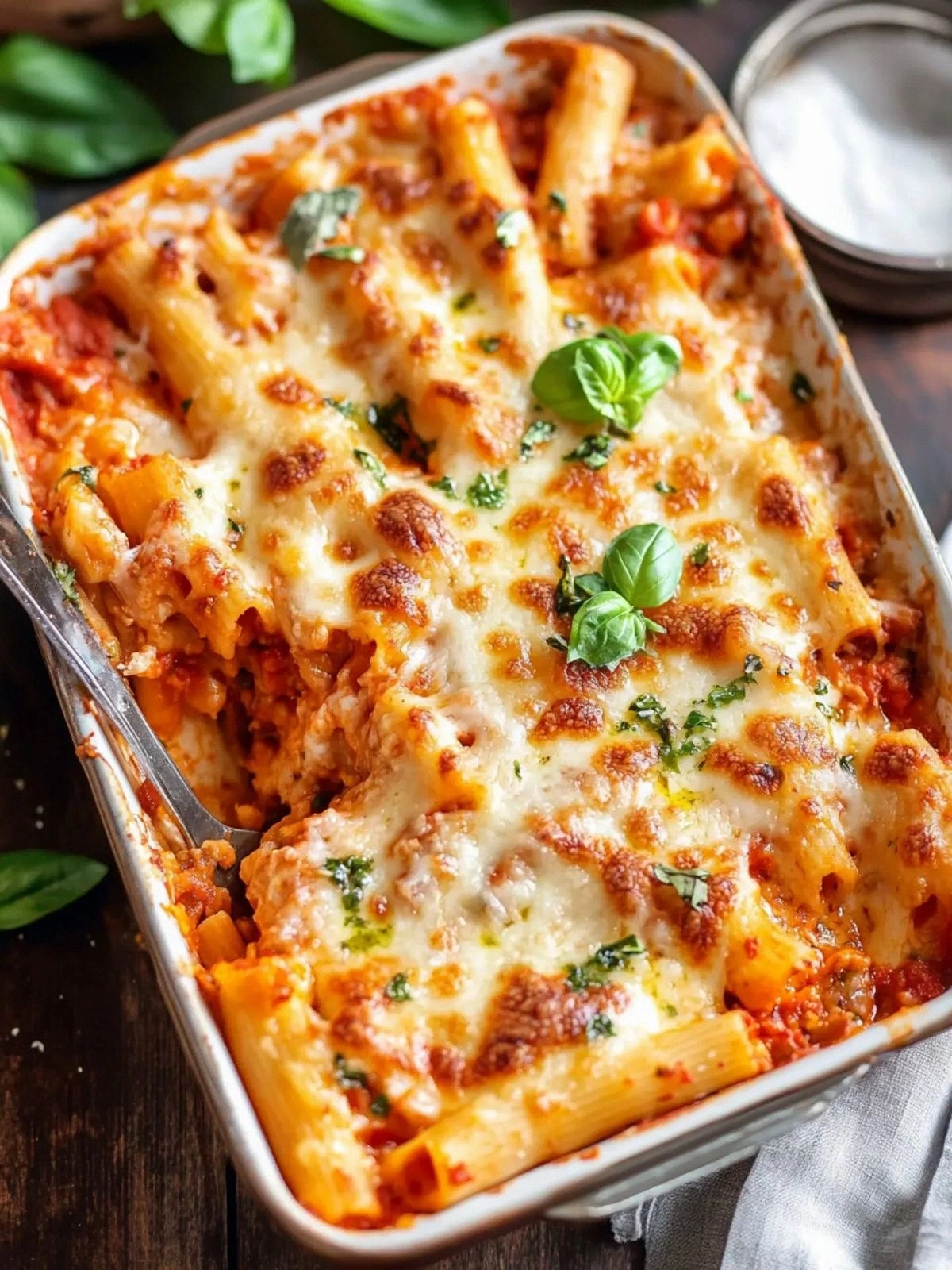
Picture this: I’m standing in my kitchen, a stack of pasta sheets and a jar of tomato sauce staring back at me, feeling like a culinary novice who just discovered a secret weapon. The previous night’s dinner experiment—an attempt at lasagna that ended up with a soggy, flavorless disaster—still haunts me. I’ve spent the last week obsessing over how to turn a humble plate of ziti into a show‑stopper, and the result is a dish that practically sings in your mouth. This isn’t just another pasta recipe; it’s a carefully orchestrated symphony of creamy ricotta, smoky sausage, and a sauce that coats each strand like velvet.
The first bite is a revelation: the ricotta’s airy texture melts into a silky sauce, while the Italian sausage delivers a savory punch that lingers on the palate. The crushed tomatoes, sweetened just enough with a teaspoon of white sugar, balance the acidity and give the dish a glossy finish. The mozzarella’s golden, bubbly top forms a crispy edge that shatters like thin ice when you cut into it, revealing a molten center that oozes with flavor. The final flourish of freshly grated parmesan and a scattering of parsley or basil adds a bright, herbaceous note that lifts the entire plate. Every component has been chosen to create layers of texture and taste that keep you coming back for more.
I dare you to taste this and not go back for seconds. The secret lies not just in the ingredients but in the method—how the sauce is coaxed to thicken, how the pasta is pre‑cooked to retain its bite, and how the cheese blend is layered to achieve that perfect gooeyness. Most recipes get this completely wrong, either by over‑cooking the pasta or under‑seasoning the sauce. Here’s what actually works: a balance of creamy, salty, and slightly sweet flavors, a sauce that’s thick enough to cling yet light enough to breathe, and a final bake that creates a golden crust without burning the cheese.
If you've ever struggled with a baked pasta that turns out dry or too soggy, you're not alone—and I've got the fix. The technique I’ll share today will elevate your comfort food game to a whole new level, making this dish hands down the best version you'll ever make at home. Picture yourself pulling this out of the oven, the whole kitchen smelling incredible, and friends gathering around the table, eager for that first bite. Stay with me here—this is worth it.
What Makes This Version Stand Out
- Richness: The combination of heavy cream and ricotta creates a sauce that’s luxuriously thick without being cloying. The creamy base balances the acidity of the tomatoes, resulting in a harmonious flavor profile.
- Depth: Italian sausage adds a smoky, savory depth that elevates the dish beyond a simple pasta bake. The sausage’s natural fat content melts into the sauce, enhancing mouthfeel.
- Texture: The ziti is cooked al dente before baking, ensuring each bite retains a firm chew. The mozzarella layer develops a golden, slightly crisp top that contrasts beautifully with the tender pasta below.
- Flavor Layering: A splash of white sugar tempers the tomato’s acidity, while crushed red pepper flakes introduce a subtle heat. The final sprinkle of parmesan adds a nutty finish.
- Ease: The recipe requires minimal prep time—no advanced techniques or specialized equipment. You can have a full‑meal ready in under an hour.
- Make‑ahead Friendly: Assemble the dish the night before and bake it just before serving. The flavors meld, making it even more delicious.
- Family‑Friendly: Kids love the gooey cheese, while adults appreciate the complex sauce. It’s a crowd‑pleaser for any gathering.
Alright, let's break down exactly what goes into this masterpiece...
Inside the Ingredient List
The Flavor Base
The crushed tomatoes form the foundation of the sauce. They provide acidity that cuts through the richness of the cream and ricotta. If you skip them, the dish loses its bright, tomatoey character, becoming a heavy, one‑dimensional pasta. For a smoother sauce, choose a low‑sodium, no‑salt‑added variety, and let the sugar balance the flavor.
The Texture Crew
Ziti or penne pasta is the star of the texture lineup. It’s sturdy enough to hold the sauce without becoming mushy, yet tender enough to be enjoyable. Cooking the pasta just to al dente before baking preserves its bite, preventing the final dish from turning into a soggy mess. If you prefer a different shape, fusilli or rigatoni work well, but the cooking time may need a slight adjustment.
The Unexpected Star
Ricotta cheese is the unexpected hero that brings a subtle, airy quality to the sauce. It melts into the tomato‑cream mixture, creating a silky texture that coats each noodle. Skipping ricotta would result in a denser, less luxurious sauce. If you’re lactose intolerant, try a plant‑based ricotta alternative, but keep the consistency in mind.
The Final Flourish
Mozzarella and parmesan cheeses create a golden, bubbly top that adds both flavor and visual appeal. The mozzarella melts into a gooey layer, while the parmesan adds a nutty, salty finish. If you’re looking for a sharper taste, increase the parmesan by a quarter cup. The fresh herbs—parsley or basil—add a bright, aromatic note that lifts the entire dish.
Everything's prepped? Good. Let's get into the real action...
The Method — Step by Step
- Bring a large pot of salted water to a rolling boil and add the ziti. Cook until al dente, about 8–10 minutes, then drain and set aside. The pasta should still have a slight bite; it will continue cooking in the oven. Toss the drained pasta with a splash of olive oil to keep the strands from sticking together.
- While the pasta cooks, heat a large skillet over medium heat and add the Italian sausage. Break it up with a wooden spoon, letting it brown and render its fat. This step releases aromatic oils that infuse the entire dish with savory depth. Once the sausage is fully cooked, remove it from the skillet and set aside.
- In the same skillet, sauté the chopped onion and minced garlic until translucent and fragrant, about 3–4 minutes. The onions should soften without browning, preserving a sweet, clean flavor. Add the crushed Italian seasoning and red pepper flakes, stirring to combine. This creates a fragrant base that will carry through to the final bake.
- Pour in the crushed tomatoes and stir in the sugar, salt, and pepper. Bring the mixture to a gentle simmer, allowing the flavors to marry for about 5 minutes. The sauce should thicken slightly and develop a glossy sheen. Taste and adjust seasoning if needed—remember, the cheese will add saltiness later.
- Fold the cooked sausage back into the skillet, then stir in the pre‑mixed cream and ricotta blend. The sauce will become luxuriously thick, coating the pasta strands. Let the mixture simmer for another 3–4 minutes, ensuring the flavors are fully integrated. Be careful not to let it boil; you want a gentle, even coating.
- Transfer the entire sauce and pasta mixture to a greased 9×13 inch baking dish. Spread it evenly, ensuring each noodle is coated. This step is crucial for a uniform bake; uneven layers can lead to uneven cooking.
- Sprinkle the shredded mozzarella and grated parmesan over the top. The mozzarella will melt into a gooey, golden layer, while the parmesan adds a crisp, nutty crust. The cheese blend should be generous—aim for at least 1 cup total—to create that desirable, bubbly finish.
- Bake in a preheated 375°F (190°C) oven for 20–25 minutes, or until the cheese is bubbly and the edges are lightly browned. The sauce should be heated through, and the pasta should be perfectly tender. Let the dish rest for 5 minutes before serving to allow the flavors to settle.
- Garnish with chopped fresh parsley or basil before serving. This final touch adds a burst of color and a fresh, herbaceous note that balances the richness. Plate the baked ziti in individual bowls or a large serving dish, and enjoy the comforting aroma that fills the kitchen.
That's it — you did it. But hold on, I've got a few more tricks that'll take this to another level...
Insider Tricks for Flawless Results
The Temperature Rule Nobody Follows
Many cooks over‑cook the pasta before baking, resulting in mushy noodles. The trick is to cook the pasta just until it’s al dente, then let the heat of the sauce finish the job. I’ve found that a 375°F oven is ideal for a gentle, even bake that preserves texture. If you’re using a different oven, adjust by 10–15°F to compensate.
Why Your Nose Knows Best
Smell the sauce as it simmers. A fragrant, tomato‑cream blend that smells buttery and slightly sweet indicates the sugar is balancing acidity. If the aroma feels flat, let it cook a bit longer or add a pinch of extra sugar. Your nose is a reliable gauge for flavor development.
The 5‑Minute Rest That Changes Everything
After you remove the dish from the oven, let it sit for 5 minutes. This rest period allows the cheese to set, making it easier to cut clean slices. It also lets the sauce thicken slightly, improving mouthfeel. Skipping this step often leads to a runny, uneven bite.
Keep the Pasta Moist
If you’re baking a large batch, add a splash of pasta water to the sauce before pouring it into the baking dish. The starchy water helps the sauce cling to the noodles, preventing them from drying out. Just a tablespoon or two is enough; you don’t want to make it too watery.
Cheese Ratios Matter
Using too little mozzarella can result in a dry top, while too much can make the dish greasy. Aim for a 2:1 ratio of mozzarella to parmesan for a balanced, gooey texture. If you prefer a sharper flavor, increase the parmesan slightly, but keep the mozzarella dominant.
Creative Twists and Variations
This recipe is a playground. Here are some of my favorite ways to switch things up:
Spinach & Feta Edition
Sauté fresh spinach until wilted, then fold it into the sauce. Replace the ricotta with crumbled feta for a tangy, Mediterranean twist. The spinach adds a pop of color and a subtle earthiness that pairs beautifully with the sausage.
Vegan Delight
Use a plant‑based sausage and vegan mozzarella. Substitute ricotta with a cashew‑based cream cheese blend, whisked with a splash of oat milk. The result is a creamy, dairy‑free version that still delivers that comforting, cheesy goodness.
Spicy Cajun Kick
Add a tablespoon of Cajun seasoning to the sausage before browning. Replace the crushed red pepper flakes with a dash of hot sauce for an extra punch. This variation transforms the dish into a bold, Southern‑inspired comfort meal.
Greek Yogurt Swirl
Stir in a dollop of Greek yogurt after the sauce has simmered. The yogurt adds a creamy texture and a slight tang that balances the richness. Top with a sprinkle of oregano for an authentic Greek flavor profile.
Smoked Gouda Twist
Swap the mozzarella for smoked gouda, which melts into a silky, smoky layer. Add a handful of chopped sun‑dried tomatoes for a burst of umami. This variation gives the dish a sophisticated, gourmet edge.
Breakfast‑Style Ziti
Replace the Italian sausage with crumbled breakfast sausage and add a handful of chopped spinach. Fold in a beaten egg before baking to create a frittata‑like texture. Serve with a side of fresh fruit for a hearty breakfast or brunch.
Storing and Bringing It Back to Life
Fridge Storage
Cool the baked ziti completely before refrigerating. Store in an airtight container for up to 3 days. The sauce may thicken slightly, so add a splash of milk or cream when reheating to restore its silky texture.
Freezer Friendly
Pack the dish in a freezer‑safe container or zip‑lock bag, removing as much air as possible. Freeze for up to 2 months. When ready to eat, thaw overnight in the refrigerator and reheat in a preheated oven at 350°F (175°C) for 20 minutes.
Best Reheating Method
Reheat the dish in a covered skillet over medium heat, stirring occasionally. Add a splash of water or broth to create steam, which helps the sauce return to its original consistency. Finish with a sprinkle of fresh herbs for a fresh, vibrant flavor.