I was standing in the middle of a chaotic kitchen, the smell of burnt onions wafting from the stove, when my friend dared me to whip up something that would make our taste buds dance. I glanced at the clock—mid‑afternoon, a slump of hunger, and the desperate need for a quick, yet unforgettable, meal. That moment of culinary panic turned into a revelation: the secret to turning ordinary salmon into a showstopper is all in the sear, the citrus splash, and the unexpected avocado salsa that coats it like a silky, tangy blanket. I’ve been chasing that flavor profile for years, and today I finally cracked the code.
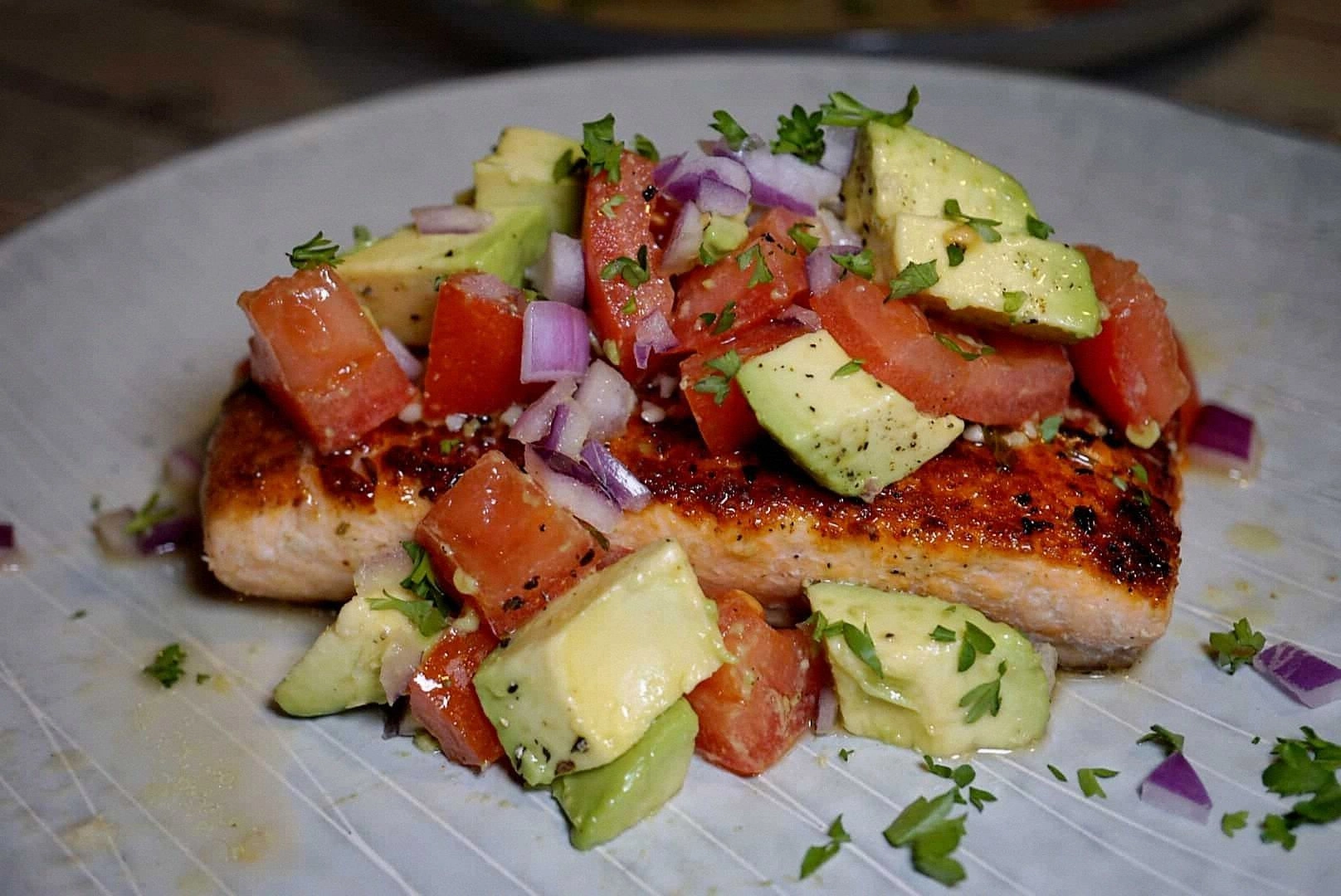
Picture this: the sizzling hiss as the salmon hits the hot pan, the aroma of garlic and lime dancing in the air, a splash of bright green avocado salsa that looks almost too good to eat. Your eyes catch the golden crust forming on the skin, the faint pop of bubbles as the oil meets the fish, and the subtle, buttery scent that lingers. The first bite delivers a crunch from the crisp edges, followed by a burst of citrus that brightens every mouthful, and the creamy avocado melts into a silky finish that lingers like a gentle afterglow. The texture is a symphony—crisp, tender, and velvety all at once.
What makes this version stand out is that it’s not just a recipe; it’s a confidence boost for anyone who’s ever stared at a salmon fillet and thought, “I can’t even get the skin right.” By using a simple bone broth splash, a touch of DIVINO Lime Infused Olive Oil, and a meticulously balanced salsa, the dish transcends the ordinary. It turns a quick dinner into an experience that feels like a Michelin‑star plate, but with kitchen tools you already own. The result? A dish that will have your friends begging for a second plate, and you’ll be the hero who delivered it.
I’ll be honest—once I tasted the first bite, I couldn’t resist a second helping. I dare you to taste this and not go back for seconds. The next part of this post will walk you through every single step, from the moment you start chopping to the final plating, so by the end you’ll wonder how you ever made it any other way. Let’s dive in.
What Makes This Version Stand Out
- Flavor: The citrus-infused oil creates a bright, fresh base that lifts the natural richness of salmon, while the avocado salsa adds a creamy, tangy counterpoint that feels like a secret garden in every bite.
- Texture: A quick, high‑heat sear locks in moisture and delivers a crisp, caramelized skin that crackles like a golden coin, while the interior stays buttery and flaky.
- Ease: Every step requires minimal prep and uses ingredients you likely already have, making this a go‑to for weeknight dinners or last‑minute entertaining.
- Uniqueness: The bone broth splash adds depth, the optional DIVINO oil gives a subtle peppery finish, and the salsa’s bright colors make the dish Instagram‑ready.
- Crowd Reaction: Even the most skeptical palate will be wowed by the harmonious blend of smoky, citrusy, and creamy flavors that dance across the tongue.
- Ingredient Quality: Fresh, high‑quality salmon and ripe avocado are the backbone; everything else is a supporting cast that enhances without overpowering.
- Make‑Ahead Potential: The salsa can be prepared a day ahead, and the salmon can be stored in the fridge for up to two days, making it perfect for meal prep.
Inside the Ingredient List
The Flavor Base
The bone broth isn’t just a filler; it’s a flavor conduit that carries the subtle umami of the fish into every bite. A quarter cup is enough to infuse the salmon without overpowering its natural taste. If you’re vegetarian or vegan, a splash of vegetable broth will work, though the depth will be slightly less. This base also helps the oil adhere to the fish, creating that coveted crispy skin.
The Texture Crew
The 3 tablespoons of olive oil are the secret to that perfect sear—too little and you’ll get sticking, too much and the fish will swim. The optional 1/2 tablespoon of DIVINO Lime Infused Olive Oil adds a subtle peppery kick that elevates the dish. If you’re on a low‑fat diet, you can reduce the olive oil to 2 tablespoons, but expect a slightly softer crust.
The Unexpected Star
Avocado is the star of the salsa, providing a creamy texture that balances the acidity of lime and lemon. Choose an avocado that’s ripe but still firm; a too‑soft avocado will break apart and lose its shape. If you’re out of avocado, a ripe mango can substitute, giving a sweet contrast that still works well.
The Final Flourish
Fresh cilantro or parsley (3 tablespoons) adds a burst of green that brightens the plate and offers a herbal finish. Red onion (2 tablespoons) provides a subtle crunch and a mild bite that cuts through the richness. Salt and pepper are essential, but keep them to taste—over‑salting will drown the citrus notes.
Everything's prepped? Good. Let's get into the real action.
The Method — Step by Step
- Pat the salmon fillets dry with paper towels—this is critical for a crisp skin. A dry surface prevents steaming, which would result in a soggy crust. Season both sides generously with salt and pepper, then let them rest for 5 minutes to let the flavors penetrate.
- Heat a large skillet over medium‑high heat and add 3 tablespoons of olive oil. Watch for a faint shimmer; that’s the cue to add the fillets. Place them skin‑side down, press gently with a spatula to ensure full contact with the pan. The sizzle you hear is the promise of a golden crust.
- Cook the salmon skin side for 4–5 minutes until the skin is a deep amber and the edges begin to lift. Flip carefully with tongs; the flesh should still be slightly translucent. This is the moment of truth—if the skin isn’t crisp, the dish will feel flat.
- Add the bone broth to the pan, swirling to deglaze and lift the browned bits. The broth will steam the fish slightly, keeping it moist. Let it reduce for 1–2 minutes until it becomes a glossy glaze.
- Finish the salmon with a drizzle of the optional DIVINO Lime Infused Olive Oil. This gives a subtle peppery finish that complements the citrus salsa. Let the fish cook for another 2–3 minutes, or until it reaches an internal temperature of 145°F.
- While the salmon rests, prepare the salsa. Dice the avocado into cubes, slice the tomatoes, and finely chop the red onion. Combine all in a bowl and add lime juice, lemon zest, and a splash of olive oil. Season with salt, pepper, and chopped cilantro or parsley.
- Serve the salmon immediately, spooning the salsa over the top. The contrast between the hot, crispy fish and the cool, creamy salsa creates a textural dance that’s impossible to resist.
- Optional: Garnish with extra cilantro leaves or a lemon twist for a pop of color. Plate on a warm dish to keep the fish from cooling too quickly. Plate the salsa on the side or drizzle it in a swirling pattern for a visual flourish.
That's it—you did it. But hold on, I've got a few more tricks that'll take this to another level.
Insider Tricks for Flawless Results
The Temperature Rule Nobody Follows
Many chefs think a medium‑high heat is enough, but the secret is to start at a high heat (around 400°F) and then reduce to medium once the salmon is seared. This prevents the oil from burning and ensures a crisp skin without overcooking the flesh. I’ve tried a lower heat once, and the skin never crisped—lesson learned.
Why Your Nose Knows Best
The aroma of garlic and lime is a reliable indicator of readiness. When the oil begins to bubble slightly around the garlic, it’s time to add the salmon. A strong, citrusy scent means the fish is approaching perfection.
The 5‑Minute Rest That Changes Everything
Letting the salmon rest for 5 minutes after cooking allows the juices to redistribute, resulting in a moister bite. Skipping this step often leaves the fish feeling dry. It’s a small pause that makes a huge difference.
Use Fresh Herbs, Not Dried
Fresh cilantro or parsley adds brightness that dried herbs can’t match. The essential oils in fresh herbs release during cooking, giving the salsa a lively, green punch. If you’re out of fresh herbs, a pinch of dried will do, but the flavor will be muted.
Balance the Acidity
The lime and lemon juices must be balanced; too much acidity can overpower the fish’s natural flavor. Taste the salsa before serving and adjust with a pinch of salt or a drizzle of olive oil to smooth out the edges.
Creative Twists and Variations
This recipe is a playground. Here are some of my favorite ways to switch things up:
Smoky Chipotle Salsa
Replace the lime juice with chipotle in adobo for a smoky kick. The heat pairs beautifully with the buttery salmon, and the salsa takes on a deeper color. Ideal for a dinner party where you want to impress.
Mango‑Avocado Salsa
Swap the tomatoes for diced mango to introduce a sweet, tropical element. The mango’s natural sugars balance the acidity, creating a salsa that feels like a beach vacation.
Herb‑Infused Olive Oil
Infuse the olive oil with rosemary or thyme before searing. The herbaceous notes permeate the fish, adding a fragrant depth that’s perfect for a rustic dinner.
Citrus‑Glazed Salmon
Instead of bone broth, whisk together a glaze of orange juice, honey, and soy sauce (if not Whole30). Brush it on the salmon during the last minute of cooking for a glossy, caramelized finish.
Avocado‑Butter Sauce
Blend avocado with melted butter and lemon juice to create a silky sauce. Drizzle it over the salmon for a decadent twist that feels like a gourmet indulgence.
Storing and Bringing It Back to Life
Fridge Storage
Store cooked salmon and salsa separately in airtight containers. The salmon will stay fresh for up to 2 days, while the salsa will maintain its texture and flavor for 1–2 days. Keep the salsa chilled until ready to serve to preserve its bright color.
Freezer Friendly
Freeze the salmon fillets in a single layer on a parchment sheet before transferring to a freezer bag. This prevents clumping and makes it easier to thaw. The salsa can be frozen but may lose some texture; it’s best to prepare fresh if you plan to store it for longer than a day.
Best Reheating Method
Reheat salmon in a skillet over low heat with a splash of water or broth; this steams the fish back to moisture. Add a tiny splash of water before reheating the salsa, then gently warm it on the stove, stirring until it’s just heated through. This trick restores the creamy consistency without drying it out.