Picture this: it's 11:47 p.m. on a random Tuesday, I'm standing in my kitchen wearing mismatched socks and an apron with more stains than my toddler's art table, and I'm holding an empty pot. Not just any pot, mind you — this is the pot that just moments ago contained what was supposed to be dinner for four. Instead, my husband found me hunched over the counter, fork in hand, sheepishly admitting that I'd accidentally eaten three-quarters of the lobster mac and cheese while "tasting for seasoning." This, my friends, is the power of the recipe I'm about to unleash on you. It's not just dinner — it's a full-blown obsession wrapped in cheese and studded with sweet, buttery lobster that will make you question every life choice that led you to eat any other mac and cheese before this moment.
I've made lobster mac and cheese every conceivable way over the past decade. I've tried the fancy restaurant versions that cost more than a car payment, the boxed stuff that tastes like disappointment, and every internet recipe claiming to be "the best." Most of them get it wrong. They either murder the lobster into rubbery submission, create a grainy sauce that separates like a bad relationship, or worse — they make it so complicated that you need a culinary degree and three days off work to execute it. The version I'm sharing today came from a happy accident when I ran out of regular milk and had to improvise with what I had on hand. What emerged from that culinary chaos was a sauce so silky it could make a grown adult weep, with lobster so perfectly tender it tastes like it was kissed by the ocean itself and blessed by Poseidon.
But here's the real kicker — this isn't just about throwing expensive seafood into pasta and calling it gourmet. This is about understanding the alchemy that happens when you treat each component with the respect it deserves. The pasta isn't just cooked; it's bathed in seasoned water until it tastes like the sea. The cheese isn't just melted; it's transformed into a liquid gold that coats every nook and cranny like liquid velvet. And the lobster? Oh, the lobster is handled with such care that it stays sweet, tender, and absolutely magnificent. I dare you to taste this and not go back for seconds. Actually, I double-dog dare you, because I know you're going to lose that bet spectacularly.
Let me walk you through every single step — by the end, you'll wonder how you ever made it any other way.
What Makes This Version Stand Out
Taste Explosion: This isn't your average mac and cheese that's content to sit in the background of your meal. This version demands center stage with a flavor profile that hits every note — the sweet brininess of perfectly cooked lobster, the sharp tang of aged cheddar, the nutty complexity of Gruyère, and a whisper of nutmeg that makes everything sing in harmony. Each forkful is like a symphony where every instrument gets a solo but somehow still plays beautifully together.
Texture Perfection: Most mac and cheese falls into two tragic categories: soupy disappointment or dry, pasty sadness. This recipe creates what I call the "Goldilocks zone" — a sauce that coats each pasta tube like liquid velvet, with crispy, golden edges that shatter like thin ice when you dig in. The top forms a crunchy cheese crust while the inside stays molten and creamy, creating a textural contrast that will make your taste buds do a happy dance.
Weeknight Simple: Despite tasting like it came from a Michelin-starred restaurant, this entire dish comes together in under 45 minutes with ingredients you can find at any decent grocery store. No need for fancy equipment, no need to make a separate béchamel base, no need to stand over the stove for hours stirring like you're auditioning for a cooking show. I've streamlined every step without sacrificing an ounce of flavor.
The Lobster Difference: Here's where most recipes fail spectacularly — they either cook the lobster to death or add it raw to the dish where it becomes rubbery and sad. My method involves a quick butter-poach that keeps the lobster tender and sweet, then folding it in at the very end so it warms through without overcooking. The result? Lobster that tastes like it was just pulled from the ocean and gently coaxed into pasta perfection.
Crowd Psychology: I've served this at dinner parties, potlucks, family gatherings, and once (don't judge) at a funeral reception where it literally stopped people mid-condolence. There's something about the combination of nostalgic comfort food and luxury ingredients that makes people lose their minds. I've seen grown adults fight over the crispy corner pieces, and I'm not ashamed to admit I've hidden leftovers from my own family.
Make-Ahead Magic: Unlike most mac and cheese recipes that turn into a dry, congealed mess if you try to make them ahead, this version actually improves overnight. The flavors meld and deepen, and a quick reheat with a splash of cream brings it back to its former glory. I've been known to make a double batch on Sunday and portion it out for the week, though it rarely lasts more than two days before someone discovers my stash.
Ingredient Quality Flexibility: While I recommend using the best ingredients you can afford, this recipe is surprisingly forgiving. Can't find fresh lobster? Quality frozen works beautifully. Gruyère too pricey? A good Swiss cheese will do the trick. The technique matters more than the specific brands, which means you can adapt it to your budget without sacrificing the soul of the dish.
Alright, let's break down exactly what goes into this masterpiece...
Inside the Ingredient List
The Flavor Base
Let's start with the foundation that makes everything else possible. The pasta isn't just any pasta — you want cavatappi or cellentani, those spiral tubes that look like tiny Italian corkscrews. Their ridges and hollow centers are like little flavor catchers, grabbing maximum sauce in every bite. I learned this the hard way after using elbows once and watching all the sauce slide off like a kid on a waterslide. The shape matters more than you'd think, and these curly wonders ensure every mouthful is perfectly balanced between pasta, cheese, and lobster.
The butter needs to be good quality European-style butter with higher fat content. I know, I know — butter is butter, right? Wrong! The European stuff has less water and more fat, which means your sauce will be silkier and more stable. I've used cheap butter and ended up with a separated, greasy mess that looked like it had a bad breakup with itself. Trust me on this one — it's worth the extra dollar or two for butter that actually behaves like butter should.
For the aromatics, we're keeping it simple but strategic. One small shallot, minced so fine it practically dissolves, adds a subtle sweetness that onions can't match. A single clove of garlic, smashed and gently sautéed until just fragrant, provides depth without announcing itself like that one relative who dominates every family gathering. And here's the secret weapon — a whisper of fresh nutmeg. Not the pre-ground stuff that's been sitting in your spice cabinet since the Clinton administration, but fresh-grated nutmeg. It adds a warm, mysterious note that makes people ask "what is that amazing flavor?" without being able to pinpoint it.
The Texture Crew
Now for the stars of the show — the cheeses. We're using a blend of sharp white cheddar and Gruyère, and before you ask, no, you can't just use whatever cheese you have lurking in your fridge. The cheddar provides that classic mac and cheese tang and beautiful melting properties, while the Gruyère adds nutty complexity and that Instagram-worthy cheese pull. I've experimented with everything from fontina to brie, and this combination hits the sweet spot between flavor and function.
The heavy cream and whole milk combination might seem like overkill, but hear me out. All cream makes it too rich, like eating liquid cheese frosting. All milk makes it too thin, like that sad cafeteria mac and cheese from middle school. The 50/50 split gives you the perfect body — thick enough to coat the pasta but not so heavy that you need to unbutton your pants after three bites. I've served this at dinner parties where people went back for thirds, and nobody felt like they needed a nap afterwards.
Here's where we get a little controversial — I use a touch of cream cheese in my sauce. Before you clutch your pearls and declare me a culinary heretic, let me explain. The cream cheese acts like an insurance policy against sauce separation, creating an emulsion so stable it could survive a Category 5 hurricane. It also adds a subtle tang that brightens all the other flavors. Just two ounces, softened and whisked in until it disappears like a magician's assistant. Your sauce will be so smooth, so stable, so luxuriously creamy that you'll wonder why everyone isn't doing this.
The Unexpected Star
The lobster is obviously the diva here, but we're treating it like the precious cargo it is. I use lobster tails rather than whole lobsters because they're easier to work with and you get more meat for your money. Look for tails that are firm and smell like the ocean, not fishy or ammonia-like. If they're frozen, make sure they're completely thawed before cooking — trying to cook half-frozen lobster is like trying to romance someone who's not that into you. It's just going to end in disappointment and possibly tears.
The real game-changer is how we cook the lobster. Instead of boiling it into submission like most recipes suggest, we're going to gently poach it in butter. Yes, you heard that right — butter-poached lobster. It's exactly as decadent as it sounds. The low, gentle heat cooks the lobster slowly, keeping it tender and infusing it with rich, buttery flavor. I learned this technique from a chef friend who spent years in Maine, and it completely changed my lobster game. The lobster stays sweet, tender, and absolutely melts in your mouth like seafood candy.
But here's what really sets this apart — we season the lobster cooking butter with Old Bay, lemon zest, and a hint of smoked paprika. This isn't just cooking liquid; it's a flavor infusion that makes the lobster taste like it's been vacationing in the Caribbean. The spices complement the sweet lobster meat without overwhelming it, creating a flavor profile that's sophisticated but still approachable. I've had dinner guests try to drink the leftover butter (I had to intervene — it was getting weird).
The Final Flourish
The breadcrumb topping is where we create textural magic. I use panko mixed with a touch of regular breadcrumbs, grated Parmesan, and melted butter. The panko gives you those big, crispy shards that shatter like thin ice when you dig in, while the regular breadcrumbs fill in the gaps and create a more cohesive crust. The Parmesan adds umami depth and helps everything brown to golden perfection. I've watched people pick off the crispy bits like they're harvesting precious gems.
Fresh herbs at the end aren't just for Instagram — they brighten all the rich flavors and add a pop of color that makes the dish look restaurant-worthy. I use a mix of chives and parsley, but tarragon would be amazing if you want to go full fancy. The key is to add them right before serving so they stay vibrant and don't wilt into sad, green specks. A final squeeze of lemon juice wakes everything up and cuts through the richness like a flavor alarm clock.
Everything's prepped? Good. Let's get into the real action...
The Method — Step by Step
- Start by bringing a large pot of well-salted water to a boil — and I mean well-salted. It should taste like the ocean, which is exactly what we want since we're making seafood pasta. Add a bay leaf and a few peppercorns to the water for extra flavor. Once boiling, add your cavatappi and cook it for exactly two minutes less than the package directions suggest. The pasta will finish cooking in the sauce later, and nobody wants mushy noodles that disintegrate faster than my willpower around cheese. Drain the pasta but do not rinse it — that starch helps the sauce cling like plastic wrap on steroids.
- While the pasta cooks, let's butter-poach our lobster. Melt six tablespoons of butter in a medium skillet over medium-low heat. You want it to foam gently but not brown — think of it as giving the lobster a warm butter bath, not a scalding hot tub. Add the lobster meat, a pinch of salt, the Old Bay, and some lemon zest. Let it poach for about five minutes, turning once, until the lobster is just opaque and firm to the touch. Remove with a slotted spoon and set aside, reserving that flavored butter like liquid gold. Your kitchen should smell like a seaside vacation at this point.
- Now for the sauce, which is where the real magic happens. In the same pot you used for pasta (see? fewer dishes!), melt three tablespoons of butter over medium heat. Add the minced shallot and cook until it's translucent and sweet-smelling, about three minutes. Add the garlic and cook for just 30 seconds — any longer and it turns bitter and angry. Whisk in the flour and cook for two minutes, stirring constantly, to create a roux that looks like wet sand and smells slightly nutty. This is your sauce's insurance policy against separation.
- Okay, ready for the game-changer? Slowly whisk in the milk and cream mixture, about a quarter cup at a time, whisking like your life depends on it to prevent lumps. Once all the liquid is incorporated, add the softened cream cheese in small pieces, whisking until it melts completely into the sauce. The sauce should start to thicken and coat the back of a spoon. Add the cheddar and Gruyère a handful at a time, whisking until each addition melts completely before adding the next. The transformation from liquid to liquid gold right before your eyes is pure kitchen alchemy.
- This next part? Pure magic. Add the mustard powder, a whisper of nutmeg, and a generous amount of freshly cracked black pepper. The mustard adds depth and helps the cheese melt smoothly, while the nutmeg provides that mysterious warmth that makes people ask "what is that amazing flavor?" Keep whisking until the sauce is smooth and glossy, like melted Velveeta but with actual flavor. If it seems too thick, add a splash of the reserved pasta water. Too thin? Let it bubble for another minute or two. You're looking for the consistency of warm queso — thick enough to coat the pasta but not so thick it stands up like pudding.
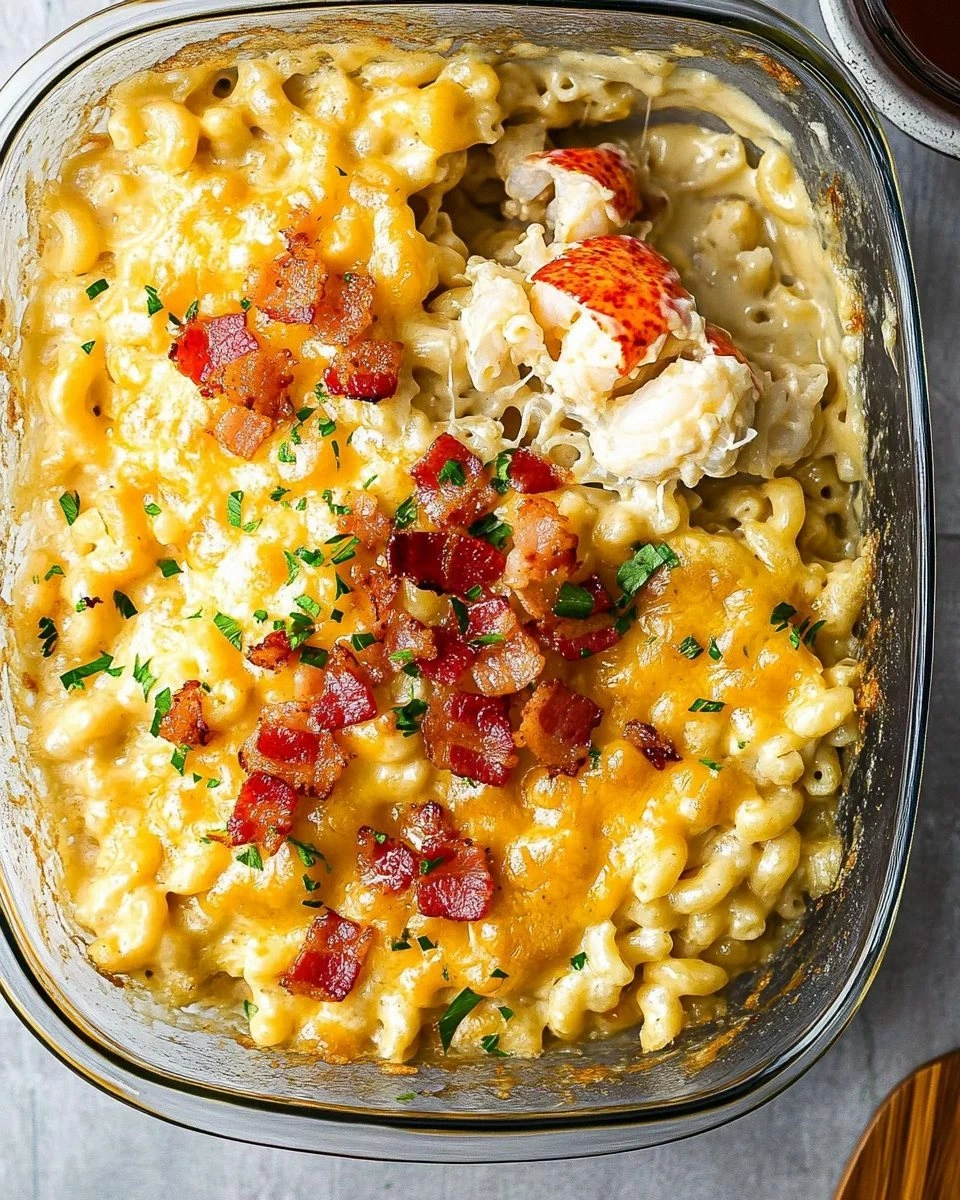
- And now the fun part — combining everything into one glorious, calorie-laden masterpiece. Add the drained pasta to the cheese sauce and stir until every noodle is coated in that golden, velvety goodness. The pasta should look like it's wearing a cheese tuxedo — completely covered but not drowning. Fold in the butter-poached lobster gently, trying not to break up the beautiful chunks. Save some bigger pieces to arrange on top for that Instagram-worthy presentation that'll make your followers weep with envy.
- Preheat your broiler to high and position a rack about six inches from the heat. Transfer the lobster mac and cheese to a buttered baking dish — I like using individual gratin dishes for maximum crispy surface area, but a 9x13 works beautifully for family-style serving. In a small bowl, combine the panko, regular breadcrumbs, Parmesan, and melted butter with a pinch of salt and pepper. Sprinkle this mixture evenly over the top, making sure to get all the way to the edges. Those edge bits where the cheese bubbles up and meets the crispy topping? That's where dreams are made.
- Slide the dish under the broiler and watch it like a hawk — this is not the time to check your phone or start a conversation about politics with your dinner guests. The breadcrumbs should go from pale to golden to perfectly toasted in about three to four minutes. You're looking for deep golden brown spots that signal maximum crunch potential. The cheese around the edges should be bubbling like a jacuzzi, and your kitchen should smell like a cheese factory had a baby with a bakery. That sizzle when it hits the pan? Absolute perfection.
- Stay with me here — this is worth it. Remove from the broiler and let it rest for exactly five minutes. I know, I know, you've been smelling this for the past 45 minutes and now I'm asking you to wait? But trust me, those five minutes let the sauce set up slightly so it's not molten lava hot, and it allows the flavors to meld together into something greater than the sum of their parts. Garnish with fresh herbs, a final crack of black pepper, and maybe a few extra pieces of lobster arranged artfully on top. Serve it up and watch grown adults revert to childhood, fighting over the crispy corners and making involuntary "mmm" sounds with every bite.
That's it — you did it. But hold on, I've got a few more tricks that'll take this to another level...
Insider Tricks for Flawless Results
The Temperature Rule Nobody Follows
Here's the thing that separates restaurant-quality mac and cheese from the sad, separated stuff most people make — temperature control is everything. Cheese doesn't like high heat; it's like that friend who leaves the party when things get too wild. Keep your sauce at a gentle simmer, never a rolling boil, or your beautiful emulsion will break faster than a teenager's curfew. If you see the sauce starting to look grainy or oily around the edges, immediately remove it from heat and whisk in a splash of cold milk. This snaps everything back together like relationship counseling for dairy products.
I learned this lesson the hard way during a dinner party where I got cocky and cranked up the heat to speed things along. The result looked like cottage cheese had a nervous breakdown — all curdled and weeping oil everywhere. My guests were polite about it, but I could see the pity in their eyes as they choked down what looked like cheese barf. Now I treat my sauce like a temperamental houseplant — low, consistent heat and lots of attention.
Why Your Nose Knows Best
Your nose is actually the best kitchen tool you have, and I'm not just saying that because I once set my kitchen thermometer on fire (though I did, and it was spectacular). When your roux is ready, it should smell like toasted nuts and butter, not raw flour. When your garlic is perfectly cooked, it smells sweet and aromatic, not sharp and aggressive. And when your cheese sauce is properly seasoned, it should make you close your eyes and involuntarily say "mmmm" — that's when you know you've nailed it.
A friend tried skipping this step once — let's just say it didn't end well. She served mac and cheese that tasted like raw flour wrapped in plastic, and her dinner guests invented fake emergencies to escape. Now she texts me photos of her roux for approval like it's trying out for American Idol. Trust your nose, people. It's been evolving for millions of years specifically to keep you from eating terrible food.
The 5-Minute Rest That Changes Everything
I know I've already mentioned resting the dish, but this is so important it deserves its own section. Those five minutes after broiling aren't just about avoiding third-degree burns on your tongue (though that's a nice bonus). This rest allows the starch in the sauce to fully hydrate, creating a silkier, more cohesive texture. It's like the difference between a hastily written email and one you've actually proofread — technically the same content, but one is so much better executed.
During this rest, the sauce also thickens slightly as it cools, transitioning from pourable to perfectly spoonable. The breadcrumbs absorb just a touch of moisture, becoming crispy-chewy in the most delightful way. And those edge bits where the cheese met the hot pan? They transform into the coveted "frico" — lacy, crispy cheese crackers that people will fight over like it's the last lifeboat on the Titanic.
Creative Twists and Variations
This recipe is a playground. Here are some of my favorite ways to switch things up:
The Surf and Turf Deluxe
Add some crispy pancetta or bacon to the breadcrumb topping for a smoky contrast to the sweet lobster. Cook the pancetta until it's rendered and crispy, then crumble it into the breadcrumb mixture. The saltiness pairs beautifully with the sweet lobster, and the smoky notes add complexity that makes each bite more interesting than the last. I've served this version at Super Bowl parties where it disappeared faster than the beer.
The Mediterranean Escape
Swap the cheddar for fontina and add some sun-dried tomatoes, fresh basil, and a drizzle of really good olive oil right before serving. Use shrimp instead of lobster if you're feeling budget-conscious, and add some Kalamata olives to the breadcrumb topping. It transports you straight to the Amalfi Coast, even if you're actually eating it in your pajamas while binge-watching reality TV.
The Truffle Shuffle
Add a drizzle of white truffle oil to the finished dish and use truffle salt in the breadcrumb topping. It's over-the-top luxurious and perfect for special occasions when you want to impress someone without trying too hard. Just go easy on the truffle oil — a little goes a long way, and too much makes it taste like you're eating a fancy candle.
The Heat Seeker's Dream
Add some diced jalapeños to the shallot mixture and use pepper jack cheese for half the cheddar. Mix some cayenne into the breadcrumb topping and serve with hot sauce on the side. It's got enough kick to make your nose run but not so much that you can't taste the lobster. Perfect for those nights when you want comfort food with a punch.
The Coastal New England
Add some fresh corn kernels and use a mix of lobster and crab meat. The sweetness of the corn plays beautifully with both shellfish, and it tastes like summer in Maine even in the dead of winter. I make this version when I'm feeling homesick for New England, and it never fails to transport me back to seaside clam shacks and warm summer nights.
The Fancy Pants
Use a mix of lobster and scallops, add some caviar on top, and serve it in individual ramekins for maximum presentation points. This is what you make when you want to propose marriage or apologize for something really, really bad. It's restaurant-level fancy but still comfort food at its core. Just don't tell your guests how easy it actually is — let them think you slaved away for hours.
Storing and Bringing It Back to Life
Fridge Storage
If you somehow manage to have leftovers (and that's a big if), let the dish cool completely before covering it tightly with plastic wrap or transferring to an airtight container. It'll keep for up to four days in the refrigerator, though I guarantee it won't last that long. The key is to cool it quickly — don't let it sit out for hours getting to know bacteria better. I portion mine into individual servings so I can grab and reheat without exposing the whole dish to air and potential contamination every time I want a midnight snack.
Store any extra breadcrumbs separately in a zip-top bag — they'll stay crispy for up to a week, and you can sprinkle them on just about anything for instant texture. I've been known to add them to salads, soups, or just eat them straight from the bag while standing in front of the fridge like a raccoon who's learned to open containers.
Freezer Friendly
This dish freezes beautifully, which is dangerous knowledge because now you can make huge batches and have lobster mac and cheese on demand. Freeze individual portions in freezer-safe containers for up to three months. The texture holds up remarkably well because of the cream cheese in the sauce — it acts like a stabilizer that prevents separation. Thaw overnight in the refrigerator, then reheat gently with a splash of cream or milk to bring it back to its former glory.
Pro tip: freeze it before adding the breadcrumb topping. Make the topping fresh when you're ready to serve, or just skip it entirely if you're feeling lazy. The dish is still incredible without it, though you'll miss those crispy bits that make life worth living.
Best Reheating Method
The microwave works in a pinch, but for best results, reheat in a 350°F oven covered with foil for about 20 minutes, removing the foil for the last five minutes to crisp up the top. Add a splash of cream or milk before reheating to restore the creamy texture. If you're reheating individual portions, a toaster oven works brilliantly and gives you that fresh-from-the-oven experience without heating up your whole kitchen.
For the ultimate revival, add a few fresh pieces of lobster when reheating — it brightens everything up and makes it taste like you just made it. I've also been known to add a fresh sprinkle of cheese on top before reheating, because there's no such thing as too much cheese in my world.