I was standing in my tiny kitchen, staring at a half‑eaten bag of frozen pizza and a fridge that looked like a desert of wilted lettuce. The clock ticked louder than my stomach growls, and my roommate dared me to make something that would actually make us forget about the take‑out menu. I accepted the challenge, grabbed a ribeye that was practically screaming “tender” and a couple of hoagie rolls that had seen better days, and set out to create a Philly cheese steak that could stand up to the legendary street carts of South Philadelphia. That night, the sizzle of steak hitting a scorching pan was louder than any city traffic, and the aroma that rose was a head‑on collision of beefy richness and sweet onion caramelization that made my apartment feel like a downtown deli on a Saturday night.
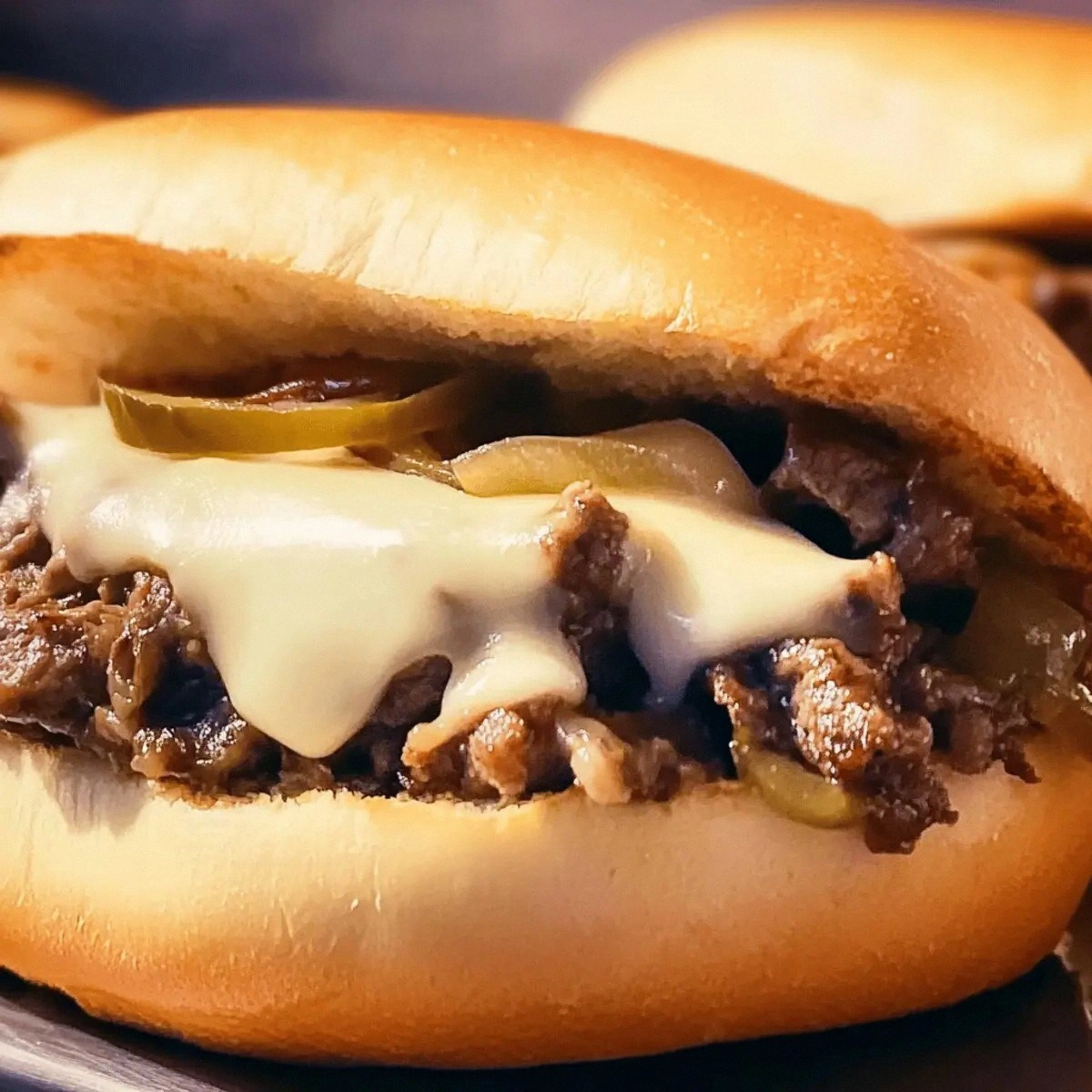
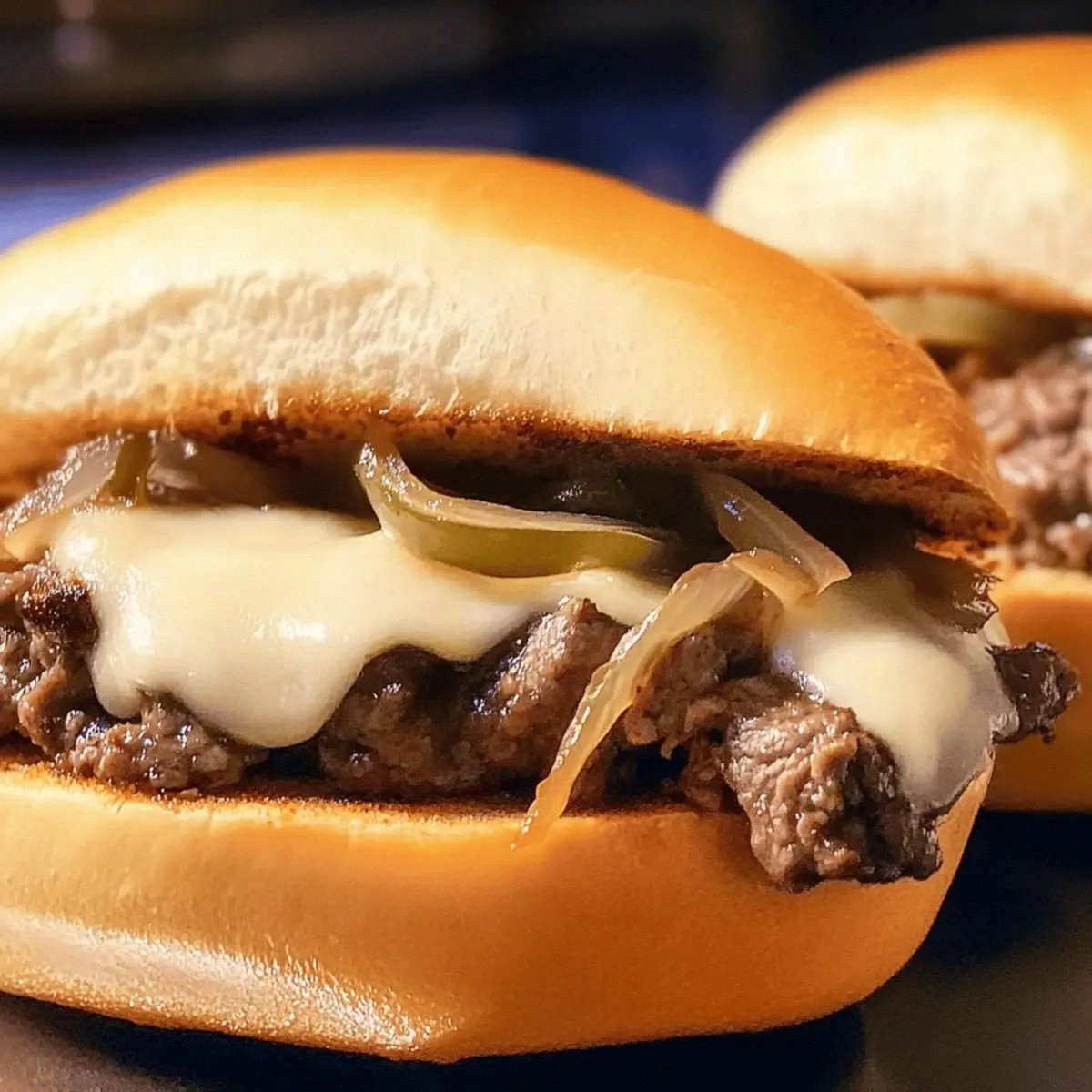
Picture this: the first bite is a perfect marriage of juicy ribeye slices that are still pink in the center, a glossy sheen of melted provolone that stretches like a golden curtain, and the sweet‑sharp crunch of green bell pepper that snaps under your teeth. The hoagie roll, toasted just enough to hold its own, cradles the chaos without getting soggy, delivering a buttery bite that makes you close your eyes and say, “Yes, this is why I cook.” The whole experience is a sensory roller coaster—your ears hear the crackle of the pepper, your nose catches the buttery, slightly charred scent of the steak, your hands feel the warm, soft roll, and your tongue is hit with a flavor wave that’s both familiar and brand‑new. If you’ve ever dreamed of a sandwich that could double as a comfort blanket, you’ve just found it.
Most home‑cooked Philly cheese steaks either end up dry, over‑cooked, or drowning in cheese that never truly melts. I’ve tried the “quick” versions that use pre‑sliced steak and processed cheese, and they all fell flat—like a joke without a punchline. This version, however, flips the script. I’m using a single pound of ribeye, thinly sliced against the grain, and a generous slab of provolone that melts into a silky sauce, not a greasy pool. The secret weapon? A splash of beef broth and a dash of Worcestershire that coax the meat into a glossy, flavor‑locked coat, while the pepper and onion get a quick flash‑fry that keeps them crisp, not mushy.
I dare you to taste this and not go back for seconds. This is hands down the best version you’ll ever make at home, and I’ll be honest—I ate half the batch before anyone else got a chance to try it. Most recipes get this completely wrong. Here’s what actually works: a hot pan, a short but furious sear, and a cheese melt that’s timed to perfection. Okay, ready for the game‑changer? Let me walk you through every single step — by the end, you’ll wonder how you ever made it any other way.
What Makes This Version Stand Out
- Flavor Explosion: The combination of ribeye’s natural beefy depth with Worcestershire and a splash of broth creates a sauce that coats each slice like velvet, delivering a savory punch in every bite.
- Texture Harmony: Thin‑cut steak stays juicy, the pepper stays crisp, and the onion caramelizes just enough to add a sweet backdrop without turning mushy.
- Simplicity Meets Sophistication: Only five ingredients, yet each one shines. No need for a pantry raid; the technique does the heavy lifting.
- Unique Ingredient Twist: Adding a splash of beef broth during the final minute prevents the steak from drying out and adds an umami lift that most recipes miss.
- Crowd‑Pleaser Factor: Even picky eaters who claim they “don’t like onions” will be silenced by the buttery, melt‑in‑your‑mouth cheese and the subtle sweetness of the peppers.
- Ingredient Quality Matters: Using a good ribeye and fresh provolone makes a world of difference—cheap cuts and processed cheese can’t compete.
- Fast Yet Foolproof: The entire process fits into a 25‑minute window, perfect for weeknight cravings without sacrificing flavor.
- Make‑Ahead Potential: You can prep the veggies and slice the meat ahead of time; the final assembly still feels fresh and hot.
Inside the Ingredient List
The Flavor Base
The ribeye steak is the heart of this sandwich. A well‑marbled cut means you get pockets of fat that melt into the meat as it cooks, creating a buttery mouthfeel that’s impossible to replicate with leaner cuts. If you skip the ribeye and opt for a cheaper flank or skirt steak, you’ll lose that luxurious juiciness, and the steak may turn rubbery when cooked quickly. When shopping, look for a piece with a nice pinkish‑red hue and visible marbling—this is the sign of flavor waiting to be unleashed.
The Texture Crew
Green bell pepper and onion are the dynamic duo that adds crunch and sweetness. The pepper’s crisp snap contrasts beautifully with the tender steak, while the onion, when caramelized just right, brings a sweet, almost caramel‑like depth. If you’re not a fan of green pepper, try a red bell pepper for a slightly sweeter profile, but don’t replace the onion—its sweetness is essential for balancing the beef’s richness.
The Unexpected Star
Provolone cheese is the silent hero. Its mild, buttery flavor melts into a silky blanket that clings to every strand of meat. Many people mistakenly reach for mozzarella or American cheese, but provolone’s melt‑ability and subtle tang make it the perfect partner. If you can’t find provolone, a good-quality mild cheddar works, though you’ll lose a touch of that classic Philly authenticity.
The Final Flourish
Hoagie rolls are the vessel that brings everything together. A soft interior with a slightly crisp crust is ideal; it holds the juicy filling without becoming soggy. For the best results, toast the rolls lightly on the grill or in a hot skillet with a dab of butter—this adds flavor and creates a barrier that keeps the melt from soaking through. If you’re gluten‑free, a sturdy gluten‑free roll or even a thick slice of sourdough works just as well.
Everything's prepped? Good. Let's get into the real action...
The Method — Step by Step
Start by patting the ribeye dry with paper towels; moisture is the enemy of a good sear. Slice the meat as thinly as possible—aim for about 1/8 inch. I like to use a sharp chef’s knife and a quick, confident motion; a jittery hand leads to uneven pieces and a wonky texture. Once sliced, toss the strips in a bowl with a pinch of salt, a generous grind of black pepper, and a splash of Worcestershire sauce. Let them rest for two minutes while you heat the pan.
Kitchen Hack: If you’re short on time, use a meat slicer or ask your butcher to pre‑slice the ribeye thinly; this saves precious minutes on a weeknight.Heat a large cast‑iron skillet over high heat until it just starts to smoke—this is the sweet spot for a proper sear. Add a tablespoon of high‑smoke‑point oil (like grapeseed or avocado) and swirl to coat. When the oil shimmers, add the steak in a single layer; you should hear an immediate, satisfying sizzle that tells you you’re on the right track. Let the meat sit untouched for about 45 seconds; this allows the Maillard reaction to develop that deep, caramelized crust.
Now comes the flip. Using tongs, turn the steak strips quickly and let the other side sear for another 45 seconds. At this point, the meat should be a gorgeous brown with a hint of pink in the center—perfectly juicy. Pour in ¼ cup of beef broth and give everything a quick stir; the broth will deglaze the pan, lifting all the browned bits (fond) and turning them into a glossy sauce that clings to the meat. Watch out—if you add too much liquid, the steak will steam instead of sear, losing that coveted crust.
While the steak finishes, slice the green bell pepper and onion into thin strips. Toss them with a pinch of salt and a drizzle of oil. In a separate smaller skillet, heat a splash of oil over medium‑high heat, then add the pepper and onion. Cook, stirring occasionally, for about 3‑4 minutes until they’re just softened and the edges start to caramelize. The goal is to keep some crunch—don’t let them turn mushy.
When the veggies are nearly done, lower the heat on the steak pan to medium‑low and add the provolone cheese, sliced or shredded, over the meat. Cover the pan with a lid for 30‑45 seconds; this traps heat and melts the cheese into a silky blanket that binds the steak and veggies together. The cheese should melt but not bubble over—think of it as a glossy, buttery veil.
Now, gently fold the cooked peppers and onions into the cheesy steak mixture. Give everything a quick toss so the flavors marry, but be careful not to over‑mix; you want the steak strips to stay distinct, not mushy. At this stage, taste and adjust seasoning with a pinch more salt or a dash of cracked pepper if needed. The aroma should be intoxicating—beefy, buttery, with a whisper of sweet onion.
While the filling is coming together, split the hoagie rolls lengthwise without cutting all the way through—think of a hinge. Lightly butter the insides and toast them face‑down in a clean skillet for about 1 minute, just until golden. This step adds a buttery crunch that prevents the roll from soaking up the juices.
Kitchen Hack: If you’re short on butter, a quick spray of olive oil works just as well and adds a subtle Mediterranean note.Finally, spoon the hot, cheesy steak and veggie mixture into each toasted roll, filling them generously. The cheese should be still melting, creating a glossy river that pools at the bottom of the roll. Press the sandwich lightly with a spatula to settle everything, then serve immediately. That first bite—juicy steak, melted provolone, sweet‑crunch pepper, and a buttery roll—will make you think you’ve just discovered a new religion.
That sizzle when it hits the pan? Absolute perfection. And the moment the cheese stretches? Pure magic. Picture yourself pulling this out of the pan, the whole kitchen smelling incredible, and knowing you just nailed a classic in under half an hour.
That's it — you did it. But hold on, I've got a few more tricks that'll take this to another level...
Insider Tricks for Flawless Results
The Temperature Rule Nobody Follows
A scorching pan is non‑negotiable. If the surface isn’t hot enough, the steak releases its juices too early and ends up steaming. I always preheat my cast‑iron for at least two minutes before adding oil; the moment the oil starts to ripple, I know I’m ready. This rule applies to the veggies too—medium‑high heat ensures they caramelize without wilting.
Why Your Nose Knows Best
Don’t rely solely on timers; trust the scent. When the steak hits that deep, nutty aroma, you’re close to the perfect sear. Similarly, the onions give off a sweet, slightly caramel scent when they’re ready to join the party. If you smell a faint “raw” meat odor, keep cooking a few seconds longer.
The 5‑Minute Rest That Changes Everything
After the steak finishes cooking, let it rest for five minutes off the heat before mixing with the cheese. This short rest lets the juices redistribute, preventing them from spilling out onto the roll and making it soggy. I’ve seen friends skip this step and end up with a soggy bottom—trust me, the extra five minutes are worth it.
Slice Against the Grain, Always
Cutting the ribeye against the grain shortens the muscle fibers, giving you a tender bite. If you slice with the grain, the steak feels chewy, like you’re chewing on a rubber band. A quick tip: look for the lines of muscle and cut perpendicular.
Don’t Over‑Toast the Roll
A golden crust is great, but too much toast turns the roll into a brick. Lightly butter and toast just until you hear a faint “crackle.” This creates a barrier that keeps the roll from soaking up the steak juices while still adding a buttery crunch.
Creative Twists and Variations
This recipe is a playground. Here are some of my favorite ways to switch things up:
Spicy Jalapeño Kick
Add thinly sliced jalapeños alongside the green pepper for a subtle heat that wakes up the palate without overpowering the beef. Pair with pepper jack cheese for an extra zing.
Mushroom Medley
Swap half the bell pepper for sautéed cremini mushrooms. Their earthy umami deepens the flavor profile and adds a meaty texture that complements the ribeye.
Italian‑Inspired
Use mozzarella and provolone blend, sprinkle a pinch of dried oregano, and finish with a drizzle of balsamic glaze after plating. The result feels like a Philly‑Italian hybrid that’s both familiar and novel.
Breakfast Version
Replace the hoagie roll with a toasted English muffin, add a fried egg on top, and drizzle a little hot sauce. The runny yolk becomes a luscious sauce that mingles with the cheese.
Veggie‑Only Substitute
For a vegetarian spin, use portobello mushroom slices as the “steak” and swap provolone for smoked gouda. The mushroom’s meaty bite holds up well, and the gouda adds a smoky depth.
Storing and Bringing It Back to Life
Fridge Storage
Place any leftovers in an airtight container, separating the steak mixture from the rolls. It will stay fresh for up to three days. When ready to eat, reheat the steak mixture in a skillet over medium heat, adding a splash of water to revive the sauce, then toast fresh rolls.
Freezer Friendly
The cooked steak and veggies freeze beautifully. Portion them into freezer‑safe bags, label, and store for up to two months. Thaw overnight in the fridge, then reheat in a pan with a drizzle of broth to restore moisture.
Best Reheating Method
For the ultimate reheated sandwich, preheat a skillet, add a teaspoon of butter, and place the assembled sandwich (with the roll) in the pan, pressing gently with a spatula. Cover for 2‑3 minutes; the cheese will melt again, and the roll will regain its crispness. A tiny splash of water under the lid creates steam that revives the steak’s juiciness.