Ever tried a peach cake that feels like a sunrise in a bowl? I was in the middle of a late‑night baking marathon, feeling the kitchen air thick with cinnamon and butter, when I realized my peach batch was about to go stale. The peaches were already bursting with juice, their skins glistening like tiny mirrors, and I knew I had to turn that natural sweetness into something that would make my friends gasp. The moment the oven door swung open and a golden dome rose, I felt the world pause for a breath, the aroma of caramelized sugar and nutmeg filling every corner of the house. That instant was the spark that turned a simple dessert into a culinary revelation.
Picture yourself pulling this cake out of the oven, the whole kitchen smelling incredible, the steam rising like a sweet cloud. The batter should look glossy, the peaches arranged in a sunburst pattern, and the crumb should be tender yet slightly crisp on the edges. I dare you to taste this and not go back for seconds, because the layers of buttery sponge, sweet peaches, and warm spices will keep you coming back for more. This is hands down the best version you'll ever make at home, and it’s not just the flavors but the technique that sets it apart. I’ve spent hours tweaking the batter, experimenting with the ratio of brown sugar to granulated sugar, and discovering that a splash of buttermilk turns the cake into a silky, moist masterpiece. If you've ever struggled with peach desserts that turn out dry or overly sweet, you're not alone — and I've got the fix.
What makes this cake so special is not just the ingredients but the way they work together. The peaches are not just a topping; they’re a key structural component that keeps the cake moist and adds a natural tang that balances the sweetness. The light brown sugar, when mixed with granulated sugar, gives a caramel depth that’s impossible to achieve with sugar alone. The addition of buttermilk introduces a subtle acidity that reacts with the baking powder and soda to create a tender crumb. The topping, a simple mixture of flour, sugar, cinnamon, and cold butter, adds a buttery, flaky texture that contrasts beautifully with the cake’s softness. Every bite is a harmony of flavors and textures that feels both comforting and adventurous.
Stay with me here — this is worth it. By the end of this guide, you’ll not only know how to bake the perfect peach cake but also understand why each step matters. From the initial whisk to the final dusting of powdered sugar, each moment is designed to elevate the dessert from ordinary to extraordinary. Let me walk you through every single step — by the end, you'll wonder how you ever made it any other way.
What Makes This Version Stand Out
- Flavor Profile: The blend of light brown sugar and granulated sugar creates a caramelized sweetness that pairs perfectly with the natural tartness of peaches. The subtle nutmeg and cinnamon add depth without overpowering the fruit.
- Moisture Management: The inclusion of buttermilk and the careful balance of dry and wet ingredients keep the cake moist without making it soggy, ensuring a tender crumb that melts in your mouth.
- Texture Contrast: The buttery, flaky topping provides a crisp exterior that contrasts with the soft sponge, offering a satisfying bite in every slice.
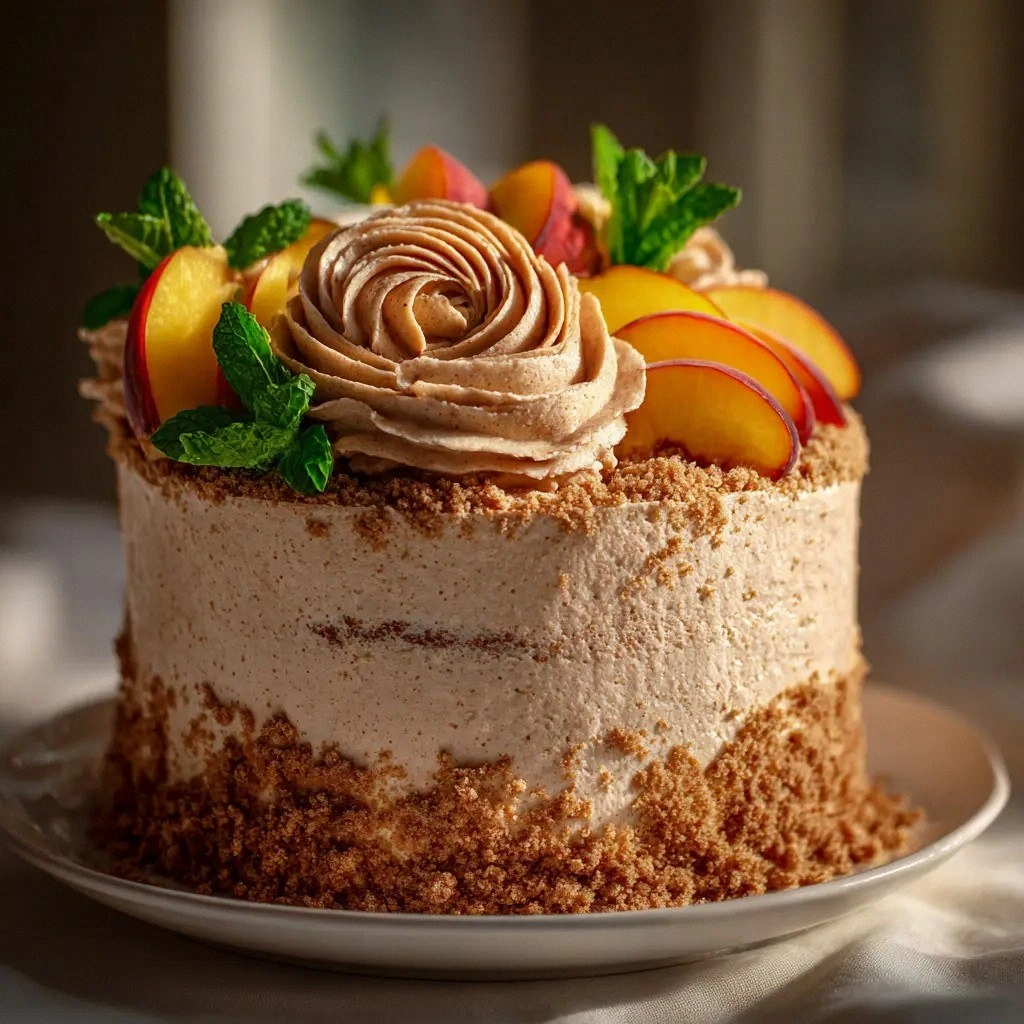
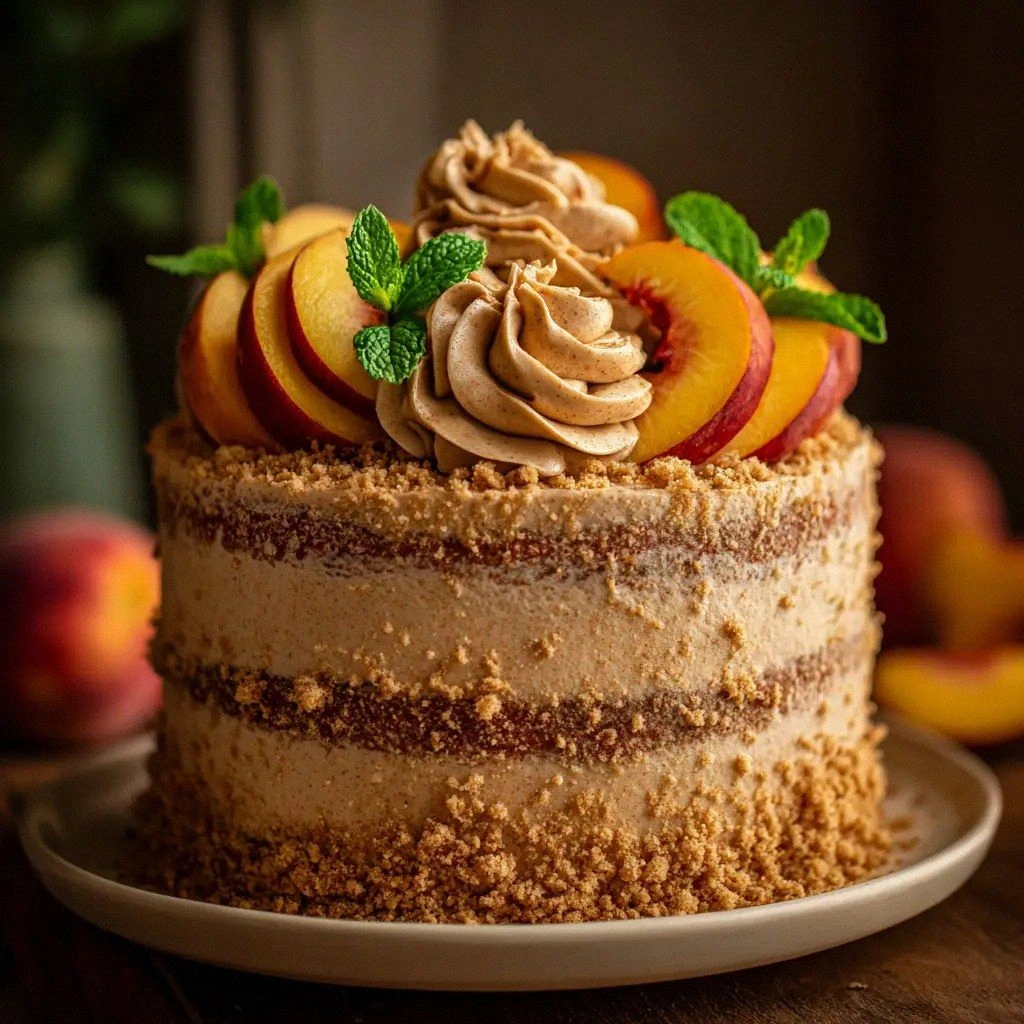
- Visual Appeal: The peaches are arranged in a sunburst pattern that looks as good as it tastes, making the cake a showstopper for any gathering.
- Ease of Preparation: Despite its sophisticated flavor, the recipe requires minimal equipment and steps, making it approachable for both novice and seasoned bakers.
- Make‑Ahead Potential: The cake can be assembled a day ahead and baked just before serving, allowing you to focus on other preparations for special occasions.
- Ingredient Quality: Using high‑quality butter and fresh peaches elevates the overall taste, turning an ordinary dessert into a gourmet experience.
Alright, let's break down exactly what goes into this masterpiece…
Inside the Ingredient List
The Flavor Base
At the core of this cake is the batter, a harmonious blend of flour, leavening agents, sugars, and dairy that creates a foundation of flavor and texture. The 1 ½ cups of all‑purpose flour provide structure while keeping the cake light; if you skip it, the cake will collapse and lose its delicate crumb. The combination of 1 ½ teaspoons baking powder and ¼ teaspoon baking soda ensures a gentle rise, allowing the peaches to sit on top without sinking. The ½ teaspoon of salt balances the sweetness and enhances the natural flavors of the peaches, preventing the dessert from feeling one‑dimensional.
The Sweetness Layer
The sugars are where the caramel magic happens. The ½ cup of light brown sugar, packed, adds a deep molasses note that pairs with the peaches’ natural sugars. The ½ cup of granulated sugar keeps the batter from becoming too dense, providing a clean sweetness that lets the spices shine. Together, they create a sweet canvas that is neither cloying nor bland. If you prefer a lighter cake, you can reduce the granulated sugar by a quarter cup, but be prepared for a slightly drier crumb.
The Creamy Touch
Butter and buttermilk are the unsung heroes that bring richness and moisture. The ½ cup of softened unsalted butter, creamed with the sugars, creates a silky base that distributes heat evenly during baking. The ½ cup of buttermilk, at room temperature, adds a subtle tang that reacts with the leavening agents, producing a tender crumb and a slight lift. Skipping the buttermilk will result in a flatter cake; if you’re allergic to dairy, you can substitute with buttermilk‑style oat milk for a vegan version.
The Peach Star
Three medium peaches, peeled and sliced, are the star of the show. Their natural juices keep the cake moist and provide a burst of flavor in every bite. The peaches should be ripe enough to hold their shape yet juicy enough to release their essence during baking. If you can’t find fresh peaches, frozen slices are a viable alternative, but make sure to thaw and drain them thoroughly to avoid excess moisture. The peaches also act as a natural binder, holding the cake together and preventing it from drying out.
The Flaky Topping
The topping is a simple yet powerful addition that elevates the cake’s texture. A half cup of all‑purpose flour, combined with ½ cup of light brown sugar and ½ teaspoon cinnamon, creates a crumbly base that crisps up beautifully in the oven. The ¼ cup of cold, cubed butter, cut into small pieces, melts into the flour mixture, forming a flaky, buttery crust that contrasts with the cake’s softness. If you’re craving extra crunch, sprinkle a pinch of sea salt on top before baking.
Everything's prepped? Good. Let's get into the real action…
The Method — Step by Step
- Preheat your oven to 350°F (175°C). Grease and flour a 9‑inch springform pan, then line the bottom with parchment paper to ensure easy release. This step is crucial; a sticky pan will ruin the cake’s appearance and texture. While the oven warms, let the butter soften to room temperature so it mixes smoothly with the sugars.
- In a medium bowl, whisk together the flour, baking powder, baking soda, cinnamon, nutmeg, and salt until evenly distributed. This dry mix is the backbone of the cake; any clumping will affect rise and crumb. Keep the mixture in the fridge while you prepare the wet ingredients to maintain the butter’s softness.
- In a large mixing bowl, beat the softened butter and ½ cup light brown sugar until light and fluffy, about 2 minutes. Gradually add the granulated sugar, continuing to beat until the mixture is pale and airy. The goal is to incorporate as much air as possible for a tender crumb.
- Add the eggs one at a time, beating well after each addition. The first egg should be fully incorporated before adding the second to avoid curdling. Once both eggs are mixed, stir in the vanilla extract for a warm, aromatic base.
- Alternate adding the dry ingredients and buttermilk to the butter mixture, starting and ending with the dry mix. Stir just until combined; overmixing will develop gluten and make the cake tough. The batter should be thick but pourable, like thick pancake batter.
- Gently fold in the sliced peaches, ensuring they’re evenly distributed without breaking them apart. The peaches should remain whole to provide juicy pockets in each slice. If you notice any excess liquid, you can let the batter sit for 10 minutes to allow the peaches to release moisture.
- Pour the batter into the prepared pan, smoothing the top with a spatula. For an extra touch, sprinkle a few peach slices on top for a decorative look. The cake should rise to the edges, forming a golden dome that’s slightly domed in the center.
- Bake for 30 minutes, or until a toothpick inserted near the center comes out clean and the edges pull away from the pan. While baking, you’ll notice a sweet, caramelized aroma filling the kitchen, a sign that the sugars are doing their job. Once done, let the cake cool in the pan for 10 minutes before removing it to a wire rack to cool completely.
- While the cake cools, prepare the flaky topping. In a bowl, combine ½ cup flour, ½ cup light brown sugar, and ½ teaspoon cinnamon. Cut in the cold butter with a pastry cutter or two forks until the mixture resembles coarse crumbs. This topping will bake into a buttery, crisp crust that contrasts with the cake’s softness.
- Once the cake has cooled, spread the topping evenly over the surface. Return the cake to the oven for an additional 8–10 minutes, or until the topping is golden brown and crisp. The final result is a cake that’s a symphony of textures: a moist sponge, juicy peaches, and a buttery, flaky crust.
That's it — you did it. But hold on, I've got a few more tricks that'll take this to another level…
Insider Tricks for Flawless Results
The Temperature Rule Nobody Follows
Many bakers assume room temperature ingredients are enough, but the key to a moist cake is starting with butter at room temperature and buttermilk at the same. If your butter is too warm, it will mix too quickly and lose aeration; if it’s too cold, the batter will be dense. I always let the butter sit out for 30 minutes before mixing and check its temperature with a kitchen thermometer. This simple step ensures a consistent rise and a tender crumb.
Why Your Nose Knows Best
During baking, the cake will emit a caramelized scent that signals it’s nearly done. Trust your nose: if the aroma is sweet and nutty, the cake is ready to come out of the oven. I’ve learned to listen for that golden, buttery fragrance, which is a cue to pull the cake just before the edges fully brown. This prevents over‑baking and preserves the moist interior.
The 5‑Minute Rest That Changes Everything
After removing the cake from the oven, let it rest in the pan for 10 minutes. This pause allows the cake to set, preventing it from cracking or falling apart when you remove it. The residual heat will continue to cook the interior, giving you that perfect, uniform texture. Skipping this step often leads to a cake that’s too fragile.
Peach Placement Matters
For a more dramatic presentation, arrange the peach slices in a radial pattern before pouring the batter. This creates a visual “sunburst” effect that’s both Instagram‑ready and delicious. The peaches also act as a natural barrier, preventing the batter from seeping into the pan and creating a clean edge.
Flaky Topping Tips
To achieve a crisp, buttery topping, use cold butter and avoid overmixing the crumb mixture. If you prefer a sweeter topping, add a tablespoon of powdered sugar to the dry mix; this will caramelize slightly during baking, giving a delightful crunch. Keep an eye on the topping; if it browns too quickly, lower the oven temperature slightly.
Cooling Is Key
Let the cake cool completely before slicing; a warm cake will slice unevenly and the peaches may slide out. Once cooled, you can dust the top with powdered sugar or drizzle a light glaze for extra shine. I personally enjoy a simple dust of powdered sugar for a classic finish.
Creative Twists and Variations
This recipe is a playground. Here are some of my favorite ways to switch things up:
Almond Crumble Topping
Swap the flaky topping for a crunchy almond crumble. Blend ½ cup almond flour, ¼ cup brown sugar, ¼ teaspoon cinnamon, and ¼ cup cold butter until crumbly. Sprinkle over the cake before the final bake for a nutty, caramelized finish that pairs beautifully with peaches.
Maple‑Infused Cake
Add 2 tablespoons of pure maple syrup to the batter and replace the vanilla with a splash of maple extract. The maple brings a deep, earthy sweetness that complements the peaches’ natural tartness. This variation is perfect for a cozy fall gathering.
Spiced Orange Twist
Incorporate 1 tablespoon of freshly grated orange zest into the batter and replace the nutmeg with ¼ teaspoon allspice. The citrus notes lift the dish, adding brightness and a fragrant aroma that’s ideal for springtime.
Chocolate‑Peach Fusion
Fold in ½ cup dark chocolate chips into the batter for a decadent chocolate‑peach cake. The chocolate’s bittersweet flavor balances the peach’s sweetness, creating a multi‑layered dessert that satisfies chocolate lovers.
Berry‑Peach Blend
Mix ½ cup fresh blueberries or sliced strawberries with the peaches before folding into the batter. The berries add a burst of color and a subtle tartness that complements the peach’s sweetness, resulting in a vibrant, fruity cake.
Peach‑Lemon Sorbet Finish
Serve slices of the cake with a scoop of homemade peach‑lemon sorbet. The sorbet’s tartness cuts through the cake’s richness, providing a refreshing contrast that’s perfect for a hot summer afternoon.
Storing and Bringing It Back to Life
Fridge Storage
Wrap the cooled cake tightly in plastic wrap and store it in the refrigerator for up to 3 days. The cold environment preserves the moisture of the peaches and prevents the cake from drying out. When you’re ready to serve, let it sit at room temperature for 20 minutes to soften slightly.
Freezer Friendly
For longer storage, slice the cake and freeze each slice in an airtight container or freezer bag for up to 2 months. To thaw, leave the slices in the fridge overnight or at room temperature for an hour. The cake’s texture remains intact, and the peaches stay juicy.
Best Reheating Method
Reheat frozen or refrigerated slices in a preheated oven at 300°F (150°C) for 8–10 minutes, or until warm. For a quick microwave option, microwave a slice on medium power for 30 seconds, then let it rest for a minute. Add a tiny splash of water before reheating to steam back to perfection and keep the cake from becoming dry.
Final Thoughts and Serving Ideas
When you’re done, you’ll have a cake that’s as beautiful as it is delicious. The combination of sweet peaches, buttery sponge, and flaky topping creates a dessert that feels like a warm hug on a sunny afternoon. Serve it with a dollop of whipped cream or a drizzle of honey for an extra touch of luxury. For a festive twist, garnish with fresh mint leaves or a dusting of toasted coconut.
Remember, baking is both science and art; the key is to trust the process and enjoy every step. I’ve spent countless hours experimenting with this recipe, and each tweak has made it even more delightful. Whether you’re a seasoned baker or just starting out, this cake will impress friends, family, and even your skeptical taste buds. So grab your apron, preheat that oven, and let’s bake a masterpiece that will have everyone asking for the recipe.