The first time I tried to make a Cuban black bean dish, I set the pot on fire and nearly burned down the kitchen. My friend laughed, but I was determined to rewrite that story. I spent the next week experimenting, swapping spices, and learning how each ingredient can turn a bland pot of beans into a mouth‑watering fiesta. When I finally nailed it, I realized this recipe was the kind of dish that can rescue even the most chaotic evenings.
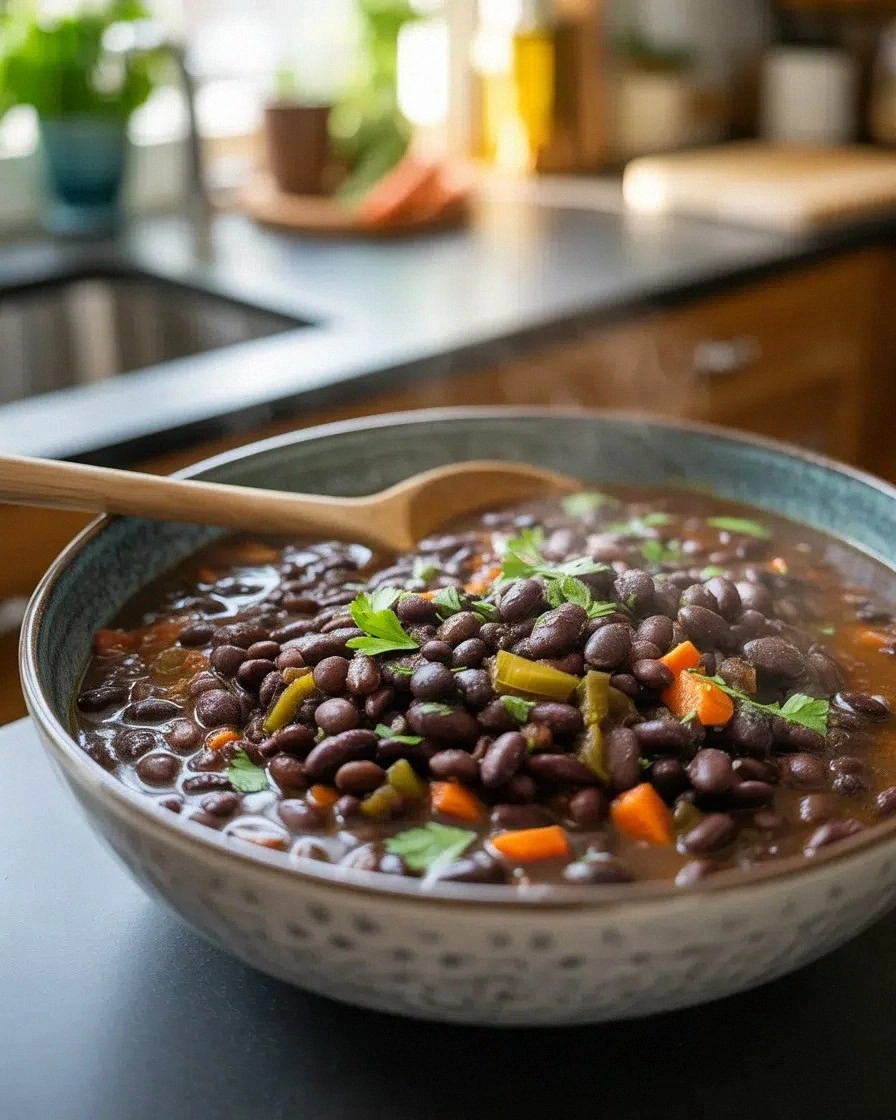
Picture the scene: a pot of beans bubbling on the stove, the scent of cumin and oregano drifting through the air, and the bright green of a bell pepper dancing in the pan. The sound of garlic sizzling is like a jazz riff, and the gentle hiss of onions caramelizing is a soundtrack to flavor. Each bite is a burst of smoky earthiness, a hint of citrus brightness, and a satisfying, velvety texture that clings to the spoon. I could almost hear the kitchen clock ticking away, counting down to the moment the dish would be ready.
What makes this version stand out is that it’s not just another “black beans” recipe. I’ve distilled the essence of Cuban comfort food into a single pot, using only a handful of fresh ingredients that you can find at any grocery store. The result is a dish that feels like a warm hug, a taste of home, and a crowd‑pleaser that can be whipped up in under an hour. I dare you to taste this and not go back for seconds.
And here’s the kicker: the secret to that unforgettable depth of flavor comes from a splash of vinegar or lime juice at the very end, right before serving. This tiny tweak lifts the dish, brightens the spices, and gives it that authentic Cuban finish. Let me walk you through every single step — by the end, you’ll wonder how you ever made it any other way.
What Makes This Version Stand Out
Bold Flavor: The combination of cumin, oregano, and a splash of lime creates a layered taste profile that’s both earthy and bright. Each bite feels like a passport to Havana’s bustling markets.
Texture Magic: The beans remain creamy yet firm, thanks to the careful timing of simmering. The bell pepper adds a subtle crunch that breaks the monotony.
Speed & Simplicity: With just a few pantry staples and a single pot, you can have a meal on the table in less than 45 minutes. No fancy equipment or complicated techniques.
Authenticity: I’ve kept the Cuban roots alive by using the right balance of spices and a finishing touch of acidity that mirrors traditional recipes.
Versatility: Serve it over rice, with tortillas, or as a hearty vegetarian main. It pairs wonderfully with a side of plantain chips or a simple salad.
Make‑Ahead Friendly: The flavors deepen overnight, so you can prep it in advance and reheat it to perfection.
Alright, let's break down exactly what goes into this masterpiece...
Inside the Ingredient List
The Flavor Base
Black Beans: The star of the show, they provide a hearty, protein‑rich foundation. Using a single 15‑ounce can keeps the dish simple while delivering consistent flavor. Skipping the beans would turn this into a plain sauté; the beans are what make it a filling meal.
Olive Oil: A splash of high‑quality olive oil adds silky richness and helps the spices coat the beans evenly. If you prefer a lighter version, use avocado oil or a neutral oil; the key is a medium‑heat friendly fat.
Salt & Pepper: Seasoning to taste is essential. Salt brings out the beans’ natural sweetness, while pepper adds a subtle heat that balances the cumin.
The Texture Crew
Onion: Diced onion creates a sweet, caramelized base when sautéed. It gives the dish a soft, comforting feel. If you’re allergic to onions, try a small amount of shallots for a milder flavor.
Garlic: Fresh garlic cloves bring a sharp, aromatic punch that permeates every bite. Minced garlic releases more flavor than whole cloves; consider crushing them with a knife for a more intense aroma.
Bell Pepper: Adds a crisp bite and a splash of color. Green, red, or yellow peppers work; red peppers will slightly sweeten the dish, while green keeps it more traditional.
The Unexpected Star
Cumin: A 1–2 teaspoon pinch of cumin delivers a warm, nutty undertone that’s signature to Cuban cuisine. If you’re not a fan of cumin, try a pinch of smoked paprika for a smoky twist.
Oregano: One teaspoon of oregano provides a herbal brightness that cuts through the richness. A dry oregano works best; fresh oregano can be too overpowering.
The Final Flourish
Sugar: A pinch of sugar balances acidity and brings out the natural sweetness of the beans. If you’re watching sugar intake, omit it; the dish will still be delicious.
Lime Juice or Vinegar: A splash of acidity at the end lifts the dish, brightening the spices and cutting through the richness. Lime juice gives a citrusy note, while vinegar offers a sharper tang.
Everything's prepped? Good. Let's get into the real action...
The Method — Step by Step
- Heat the olive oil in a large skillet over medium heat. Add the diced onion and sauté until translucent, about 3–4 minutes. The onions should soften without browning; if they start to brown, lower the heat. This is the moment to watch the aromatics rise.
- Add the minced garlic and bell pepper to the pan. Cook for another 2–3 minutes, stirring frequently. The garlic should release a fragrant perfume, and the pepper should start to soften but still retain a slight bite. Don’t let the garlic burn.
- Stir in the cumin and oregano, letting them toast for 30 seconds. The spices will bloom, releasing their essential oils. This step is crucial; it builds the foundation of flavor that will permeate the beans.
- Pour in the can of black beans, including the liquid. Stir to combine, then bring the mixture to a gentle simmer. Reduce the heat to low, cover, and let it simmer for 10 minutes. This allows the beans to absorb the spices.
- Season with salt and pepper to taste. Add a pinch of sugar to balance the acidity. Stir well; the beans should be evenly seasoned. This is the moment of truth—taste and adjust before the final step.
- Just before serving, add a splash of lime juice or vinegar. This brightens the dish and gives it that authentic Cuban kick. Stir gently; the acidity will cut through the richness.
- Serve hot over white rice or with warm tortillas. Garnish with fresh cilantro if desired. The dish is best enjoyed immediately, but it holds up well for a few hours.
- If you’re preparing ahead, let the beans cool, then refrigerate in an airtight container. Reheat gently, adding a splash of water to restore moisture. The flavors will deepen overnight, making it even more delicious.
That's it — you did it. But hold on, I've got a few more tricks that'll take this to another level...
Insider Tricks for Flawless Results
The Temperature Rule Nobody Follows
Many cooks set the stove to high and then lower it, causing the beans to simmer unevenly. Keep the heat steady at medium‑low to allow the flavors to meld without scorching. I once tried a high‑heat method and ended up with a burnt bottom; the beans were ruined. The secret is patience.
Why Your Nose Knows Best
Before adding the final splash of acidity, give the dish a quick sniff. A faint citrusy aroma signals that the spices have matured. If it smells flat, let it simmer a few more minutes. Your nose is a reliable guide to flavor.
The 5‑Minute Rest That Changes Everything
Once you’ve added the lime or vinegar, turn off the heat and let the dish sit for 5 minutes. This resting period allows the acidity to fully integrate, resulting in a smoother, more cohesive taste. I’ve seen a difference in the depth of flavor after just a brief pause.
Use Fresh Spices for a Punch
Ground cumin and oregano lose potency over time. Whenever possible, use freshly ground spices to amplify the dish’s aroma. I’ve swapped pre‑ground spices for freshly cracked, and the difference is unmistakable.
Keep the Beans Whole
Some recipes mash beans for a thicker texture. For this Cuban version, keep the beans whole to preserve their bite. If you prefer a thicker sauce, mash half the beans and leave the rest whole.
Serve with a Tangy Side
Pair the beans with a simple cabbage slaw dressed in lime vinaigrette. The acidity will echo the beans and create a balanced plate. It’s an easy way to elevate a humble dish into a full meal.
Creative Twists and Variations
This recipe is a playground. Here are some of my favorite ways to switch things up:
Smoky Chipotle Version
Swap the cumin for chipotle powder and add a dash of adobo sauce. The result is a smoky, slightly sweet profile that pairs well with grilled meats.
Vegan Coconut Cream
Stir in a tablespoon of coconut cream at the end for a creamy, tropical twist. The coconut balances the acidity and adds a subtle sweetness.
Protein‑Packed Quinoa Bowl
Serve the beans over a bed of quinoa instead of rice for a protein boost. Top with sliced avocado and a squeeze of lime for extra richness.
Breakfast Kick‑Starter
Use the beans as a filling for breakfast tacos. Add scrambled eggs, a sprinkle of cheese, and a dollop of sour cream for a hearty morning meal.
Instant Pot Edition
Transfer all ingredients to an Instant Pot and cook on the “Bean” setting for 20 minutes. The pressure cooker infuses the beans with flavor while saving time.
Mexican Street Tacos
Warm corn tortillas, spoon in the beans, top with fresh cilantro, diced onion, and a squeeze of lime. Serve with a side of salsa verde for a street‑food experience.
Storing and Bringing It Back to Life
Fridge Storage
Cool the beans completely, then transfer to an airtight container. Store in the refrigerator for up to 4 days. The flavors will continue to develop, making the dish even better the next day.
Freezer Friendly
Pack the beans in a freezer‑safe bag, squeezing out excess air. Freeze for up to 3 months. Thaw overnight in the refrigerator before reheating.
Best Reheating Method
Reheat gently on the stove over low heat, adding a splash of water or broth to restore moisture. If using a microwave, cover with a damp paper towel and heat in 30‑second intervals until hot.
Remember to add a tiny splash of water before reheating — it steams back to perfection.