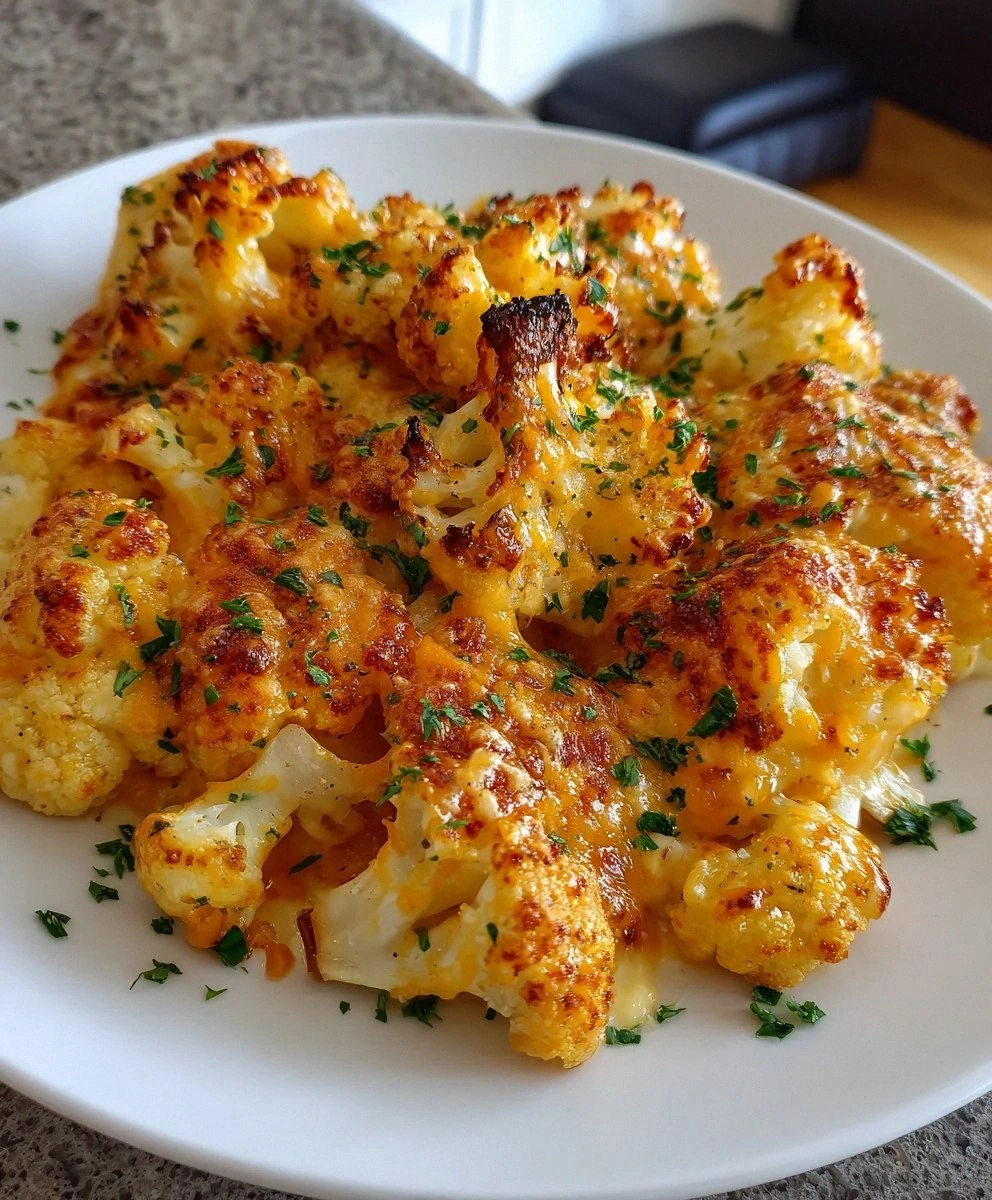
Picture this: it is a Tuesday night, the kind that starts with good intentions and ends with you standing in front of the fridge, fork in hand, wondering how you just demolished an entire casserole. I had promised myself a “light dinner,” but then I remembered the tray of cauliflower mac cheese I’d stashed away, still bubbling at the edges, the top freckled with bronzed cheese freckles that crackled like thin ice under a boot. One bite—okay, three—became the whole pan. I’m not proud, but I’m also not sorry, because what I had accidentally perfected was the creamiest, dreamiest, most dangerously addictive low-carb comfort food on the planet. The kitchen smelled like a grilled-cheese truck collided with a steakhouse: toasty, nutty, faintly sweet from the roasted cauli, and layered with so much cheddar sharpness that my neighbor knocked to ask if I was opening a restaurant.
Most cauliflower mac recipes taste like someone replaced your pasta with sad, watery nuggets and hoped you wouldn’t notice. Not this one. Here the cauliflower is roasted until its edges caramelize into candy-sweet nibs, then bathed in a velvet blanket of three cheeses, a whisper of mustard, and a kiss of paprika that makes the sauce blush like it’s embarrassed by how good it is. I’m serious—this sauce coats every nook so luxuriously you’ll swear there’s hidden pasta somewhere. Spoiler: there isn’t. The texture is pure al-dente fantasy, minus the carb crash that usually sends me straight to the couch.
I started developing this dish after a dare from my keto-obsessed best friend who claimed “low-carb mac and cheese” was an oxymoron. Challenge accepted. Three weeks, eight heads of cauliflower, and one small cheese avalanche later, I landed on the version that made her do the silent head-nod of respect while reaching for seconds. The secret? Roast, don’t boil. Boiling is the villain that leaves you with a soggy, sulfur-smelling mess. Roasting concentrates flavor and buys you chewy edges that stand up to the sauce like little flavor soldiers.
So if you’ve ever missed the gooey hug of stovetop mac, or you’re simply trying to smuggle more veg into your life without feeling like a rabbit, park yourself here. By the time we’re done you’ll know exactly when to pull the cauliflower for maximum toastiness, how to keep the sauce from breaking (nobody wants oily cheese swamp), and why a modest cube of cream cheese is the insurance policy you never knew you needed. Let me walk you through every single step—by the end, you’ll wonder how you ever made it any other way.
What Makes This Version Stand Out
Roast-First Magic: While other recipes dump raw cauliflower into sauce and pray, we blast it in a ripping-hot oven until the florets develop those coveted chestnut-brown edges. That step adds a popcorn-like sweetness that fools even carb purists into thinking something starchy is hiding in there.
Triple-Cheese Symphony: Sharp cheddar brings the classic tang, Colby Jack delivers mellow meltability, and cream cheese glues everything into a silky emulsion that refuses to separate no matter how many times you reheat. No grainy, greasy nonsense—just stretchy perfection.
One-Skillet Simplicity: The sauce builds in the same pan the cauliflower roasted in, scraping up every last toasted bit. Fewer dishes mean you can get back to your Netflix queue faster, and the browned fond injects a whisper of umami you can’t fake.
Mustard-Paprika Sneak Attack: A modest pinch of mustard powder and smoked paprika amplifies the cheese flavor the same way a squeeze of lemon makes berries taste berry-ier. You won’t pinpoint them, but you’ll miss them when they’re gone.
Crowd-Pleasing Flexibility: Serve it alongside roast chicken for a cozy dinner, or scoop it straight from the skillet while standing over the sink—no judgment. Vegetarians rejoice, gluten-free friends celebrate, and keto folks weep happy tears into their portion-controlled bowls.
Make-Ahead Miracle: Assemble the whole shebang up to two days early, keep it chilled, then bake when hunger strikes. The flavors meld like a fondue party in your fridge, and the top re-crisps like it was freshly grated yesterday.
Inside the Ingredient List
The Flavor Base
Cauliflower is the leading actor here, so pick a head that feels heavy for its size, with tight, creamy florets and no funky black freckles. If it smells like old cabbage, keep walking. You want a neutral-sweet aroma that reminds you of farmers’ market mornings. Cut the florets into macaroni-sized pieces—about the width of your thumb—so every forkful feels like you’re twirling pasta. Skip the stems if you must, but I roast them too; their core turns honey-sweet and adds textural variety.
Olive oil is the backstage pass that helps the cauliflower brown evenly. Use a decent extra-virgin oil, but don’t waste your fancy finishing bottle; the heat will murder its delicate aromatics. Toss until every surface glimmers like it’s wearing a tiny sequined dress—this prevents the vegetable from steaming in its own moisture. No oil puddles at the bottom of the bowl, please; we’re roasting, not deep-frying.
The Texture Crew
Heavy cream delivers the luxurious body that makes skim milk run for the hills. You need the full-fat stuff; otherwise the sauce will look like it’s on a sad diet. Bring it to the gentlest simmer—just enough to see tiny bubbles whispering around the perimeter—before you add cheese. If you crank the heat, the cream will break and you’ll end up with an oily puddle that even a Instagram filter can’t save.
Cream cheese is the clandestine stabilizer. Let it soften on the counter while the cauliflower roasts; cold cubes resist melting and can leave white flecks that look like beginner mistakes. Whisk it in last, off the heat, and watch the sauce transform into stretchy velvet that coats the back of a spoon like latex paint—except edible, delicious, and socially acceptable to lick.
The Unexpected Star
Paprika isn’t just a pretty color. I use half sweet and half smoked for depth: the sweet version rounds out the cheddar’s bite, while smoked paprika adds a campfire wink that makes people ask, “Why does this taste like vacation?” If yours has been languishing in the cupboard since 2014, toss it and spring for a fresh jar—stale paprika tastes like brick dust.
Mustard powder is the Beyoncé backup vocalist you barely notice until it’s missing. A mere quarter teaspoon amplifies the cheese flavor without announcing “hot dog!” If you only have Dijon in a squeeze bottle, swap in half a teaspoon, but reduce the salt slightly later; prepared mustard brings extra sodium to the party.
The Final Flourish
Fresh parsley is not optional greenery. Its grassy pop slices through the richness the same way a squeeze of lime perks up a taco. Chop it just before serving so the leaves stay perky and fragrant. Dried parsley belongs in 1980s spice racks, not on this dish.
Everything’s prepped? Good. Let’s get into the real action...
The Method — Step by Step
- Crank your oven to 425 °F (220 °C) and position a rack in the dead center. While it heats, line a rimmed baking sheet with parchment—foil can stick and tear the caramelized edges we’ve worked so hard for. In a big bowl, tumble the cauliflower florets with two tablespoons of olive oil, a generous pinch of kosher salt, and several cracks of black pepper. Toss like you’re flipping a giant salad, ensuring every cranny glistens; this prevents the dreaded steam bath and encourages proper browning.
- Spread the florets in a single, slightly crowded layer—some touching is fine, we’re not roasting granola here. Slide the tray into the oven and set a timer for 18 minutes. Resist the urge to stir for the first 12 minutes; undisturbed contact equals leopard-spotted caramelization. When the edges turn chestnut brown and the undersides look like they’ve been kissed by a tiny grill, pull them out. They should smell like popcorn and look like they’ve spent a summer in Tuscany.
- Meanwhile, start the sauce. Pour one cup of heavy cream into a heavy-bottomed skillet or the same roasting pan if it’s oven-safe. Add half a teaspoon of kosher salt, a quarter teaspoon of mustard powder, and half a teaspoon of smoked paprika. Warm over medium-low heat until you see tiny bubbles forming a pearl necklace around the edge—this signals 180 °F, hot enough to melt cheese but gentle enough to prevent curdling. Swirl occasionally; don’t let it boil or you’ll witness dairy tragedy in real time.
- Reduce the heat to low and start whisking in the freshly grated cheddar, a small handful at a time. Think of it as feeding a campfire: too much at once smothers the flame. Let each addition melt completely before the next; the sauce will gradually thicken into glossy lava. Once the cheddar is incorporated, repeat with the Colby Jack. The mixture should coat the back of a wooden spoon and hold a sultry gaze when you drag your finger through it.
- Cube four ounces of room-temperature cream cheese and dot them across the surface. Turn off the burner—residual heat is your friend here. Whisk gently; the cream cheese will dissolve into stretchy silk that binds the sauce like a dairy-based hug. If it feels too thick, loosen with a splash of milk or more cream; you want it pourable, not gloppy like frosting.
- Fold the roasted cauliflower into the sauce, taking care not to crush the tender florets. Every piece should wear a cheesy overcoat thick enough to make a Victorian gentleman jealous. Taste and adjust salt; remember the cheese brought some sodium to the party, so add incrementally. The mixture should look decadent, almost obscene, like it’s auditioning for a food-porn magazine.
- If you’re baking for the crusty-top experience, transfer the mixture to a buttered 8-inch baking dish and sprinkle an extra handful of cheddar across the surface. Slide under the broiler for two to three minutes, rotating halfway, until the cheese blisters into brown freckles and the edges sizzle like fajitas. Keep your eye on it; broilers are sneaky and will leap from golden to coal-dust in seconds.
- Let the dish rest for five minutes—yes, it’s torture, but resting allows the sauce to thicken and prevents molten cheese burns that ruin date night. Scatter freshly chopped parsley over the top for a color pop that screams, “I have my life together!” Serve hot, warm, or even room temp; it’s shamelessly forgiving.
That’s it—you did it. But hold on, I’ve got a few more tricks that’ll take this to another level...
Insider Tricks for Flawless Results
The Temperature Rule Nobody Follows
Cheese melts between 150–180 °F. Anything higher and the proteins seize, squeezing out fat like a wet sponge. Use an instant-read thermometer or, failing that, the bubble test: tiny pearls, not rolling waves. If you accidentally overheat, whisk in a teaspoon of lemon juice or white wine; the acid helps re-emulsify the sauce and saves dinner.
Why Your Nose Knows Best
Roasted cauliflower is done when your kitchen smells like buttered popcorn and the florets sport mahogany edges. If you wait for them to “look” ready in the oven, they’ll carry-over cook and soften too much. Trust the aroma more than the clock; ovens lie, noses don’t.
The 5-Minute Rest That Changes Everything
Resting sounds like diet advice, but it’s the difference between a soupy puddle and a cohesive, scoopable serving. During those five minutes starches in the cheese absorb excess moisture, thickening the sauce to restaurant quality. Cover loosely with foil so it stays warm but doesn’t steam and sog the top.
Creative Twists and Variations
Bacon-Jalapeño Rodeo
Crisp four strips of thick-cut bacon, crumble, and fold into the finished dish along with a minced jalapeño that’s been quickly sautéed in the bacon fat. The smoky heat plays off the creamy cheese like a country song with a dubstep drop.
Mediterranean Sunrise
Swap the paprika for za’atar and stir in a handful of sun-dried tomatoes and olives. Finish with crumbled feta on top instead of parsley. Suddenly you’re dining on a Santorino cliff, not your rental kitchen.
Truffle Luxe
Drizzle a whisper of white truffle oil—emphasis on whisper—over each serving. Too much and you’re licking a perfume counter, but the right amount makes the dish taste like you paid twenty-four dollars for it.
Buffalo Wing Mash-Up
Replace the mustard powder with a teaspoon of Buffalo seasoning and fold in shredded rotisserie chicken. Top with a crumbled blue cheese snowstorm. Game-day nirvana without the post-game carb coma.
Green Chile Cheddar Explosion
Use pepper-jack instead of Colby Jack and fold in a drained can of roasted Hatch chiles. The smoky heat sneaks up slowly, like a plot twist you actually enjoy.
Breakfast Bake
Spread the mixture in a buttered dish, make four wells, crack eggs into them, and bake until the whites set but yolks remain runny. Breakfast for dinner just got a promotion.
Storing and Bringing It Back to Life
Fridge Storage
Transfer cooled leftovers to an airtight glass container—plastic absorbs cheese aroma faster than gossip spreads in a small town. It keeps four days, though good luck making it last that long. Press a piece of parchment directly against the surface to prevent the dreaded crust that tastes like dehydrated cheese leather.
Freezer Friendly
Portion into freezer-safe zip bags, squeeze out excess air, and lay flat for stackable bricks of future comfort. Use within two months for optimal texture. Thaw overnight in the fridge, not the microwave, unless you enjoy grainy cheese rubble.
Best Reheating Method
Spoon into a skillet with a splash of cream or milk, cover, and warm over medium-low, stirring occasionally. The direct heat revives the sauce better than a microwave, which over-steams and turns cauliflower into library paste. If you’re in a rush, microwave at 60 % power in thirty-second bursts, stirring between each, until steamy and supple.