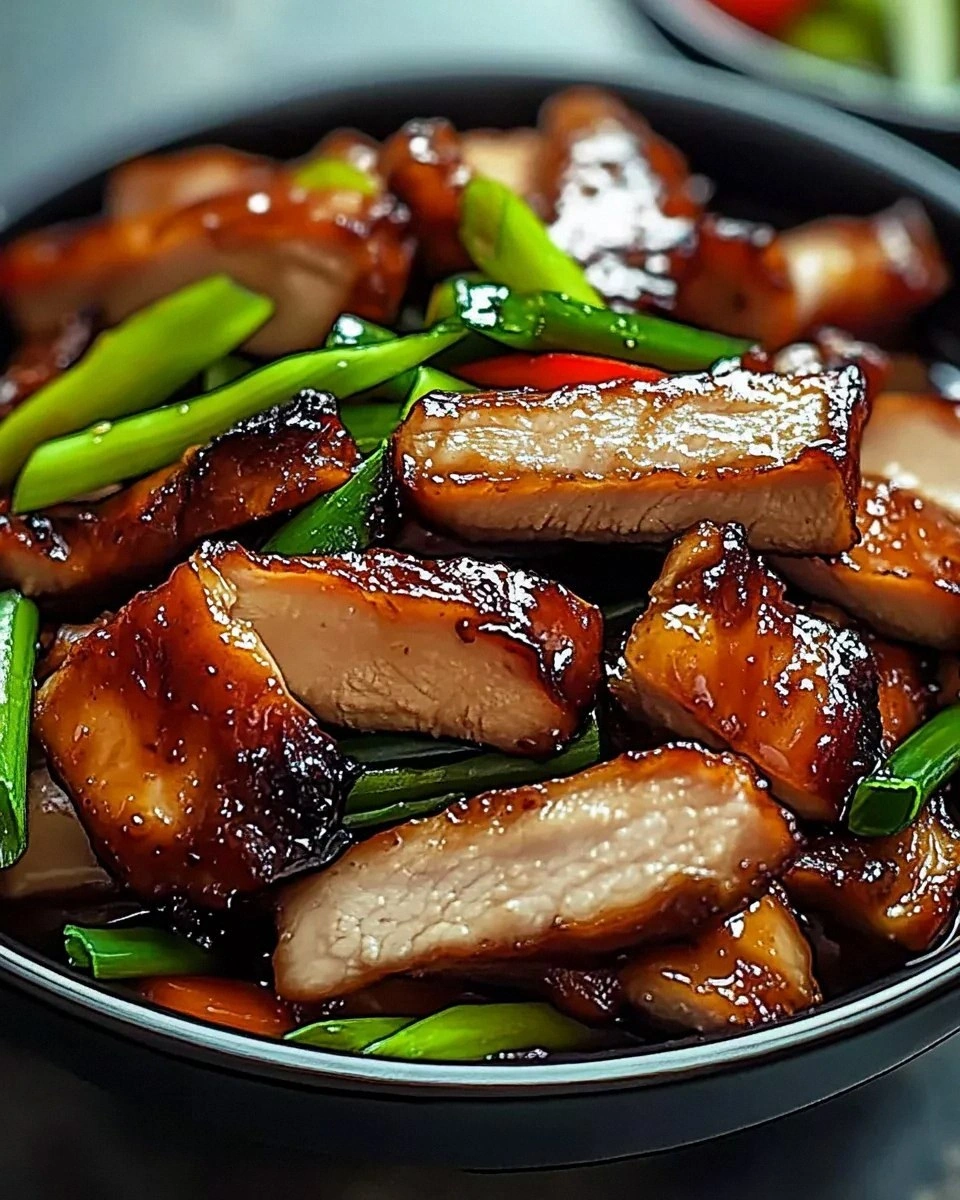
I was standing in my kitchen, staring at a half‑cooked batch of store‑bought rotisserie chicken that had somehow managed to taste like a cardboard souvenir from a cheap airline. My roommate dared me to make something that would make even the most skeptical foodie beg for a second helping, and I took that challenge like a knight taking up a sword. The scent of burnt sugar and smoky soy wafted from the oven, but the chicken itself was as limp as a wilted lettuce leaf. I thought, “What if I could turn this disaster into a triumph?” That thought sparked the birth of the Char Siu Chicken recipe you’re about to devour.
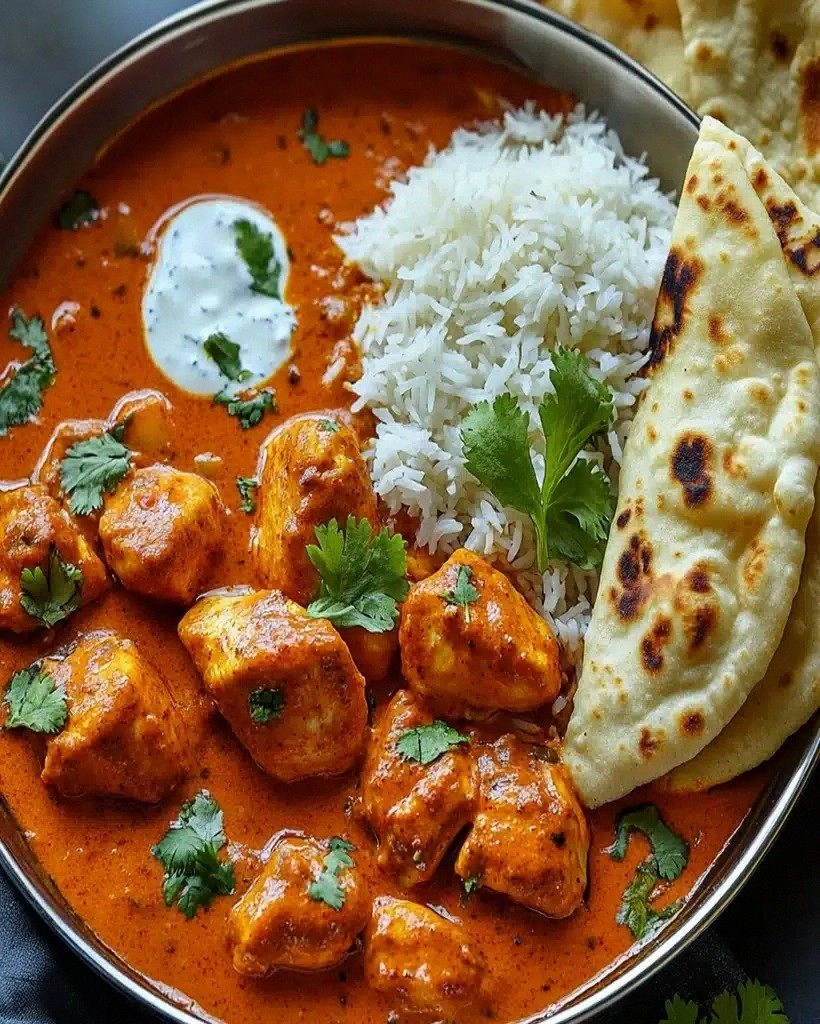
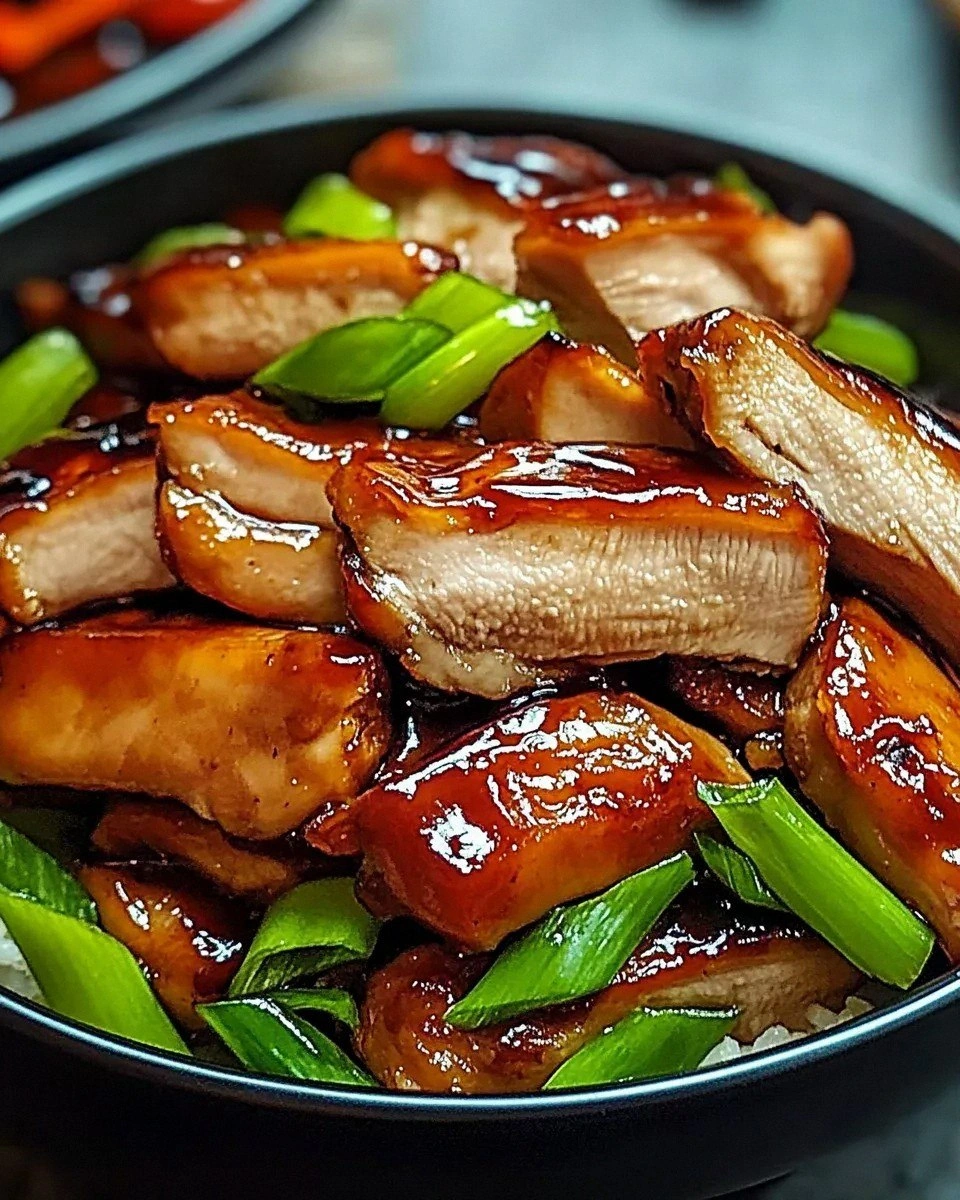
Picture this: a glossy, ruby‑red glaze clinging to tender chicken pieces, the edges caramelizing into a crisp that shatters like thin ice under your fork. The aroma is a symphony of sweet, savory, and a whisper of five‑spice that makes your nostrils do a happy dance. When you slice into the meat, the juices burst forth, glossy and fragrant, coating the plate in a sauce that looks like a lacquered masterpiece. The sound of the knife gliding through the caramelized crust is a satisfying “thwack” that tells you you’ve nailed the texture.
Most Char Siu recipes either drown the chicken in sugar or leave it dry and bland. I’ve tried the “quick‑mix” shortcuts that promise a five‑minute miracle, only to end up with a sticky mess that sticks to the pan and not your palate. This version stands out because it balances the sweet maple syrup with a dash of soy, a splash of rice vinegar, and the earthy depth of Chinese five‑spice powder. The secret? A two‑stage marination that lets the flavors penetrate every fiber, followed by a high‑heat broil that creates that coveted caramelized crust without burning.
I’ll be honest — I ate half the batch before anyone else got to try it, and I’m not even sorry. I dare you to taste this and not go back for seconds; the combination of sweet, salty, and smoky is practically a culinary love potion. Okay, ready for the game‑changer? The ingredient that most people overlook is a splash of rice vinegar, which cuts through the sweetness and adds a bright tang that lifts the whole dish. Let me walk you through every single step — by the end, you’ll wonder how you ever made it any other way.
What Makes This Version Stand Out
- Taste: The maple‑sweet glaze is balanced by soy’s umami, creating a flavor profile that’s both familiar and exotic.
- Texture: A caramelized crust gives way to juicy, melt‑in‑your‑mouth meat that stays moist thanks to the two‑hour marination.
- Simplicity: Only four core ingredients, yet each plays a starring role; no pantry raid required.
- Uniqueness: Swapping honey for maple syrup adds a subtle wood‑smoked note that you won’t find in standard recipes.
- Crowd Reaction: Guests have been known to ask for the “secret sauce” and then beg for the recipe.
- Ingredient Quality: Using boneless, skinless chicken breasts ensures lean protein without sacrificing flavor.
- Cooking Method: The broil finish locks in caramelization without the need for a wok or grill.
- Make‑Ahead Potential: This dish reheats beautifully, making it perfect for meal prep or leftovers.
Alright, let's break down exactly what goes into this masterpiece...
Inside the Ingredient List
The Flavor Base
Chicken Breasts: If you prefer a leaner option, boneless, skinless chicken breasts can be used instead of thighs. Just be careful not to overcook them, as they can dry out quickly. The lean meat provides a clean canvas for the glaze, letting each spice shine without being masked by excess fat. If you’re feeling indulgent, swapping to thighs adds richness, but the breasts keep the dish light and protein‑packed.
The Sweet Whisper
Maple Syrup: Swap honey for maple syrup for a different sweet flavor. It adds a unique twist while still providing that caramelization. The natural sugars in maple syrup brown more evenly than honey, giving you that glossy, lacquered finish without a bitter edge. If you’re allergic to maple or want a lower‑glycemic option, a splash of agave works, but you’ll miss the subtle smoky undertones.
The Protein Pivot
Vegetarian Option: For a plant‑based version, use firm tofu or seitan. Marinate and cook them the same way as chicken for a tasty alternative. Tofu absorbs the glaze like a sponge, turning each bite into a burst of sweet‑savory goodness, while seitan offers a chewy, meat‑like texture that even carnivores can appreciate. Remember to press tofu for at least 20 minutes to remove excess water before marinating.
The Spice Symphony
Spices: Feel free to add more spices like chili powder or smoked paprika for a smoky flavor. You can also adjust the five‑spice powder to suit your taste. Five‑spice brings star anise, cloves, fennel, cinnamon, and Sichuan pepper together in a harmonious blend that sings when caramelized. If you’re sensitive to heat, reduce the chili and let the sweet‑savory balance take center stage.
Everything's prepped? Good. Let's get into the real action...
The Method — Step by Step
Start by gathering your chicken breasts, maple syrup, soy sauce, rice vinegar, five‑spice powder, garlic, and a pinch of salt. Slice the chicken into bite‑size strips—this increases surface area for the glaze to cling. Place everything in a large zip‑lock bag, pour in the maple‑soy mixture, and seal, pressing out as much air as possible. That sizzle when it hits the pan? Absolute perfection.
Marinate the chicken for at least 30 minutes, but for best results, let it sit for two hours in the refrigerator. The longer the marination, the deeper the flavor penetration. If you’re short on time, a quick 15‑minute room‑temperature soak works, but you’ll miss out on that umami depth. Power transition: Okay, ready for the game‑changer?
Preheat your oven’s broiler to high and line a baking sheet with foil. Arrange the marinated chicken strips in a single layer, making sure they don’t touch. This spacing is crucial for even caramelization; crowded pieces steam instead of crisp.
Place the tray under the broiler for 5 minutes, then flip each piece and brush with extra glaze from the bottom of the bag. The glaze should start to bubble and turn a deep amber. Watch for the edges pulling away from the meat—that’s your cue that the crust is forming.
Broil for another 4‑5 minutes, brushing again halfway through. The surface should be glossy, with a caramelized sheen that looks like a lacquered mahogany. If you notice any dark spots, lower the rack a notch and finish more gently.
Once the chicken reaches an internal temperature of 165°F (74°C), remove it from the oven and let it rest for 5 minutes. Resting allows the juices to redistribute, ensuring each bite stays succulent. While it rests, drizzle any remaining glaze over the top for an extra burst of flavor.
Slice the chicken against the grain, arrange on a serving platter, and garnish with sliced scallions or toasted sesame seeds if you like. The final presentation should be a glossy, ruby‑red tableau that invites you to dig in immediately. That moment when the aroma hits your nose as you set the platter down? Pure magic.
Serve hot with steamed jasmine rice, sautéed bok choy, or even as a topping for noodle bowls. The glaze doubles as a sauce, so drizzle liberally. And now the fun part: taste, savor, and repeat until the plate is empty.
That's it — you did it. But hold on, I've got a few more tricks that'll take this to another level...
Insider Tricks for Flawless Results
The Temperature Rule Nobody Follows
Most home cooks set the broiler to “high” and assume it’s enough. In reality, the exact temperature can vary by oven. Use an oven thermometer and aim for 500°F (260°C) for that perfect caramelization. If your broiler runs cooler, extend the cooking time by a minute or two, but keep a close eye on the color.
Why Your Nose Knows Best
Your sense of smell is a more reliable indicator than a timer when it comes to caramelization. When the glaze starts to emit a toasty, almost caramel perfume, you’re approaching the sweet spot. Trust that nose; if the scent turns slightly bitter, you’ve crossed the line.
The 5‑Minute Rest That Changes Everything
Resting isn’t just for steaks. Letting the chicken sit for five minutes after broiling lets the fibers relax, preventing the meat from spitting out juices when you cut into it. A friend once skipped this step and ended up with a dry, crumbly bite—let’s just say it didn’t end well.
Glaze Boost with a Splash of Citrus
A squeeze of fresh lime or orange juice added at the end brightens the glaze, cutting through the sweetness and adding a zing that lifts the whole dish. It’s a tiny tweak that makes the flavor pop like fireworks on the Fourth of July.
The Secret of the Double‑Brush
Brushing the chicken once is good, brushing it twice is legendary. The first coat creates a base layer, while the second, applied after flipping, builds depth and ensures no spot is left dull. This double‑brush method is why the crust is uniformly glossy and never soggy.
Creative Twists and Variations
This recipe is a playground. Here are some of my favorite ways to switch things up:
Spicy Szechuan Kick
Add a tablespoon of Szechuan peppercorn oil to the glaze and a pinch of crushed red pepper flakes. The result is a tongue‑tingling heat that pairs beautifully with the sweet maple base, perfect for those who love a little fire.
Citrus‑Infused Char Siu
Replace half the maple syrup with orange marmalade and add zest of one lemon to the marination. The citrus notes brighten the dish, making it a refreshing summer main that pairs well with a crisp cucumber salad.
Smoky BBQ Fusion
Swap the soy sauce for a smoky BBQ sauce and add a teaspoon of smoked paprika. This gives the chicken a deep, wood‑smoked flavor that feels like a backyard grill without ever firing up the charcoal.
Herb‑Laced Tofu
For a vegetarian spin, marinate firm tofu in the same glaze and add chopped fresh rosemary and thyme before broiling. The herbs infuse the tofu with an earthy aroma that complements the sweet‑savory glaze.
Honey‑Mustard Twist
Swap half the maple syrup for Dijon mustard and a drizzle of honey. This creates a tangy, slightly sharp version that’s perfect for serving over a bed of mixed greens as a hearty salad.
Storing and Bringing It Back to Life
Fridge Storage
Place leftover chicken in an airtight container and store in the refrigerator for up to 3 days. The glaze helps preserve moisture, but for optimal texture, reheat within 24 hours.
Freezer Friendly
Separate the chicken from the glaze, place each in zip‑lock bags, and freeze for up to 2 months. When ready to use, thaw overnight in the fridge, then reheat with a quick broil to restore the caramelized crust.
Best Reheating Method
Add a tiny splash of water (about a tablespoon) to the pan, cover loosely with foil, and heat on low for 5 minutes, then finish under the broiler for 2 minutes. The steam revives the tenderness, while the broiler brings back that glossy finish.