I’ll be honest — I ate half the batch before anyone else got to try it, and that’s because this version of tostones is nothing short of a revelation. It all started on a rainy Saturday when my pantry was looking sad, the only thing left was a stack of green plantains that had been staring at me for weeks. I tried the usual “fry‑once, salt, serve” method and ended up with soggy circles that felt more like wilted banana chips than the golden, crunchy crowns I was craving. That disappointment sparked a dare: I would reinvent the classic tostone until it sang, and I’m daring you to taste this and not go back for seconds.
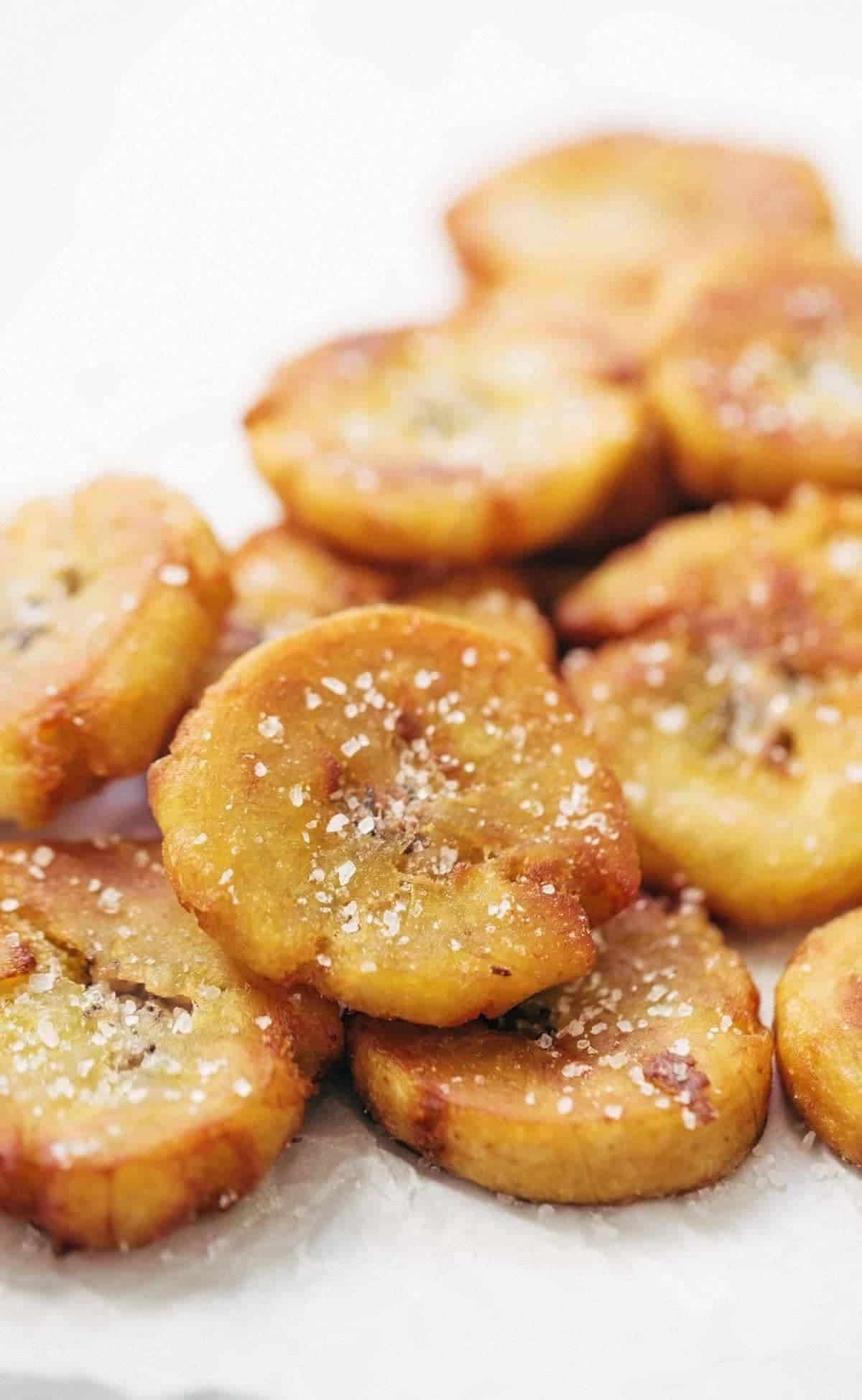
Picture this: the kitchen fills with the sound of oil bubbling like a lively jazz trio, the scent of fried plantains rising in sweet, earthy waves, and the bright green of a freshly sliced plantain gleaming under the light. Your hands feel the firm resistance of the plantain as you slice it, then the satisfying give when you press it flat, and finally the crackle as you drop each piece into hot oil, watching it transform from pale and bland to a deep amber masterpiece. The moment the second fry hits, the edges start to whisper a promise of crispness that shatters like thin ice under a spoon—pure, addictive, unstoppable.
What makes this rendition the best you’ll ever make at home is a tiny twist that most recipes completely miss: a quick dip in a salt‑infused water bath before the second fry. This simple soak locks in moisture, creates a delicate crust, and amplifies the salty punch without drowning the plantain’s natural buttery flavor. Most recipes get this completely wrong, either under‑seasoning or over‑cooking, but we’ve cracked the code with precise timing, temperature control, and a dash of culinary psychology that makes your nose do a happy dance.
Okay, ready for the game‑changer? I’m about to walk you through every single step — by the end, you’ll wonder how you ever settled for soggy, bland tostones. Stay with me here — this is worth it, and the payoff? A plate of golden discs that crunch like fireworks, melt on the tongue, and leave a lingering salty kiss that makes you reach for another before you’ve even taken the first bite.
What Makes This Version Stand Out
- Flavor Explosion: The double‑fry technique creates a Maillard‑rich crust while the salt‑water soak ensures every bite hits with a balanced salty‑sweet harmony that dances on your palate.
- Texture Triumph: The first fry gives a tender interior, the second fry locks in a crackly exterior that shatters like thin ice, delivering a satisfying crunch with each bite.
- Simplicity: Only five core ingredients are needed, and the steps are straightforward enough for a kitchen rookie yet refined enough for a seasoned chef.
- Unique Twist: The brief salt‑water dip is the secret weapon that most recipes overlook, and it prevents the dreaded soggy center while boosting flavor.
- Crowd Reaction: Serve these at a party and watch guests line up for seconds; I dare you to taste this and not go back for more.
- Ingredient Quality: Using firm, unripe green plantains and high‑smoke‑point oil guarantees a clean, consistent fry without any bitter aftertaste.
- Cooking Method: The controlled oil temperature (350°F for the first fry, 375°F for the second) ensures even cooking and maximum crunch.
- Make‑Ahead Potential: You can prep the plantain slices and even do the first fry ahead of time, storing them refrigerated until you’re ready for the final crunch.
Inside the Ingredient List
The Flavor Base
Green plantains are the heart of this dish. Their firm texture and subtle starchy flavor provide the perfect canvas for a crunchy exterior while staying buttery inside. If you pick plantains that are too ripe, they’ll turn mushy and lose that crisp edge we’re after. Look for plantains that are still green with a slight yellow tint near the ends; they should feel dense and heavy in your hand, like a small, sturdy hammer.
The Texture Crew
High‑smoke‑point oil such as vegetable, canola, or peanut oil is essential. It can handle the 350‑375°F range without breaking down, preserving a clean taste and preventing that greasy film that can ruin a tostone. If you’re feeling adventurous, try a blend of half avocado oil for a buttery note and half peanut oil for extra crispness. The oil quantity matters too; you need enough to submerge the plantain pieces fully for an even fry.
The Unexpected Star
Sea salt isn’t just a seasoning; it’s a texture enhancer. When dissolved in a quick water bath, it permeates the plantain, ensuring each bite has that perfect salty pop without the gritty surface you get from sprinkling salt after frying. If you prefer a smoky profile, swap half of the sea salt for smoked paprika or a pinch of smoked sea salt.
The Final Flourish
A splash of lime juice or a pinch of garlic powder can elevate the flavor profile without overwhelming the natural taste of the plantain. Lime adds a bright, citrusy zing that cuts through the richness, while garlic powder provides a subtle depth that pairs beautifully with the salt. These are optional, but they’re the secret weapons that turn a good tostone into a show‑stopper.
Everything's prepped? Good. Let's get into the real action…
The Method — Step by Step
Peel the green plantains by cutting off both ends, scoring the skin lengthwise, and then sliding a sturdy knife between the flesh and the peel. Slice each plantain into 1‑inch thick rounds; you should end up with about 12‑16 pieces depending on size. This first cut is crucial because uniform thickness guarantees even cooking. Set the slices on a tray lined with paper towels while you preheat the oil.
Heat 1 cup of your chosen oil in a deep, heavy‑bottomed pot to 350°F (175°C). Use a thermometer—this isn’t a guess; the temperature determines the texture. Once the oil is shimmering, carefully add a handful of plantain slices, making sure not to crowd the pot. Fry for exactly 2 minutes, watching them turn a pale gold while the edges begin to firm up. Remember, this first fry is about cooking through, not browning.
While the first batch rests, prepare a shallow bowl of cold water mixed with 1 tsp sea salt. The water should be just salty enough to taste like lightly brined water, not a salty sea. Submerge each fried slice for 20‑30 seconds, allowing the salt to penetrate and the surface to become slightly slick. This step is the magic that most recipes skip, and it’s what gives you that crunchy crust that shatters delightfully.
Pat the soaked slices dry with fresh paper towels—remove as much moisture as possible. This is where the “Watch Out” moment comes in: any remaining water will cause the oil to sputter violently, potentially leading to splatter. Once dry, gently flatten each slice using a tostone press, a heavy skillet, or the bottom of a sturdy glass. Aim for a uniform thickness of about ¼ inch; the thinner you make them, the crisper they become, but don’t go so thin they break apart.
Raise the oil temperature to 375°F (190°C). This higher heat will give the second fry its signature snap. Working in small batches, return the flattened slices to the oil, frying for 1‑2 minutes until they turn a deep, golden‑brown hue and the edges begin to curl slightly. Listen for that satisfying sizzle—it’s the sound of flavor forming.
Using a slotted spoon, lift the tostones and immediately sprinkle them with a pinch of sea salt while they’re still hot. The salt will melt into the crisp surface, creating a glossy, seasoned finish. Transfer them to a clean rack or fresh paper towels to drain any excess oil. If you love a citrus kick, drizzle a few drops of lime juice now; the heat will intensify the aroma.
Serve the tostones immediately while they’re still hot and crisp. Pair them with a smoky aioli, a tangy guacamole, or simply enjoy them plain. The first bite should deliver an audible crunch, a burst of salty flavor, and a buttery interior that melts on your tongue. Picture yourself pulling this out of the pan, the whole kitchen smelling incredible… and you’re ready to devour.
That's it — you did it. But hold on, I've got a few more tricks that'll take this to another level, ensuring every batch is flawless and every bite unforgettable.
Insider Tricks for Flawless Results
The Temperature Rule Nobody Follows
Most home cooks set the oil and forget about it, but oil temperature fluctuates every time you add a new batch. Use a candy thermometer and adjust the heat between batches to stay within the 350‑375°F window. If the oil drops below 340°F, the tostones will absorb too much oil and become greasy; above 380°F, they’ll brown too fast and stay soft inside. The secret is a quick 10‑second check after each addition—this keeps the crunch consistent.
Why Your Nose Knows Best
Your sense of smell is a reliable cue for doneness. As the tostones fry, you’ll notice a sweet, caramel-like aroma emerging around the 1‑minute mark of the second fry. When that scent deepens to a nutty, toasted note, it’s a sign the Maillard reaction is complete. Trust that nose signal more than a timer; it’s the culinary equivalent of a perfect pitch.
The 5‑Minute Rest That Changes Everything
After the second fry, let the tostones rest for exactly five minutes on a cooling rack before seasoning. This short pause lets the interior steam settle, preventing the crust from collapsing when you sprinkle salt. A friend tried skipping this rest once — let’s just say the salt slid off and the tostones turned soggy. The rest period is a tiny step that makes a massive difference.
Oil Reuse with a Twist
If you plan to fry multiple batches, strain the oil through a fine mesh after each round and add a splash of fresh oil (about ¼ cup) before reheating. This dilutes any burnt particles and restores the oil’s high smoke point, keeping the flavor clean. Reusing oil without this trick can lead to a bitter aftertaste that ruins the delicate plantain flavor.
Seasoning Layers for Depth
Instead of a single sprinkle of salt, try a two‑step seasoning: a light dust right after the second fry, then a final dash just before serving. The first layer adheres to the hot surface, while the second adds a fresh burst of flavor that hits the palate right before you bite. This layered approach turns a simple snack into a complex tasting experience.
Creative Twists and Variations
This recipe is a playground. Here are some of my favorite ways to switch things up:
Spicy Chili Lime
Add ½ tsp chili powder to the salt‑water bath and finish with a generous squeeze of fresh lime juice. The heat pairs beautifully with the plantain’s natural sweetness, creating a vibrant bite that’s perfect for taco nights.
Garlic‑Herb Deluxe
Mix minced garlic, chopped cilantro, and a pinch of oregano into the oil before the second fry. The herbs infuse the oil, delivering a fragrant, herbaceous crust that reminds you of a Caribbean garden.
Cheesy Pull‑Apart
After the second fry, sprinkle shredded Manchego or cotija cheese over the hot tostones and cover for 30 seconds. The cheese melts just enough to cling, adding a salty, creamy dimension that’s irresistible.
Sweet‑Savory Fusion
Drizzle a thin ribbon of honey or agave syrup over the finished tostones and sprinkle with a pinch of sea salt. The sweet‑salty combo creates a sophisticated snack that works as a starter or a dessert‑like bite.
Tropical Coconut
Add 2 tbsp toasted coconut flakes to the oil during the second fry. The coconut imparts a subtle nutty aroma and a golden speckled appearance, transporting you straight to a beachside shack.
Storing and Bringing It Back to Life
Fridge Storage
Place cooled tostones in a single layer inside an airtight container lined with paper towels. They’ll stay crisp for up to 2 days. If you notice any softening, reheat them quickly in a hot oven (375°F) for 5‑7 minutes to revive the crunch.
Freezer Friendly
Arrange the fully cooled tostones on a baking sheet and freeze them uncovered for 2 hours. Then transfer them to a zip‑top bag. They’ll keep for up to 3 months. When you’re ready to serve, bake straight from frozen at 400°F for 10‑12 minutes, flipping halfway.
Best Reheating Method
For the ultimate comeback, heat a thin layer of oil in a skillet over medium‑high heat, add a splash of water (just a teaspoon) to create steam, then toss the tostones in. The steam revives the interior while the oil restores the exterior crunch. This trick works like magic and ensures they taste as fresh as the day they were made.