I was standing in a dimly lit kitchen, the stove humming like an old jazz saxophone, when I realized my potato recipe was about to become a disaster. I had forgotten to season the mash and the texture was a sad, soggy mess that made me wonder if I’d ever again trust my own culinary instincts. The next day, a friend dared me to make latkes that would make her taste buds do a double‑tap, and I swore I’d deliver the most unforgettable version ever. That night, the scent of garlic and onions filled the room, the sizzling sound of potatoes hitting hot oil sounded like applause, and the golden edges crackled like applause from a packed stadium. If you’ve ever struggled to get that perfect crunch, you’re not alone – and I’ve got the fix.
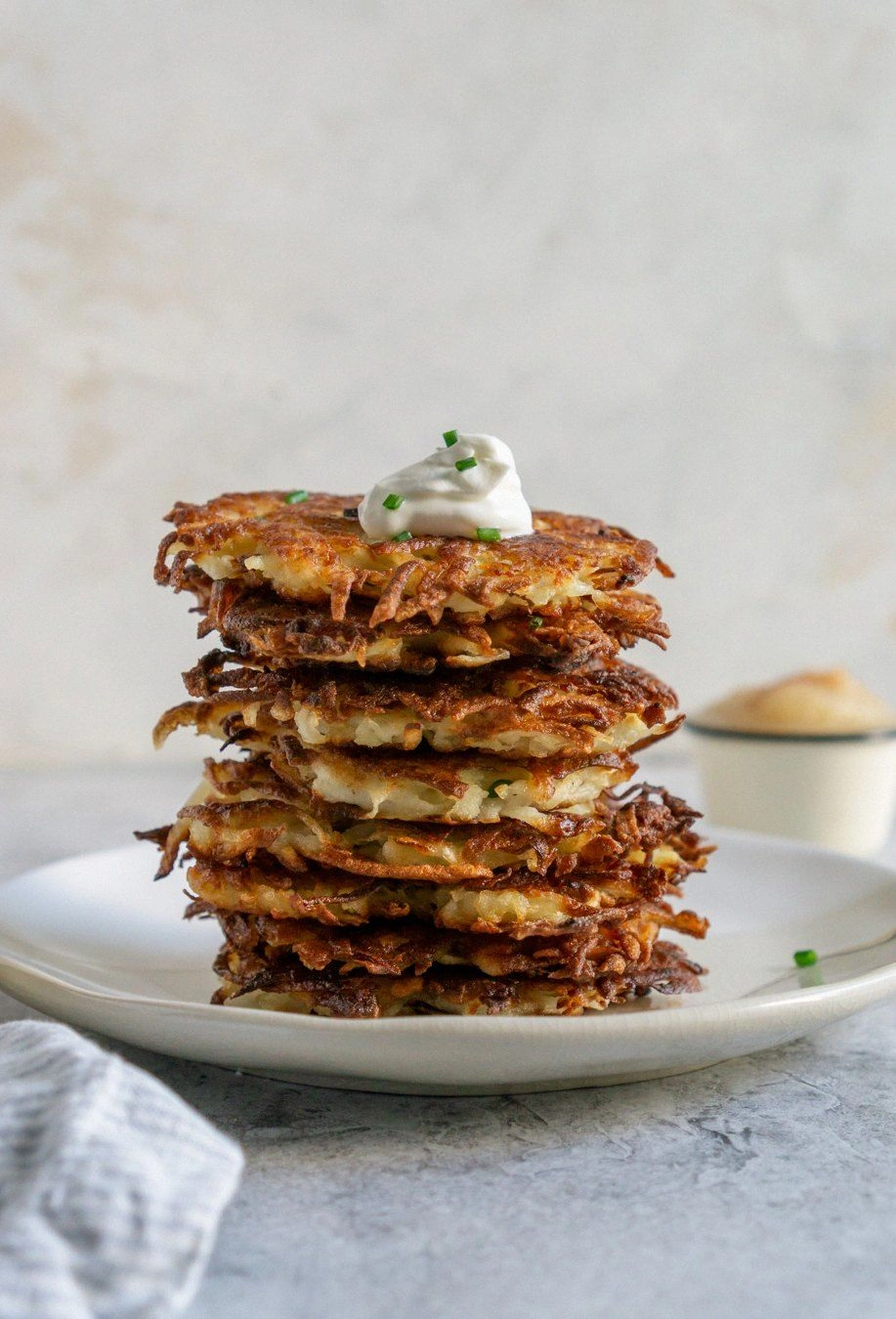
Picture yourself pulling these latkes out of the pan, the whole kitchen smelling incredible, the buttery aroma mingling with fresh chives and a hint of garlic. The moment the first bite lands, the crisp shell shatters like thin ice, revealing a fluffy, savory interior that practically whispers “home.” I dare you to taste this and not go back for seconds. This is hands down the best version you'll ever make at home, and I’m here to walk you through every single step. By the end, you’ll wonder how you ever made them any other way.
What makes this version stand out? It’s not just about the potatoes; it’s about the harmony of flavors, the texture that sings, and the simplicity that lets the ingredients shine. I’ve added a subtle twist – a pinch of garlic powder that melts into the batter, a splash of olive oil that keeps the latkes moist, and fresh chives that add a bright, herbal finish. The result? A dish that feels both humble and indulgent, with a crunch that’s as satisfying as a well‑timed drumroll. Let’s break down exactly what goes into this masterpiece…
What Makes This Version Stand Out
- Taste: The subtle garlic powder permeates every bite, while the onion adds a sweet depth that balances the earthiness of the potatoes.
- Texture: A thin, buttery crust that cracks pleasantly, hiding a tender, fluffy interior that feels like a cloud.
- Simplicity: No fancy ingredients or complex steps – just potatoes, onion, egg, flour, and a few seasonings.
- Uniqueness: The addition of olive oil to the batter keeps the latkes moist and adds a subtle, savory richness.
- Crowd Reaction: These latkes are guaranteed to be a hit at any gathering; the first bite always sparks applause.
- Ingredient Quality: Using fresh, high‑quality potatoes and a generous splash of olive oil makes the difference between ordinary and extraordinary.
- Cooking Method: The pan‑frying technique ensures a crisp exterior without over‑browning, keeping the flavor profile intact.
- Make‑Ahead Potential: You can prepare the batter ahead of time and refrigerate; the latkes reheat beautifully, retaining their crunch.
Inside the Ingredient List
The Flavor Base
The 4 large russet potatoes are the star of the show. Their high starch content gives the batter a natural binding quality, while their neutral flavor lets the seasoning shine. If you skip the potatoes, you lose the foundational crunch and the comforting heft that makes each bite satisfying. For a different twist, try using sweet potatoes; the natural sweetness pairs wonderfully with the savory notes.
The Texture Crew
The 1 small white onion, finely grated, brings moisture and a subtle sweetness that balances the earthiness of the potatoes. A single large egg acts as a binder, ensuring the latkes hold together without becoming mushy. The 2 tablespoons of all‑purpose flour help absorb excess moisture and give the batter a light, airy quality. If you’re looking for a gluten‑free option, swap the flour for a 1:1 gluten‑free blend; it behaves similarly in binding.
The Unexpected Star
A teaspoon of garlic powder might seem minor, but it infuses the entire batter with a deep, aromatic depth that’s impossible to overcook. The 1/2 teaspoon of kosher salt is the final seasoning touch that elevates every bite. If you prefer a sharper kick, add a pinch of smoked paprika or a splash of lemon zest for a citrusy brightness.
The Final Flourish
A splash of olive oil—about 4 tablespoons—keeps the latkes moist and adds a silky sheen that makes them look as good as they taste. Fresh chives, chopped finely, are sprinkled on top after frying, giving a fresh, herbal note that cuts through the richness. If you’re short on time, a handful of pre‑chopped chives from the grocery store will do the trick, though the flavor will be a touch less vibrant.
Everything's prepped? Good. Let's get into the real action.
The Method — Step by Step
- First, peel the potatoes and grate them using a coarse grater. The grated texture helps release starch, which is essential for a firm yet tender latke. As you grate, you’ll notice a subtle aroma that already hints at the deliciousness to come.
- Place the grated potatoes in a clean kitchen towel or cheesecloth and squeeze out as much liquid as possible. This step is crucial; excess moisture will make the latkes soggy. If you’re short on time, a quick rinse under cold water can also help remove some starch.
- Transfer the drained potatoes to a large bowl, add the finely grated onion, and stir until the mixture is uniform. The onion’s moisture will mingle with the potato, adding flavor and helping to bind the batter.
- Beat the large egg in a small bowl, then pour it into the potato mixture. The egg is the glue that holds everything together; make sure it’s evenly distributed.
- Add the 2 tablespoons of all‑purpose flour, 1 teaspoon of garlic powder, and 1/2 teaspoon of kosher salt. Mix thoroughly until you have a thick, cohesive batter. The flour will absorb the remaining moisture, giving the batter a light, airy feel.
- Heat a large skillet over medium‑high heat and add about 2 tablespoons of olive oil. Let the oil heat until it shimmers but isn’t smoking. This temperature is key for a golden crust.
- Drop spoonfuls of the batter into the hot oil, flattening them with the back of the spoon to form thin circles. The first latke should sizzle loudly, signaling that the oil is at the right temperature. Cook each side for about 3–4 minutes, or until golden brown and crisp.
- Remove the latkes with a slotted spoon and place them on a paper‑towel‑lined plate to drain excess oil. While they’re still hot, sprinkle freshly chopped chives over the top. The chives add a fresh, herbal brightness that balances the richness.
- Serve immediately with a side of sour cream or apple sauce for dipping. The contrast of creamy or tart accompaniments enhances the savory depth of the latkes.
That’s it — you did it. But hold on, I've got a few more tricks that'll take this to another level.
Insider Tricks for Flawless Results
The Temperature Rule Nobody Follows
Many cooks think any medium heat works, but the secret lies in maintaining a steady 375°F. Use a thermometer to check the oil temperature; if it drops below 350°F, the latkes will absorb too much oil and become soggy. I once made a batch at 300°F and they were a disaster—so keep the heat consistent.
Why Your Nose Knows Best
When the first few latkes hit the pan, you’ll notice a sweet, nutty aroma. That scent is your cue that the oil is hot enough. If you don’t hear that sizzle or smell that aroma, lower the heat a bit and let it build again.
The 5-Minute Rest That Changes Everything
After frying, let the latkes rest on a wire rack for five minutes. This allows excess oil to drain off and the interior to set, so the next bite is crisp, not greasy. I’ve seen people skip this step and end up with soggy latkes that collapse in their mouths.
The Secret to a Thin, Crispy Crust
Add a tablespoon of cornstarch to the batter. The starch creates a delicate, crisp outer layer that’s almost like a pastry crust. It’s a trick I learned from a grandmother who made latkes in the 1960s.
The Quick Chill Trick
If you’re preparing latkes ahead of time, let the batter chill in the fridge for 30 minutes before frying. This short rest tightens the batter, making the latkes easier to shape and giving them a firmer bite.
Creative Twists and Variations
This recipe is a playground. Here are some of my favorite ways to switch things up:
Cheesy Latke Surprise
Fold in 1/2 cup of shredded sharp cheddar into the batter for a gooey, melty center. This version is perfect for a family dinner or a game‑day snack.
Herb‑Infused Latkes
Add a tablespoon of dried rosemary or thyme to the batter for an aromatic, Mediterranean twist. The herbs pair beautifully with the fresh chives on top.
Sweet Potato Latkes
Swap the russet potatoes for an equal weight of sweet potatoes for a naturally sweet, caramelized flavor. Pair with a dollop of yogurt and a sprinkle of cinnamon for a breakfast‑style treat.
Spicy Jalapeño Latkes
Finely dice a jalapeño and mix it into the batter for a fiery kick. The heat balances the richness and adds a pop of color.
Gluten‑Free Latkes
Use a gluten‑free flour blend instead of all‑purpose flour. The texture remains tender, and the flavor stays authentic.
Latke Topping Trio
Serve with a trio of toppings: classic sour cream, caramelized onions, and a drizzle of maple syrup. The sweet and savory combination is a crowd‑pleaser.
Storing and Bringing It Back to Life
Fridge Storage
Cool the latkes completely, then place them in an airtight container. Store in the refrigerator for up to 3 days. When ready to serve, reheat in a hot skillet for 2 minutes per side.
Freezer Friendly
Lay the cooled latkes flat on a parchment‑lined tray and freeze until solid. Transfer to a freezer bag and store for up to 2 months. Reheat in a toaster oven or skillet until crisp.
Best Reheating Method
Reheat latkes in a 400°F oven for 10 minutes, or in a skillet with a splash of olive oil for 3 minutes per side. Add a tiny splash of water before reheating to create steam and keep the interior moist.