I was standing in my kitchen, staring down a half‑baked batch of store‑bought cinnamon rolls that had somehow turned into a sad, soggy mess. The sweet aroma that usually lifts my spirits was replaced by a flat, burnt‑sugar whiff that made me wonder if I’d ever taste a decent cinnamon roll again. That moment of culinary despair sparked a dare: I would create a pull‑apart cinnamon roll that could out‑shine any bakery, any brunch buffet, any midnight snack craving. I rolled up my sleeves, dusted the counter with flour, and set out on a mission that felt part science experiment, part love letter to cinnamon.
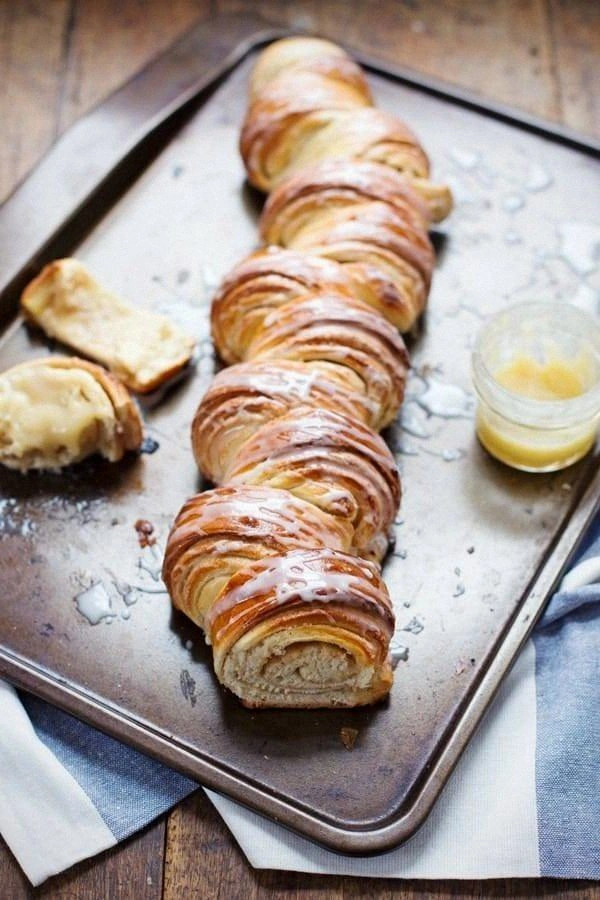
Picture this: a golden‑brown, buttery loaf that you can literally pull apart, each piece dripping with gooey cinnamon‑sugar swirl and a whisper of cream cheese glaze that glistens like sunrise on a lake. The moment you break off a piece, the steam rises, carrying the scent of warm spice, sweet butter, and a hint of vanilla that makes your mouth water before you even take a bite. The crust cracks with a satisfying snap, while the interior stays soft, fluffy, and just‑the‑right‑chewy, like a cloud that’s been kissed by caramel. It’s the kind of treat that makes you pause whatever you’re doing, stare at the loaf, and think, “I could eat this every day and never get bored.”
Most cinnamon roll recipes get the dough right but botch the pull‑apart aspect, ending up with sticky, uneven pieces that fall apart the moment you try to serve them. This version flips the script by using a high‑gluten flour blend, a precise butter‑folding technique, and a secret splash of milk‑based buttermilk that gives the dough a tender crumb while keeping it sturdy enough to hold together when you pull. The result? A loaf that’s both delicate and robust, with layers that separate cleanly yet stay moist. And the icing? I’m talking about a cream cheese frosting that’s tangy enough to cut through the sweetness, creating a perfect balance that makes each bite feel like a celebration.
I’ll let you in on a little secret that most recipes overlook: the caramelized butter and sugar mixture should be cooked just until it reaches a deep amber hue, not just melted. That color is the difference between “meh” and “wow” because it adds a subtle, almost nutty depth to the cinnamon filling. I dare you to taste this and not go back for seconds. Let me walk you through every single step — by the end, you’ll wonder how you ever made it any other way.
What Makes This Version Stand Out
- Taste: The caramelized butter and brown sugar create a deep, toasty sweetness that pairs perfectly with the warm spice of cinnamon, while the tangy cream cheese glaze adds a bright finish.
- Texture: A crisp, caramelized crust gives way to a pillowy, melt‑in‑your‑mouth interior that pulls apart cleanly without crumbling.
- Simplicity: Despite the impressive results, the recipe uses pantry staples and a straightforward folding method—no fancy equipment required.
- Uniqueness: The pull‑apart format turns a classic breakfast pastry into a shareable, interactive dessert that feels special at any gathering.
- Crowd Reaction: Guests invariably ask for the “secret ingredient,” and you’ll get to smile knowingly while they reach for another piece.
- Ingredient Quality: Using high‑gluten flour and real butter elevates the dough’s structure and flavor, making a noticeable difference over all‑purpose flour and margarine.
- Cooking Method: The two‑stage bake—first at a high temperature for a crust, then lower to finish the interior—ensures perfect doneness throughout.
- Make‑Ahead Potential: This loaf freezes beautifully; simply reheat with a splash of water for a fresh‑out‑of‑the‑oven experience.
Inside the Ingredient List
The Flavor Base
All‑purpose flour is the backbone, but we upgrade to high‑gluten flour (often labeled “bread flour”) to give the dough that extra chew and structure. If you skip this, the loaf will be too tender and may crumble when you try to pull it apart. You can substitute a mix of 75% all‑purpose and 25% whole‑wheat for a nuttier flavor, but expect a denser crumb. When buying flour, look for a fresh bag—flour can absorb odors over time, which dulls the sweet‑spice profile.
The Texture Crew
Unsalted butter, melted and then caramelized with brown sugar, is the star here. It creates that deep amber hue that signals flavor depth. If you use salted butter, you’ll need to cut back on added salt, and the overall taste will be slightly off‑balance. For a dairy‑free version, try a high‑quality coconut oil, but be aware the coconut flavor will compete with the cinnamon. The buttermilk (or a mix of milk and lemon juice) adds acidity, which strengthens gluten development, yielding a tender crumb that still holds together.
The Unexpected Star
Cream cheese frosting might seem like a typical topping, but its tang cuts through the sweet butter‑sugar glaze, preventing the palate from becoming cloyed. Using full‑fat cream cheese ensures a rich, silky texture; low‑fat versions turn grainy. If you’re out of cream cheese, a mixture of Greek yogurt and powdered sugar works in a pinch, though the flavor will be less decadent. A splash of vanilla extract in the frosting adds a subtle aromatic layer that rounds out the flavor profile.
The Final Flourish
A pinch of sea salt amplifies the sweetness and balances the richness of butter. Too much salt, however, will overpower the delicate cinnamon notes. Freshly ground cinnamon is non‑negotiable—its essential oils are what give that warm, aromatic punch. If you love a little heat, a dash of ground nutmeg or cardamom can add complexity without stealing the show. Finally, a light dusting of powdered sugar just before serving adds a glossy finish and a hint of extra sweetness.
Everything's prepped? Good. Let's get into the real action...

The Method — Step by Step
Begin by whisking together the warm milk (about 110°F), the buttermilk, and the active dry yeast. Let it sit for 5‑7 minutes until the mixture becomes foamy, a sign that the yeast is alive and kicking. While you wait, preheat your oven to 375°F (190°C). This initial rise gives the dough a light, airy foundation that will later support the pull‑apart structure.
In a large mixing bowl, combine the high‑gluten flour, sugar, and a pinch of salt. Create a well in the center and pour in the melted butter, the beaten egg, and the yeast mixture. Using a wooden spoon, stir until a shaggy dough forms, then turn it out onto a lightly floured surface.
Knead the dough for about 8‑10 minutes, until it becomes smooth and elastic. You’ll know it’s ready when a small windowpane test shows the dough stretching thin without tearing. Power tip: If the dough feels too sticky, sprinkle a little extra flour—just a tablespoon at a time—to avoid over‑flouring, which can make the loaf dense.
Kitchen Hack: After the first knead, let the dough rest for 10 minutes under a damp towel; this relaxes the gluten and makes the next fold easier.While the dough rests, prepare the cinnamon filling. In a saucepan, melt butter over medium heat, then add brown sugar and stir until it dissolves and turns a deep amber color—watch closely, because a second too long and you’ll get bitter burnt notes. Remove from heat and whisk in the ground cinnamon, a pinch of nutmeg, and a splash of vanilla. Let the mixture cool slightly before spreading.
Roll the rested dough into a rectangle about 12×18 inches. Brush the surface lightly with the melted butter from the filling, then evenly spread the cinnamon‑sugar mixture, leaving a small border around the edges. This border helps seal the loaf later, preventing the filling from oozing out during baking.
Starting from the long side, roll the dough tightly into a log. Pinch the seam to seal, then place the log seam‑side down on a parchment‑lined baking sheet. Cover loosely with plastic wrap and let it rise for another 30‑40 minutes, or until it’s puffy and has increased in size by about 50%.
When the dough has risen, preheat the oven again to 375°F if it’s cooled down. Score the top of the loaf with a sharp knife in a crosshatch pattern—this isn’t just decorative; it guides the pull‑apart action, creating natural “handles.” Then, drizzle a thin layer of the remaining caramelized butter over the top, allowing it to seep into the cuts.
Watch Out: Avoid opening the oven door during the first 15 minutes of baking; temperature fluctuations can cause the crust to collapse.Bake for 20‑25 minutes, until the top is golden‑brown and the edges are crisp. The aroma should fill your kitchen like a warm hug—if you can smell the caramelized butter and cinnamon mingling, you’re on the right track. Rotate the pan halfway through for even browning.
While the loaf cools, whip together cream cheese, softened butter, powdered sugar, and a dash of vanilla until smooth and fluffy. Once the loaf has cooled to a warm touch (about 10 minutes), drizzle the frosting generously over the top, letting it melt into the crevices. The frosting will set slightly as the loaf rests, creating a glossy, indulgent finish.
Finally, let the loaf sit for 5 minutes before serving. Pull apart a piece, watch the steam rise, and take that first bite. The crust should crack with a satisfying snap, the interior stay soft, and the frosting melt luxuriously on your tongue. That, my friend, is pure magic.
That's it — you did it. But hold on, I've got a few more tricks that'll take this to another level...
Insider Tricks for Flawless Results
The Temperature Rule Nobody Follows
Never bake a cinnamon roll loaf straight from the fridge. Cold dough contracts when it hits the oven, leading to a dense interior. Let the shaped loaf rest at room temperature for at least 20 minutes after the final rise; this allows the yeast to finish its work and the dough to relax, resulting in a lighter crumb. I once tried skipping this step, and the loaf turned out as hard as a brick—lesson learned.
Why Your Nose Knows Best
Instead of relying solely on a timer, trust your senses. When the crust turns a deep golden hue and you can smell the buttery caramel notes, the loaf is likely done. If you’re unsure, tap the bottom—if it sounds hollow, you’ve nailed the bake. This sensory checkpoint is the difference between a perfectly cooked loaf and one that’s under‑ or over‑done.
The 5‑Minute Rest That Changes Everything
After frosting, let the loaf rest for exactly five minutes before slicing. This short pause allows the frosting to set just enough to stay on the surface without sliding off, while the interior continues to steam, keeping it moist. A friend once rushed to the table and found the frosting sliding off like a melted snowball—don’t be that friend.
Butter‑Fold Technique for Flaky Layers
Before the final roll, fold the dough over itself twice, like a simple lamination. This creates thin layers of butter that puff up during baking, giving the crust that coveted flaky texture. It’s a small extra step that yields a professional‑grade finish without any special equipment.
Cold Butter, Hot Oven
Keeping the butter cold until the last minute ensures it doesn’t fully melt into the dough during the initial rise. When it finally hits the hot oven, those solid butter chunks melt rapidly, creating steam pockets that lift the dough and give it that airy, pull‑apart quality. If the butter is too warm, the dough becomes greasy and won’t rise properly.
Creative Twists and Variations
This recipe is a playground. Here are some of my favorite ways to switch things up:
Apple‑Cinnamon Fusion
Dice a crisp apple and toss it with a bit of lemon juice, cinnamon, and brown sugar. Scatter the mixture over the dough before rolling. The apples soften during baking, adding juicy pockets that contrast beautifully with the buttery crust.
Chocolate Hazelnut Dream
Swap half of the brown sugar for cocoa powder and fold in chopped toasted hazelnuts. Finish with a drizzle of chocolate ganache instead of cream cheese frosting for a decadent twist that feels like a dessert bar.
Savory Breakfast Spin
Replace the cinnamon with a blend of rosemary, thyme, and cracked black pepper. Add shredded cheddar and cooked bacon bits to the filling, then glaze with a light egg wash. This turns the loaf into a savory brunch centerpiece.
Maple Pecan Delight
Stir pure maple syrup and chopped pecans into the caramelized butter before spreading. Top the finished loaf with a maple‑infused cream cheese frosting for a nutty, autumn‑inspired treat.
Pumpkin Spice Surprise (Seasonal)
Incorporate pumpkin puree into the dough and add pumpkin pie spice to the cinnamon mix. The orange‑hued interior pairs wonderfully with a cream cheese frosting spiked with a pinch of cinnamon.
Storing and Bringing It Back to Life
Fridge Storage
Wrap the cooled loaf tightly in plastic wrap or store it in an airtight container. It will stay fresh for up to three days. Before serving, let it sit at room temperature for 15 minutes to let the frosting soften.
Freezer Friendly
Slice the loaf into individual pull‑apart sections, then wrap each piece in parchment and place them in a freezer‑safe bag. Freeze for up to two months. To reheat, pop a piece in the microwave for 20‑30 seconds or bake at 350°F for 8‑10 minutes, adding a tiny splash of water to the tray to create steam.
Best Reheating Method
For the ultimate texture, preheat your oven to 325°F, place the whole loaf on a baking sheet, and cover loosely with foil. Heat for 10‑12 minutes, then remove the foil for the last 2 minutes to re‑crisp the crust. The added water trick (a teaspoon on the bottom of the pan) ensures the interior stays moist while the exterior regains its golden crunch.