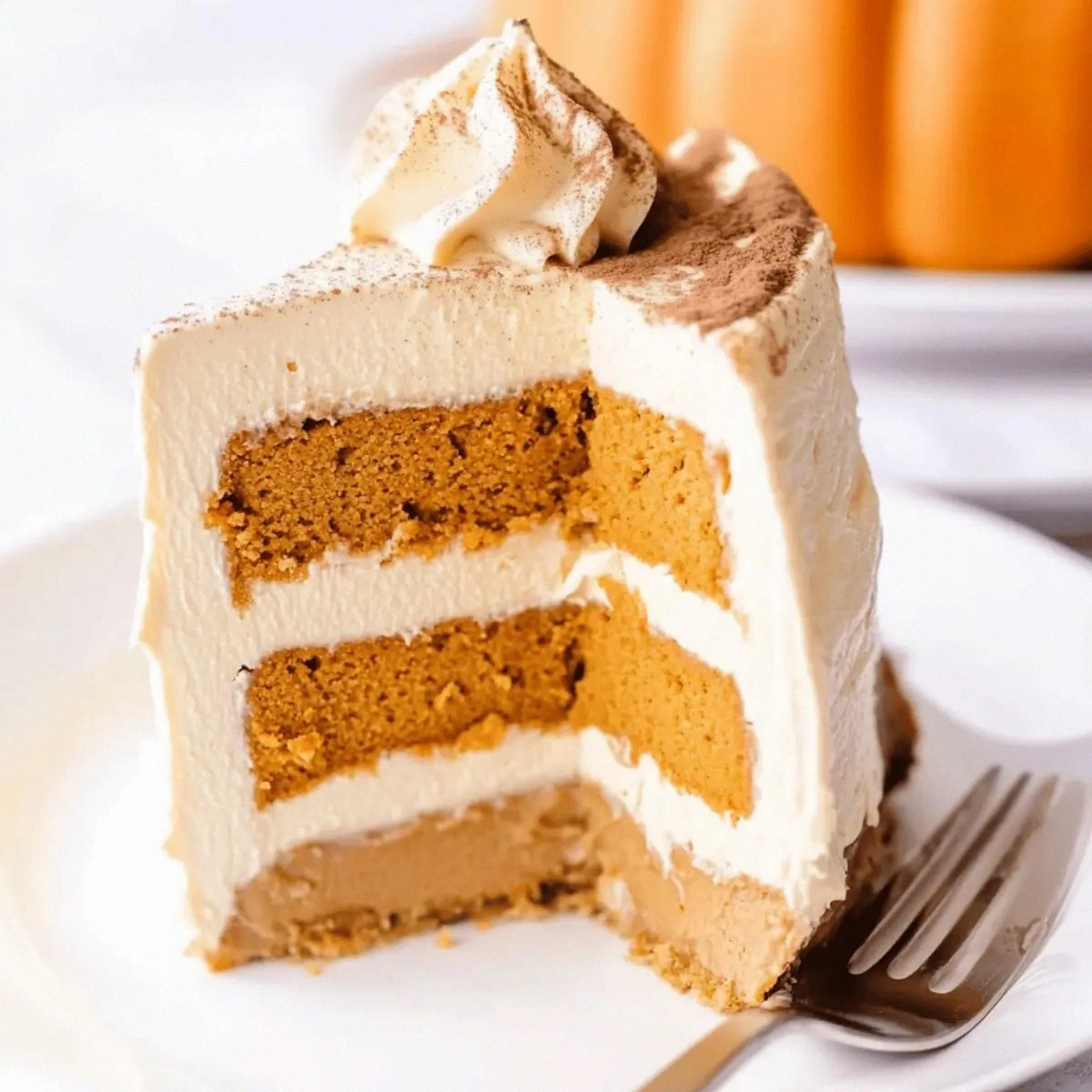
I still remember the Thanksgiving when my sister dared me to bake something that would make our cousin Linda stop bragging about her "world-famous" sweet-potato casserole. Challenge accepted. I marched into the kitchen armed with cream cheese, pumpkin pie, and the kind of reckless confidence that only comes from three cups of eggnog. What emerged three hours later was a towering, spice-scented monument that made everyone forget the turkey existed. Picture this: a buttery cake shell cradling an entire pumpkin pie, the whole thing cloaked in cinnamon-kissed cream-cheese clouds that melted faster than Uncle Bob's resolve at a Black Friday sale. The room went silent except for the scrape of forks and the collective gasp when the first slice revealed those perfect layers. That was the moment Piecaken earned its permanent spot at our holiday table.
Most recipes treat Piecaken like a stunt dessert—flashy on Instagram, dry and confused on the fork. They cram random pies into bland cake batter, cross their fingers, and pray the thing bakes evenly. The result? A soggy-bottomed tragedy that tastes like someone blended Thanksgiving with a cardboard box. I refused to accept that fate. Over the next five years I tested twenty-three versions, burning through vanilla extract like it was water and recruiting every neighbor within a two-mile radius as taste-testers. We cracked the code: cheesecake filling as the moisture buffer, a warm-spice cake batter that mirrors the pie's personality, and a temperature curve that treats each layer with the respect it deserves. The payoff is a dessert that actually tastes better than the sum of its parts—imagine pumpkin pie and snickerdoodle cheesecake having a dance-off inside a cloud.
Today I'm handing you the keys to that kingdom. We're talking bakery-level drama with home-kitchen sanity: no specialty pans, no architectural-engineering degree, no need to wake up at dawn. I'll walk you through every spoon-lick, every sniff-test, every "is it done yet?" moment so you can stride into your holiday gathering carrying the dessert equivalent of a mic drop. Ready for the game-changer?
What Makes This Version Stand Out
- Cheesecake Buffer: A velvety cream-cheese layer insulates the pie, preventing the dreaded soggy cake syndrome and adding a tangy counterpoint that makes the pumpkin taste more pumpkin-y.
- Spice-Forward Cake: Instead of plain yellow cake, we infuse the batter with cinnamon, ginger, nutmeg, cloves, and allspice so every bite harmonizes with the pie rather than competing against it.
- Temperature Trickery: We start at a higher heat to set the structure, then drop the temp so the custardy center bakes gently—no cracks, no curdling, no weeping.
- Make-Ahead Magic: Assemble the whole thing, freeze it unbaked, then bake straight from frozen on the big day. Your future self will send you thank-you notes.
- One-Bowl Wisdom: The cake batter comes together in a single bowl with a hand mixer; no alternating dry-and-wet circus that dirties every dish you own.
- Crowd-Calculated: One standard 9-inch pie plus cake equals sixteen generous slices, so you can feed the entire extended family and still have midnight snacks left.
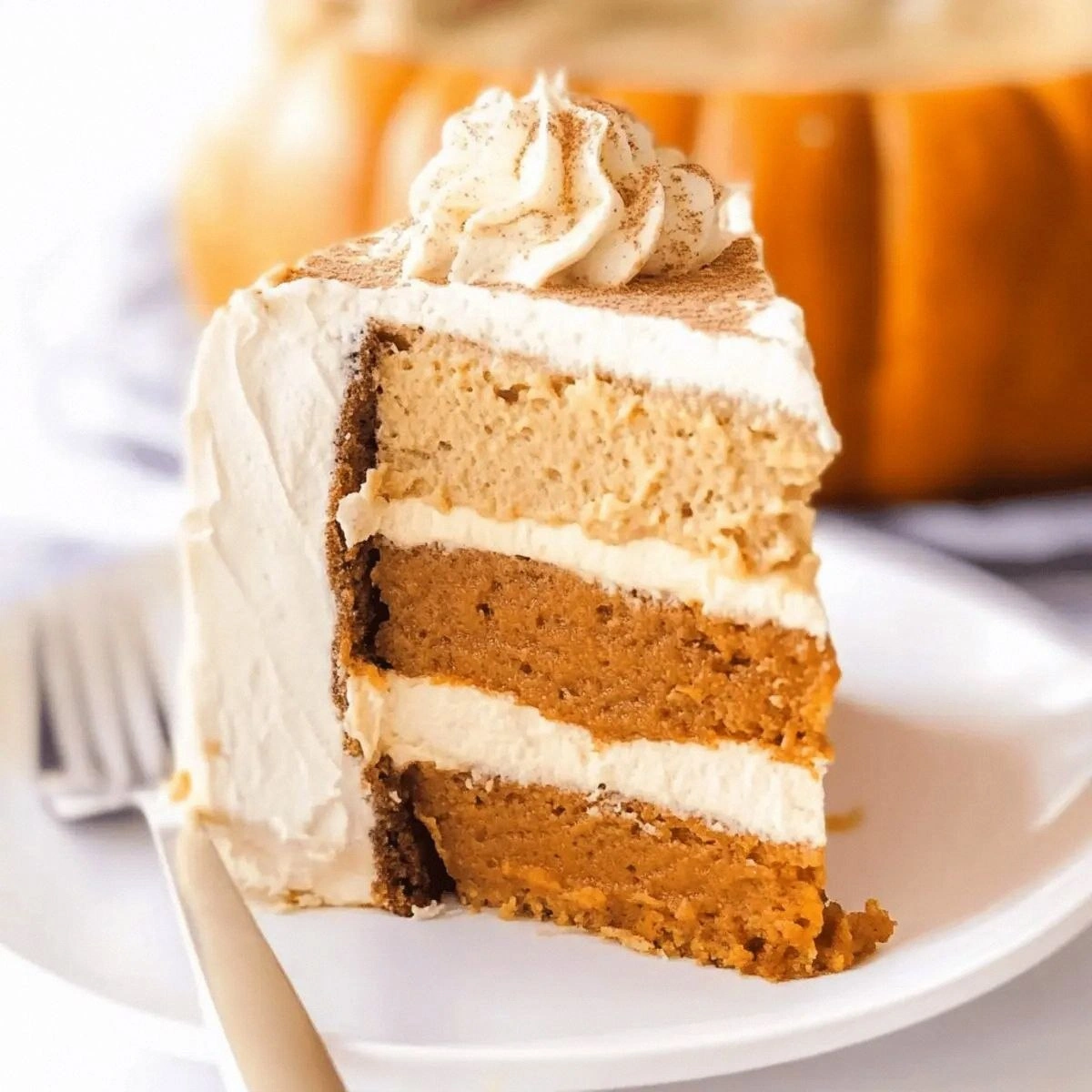
- Visual Payoff: When you slice through the center and reveal those distinct strata—golden cake, pale cheesecake, burnt-orange pumpkin—every phone in the room pops up for a photo op.
Alright, let's break down exactly what goes into this masterpiece...
Inside the Ingredient List
The Flavor Base
Cream cheese is the unsung hero here. Its gentle tang amplifies the pumpkin's earthy sweetness while acting like edible caulking that seals moisture inside the pie. Make sure you buy the full-fat brick stuff—none of that whipped tub masquerading as real cheese. Leave it on the counter for two hours so it blends seamlessly; cold lumps are the fastest way to downgrade your filling from silk to scrambled.
Granulated sugar does more than sweeten. It whips air pockets into the cream cheese, giving the filling a mousse-light lift that keeps the final slice from feeling like a doorstop. I tried brown sugar once thinking deeper flavor, but the molasses weighed everything down and turned the cheesecake layer an unfortunate beige. Stick with white for altitude; add complexity elsewhere.
Vanilla extract is your aromatic insurance policy. Even though we're loading up on cinnamon and friends, a full teaspoon of real vanilla rounds the edges and makes the dessert taste bakery-expensive. Imitation vanilla screams "school cafeteria" in this context, so splurge on the good bottle. You'll smell the difference the second it hits the cream cheese.
The Texture Crew
Heavy whipping cream is the reason this filling slices like a dream yet melts on your tongue. Its fat content keeps ice crystals from forming, so you can freeze the unbaked Piecaken without a chalky aftermath. Beat it just until soft peaks form—if you go full whipped-cream stiff, it will deflate during baking and leave sinkholes. Think supple clouds, not stiff peaks.
Eggs are the silent setters. Three large ones provide just enough protein to firm the cheesecake without turning it into rubber. Crack them into a separate bowl first; nothing ruins a bowl of silky batter like a rogue shell shard that refuses to be fished out. Room-temperature eggs disperse more evenly, preventing that weird scrambled-egg fringe around the edges.
All-purpose flour shows up in two places: a tablespoon in the cheesecake to stabilize, and two cups in the cake batter for structure. Do not swap in cake flour—it's too delicate to support the pie's weight and you'll end up with a sunken center that looks like a crater. Spoon and level your flour instead of scooping straight from the bag; the extra thirty seconds saves you from a dense, flour-heavy cake.
The Unexpected Star
Ground cinnamon is obvious, but the real secret weapon is ground cloves—just a whisper. Cloves have a numbing quality that tricks your palate into perceiving the dessert as warmer and sweeter than it actually is. I learned this trick from a Jamaican baker who swore by "clove kisses" in her pumpkin loaf. Use a light hand; too much and your guests will feel like they just licked a spice rack.
Vegetable oil keeps the cake moist for days, but butter gives flavor. The solution? Use both. Half a cup of butter browned until it smells nutty, plus half a cup of neutral oil, delivers the best of both worlds. The browned-butter solids speckle the batter with toffee notes that scream autumn comfort.
The Final Flourish
Powdered sugar in the glaze isn't negotiable—granulated stays gritty. Sift it once for absolute silkiness, then whisk in heavy cream until the ribbon slowly dissolves back into itself. You're looking for the consistency of cold lava: thick enough to drape, thin enough to drip artfully down the sides. Add a pinch of salt to sharpen the sweetness and keep the glaze from tasting flat.
Everything's prepped? Good. Let's get into the real action...
The Method — Step by Step
- Preheat your oven to 350°F (175°C) and position a rack squarely in the center. This isn't the time for convection; the gentle still heat prevents the cheesecake from souffléing and cracking. Grease a 9-inch springform pan with butter, then line the bottom with a parchment round. Snap the sides shut and wrap the exterior with two layers of heavy-duty foil, making sure the foil rises at least two inches up the sides—this water-bath insurance keeps the cake edges from over-browning.
- Make the cheesecake layer first because it needs time to chill. In a large bowl, beat the cream cheese on medium speed until it looks like smooth frosting, about two minutes. Scrape the bowl obsessively; unmixed streaks will bake into white freckles that scream amateur hour. Add the granulated sugar and flour, then beat again until the mixture is pale and fluffy. Drop to low speed and incorporate the vanilla, cinnamon, and eggs one at a time, waiting for each yolk to disappear before adding the next. The batter should ribbon off the beaters in thick folds.
- In a separate chilled bowl, whisk the heavy cream until it thickens to soft peaks that slump gently to the side. Resist the urge to keep going—over-whipped cream will fold in like Styrofoam and leave pockmarks. Grab a silicone spatula and fold one-third of the cream into the cream-cheese base to lighten it, then add the remaining cream in two more batches. Rotate the bowl as you fold, sliding the spatula along the bottom and bringing it up the side like you're scooping water from a canoe. The final mixture should be airy, satiny, and slightly jiggly.
- Time to introduce the star of the show: a fully baked 9-inch pumpkin pie. Yes, store-bought is fine—just pick one without meringue or streusel topping that will fight with the cake. Slide the pie out of its tin and place it upside-down on a cutting board. Using a sharp serrated knife, trim off the domed top so the pie is perfectly flat—those scraps are the baker's treat. Flip the pie right-side up and lower it gently into the prepared springform. It should fit with a whisper of space around the edges for the cheesecake to ooze down and hug it.
- Pour the cheesecake batter over the pie, nudging it into the gap with a small offset spatula. Tap the pan firmly on a towel-lined counter five times to pop hidden air bubbles. Smooth the top so it looks like a calm lake at sunrise. Place the springform inside a larger roasting pan and add enough hot tap water to come halfway up the sides of the foil. Slide the whole setup into the oven and bake for 30 minutes—just enough to set the top.
- While that first layer bakes, whip up the cake batter. In a medium bowl whisk together the flour, baking powder, cinnamon, ginger, nutmeg, cloves, and allspice so the leavening and spices are evenly distributed. In another bowl, cream the butter and brown sugar until it looks like wet sand, then drizzle in the oil while the mixer runs. The mixture will loosen and gleam like melted caramel. Beat in the vanilla, then add the eggs one at a time, letting each fully incorporate before the next. The batter will puff and lighten like a sunrise.
- Reduce the oven temperature to 325°F (160°C). Carefully remove the roasting pan, lift out the springform, and blot any condensation on top with a paper towel. Spoon the cake batter over the cheesecake layer, starting at the edges and working inward so the weight doesn't create craters. Smooth the top with an offset spatula, then return the pan to the water bath. Bake for another 55–65 minutes, until the cake springs back lightly when touched and a skewer inserted two inches from the edge comes out with a few moist crumbs. The center should still jiggle like gelatin—carryover heat will finish the job.
- Turn off the oven, crack the door with a wooden spoon, and let the Piecaken cool inside for one hour. This gentle descent prevents the cheesecake from collapsing or forming fault-line cracks. Remove the springform from the water bath, peel off the foil, and run a thin knife around the edge to release any stubborn bits. Cool completely on a rack, then chill at least four hours or preferably overnight. Cold cheesecake slices cleanly; lukewarm cheesecake oozes like a tragic lava cake.
- Before serving, make the glaze. Whisk the powdered sugar with heavy cream until thick but pourable. Remove the springform sides and slide the Piecaken onto a cake stand. Spoon the glaze into the center and nudge it to the edges with the back of the spoon, letting it drip down in slow-motion waterfalls. For extra drama, dust with a pinch of cinnamon or scatter candied pecans around the rim. Slice with a long, hot knife wiped clean between cuts for Instagram-worthy layers.
That's it—you did it. But hold on, I've got a few more tricks that'll take this to another level...
Insider Tricks for Flawless Results
The Temperature Rule Nobody Follows
Room-temperature dairy is non-negotiable. Cold cream cheese forms stubborn pellets that never fully dissolve, leaving white freckles in your cheesecake. Set everything out two hours ahead or use the microwave cheat: unwrap the cream cheese and zap it on 50% power in 15-second bursts, flipping like a steak, until it yields to a gentle squeeze. Same goes for eggs and cream; plop cold eggs into a bowl of warm tap water for five minutes and give the cream a quick ten-second microwave stir. Your batter will marry seamlessly and bake without the dreaded lumpy curdle.
Why Your Nose Knows Best
Forget timers—your nose is the ultimate kitchen gadget. When the Piecaken is nearly done, the air will suddenly smell like cinnamon-toast popcorn instead of raw batter. That's the moment the Maillard reaction kicks into high gear and the spices toast. Open the oven door, give the cake a gentle jiggle; if the outer two inches are set and only the center quivers, pull it out. Waiting for a clean toothpick guarantees an overbaked, dry edge and a cheesecake that cracks like the Mojave Desert. Trust the aroma and the jiggle, and you'll nail the perfect custardy middle every time.
The 5-Minute Rest That Changes Everything
After chilling overnight, let the Piecaken sit on the counter for five full minutes before slicing. I know, I know—everyone's circling like vultures, but this brief pause allows the cheesecake layer to relax, so your knife glides instead of drags. A relaxed slice means distinct layers that don't smear into each other like watercolor on wet paper. If you skip this step, the cheesecake will be stubbornly cold and the cake will crumble under pressure, giving you raggedy edges that scream "I was impatient."
Creative Twists and Variations
This recipe is a playground. Here are some of my favorite ways to switch things up:
Apple-Caramel Piecaken
Swap the pumpkin pie for a sturdy apple pie and replace the brown sugar in the cake with caramel sauce. Add a pinch of cardamom to the cheesecake batter and drizzle cooled caramel over the top glaze. The tart apples cut through the richness like a crisp autumn breeze.
Pecan-Chocolate Bourbon Piecaken
Use a chocolate-pecan pie and spike the cheesecake with two tablespoons of bourbon. Swap half the flour in the cake for cocoa powder and sprinkle toasted pecans around the edge of the glaze. The bourbon's vanilla and caramel notes make grown-ups swoon.
Chocolate-Cherry Black Forest Piecaken
Trade the pumpkin pie for a cherry pie and fold mini chocolate chips into the cheesecake batter. Brush the cooled cake with kirsch syrup and top the glaze with shaved dark chocolate. It's like Black Forest cake wearing a tuxedo.
Lemon-Blueberry Summer Piecaken
In spring or summer, sub a blueberry pie and add two teaspoons of lemon zest plus a tablespoon of juice to the cheesecake. Replace the spices in the cake with lemon extract and top with candied lemon peel. Bright, tangy, and perfect for Memorial Day barbecues.
Salted-Caramel Apple Cider Piecaken
Apple pie plus a teaspoon of coarse sea salt in the glaze equals sweet-salty nirvana. Reduce apple cider to a syrup and whisk it into the cream cheese for an extra layer of orchard flavor.
Gingerbread-Chocolate Orange Piecaken
During December, swap the pumpkin pie for chocolate-orange pie and add molasses plus extra ginger to the cake batter. The cheesecake gets a whisper of orange zest, and the glaze is dusted with edible gold stars. Tastes like the holidays got dressed up for a gala.
Storing and Bringing It Back to Life
Fridge Storage
Wrap the completely cooled Piecaken (glaze set) in two layers of plastic wrap, then slip it into a large zip-top bag. It keeps for up to five days in the coldest part of your fridge, though flavor peaks at day three when the spices fully meld. If you have a cake dome, park it on a cardboard round and invert a dome over it; the airtight seal prevents the cheesecake from absorbing weird fridge odors like leftover lasagna perfume.
Freezer Friendly
Baked Piecaken freezes beautifully for up to two months. Flash-freeze it uncovered until the glaze is solid, then wrap tightly in foil followed by plastic wrap. Thaw overnight in the fridge, then let it sit on the counter for 30 minutes before serving. For unbaked assembly, freeze the pie-covered cheesecake layer for two hours, add the cake batter, then wrap the entire pan. Bake straight from frozen, adding 20–25 extra minutes and tenting with foil if the top browns too quickly.
Best Reheating Method
Room temperature is the sweet spot, but if you must warm individual slices, microwave on 50% power for 12–15 seconds—just enough to take the chill off without melting the glaze into a puddle. For a crowd, tent slices with foil and warm in a 275°F oven for 8 minutes. Add a tiny splash of water to the plate before microwaving; the steam revives the cake's crumb and keeps the cheesecake from rubberizing. Trust me, your leftovers will taste bakery-fresh and not like sad, dried-out memories of yesterday's glory.