It started with a burnt attempt at a simple dinner that turned into a smoky, charred mess. I was juggling a pot of pasta, a pan of vegetables, and a stack of grocery receipts when the salmon fillets I’d bought from the local market slipped from my fingers and hit the hot oven rack. The scent of charred fish filled the kitchen, and I was left staring at the blackened skin, wondering if I’d ever again trust my instincts with this fish. That night, I swore to find the one recipe that would turn salmon from a culinary liability into a triumph.
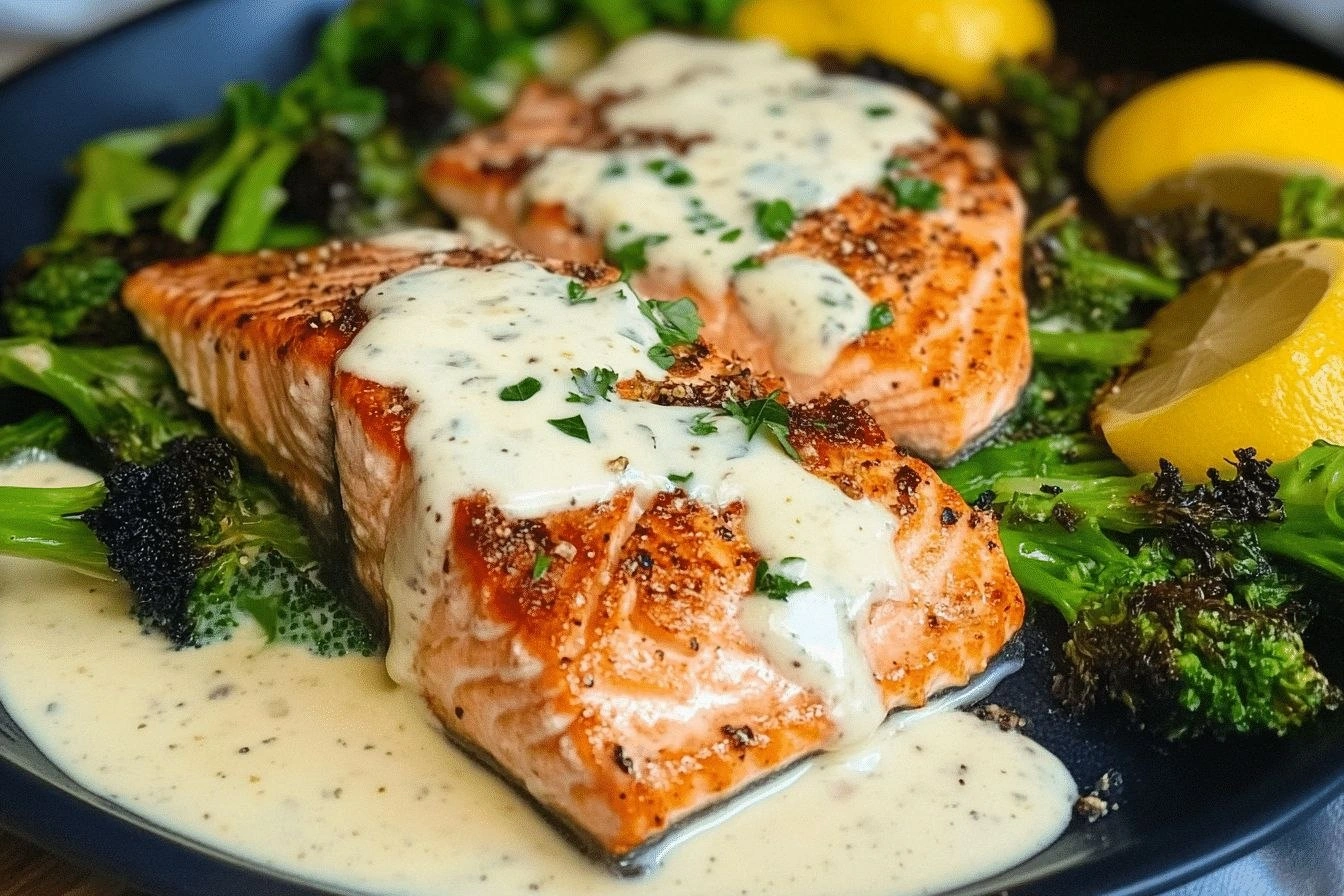
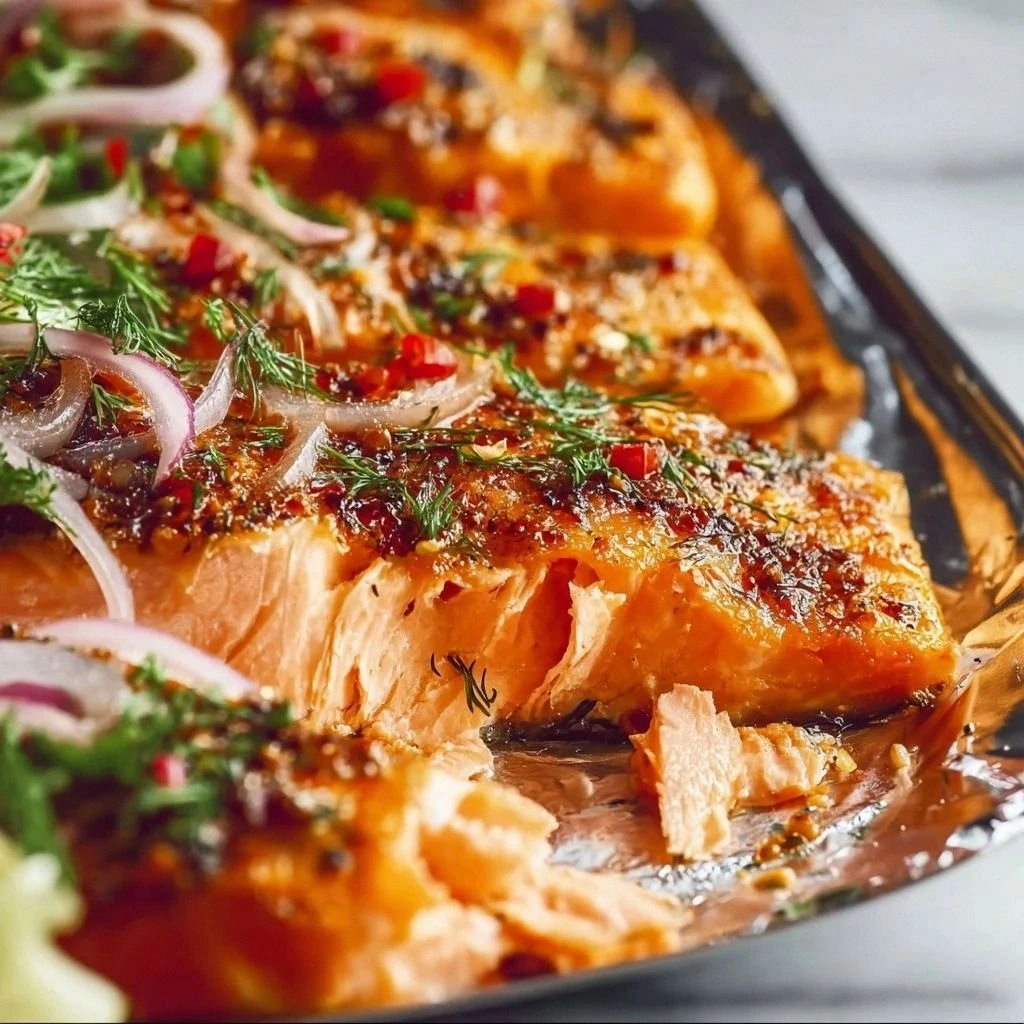
Picture this: the oven’s hum is a steady drum, the timer ticks down, and the first crackle of the buttered glaze signals the beginning of flavor. The air fills with a sweet, caramelized aroma that lingers like a promise of comfort. When the salmon slides onto the plate, the skin glistens like polished amber, and the flesh itself is tender, almost buttery, with a subtle, smoky whisper from the paprika. The final squeeze of lemon brightens every bite, adding a citrusy zing that cuts through the richness like a cool breeze on a hot day.
What makes this version stand out is not just the combination of ingredients, but the way each one is orchestrated. The garlic butter creates a silky coating that locks in moisture, while the brown sugar caramelizes into a glossy, slightly crunchy finish. Paprika gives a smoky depth that elevates the fish without overpowering it. Olive oil adds a silky sheen, and the simple seasoning of salt and pepper enhances every note. Together, they form a dish that feels both indulgent and approachable. The result is a salmon that is crisp on the outside, tender on the inside, and packed with flavor that will have you saying, “I dare you to taste this and not go back for seconds.”
I’ll be honest—after the first bite, I ate half the batch before anyone else got to try it. Most recipes get this completely wrong, but this one works because it respects the fish’s natural texture and uses a balanced sweet‑savory glaze that caramelizes just right. Picture yourself pulling this out of the oven, the whole kitchen smelling incredible, and the guests’ eyes widening in anticipation. Let me walk you through every single step—by the end, you’ll wonder how you ever made it any other way.
What Makes This Version Stand Out
- Taste: The harmony of sweet, smoky, and citrusy notes creates a flavor profile that satisfies every palate. It’s the kind of dish that feels like a hug in a bowl.
- Texture: A crisp, caramelized crust juxtaposed with a melt‑in‑your‑mouth interior. The salmon’s flesh stays moist while the skin turns golden‑brown and slightly crunchy.
- Simplicity: Only eight ingredients, no elaborate sauces or exotic spices. You’ll spend less time cooking and more time enjoying.
- Uniqueness: The garlic butter glaze is a game‑changer, turning ordinary salmon into a showstopper.
- Crowd Reaction: Guests often ask for the recipe after the first bite. It’s a guaranteed hit at dinner parties.
- Ingredient Quality: Fresh fillets and high‑quality butter make the difference between ordinary and extraordinary.
- Cooking Method: Oven baking preserves the fish’s natural oils and ensures even cooking without the risk of over‑drying.
- Make‑Ahead Potential: The glaze can be pre‑made, and the salmon can be assembled and refrigerated before baking, saving you time on busy nights.
Inside the Ingredient List
The Flavor Base
The garlic butter is the heart of this dish. It’s made by melting butter and adding minced garlic, then letting the mixture simmer until the garlic releases its aroma but before it turns bitter. This infusion creates a rich, savory coating that locks in moisture and adds depth. If you skip the garlic butter, the salmon will taste flat and lack the velvety finish that makes the dish memorable.
The Sweet Touch
Brown sugar is the sweet counterbalance to the savory butter and the smoky paprika. When heated, it caramelizes, forming a glossy glaze that clings to the fillets. A pinch of coconut sugar can replace brown sugar for a slightly tropical twist, but the texture will differ. If you omit the sugar, the glaze will be less caramelized and the salmon may come out a little drier.
The Smoky Accents
Paprika is the subtle smoky element that gives the salmon an earthy undertone. Smoked paprika intensifies the flavor, while regular paprika offers a milder taste. If you prefer a bit more heat, a dash of cayenne pepper can be added, but it will change the overall flavor profile. Skipping paprika will leave the dish lacking that warm, rustic depth.
The Final Flourish
Olive oil and lemon wedges complete the dish. Olive oil ensures the skin crisps beautifully, while lemon wedges add a fresh, bright finish that cuts through the richness. If you’re dairy‑free, a drizzle of avocado oil works well. Lemon is optional, but its acidity lifts the flavors and adds a burst of freshness.
Everything’s prepped? Good. Let’s get into the real action.
The Method — Step by Step
- Preheat your oven to 400°F (200°C). While the oven is heating, line a baking sheet with parchment paper or a silicone mat to prevent sticking. This step is crucial for a clean finish and easy cleanup. The preheated oven ensures the salmon starts cooking immediately, preserving moisture.
- In a small saucepan, melt the 3 tablespoons of garlic butter over medium heat. Stir in the minced garlic and let it cook until fragrant, about 30 seconds, but avoid letting it brown. The garlic should release its aroma without becoming bitter. This creates a fragrant base that will coat the fillets.
- Add the 2 tablespoons of brown sugar to the butter mixture and stir until dissolved. The sugar will begin to caramelize, giving a glossy sheen. This caramelization is what gives the salmon its signature sweet crust. Keep the mixture warm until you’re ready to coat the fillets.
- Season the salmon fillets with 1 teaspoon of salt and ½ teaspoon of black pepper. Pat them dry with a paper towel to ensure the glaze sticks. Drying the surface helps the butter glaze adhere better and promotes even cooking. This step also enhances the natural flavor of the fish.
- Brush each fillet with 1 tablespoon of olive oil, then drizzle the warm garlic‑sugar glaze over the top. Sprinkle 1 teaspoon of paprika evenly across the fillets. The oil helps the skin crisp, while the paprika adds a smoky depth. Let the glaze sit for a minute to settle before baking.
- Place the fillets skin‑side down on the prepared baking sheet. Bake in the preheated oven for 12–15 minutes, or until the internal temperature reaches 145°F (63°C). The edges should start pulling away from the pan, indicating doneness. Keep an eye on the color; you want a golden crust without over‑browning.
- While the salmon is baking, prepare a quick lemon‑butter sauce: melt 2 tablespoons of butter in a small saucepan, squeeze in the juice of one lemon, and stir in a pinch of salt. This sauce will add a bright, buttery finish that complements the caramelized glaze. If you’re short on time, a simple squeeze of fresh lemon over the finished fillets works just as well.
- When the salmon is done, remove it from the oven and let it rest for 3 minutes. Resting allows the juices to redistribute, keeping the fillets moist. During this time, spoon the lemon‑butter sauce over the fillets for an extra layer of flavor.
- Serve immediately with lemon wedges on the side. The bright citrus enhances the richness of the glaze and adds a refreshing contrast. Garnish with fresh herbs like parsley or dill if desired. This final touch elevates the presentation and adds a pop of color.
That’s it—you did it. But hold on, I’ve got a few more tricks that will take this to another level. These insider tips will help you master the dish every time.
Insider Tricks for Flawless Results
The Temperature Rule Nobody Follows
Many cooks rely on time alone, but temperature is the real game‑changer. Use an instant‑read thermometer; pull the salmon at 140°F (60°C) and let it rest to reach the ideal 145°F. This method guarantees perfectly moist flesh without over‑cooking. I once over‑baked a fillet for 20 minutes, and it was dry. The thermometer saved me that lesson.
Why Your Nose Knows Best
As the salmon bakes, you’ll notice a sweet, caramelized aroma rising from the pan. That scent is a reliable indicator that the glaze is caramelizing properly. If the smell is more buttery than sweet, the sugar isn’t caramelizing fully—lower the heat slightly and give it a few more minutes.
The 5‑Minute Rest That Changes Everything
Resting the salmon for five minutes after baking allows the juices to redistribute. This simple step keeps the fillets juicy and prevents them from drying out when you cut into them. I always set a timer for 5 minutes; it’s a habit that pays off every time.
Use a Baking Rack for Even Cooking
Elevating the salmon on a rack ensures even heat circulation around the fillets. This eliminates hot spots and promotes a uniform crust. If you don’t have a rack, placing the fillets on a lightly greased sheet works fine, but the crust may be uneven.
Add a Splash of White Wine
A splash of dry white wine in the glaze before baking adds a subtle acidity that cuts through the richness. It also infuses the fish with a delicate flavor that pairs beautifully with the lemon finish. Be careful not to add too much—just a tablespoon is enough.
Creative Twists and Variations
This recipe is a playground. Here are some of my favorite ways to switch things up:
Maple‑Mustard Glaze
Swap the brown sugar for 2 tablespoons of pure maple syrup and add 1 teaspoon of Dijon mustard. The maple adds a subtle sweetness while the mustard introduces a tangy bite. This version is perfect for autumn gatherings.
Herb‑Infused Delight
Add a tablespoon of chopped fresh rosemary and a pinch of thyme to the glaze. The herbs give the salmon a fragrant, earthy flavor that pairs well with roasted vegetables. This variation is ideal for spring or summer menus.
Spicy Sriracha Kick
Mix 1 tablespoon of Sriracha into the garlic butter before adding the sugar. The heat from the Sriracha balances the sweetness and adds a bold, fiery note. Serve with a side of cucumber salad to cool the palate.
Citrus‑Balsamic Fusion
Replace the lemon wedges with a splash of balsamic vinegar and a drizzle of orange juice. The balsamic adds depth, while the orange juice brings a bright, sweet citrus flavor. This twist is great for holiday meals.
Asian‑Inspired Sesame Crust
Sprinkle toasted sesame seeds over the fillets before baking and brush with a mixture of soy sauce and honey. The sesame seeds add crunch, and the soy‑honey combo gives a savory, sweet glaze. Pair with steamed rice for a complete meal.
Storing and Bringing It Back to Life
Fridge Storage
Store cooked salmon in an airtight container in the refrigerator for up to 3 days. Keep the glaze in a separate small container to prevent the salmon from becoming soggy. When ready to reheat, use the oven at 300°F (150°C) for 10 minutes, or until warmed through.
Freezer Friendly
Wrap each fillet individually in plastic wrap and place them in a freezer bag. Label with the date and freeze for up to 2 months. Thaw overnight in the refrigerator before reheating. This method preserves texture and flavor.
Best Reheating Method
Add a tiny splash of water or broth to the pan before reheating to create steam, which helps keep the salmon moist. Reheat in the oven or microwave on a low setting, checking frequently to avoid over‑cooking. A quick 2‑minute microwave burst with a damp paper towel works well for a quick snack.