Picture this: a rainy Saturday afternoon, the kitchen lights flickering, and a half‑finished salmon fillet sitting on the counter like a guilty secret. I was about to toss it into the trash when a friend texted, “Dude, you gotta try the new souvlaki bowl I made.” My curiosity sparked, and I grabbed the fish, a handful of herbs, and a splash of lemon. That moment turned into a culinary epiphany, and the dish that followed became my new obsession.
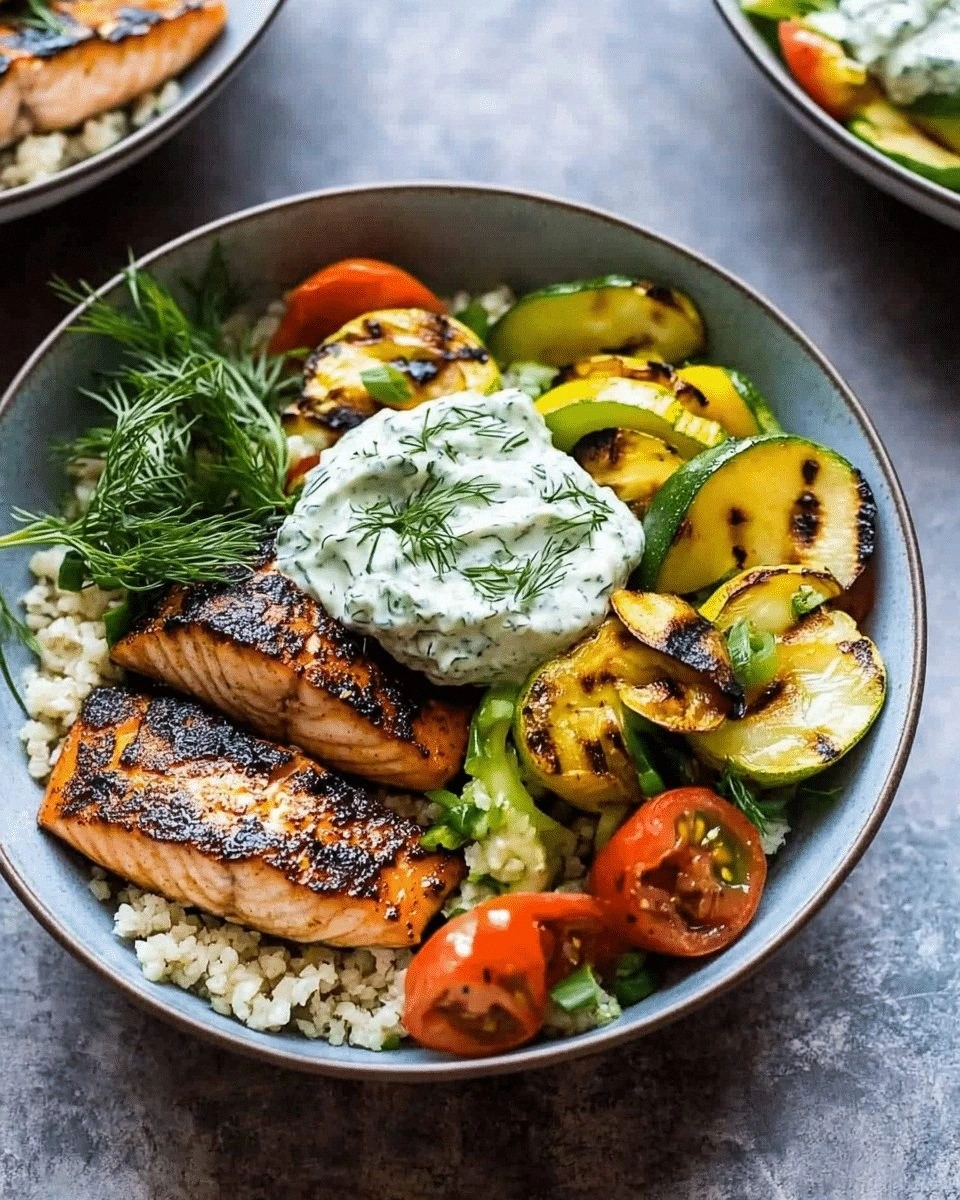
The first bite of that buttery salmon, glazed with garlic‑lemon oil, felt like a Mediterranean sunrise in my mouth. The crisp edges of the fish kissed my tongue while the tender interior whispered sea‑salted sweetness. The aroma of oregano and dill swirled around the room, making even the kitchen timer feel like a drumbeat. My taste buds were shouting, “This is the real deal.” I was instantly hooked.
I started to wonder why most souvlaki bowl recipes feel a bit flat or over‑cooked. The secret is a delicate balance of seasoning, precise timing, and a sauce that coats like velvet without drowning the flavors. My version does all that while still feeling light enough to eat on a hot summer day. It’s the kind of dish that makes you question whether you’ve ever made a bowl that truly sings.
What sets this recipe apart is a single twist that most cooks overlook: the citrus‑garlic glaze that caramelizes in the oven, creating a caramelized crust that’s both crunchy and tender. I dare you to taste this and not go back for seconds. This is hands down the best version you’ll ever make at home. Stay with me, because I’ll walk you through every single step — by the end, you’ll wonder how you ever made it any other way.
What Makes This Version Stand Out
- Flavor: The lemon‑garlic glaze caramelizes just enough to give the salmon a sweet, slightly charred finish, while the fresh dill keeps the dish bright and herbaceous. This is what makes the bowl feel like a Greek summer in every bite.
- Texture: The salmon’s skin crisps into a golden crust, the rice stays fluffy, and the cucumber adds a satisfying snap. The combination feels like a dance of textures that never feels heavy.
- Simplicity: With only a handful of pantry staples, you can whip up a gourmet bowl in less than an hour. No fancy gadgets or hard‑to‑find ingredients are required.
- Uniqueness: The addition of a homemade tzatziki sauce that’s both creamy and tangy sets this dish apart from the bland, store‑bought versions you’ll find in supermarkets.
- Crowd Reaction: Friends who’ve tried it say it’s “the best bowl I've had in years.” Even picky eaters are begging for seconds.
- Ingredient Quality: Fresh, high‑quality salmon and real Greek yogurt make the difference between a decent bowl and an unforgettable one.
- Cooking Method: Baking the salmon instead of pan‑searing gives it a juicy interior and a caramelized exterior that’s hard to beat.
- Make‑Ahead Potential: The components can be prepped a day ahead, and the salmon can be reheated without losing its texture.
Alright, let's break down exactly what goes into this masterpiece. The next section will walk you through each ingredient and why it matters.
The Flavor Base
The olive oil, lemon zest, and garlic create the foundation of this dish. Olive oil adds richness and helps the glaze adhere to the salmon. Lemon zest brings a bright citrus note that cuts through the fish’s natural oiliness. Garlic provides a savory depth that balances the acidity of the lemon.
The Texture Crew
Rice, cucumber, tomato, and red onion are the textural pillars that give the bowl its satisfying bite. The rice must be fluffy and not sticky, so rinse it before cooking. Diced cucumber offers a crisp, hydrating contrast, while tomato adds juicy sweetness. Thinly sliced red onion provides a subtle heat that wakes up the palate.
The Unexpected Star
Tzatziki sauce is the unsung hero that ties everything together. Greek yogurt gives it a creamy body, while cucumber and dill add freshness. The sauce coats the salmon and rice, creating a silky texture that feels indulgent yet light. If you’re vegan, replace yogurt with cashew cream for a similar mouthfeel.
The Final Flourish
Fresh dill, a sprinkle of feta, and a drizzle of olive oil are the finishing touches that elevate the dish. Dill adds a burst of herbal aroma that lingers on the tongue. Feta, if used, melts into the bowl, providing salty creaminess. A final splash of lemon juice brightens the entire plate.
Everything’s prepped? Good. Let’s get into the real action and bring this bowl to life.
The Method — Step by Step
- Preheat and Prepare: Set your oven to 400°F (200°C). While it heats, pat the salmon fillets dry with paper towels. Drying ensures a crisp skin and better glaze adhesion.
- Mix the Glaze: In a small bowl, whisk together 2 tablespoons of olive oil, 1 teaspoon of lemon zest, 3 tablespoons of lemon juice, 2 minced garlic cloves, 1 teaspoon of dried oregano, and a pinch of salt and pepper. The bright citrus and aromatic herbs will coat the salmon beautifully.
- Marinate: Brush the glaze generously over both sides of each salmon fillet. Place the fillets on a parchment‑lined baking sheet, skin side down. Let them sit for 10 minutes to absorb the flavors.
- Bake to Perfection: Slide the sheet into the oven and bake for 12–14 minutes, or until the salmon flakes easily with a fork. The edges should pull away slightly, indicating a golden crust.
- Watch Out: Do not overcook the salmon. Overcooking will dry out the flesh and ruin the delicate balance of textures. Keep a close eye on the internal temperature; it should reach 145°F (63°C).
- Make the Tzatziki: While the salmon is baking, combine 1 cup of Greek yogurt, 1 cup diced cucumber, 1 tablespoon chopped dill, 1 tablespoon lemon juice, and a pinch of salt. Whisk until smooth. This sauce will coat the bowl like a silky blanket.
- Cook the Rice: Rinse 1 cup of white rice until the water runs clear. In a saucepan, add the rice, 2 cups of water, and a pinch of salt. Bring to a boil, then reduce heat to low, cover, and simmer for 15 minutes. Fluff with a fork before serving.
- Assemble the Bowls: Divide the cooked rice into four bowls. Top each with a salmon fillet, a handful of diced tomato, cucumber, and red onion. Drizzle the tzatziki sauce over the top, ensuring every bite gets a creamy hit.
- Finish with Garnishes: Sprinkle chopped dill, a few feta cubes, and a drizzle of extra olive oil. Add a wedge of lemon on the side for an extra citrus kick.
- Serve Immediately: Present the bowls while the salmon is still warm. The contrast of hot fish against cool vegetables creates a refreshing, satisfying meal.
That’s it — you did it. But hold on, I’ve got a few more tricks that’ll take this bowl to another level. Let’s dive into insider secrets that even seasoned cooks might overlook.
Insider Tricks for Flawless Results
The Temperature Rule Nobody Follows
Most people bake salmon at 350°F, but 400°F gives a better caramelized crust without overcooking the inside. The higher heat sears the skin, creating a crunchy texture that contrasts with the flaky interior. If you’re using a convection oven, reduce the temperature by 25°F to avoid drying out the fish.
Why Your Nose Knows Best
As the salmon bakes, a sweet, buttery aroma will fill the kitchen. Trust that scent as a cue that the glaze has caramelized properly. If the smell is too mild, let it bake a minute longer; if it’s too strong, pull it out immediately.
The 5-Minute Rest That Changes Everything
After removing the salmon from the oven, let it rest for five minutes on a cutting board. This pause allows the juices to redistribute, preventing them from spilling onto the rice when you break the fillet. The result is a moist, succulent bite.
Avoiding the “Crispy Skin” Myth
Some chefs swear that baking salmon with skin on always yields crisp skin. In reality, the skin will only crisp if you pre‑heat the pan or use a broiler. Baking alone at 400°F gives a slightly softer skin but still delivers a satisfying bite.
The Secret to Creamy Tzatziki
The key is to use full‑fat Greek yogurt and chill the sauce for at least 30 minutes before serving. Cold yogurt stays creamy and resists separation. Adding a splash of water or milk can thin it slightly if it’s too thick.
How to Make It Vegan
Swap salmon for marinated tofu or tempeh. Use coconut yogurt in place of Greek yogurt for the tzatziki. The flavor profile stays similar, but the texture will shift to a firmer bite.
Creative Twists and Variations
This recipe is a playground. Here are some of my favorite ways to switch things up:
Spicy Souvlaki Bowl
Add a tablespoon of harissa paste to the glaze for a fiery kick. The heat pairs wonderfully with the cool cucumber. It’s a perfect dish for those who love a little burn in their bites.
Quinoa Power Bowl
Swap rice for quinoa for a protein boost. Quinoa’s nutty flavor complements the lemon‑garlic glaze. The result is a hearty, gluten‑free bowl that’s both filling and nutritious.
Mediterranean Salad Bowl
Replace the rice with mixed greens and a handful of kalamata olives. The salad adds a fresh, leafy texture. It’s a lighter version that still delivers all the classic flavors.
Citrus‑Glazed Salmon with Pineapple
Add diced pineapple to the glaze for a tropical twist. The pineapple’s sweetness balances the acidity of the lemon. It’s a fun, unexpected variation that feels like a beach vacation.
Pita Crumble Crusted Bowl
Crush toasted pita chips and sprinkle them over the top. The crunchy crumbs add a delightful contrast to the creamy tzatziki. It’s a great way to incorporate an extra carb source.
Greek Yogurt Marinade
Marinate the salmon in a mixture of Greek yogurt, garlic, and dill for 30 minutes before baking. The yogurt tenderizes the fish and adds a subtle tang. The final dish feels richer and more complex.
Storing and Bringing It Back to Life
Fridge Storage
Store cooked components separately in airtight containers. Keep the salmon in a sealed container with a paper towel to absorb excess moisture. The rice and veggies should be stored in a separate container to prevent sogginess.
Freezer Friendly
Freeze pre‑assembled bowls, but do not freeze the tzatziki. Remove the sauce before freezing and add it fresh when reheating. This keeps the sauce from separating or becoming watery.
Best Reheating Method
Reheat the salmon and rice in a microwave on medium power for 1–2 minutes. Add a splash of water or broth to keep the rice moist. Finish by drizzling fresh tzatziki and garnishing with dill.