Picture this: it’s a rainy Saturday evening, the kind where the sky drapes itself in a heavy gray blanket and the only thing you can hear is the rhythmic patter of droplets against the window. I’m standing in my kitchen, half‑heartedly trying to salvage a wilted head of red cabbage that was meant to be the star of a simple Sunday dinner. The cabbage, once crisp, had turned a dull, almost bruised shade of crimson, and the onions I’d sliced were looking more like a soggy mush. My friend, a self‑proclaimed “food critic,” had dared me to turn this culinary disappointment into a dish worthy of a Michelin review. I laughed, grabbed my apron, and decided that if I could make this cabbage shine, I’d have a story to tell for years.
The kitchen smelled instantly of something sweet and tart, a hint of apple cider vinegar mingling with the buttery aroma that was about to bloom. My senses were already humming: the bright, almost electric color of the apples, the glossy sheen of the butter as it melted, the sharp, peppery bite of cloves. I could hear the sizzle as the cabbage met the pan, the faint pop of sugar caramelizing, and the gentle hiss of vinegar cutting through the richness. I felt the coolness of the chopping board, the weight of the apples, the subtle resistance of the cabbage as it began to soften. All of this set the stage for a dish that would transform a kitchen mishap into a comforting masterpiece.
What makes this version of German red cabbage stand out isn’t just the ingredients; it’s the deliberate layering of flavors, the controlled heat that preserves texture, and the playful twist of apples that turns a traditional side into a showstopper. I’ve spent years tweaking this recipe, and I’m convinced that this is hands down the best version you’ll ever make at home. It balances sweet, tart, and savory in a way that most other recipes miss, and it does so with a simplicity that makes it approachable for beginners yet sophisticated enough for seasoned cooks. I dare you to taste this and not go back for seconds, because the flavor profile will linger on your palate long after the last bite.
And that’s just the tip of the iceberg. From the moment you start chopping to the final plating, every step is designed to elevate the humble cabbage into something that feels like a cozy hug in a bowl. Picture yourself pulling this out of the pot, the whole kitchen smelling incredible, and the family gathering around with anticipation. The anticipation is the first bite, the second bite, the third bite, and you’ll find yourself reaching for a fourth. Let me walk you through every single step — by the end, you’ll wonder how you ever made it any other way.
What Makes This Version Stand Out
- Flavor Depth: The combination of apples, vinegar, and cloves creates a layered taste that evolves with each bite. The sweetness of the apples balances the acidity of the vinegar, while the cloves add a subtle warmth that lingers.
- Texture Contrast: The cabbage remains crisp in the center, with caramelized edges that provide a satisfying bite. The apples soften just enough to release their juice without turning mushy.
- Ease of Prep: No advanced techniques are required; a single sauté and simmer will do the trick. The recipe is perfect for a quick weeknight meal or a weekend gathering.
- Ingredient Quality: Using fresh, organic apples and a high‑quality apple cider vinegar elevates the dish beyond the ordinary. Even a store‑bought cabbage can shine if you treat it with respect.
- Make‑Ahead Friendly: The flavors deepen overnight, making it ideal for meal prep. Serve it warm or at room temperature; it’s still delicious.
- Versatility: The dish can be paired with pork, chicken, or even a vegan protein. It also works wonderfully as a side for holiday meals.
Alright, let's break down exactly what goes into this masterpiece…
Inside the Ingredient List
The Flavor Base
At the heart of this dish lies the cabbage itself. A fresh head of red cabbage offers a peppery bite that pairs wonderfully with the sweet apples. If you’re in a hurry, you can opt for pre‑shredded cabbage, but the texture will be less vibrant. The onion adds a savory depth; slicing it thinly allows it to caramelize gently, releasing a subtle sweetness that complements the vinegar’s acidity. Don’t skip the onion; it’s the backbone of the flavor profile.
The Texture Crew
Butter is the secret to that silky coating that wraps each cabbage leaf. It creates a glossy surface that helps the sugar caramelize without burning. The apples, sliced into wedges, bring juiciness and a natural sweetness. If you’re feeling adventurous, use a mix of sweet and tart apples—like Fuji and Granny Smith—for a more complex taste. The cloves, though small, infuse the dish with a warm, aromatic note that lingers long after the last bite.
The Unexpected Star
Apple cider vinegar is the game‑changer. It cuts through the richness of the butter, brightens the cabbage, and balances the sweetness of the apples. A splash of vinegar also helps tenderize the cabbage, preventing it from becoming mushy. If you’re allergic to vinegar, a splash of white wine or a squeeze of lemon can serve as a suitable substitute, though the flavor will shift slightly.
The Final Flourish
Bay leaf and sugar are the finishing touches that tie everything together. The bay leaf adds a subtle herbal note that rounds out the dish, while the sugar encourages caramelization and adds a gentle sweetness that balances the vinegar’s tartness. Salt and pepper are essential for seasoning; they bring out the natural flavors of the cabbage and apples. Remember, seasoning is a process—taste as you go.
Everything's prepped? Good. Let's get into the real action…
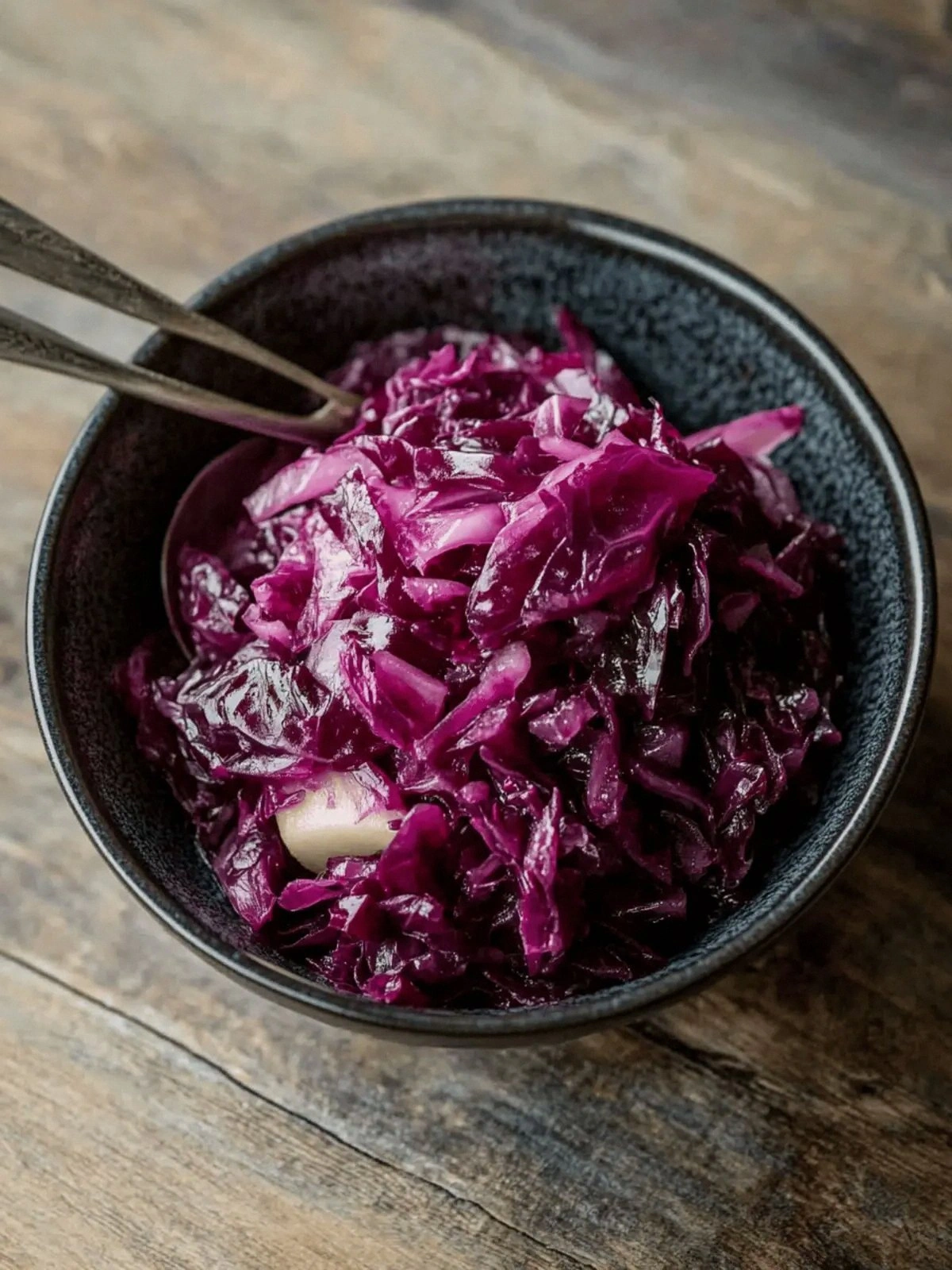
The Method — Step by Step
- Prep the cabbage: Remove the outer leaves, cut the head in half, and discard the core. Slice the halves into thin strips, about 1/8 inch thick. This thinness ensures quick cooking and a tender bite. As you cut, you’ll notice the cabbage’s vibrant color, a promise of the dish’s visual appeal.
- Slice the onion: Use a mandoline or a sharp knife to create uniform, thin slices. The onion’s thinness allows it to caramelize evenly and release its natural sugars. This caramelization forms the sweet foundation that balances the cabbage’s earthiness.
- Prepare the apples: Core and slice the apples into wedges, keeping them slightly chunky to hold shape during cooking. If you prefer a softer texture, dice them; if you like a bit of bite, leave them whole. The apples’ juiciness will mingle with the vinegar, creating a natural sauce.
- Heat the butter: In a large sauté pan, melt 2 tablespoons of butter over medium heat. Watch the butter foam; when it turns a light golden hue, it’s ready. The butter’s butteriness will coat the cabbage, preventing it from sticking and adding a velvety finish.
- Sauté the onion: Add the sliced onion to the pan and let it soften for 3-4 minutes, stirring occasionally. The onion should turn translucent and slightly golden. The aroma will begin to fill the kitchen, signaling that the base is forming.
- Introduce the cabbage: Add the sliced cabbage to the pan. Toss it with the onions and butter, ensuring even coating. Cook for about 5 minutes, stirring frequently. The cabbage will start to wilt, releasing its natural juices, which mingle with the butter and onion.
- Add the apples and spices: Toss in the apple wedges, 5 whole cloves, and 1 bay leaf. Stir to combine. The cloves will infuse their warm aroma into the mixture, while the bay leaf will add a subtle herbal undertone. Let the mixture cook for another 2 minutes, allowing the spices to release their flavors.
- Deglaze with vinegar: Pour in 1/4 cup of apple cider vinegar. The mixture will bubble and steam. This step lifts the browned bits from the pan, creating a natural sauce. The vinegar’s acidity will cut through the richness of the butter and caramelized onions.
- Sweeten and season: Sprinkle 2 tablespoons of sugar over the mixture, then season with salt and pepper to taste. The sugar will caramelize, giving the cabbage a glossy sheen. Taste as you go; the balance of sweet, tart, and savory should feel harmonious.
- Simmer gently: Reduce the heat to low, cover the pan, and let the cabbage simmer for 15-20 minutes. The cabbage should be tender yet still hold its shape. The apples will soften, releasing juice that blends with the vinegar to form a light sauce.
- Finish and serve: Remove the bay leaf, check seasoning, and adjust if necessary. Transfer to a serving dish and garnish with a sprinkle of fresh parsley if desired. The dish should feel warm, fragrant, and inviting. Serve it alongside roasted pork or a hearty stew for a complete meal.
That’s it — you did it. But hold on, I've got a few more tricks that'll take this to another level. Stay with me here; this is worth it.
Insider Tricks for Flawless Results
The Temperature Rule Nobody Follows
Many cooks instinctively throw the cabbage into a boiling pan, but this can cause it to lose its vibrant color and become soggy. Instead, start with medium heat and let the butter gently sauté the onion. Once the cabbage is added, keep the heat low enough that the mixture simmers, not boils. This controlled heat preserves the cabbage’s texture and allows the flavors to meld beautifully.
Why Your Nose Knows Best
The aroma of caramelized onions and toasted cabbage is a reliable indicator of progress. When you notice a sweet, nutty scent, it means the onions have released their sugars and the cabbage is beginning to soften. Trust your nose; if the smell is sharp and vinegary, you’re ready to add the apples.
The 5-Minute Rest That Changes Everything
After simmering, let the dish rest covered for 5 minutes before serving. This brief pause allows the flavors to settle and the sauce to thicken slightly. A friend once skipped this step and the cabbage felt under‑seasoned. The rest gave the spices a chance to bloom fully.
Use a Lid for Even Cooking
Covering the pan traps steam, ensuring the cabbage cooks evenly and retains moisture. If you’re in a hurry, you can lift the lid halfway through the simmering period to allow some moisture to evaporate, creating a slightly thicker sauce. Just be careful not to over‑evaporate.
Finish with Fresh Herbs
A sprinkle of fresh parsley or dill adds a bright, herbal contrast to the rich, sweet cabbage. Add the herbs just before serving to preserve their color and aroma. If you’re vegetarian, a dash of chopped chives also works wonderfully.
Creative Twists and Variations
This recipe is a playground. Here are some of my favorite ways to switch things up:
Spicy Kick
Add a pinch of crushed red pepper flakes during the sauté stage. The heat pairs beautifully with the apple sweetness and gives the dish a subtle bite that’s perfect for those who love a little spice.
Herb‑Infused
Swap the bay leaf for fresh thyme or rosemary. The herb’s earthy tones complement the cabbage’s natural flavor and add a fragrant layer to the dish. Use about a teaspoon of dried herbs or a few fresh sprigs.
Vegan Version
Replace the butter with a neutral oil like grapeseed or a plant‑based butter. The texture remains silky, and the dish stays entirely plant‑based while still delivering rich flavor.
Nutty Addition
Stir in a handful of toasted slivered almonds or walnuts just before serving. The crunch adds contrast, and the nutty flavor enhances the apple’s sweetness.
Berry Swap
Use fresh cranberries or cherries instead of apples for a tart twist. The berries will burst into juicy pockets, creating a different sweet‑tart dynamic that’s refreshing in the fall.
Gluten‑Free Twist
Serve the cabbage over a bed of quinoa or cauliflower rice. This keeps the dish gluten‑free while adding a wholesome base that complements the rich flavors.
Storing and Bringing It Back to Life
Fridge Storage
Cool the cabbage completely before transferring it to an airtight container. Store in the refrigerator for up to 4 days. The flavors will deepen, making it even more delicious.
Freezer Friendly
Place the cooled cabbage in a freezer‑safe bag or container and freeze for up to 3 months. When ready to eat, thaw overnight in the refrigerator. The texture may soften slightly, but the taste remains outstanding.
Best Reheating Method
Reheat gently in a skillet over low heat, adding a splash of water or apple juice to restore moisture. Let it steam for a few minutes until heated through. This method preserves the cabbage’s tender texture and keeps the sauce glossy.