I still remember the night I accidentally turned my pantry into a battlefield. The air was thick with the scent of garlic and ginger, the sizzling of onions, and that unmistakable tang of soy sauce that makes Korean cuisine feel like a secret handshake. I was halfway through a dinner party, juggling a pot of rice, a wok of stir‑fry, and a stack of empty egg roll wrappers when I realized I had no filling left. I stared at the empty space, feeling the inevitable disappointment that comes with a ruined meal, and then I heard a voice in my head: “Make something that’s so good, the guests will beg for seconds.”
That voice was my own culinary instinct, a dare to turn a kitchen mishap into a masterpiece. I grabbed the ground beef, the sesame oil, and the handful of fresh ingredients that seemed almost too ordinary to be extraordinary. The moment the beef hit the pan, it released a savory aroma that made the kitchen feel like a cozy Korean barbecue joint. The sizzle was like a drumbeat, the aroma a promise, and the heat a gentle, relentless invitation to taste what would soon be the most addictive bite of the evening.
I was about to toss the beef aside when I remembered the little trick I’d learned from a Korean cooking class: combine the ground meat with a sweet‑spicy sauce and a touch of egg roll wrapper to create a crispy, flavorful roll that’s practically a party in your mouth. The sauce, with its blend of brown sugar, soy sauce, and sriracha, coats the beef like velvet, while the sesame oil adds a nutty depth that makes every bite sing. It’s a flavor profile that can’t be replicated with ordinary ground beef and noodles.
The result was a dish that turned heads and stole the show. Picture yourself pulling a golden‑brown roll from the skillet, the steam curling like a fragrant cloud, the edges crisping to a satisfying snap that shatters like thin ice. I dare you to taste this and not go back for seconds. If you’re skeptical, think about the way this sauce clings to the beef, the way the carrots add a subtle crunch, and the way the cabbage provides a gentle, leafy counterbalance. By the end of this post, you’ll wonder how you ever made it any other way.
What Makes This Version Stand Out
- Flavor: The sauce is a harmonious blend of sweet, salty, and spicy that lingers on the palate. The combination of brown sugar and soy sauce creates a caramelized glaze, while the sriracha adds heat that doesn’t overwhelm the other flavors.
- Texture: The ground beef is cooked to a perfect medium‑rare consistency, maintaining juiciness while allowing the spices to penetrate. The egg roll wrapper adds a satisfying crunch on the outside without becoming soggy.
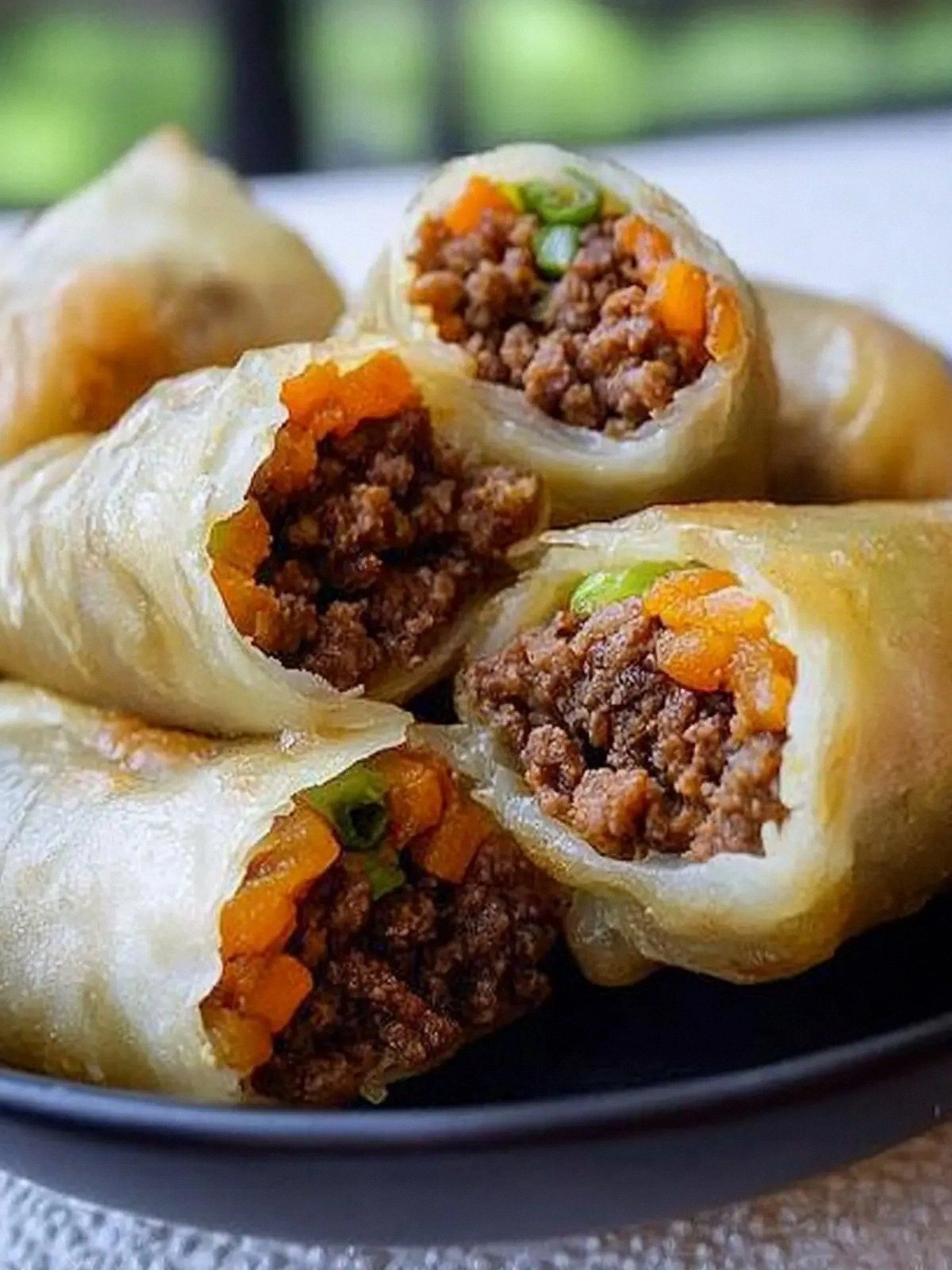
- Visual Appeal: The rolls boast a golden‑brown crust that glistens under the kitchen lights. The vibrant colors of the cabbage and carrots peek through the wrapper, making the dish look as good as it tastes.
- Simplicity: With only ten ingredients, this recipe is a quick win for busy weeknights. No need for exotic ingredients or complex techniques; just a few simple steps and a bit of love.
- Make‑ahead Friendly: Once wrapped, the rolls can be stored in the fridge or freezer and reheated to perfection. This makes it an excellent option for meal prep or for feeding a crowd.
- Authentic Twist: While many Korean egg rolls use pork or shrimp, this version’s ground beef offers a hearty, protein‑rich alternative that still feels true to the cuisine.
Inside the Ingredient List
The Flavor Base
The ground beef is the heart of this dish. Opt for an 85/15 blend to keep the meat juicy without excess fat. Skipping the beef would turn the rolls into a bland wrapper exercise, and using a leaner cut would result in a dry, unappealing texture. A quick tip: let the beef rest after cooking to allow the juices to redistribute, keeping each bite moist.
The Texture Crew
Egg roll wrappers are the vehicle that carries the flavors. They should be kept moist by lightly brushing them with water before filling. If the wrappers dry out, they will crack and let oil leak during frying, ruining the crispness. A handy trick is to keep a damp towel nearby to keep the wrappers from drying out while you work.
The Unexpected Star
Sriracha is the secret weapon that gives this dish its signature kick. A small amount balances the sweetness of the brown sugar and the saltiness of the soy sauce. If you prefer a milder heat, replace sriracha with a light chili paste or reduce the quantity to half. The sriracha also adds a subtle smokiness that enhances the overall depth.
The Final Flourish
Napa cabbage and carrots provide crunch and color. They also absorb the sauce, creating a harmonious blend of textures. If you’re short on time, shredded cabbage is fine, but whole leaves give a more authentic look. Adding a pinch of sesame seeds at the end can elevate the dish with a nutty finish.
Everything's prepped? Good. Let's get into the real action and bring those flavors together.
The Method — Step by Step
- Heat the sesame oil in a large skillet over medium heat until shimmering. Add the minced garlic and ginger, letting them sizzle for about 30 seconds until aromatic. Toss in the ground beef, breaking it apart with a spatula, and cook until it starts to brown, about 5 minutes. This is the moment of truth—watch the beef transform from raw to caramelized.
- Stir in the brown sugar, low sodium soy sauce, and sriracha. The mixture should thicken into a glossy glaze that clings to the meat. Taste and adjust the seasoning if necessary; you want a balanced sweet‑salty‑spicy profile that coats every crumb.
- Add the chopped napa cabbage and carrot matchsticks. Cook for another 2 minutes until the vegetables soften just enough to retain crunch. The vegetables should release a pleasant steam, signaling that they’re ready to absorb the sauce.
- Lay an egg roll wrapper on a clean surface, then spoon about 1–2 tablespoons of the filling onto the center. Fold the sides in, then roll tightly from the bottom, sealing the edge with a dab of water. Repeat until all wrappers are filled. The key is to keep the filling tight but not overstuffed to avoid bursting during frying.
- Heat 2 cups of oil in a deep skillet or wok to 350°F (175°C). The oil should be deep enough to submerge the rolls partially. Carefully lower a few rolls at a time, turning them until they’re golden brown on all sides, about 3–4 minutes. The watch‑out moment: don’t crowd the pan, or the oil temperature will drop and the rolls will become greasy.
- Remove the rolls with a slotted spoon and place them on a paper towel-lined plate to drain excess oil. Let them rest for a minute; this allows the filling to set and the crust to firm up. The moment you taste the first bite, you’ll feel the crunch give way to a juicy, savory center.
- Serve immediately with a dipping sauce made from equal parts soy sauce and rice vinegar, a dash of sesame oil, and a sprinkle of toasted sesame seeds. The sauce should cut through the richness, adding a bright, tangy counterpoint. If you’re feeling adventurous, add a splash of gochujang for an extra kick.
That’s it — you did it. But hold on, I've got a few more tricks that'll take this to another level. Keep reading, and let’s elevate these rolls to the next tier of flavor and texture.
Insider Tricks for Flawless Results
The Temperature Rule Nobody Follows
Many cooks think any oil temperature works for frying. In reality, the oil must stay between 350°F and 375°F. If you’re using a thermometer, keep checking after each batch. A slight dip can make the rolls soggy, while too hot and they’ll burn on the outside before the inside cooks.
Why Your Nose Knows Best
Your olfactory sense is a reliable indicator of doneness. When the beef starts to caramelize, you’ll notice a sweet, savory aroma that signals the perfect moment to add the sauce. Don’t wait until the beef is fully browned; that’s when the sugars start to burn and the flavor profile changes.
The 5-Minute Rest That Changes Everything
After frying, let the rolls rest for 5 minutes on a wire rack. This prevents the steam from condensing on the bottom, which can make the wrapper soggy. A quick rest also allows the filling to set, making the rolls easier to slice and serve.
Use a Hot Pan for the Final Fry
If you’re reheating leftovers, start by heating the pan to medium‑high before adding a splash of oil. This ensures the crust crisps up again without overcooking the filling. A hot pan also helps the oil to bubble, which signals the right temperature.
Add a Splash of Water to the Oil
If you find the rolls sticking to the pan, add a tablespoon of water to the oil. The water will create steam, which lifts the rolls slightly and prevents sticking. Just be careful not to add too much, or the oil will splatter.
Creative Twists and Variations
This recipe is a playground. Here are some of my favorite ways to switch things up:
Spicy Kimchi Filling
Replace half of the ground beef with finely chopped kimchi. The fermented tang will add depth, while the kimchi’s natural heat complements the sriracha. This version is perfect for those who love a little extra kick.
Mushroom & Spinach Fusion
Swap the carrots for sautéed mushrooms and add a handful of fresh spinach. The earthy mushrooms pair beautifully with the beef, and the spinach adds a pop of green that brightens the dish.
Cheese‑Stuffed Roll
Add a tablespoon of shredded mozzarella or cheddar to the filling before rolling. The melted cheese creates a gooey center that contrasts with the crisp wrapper, turning the roll into a comfort‑food classic.
Teriyaki Glaze
Swap the soy sauce for teriyaki sauce and add a splash of mirin. The sweet glaze will caramelize beautifully on the wrapper, giving the rolls a glossy finish and a deeper flavor profile.
Vegan Version
Use crumbled tempeh or textured vegetable protein in place of beef, and replace the egg roll wrappers with vegan alternatives. The result is a plant‑based roll that still delivers the same savory, crispy experience.
Breakfast Roll
Add a fried egg into each roll before frying. The yolk will ooze out, creating a rich, savory sauce that pairs perfectly with the seasoned beef. This makes for a hearty breakfast or brunch option.
Storing and Bringing It Back to Life
Fridge Storage
Cool the rolls completely, then store them in an airtight container for up to 3 days. Keep them on a paper towel to absorb excess moisture, preventing the wrappers from becoming soggy.
Freezer Friendly
Wrap each roll individually in plastic wrap and place them in a freezer bag. They’ll stay fresh for up to 2 months. When you’re ready to enjoy, simply reheat without thawing.
Best Reheating Method
Reheat the rolls in a hot skillet over medium heat for 2–3 minutes on each side. Add a splash of water to the pan before reheating; the steam will revive the crispness without drying out the filling. Finish with a light drizzle of sesame oil for that signature aroma.
Now that you’ve mastered the basics, you’re ready to experiment and make this dish your own. Whether you’re serving it as an appetizer at a dinner party or enjoying it for a quick weeknight fix, these savory Korean ground beef egg rolls will leave everyone asking for the recipe. Remember, the secret lies in the balance of flavors, the crispness of the wrapper, and the confidence to experiment. Happy cooking!