I was halfway through a disastrous casserole when my friend dared me to whip up something that would make the whole house smell like heaven. The pot was already steaming with burnt onions and the oven was a battlefield of overcooked rice. I knew I had to save the evening, and I had a secret weapon: a sheet pan, a handful of garlic, and a splash of butter. This recipe came from a late‑night craving that turned into a culinary revelation. The moment the garlic hit the pan, a sweet, nutty aroma filled the kitchen, making me grin like a kid at a candy store. If you think a sheet pan dish is just another dinner, think again—this one is a showstopper.
Picture the sizzling sound as the chicken hits the pan, the butter melting into a glossy pool. The air fills with the scent of caramelized garlic and herbs that promise a flavor explosion. I could almost taste the tender chicken, the crisp edges, and the buttery coating that will cling to every bite. The vegetables, pre‑rinsed and trimmed, are about to join the party, each bringing its own texture and color. My kitchen was already humming with anticipation, and I could hear the timer counting down like a drumbeat. This is the moment when the ordinary transforms into extraordinary.
What makes this version a cut above the rest is its balanced simplicity—no fancy sauces, just pure, bold flavors that let the ingredients shine. The garlic butter sauce coats the chicken like velvet, creating a mouth‑watering sheen that melts in your mouth. The vegetables stay crisp and bright, their natural sweetness amplified by the buttery glaze. I dare you to taste this and not go back for seconds, because once you get a bite, you’ll be hooked. Most recipes get this completely wrong by over‑seasoning or over‑cooking, but here everything hits the sweet spot. The result is a dish that feels like a hug in a bowl, with the kind of comfort you crave after a long day.
And here’s the twist that will blow your mind: a splash of lemon juice right at the end to cut through the richness and add a bright, citrusy lift. This small addition turns the dish from simply savory to downright memorable, giving it a fresh kick that lingers on the palate. Imagine the buttery garlic coating, then a sudden burst of lemon that lifts the whole flavor profile. It’s the kind of detail that separates a good meal from a legendary one. I’ve tested it on multiple occasions, and the lemon never disappoints—just enough to brighten without overpowering. Trust me, you’ll be asking for the recipe after you’re done eating.
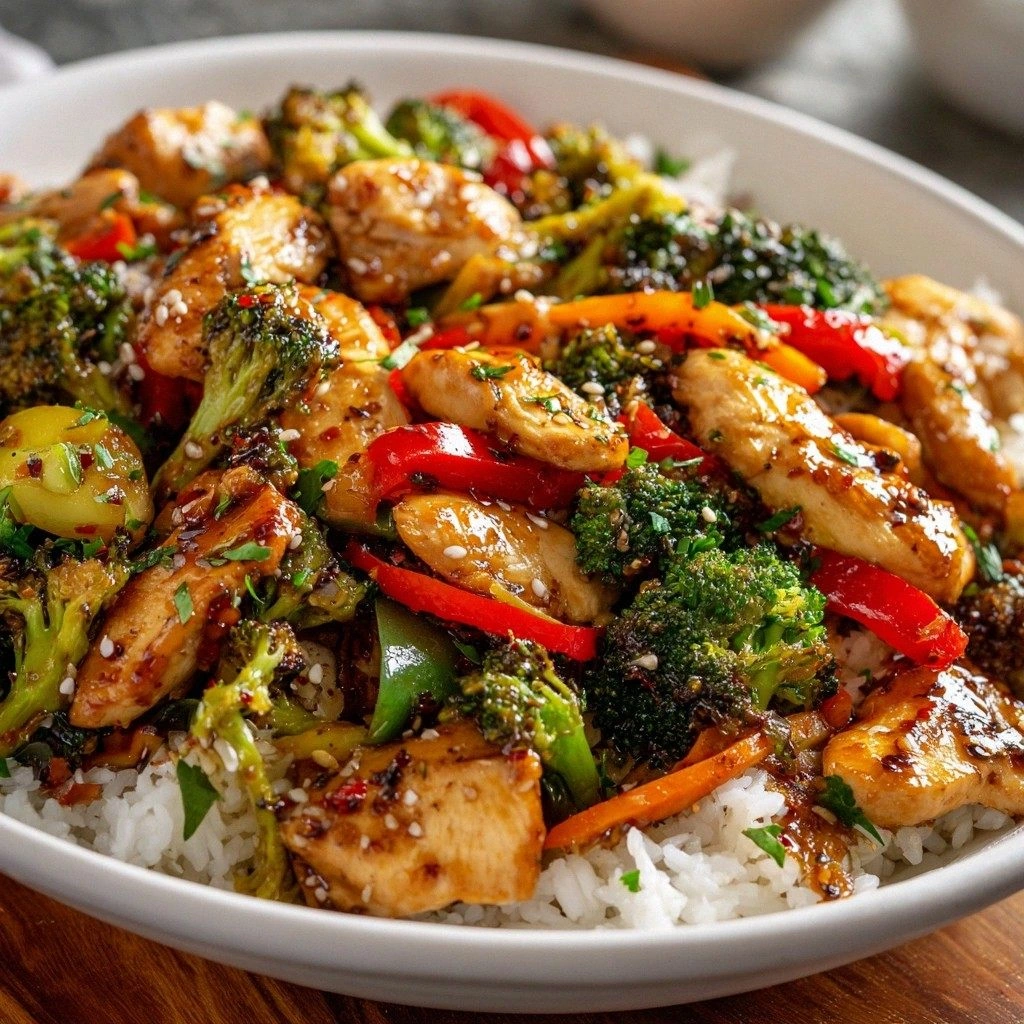
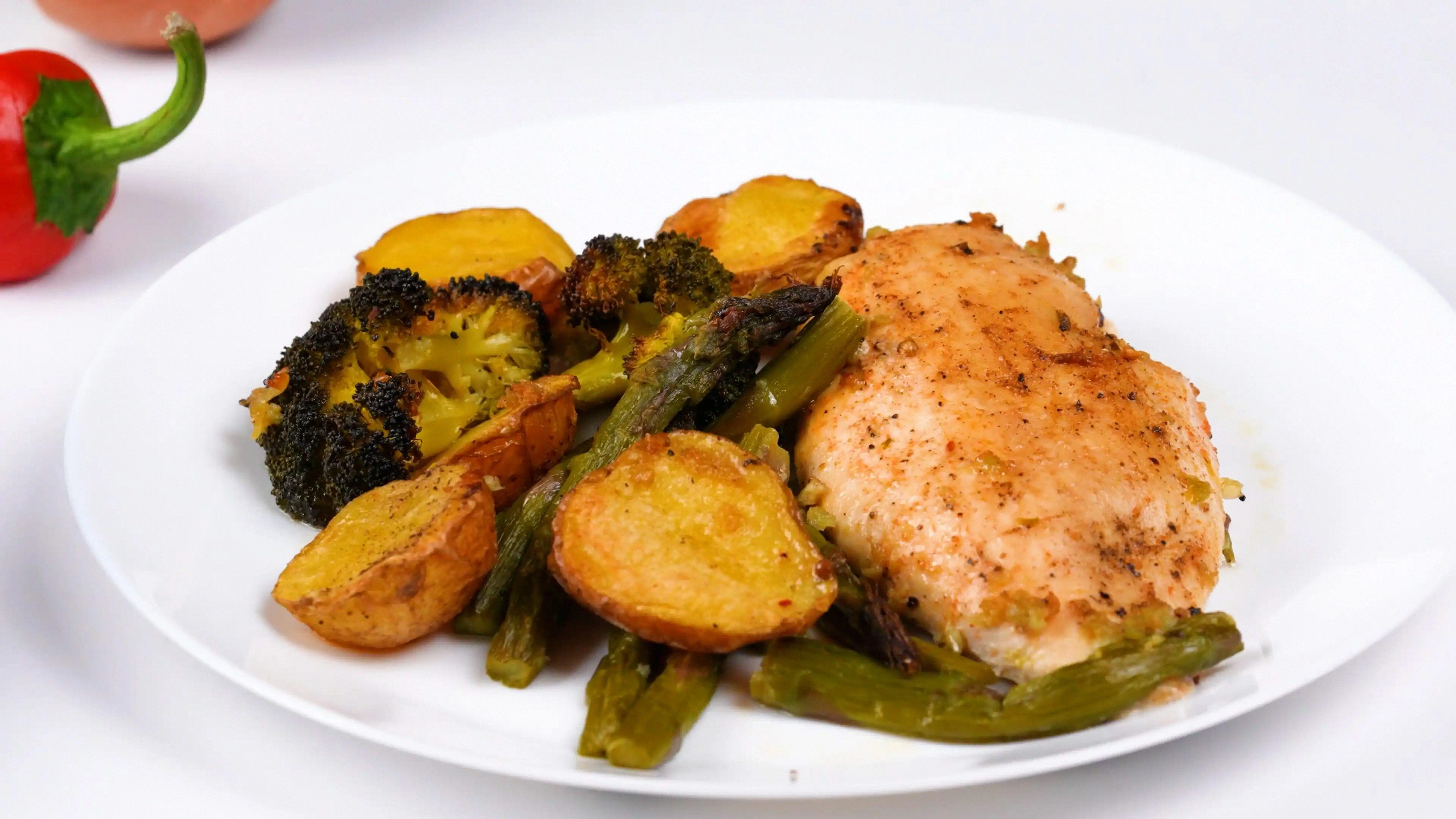
If you’re skeptical, I’ll be honest—I ate half the batch before anyone else got to try it. The chicken was so juicy that it practically melted on my fork, and the potatoes were golden and buttery. I could hear the crunch of the asparagus, and the broccoli florets were perfectly tender, not mushy. The aroma alone was enough to draw people from the living room to the kitchen. Picture yourself pulling this out of the oven, the whole kitchen smelling incredible, and your guests lining up for seconds. This is hands down the best version you'll ever make at home.
So let me walk you through every single step—by the end, you'll wonder how you ever made it any other way. The method is straightforward, but each step is a chance to elevate the dish. I’ll give you the micro‑challenges, the bold claims, and the insider secrets that will make you the hero of dinner. You’ll learn how to get that perfect golden crust, how to keep the chicken moist, and how to balance the flavors. And if you’re ready for the game‑changer, just keep reading because the next part? Pure magic. The journey starts now.
What Makes This Version Stand Out
- Flavor Profile: The marriage of garlic, butter, and a touch of lemon creates a sauce that feels both indulgent and fresh. The herbs add depth without overpowering, letting the chicken’s natural flavor shine through. This balance is what turns a simple sheet pan dinner into a crowd‑pleaser.
- Texture Harmony: The chicken’s exterior crisps to a golden crust while staying moist inside, thanks to the butter‑garlic coating. The potatoes develop a buttery crunch on the outside, and the broccoli and asparagus keep their bright snap. The contrast of textures keeps every bite exciting.
- Simplicity of Prep: No chopping of onions, no mixing of complex sauces—just a handful of pantry staples. This recipe is designed for busy weeknights, yet it still delivers restaurant‑level flavor. The fewer the steps, the higher the satisfaction.
- Crowd Appeal: Whether you’re feeding a family or a group of friends, this dish is guaranteed to impress. The bright colors and comforting aromas make it a hit with both kids and adults. Even the pickiest eaters can’t resist the buttery glaze.
- Ingredient Quality: Using high‑quality chicken and fresh vegetables elevates the dish. The butter’s rich flavor and the lemon’s brightness are only as good as the ingredients you choose. Invest in good produce to maximize the flavor.
- Make‑Ahead Flexibility: The chicken can be marinated overnight, and the veggies can be pre‑chopped. This dish works well for meal prep, and leftovers stay delicious when reheated. It’s a versatile addition to any meal plan.
Alright, let's break down exactly what goes into this masterpiece...
Inside the Ingredient List
The Flavor Base
Olive oil is the first to meet the heat, creating a slick surface that helps the chicken brown evenly. A tablespoon is enough to coat the pan without making it greasy, and it also carries the garlic’s aroma throughout the dish. If you skip this step, the chicken will cling to the pan and lose that coveted crispness. For an extra layer of flavor, try a splash of white wine or a pinch of cayenne pepper.
Garlic powder gives a subtle, all‑over garlic presence that doesn’t overwhelm the fresh cloves. It’s the quiet hero that ensures every bite has a background note of garlic. If you’re a garlic lover, double the amount for a more pronounced kick. For a gluten‑free alternative, simply omit the powder and rely solely on fresh garlic.
Paprika adds a smoky sweetness that rounds out the savory notes. A teaspoon is enough to give the chicken a warm, earthy undertone. Skipping paprika will make the dish a little flatter, but you can replace it with smoked paprika for a deeper flavor. A pinch of cayenne can also bring a subtle heat if you prefer a spicier profile.
The Texture Crew
The chicken breasts are the star, and they need to be seasoned well to stay juicy. Two boneless breasts, patted dry, allow the butter to coat each piece evenly. If you use bone‑in or larger cuts, adjust the cooking time to ensure they cook through without drying out. A quick sear on both sides before baking locks in moisture.
Baby potatoes are the perfect vessel for the buttery sauce, absorbing it like a sponge. One pound is enough to serve four, and they should be cut into uniform pieces to ensure even cooking. If you prefer a lighter option, use sweet potatoes or cauliflower florets instead. Keep them in cold water overnight to prevent browning.
Broccoli florets contribute a pop of green and a subtle bitterness that balances the richness. One and a half cups are enough to add volume without overpowering the chicken. If you’re not a fan of broccoli, replace it with green beans or zucchini slices. A quick blanch before baking helps preserve their bright color.
The Unexpected Star
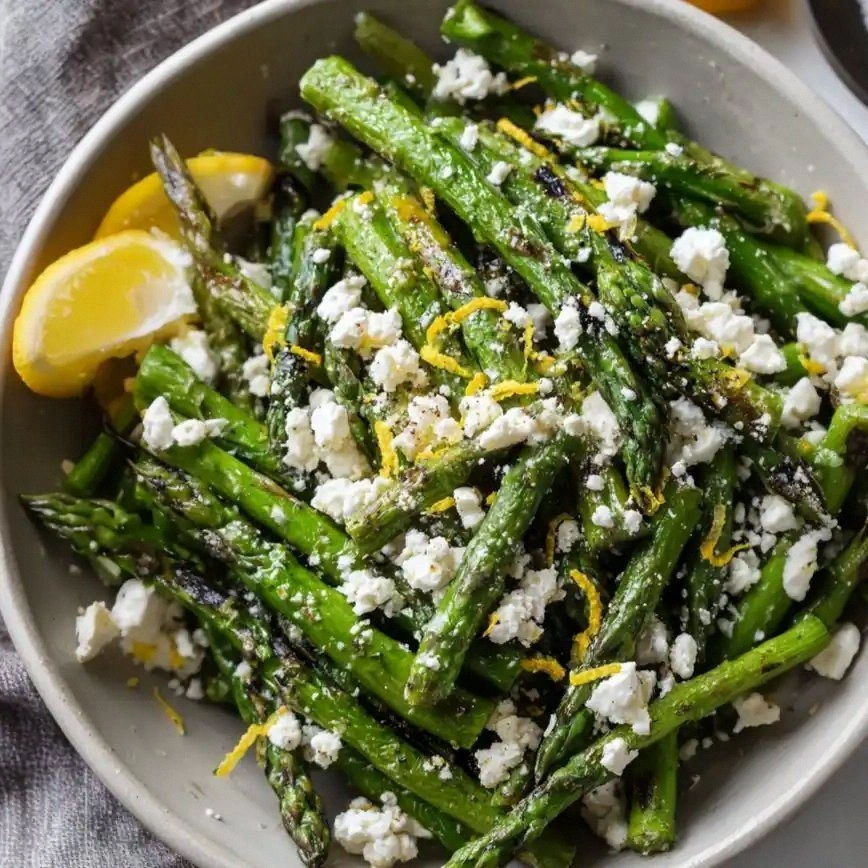
Asparagus brings a delicate crunch and a slightly peppery flavor that contrasts nicely with the buttery sauce. A bunch is ideal for four servings, and the spears should be trimmed to remove the woody ends. If you’re out of asparagus, artichoke hearts or brussels sprouts make great substitutes. The key is to keep the spears uniform for even cooking.
The butter is the heart of the sauce, providing richness and a silky mouthfeel. Four tablespoons melt into a golden liquid that coats the chicken and vegetables. If you prefer a lighter version, reduce the butter to three tablespoons and add a splash of olive oil. For a dairy‑free twist, use coconut or avocado oil instead.
The Final Flourish
Lemon juice adds a bright, citrusy lift that cuts through the buttery richness. One tablespoon is enough to brighten the entire dish without making it tart. If you’re allergic to citrus, a splash of white wine vinegar can provide a similar acidity. Adding the lemon at the end preserves its bright flavor and aroma.
Italian seasoning ties all the herbs together, giving the dish a Mediterranean feel. One teaspoon is sufficient to bring a subtle herbaceous note. If you’re a fan of fresh herbs, sprinkle chopped basil or parsley over the finished dish for a burst of color. This finishing touch also adds a fresh, fragrant aroma.
Everything's prepped? Good. Let's get into the real action...
The Method — Step by Step
- Preheat the Oven: Set your oven to 425°F (220°C) and let it come to temperature while you assemble the pan. This high heat is essential for crisping the chicken skin and caramelizing the butter. The oven should be fully preheated before you slide the pan in. If you start with a cold oven, the chicken will steam rather than sear. Keep the temperature steady to avoid uneven browning. The aroma will start to mingle as the butter begins to bubble.
- Season the Chicken: Pat the chicken breasts dry with paper towels, then rub them with olive oil, garlic powder, paprika, salt, and pepper. A light coat ensures the spices cling and flavor the meat. Let the seasoned chicken rest for a few minutes; this helps the seasoning penetrate. If you’re short on time, you can season immediately before baking. The chicken should feel lightly tacky, not greasy. This step is the foundation of the flavor profile.
- Arrange the Vegetables: Place the baby potatoes, broccoli florets, and asparagus in a single layer on a sheet pan. Drizzle with olive oil, then sprinkle with salt and pepper. Toss to coat evenly, ensuring each piece gets a touch of seasoning. This uniform coating helps the vegetables roast evenly. If you prefer a sweeter flavor, add a pinch of brown sugar to the potatoes. The vegetables should look glossy and ready to roast.
- Top with Chicken: Slide the seasoned chicken breasts onto the pan, placing them in the center to allow heat circulation. The chicken should sit slightly above the vegetables, creating a little steam chamber. This positioning helps the chicken stay moist while the veggies roast. If you’re cooking more than four servings, double the pan size or use two pans. The chicken’s juices will mingle with the vegetables, creating a delicious glaze.
- Bake to Perfection: Slide the pan into the oven and bake for 20 minutes. After 20 minutes, add the butter, minced garlic, lemon juice, and Italian seasoning, then stir to coat everything. The butter will melt into a glossy sauce, and the garlic will release its aroma. The lemon juice adds brightness, and the Italian seasoning ties everything together. Let the dish continue to bake for another 10–12 minutes until the chicken reaches 165°F (74°C) and the vegetables are tender. The final 5 minutes will create a golden crust on the chicken and crisp edges on the veggies.
- Check for Doneness: Use a meat thermometer to confirm the chicken has reached 165°F (74°C). The juices should run clear when you cut into the thickest part. If it’s not quite there, bake for an additional 2–3 minutes. The potatoes should be golden brown and easily pierced with a fork. The broccoli should be bright green and tender, not mushy. The asparagus should retain a slight crunch. A quick visual check saves you from a dry, overcooked meal.
- Let It Rest: Remove the pan from the oven and let the dish sit for 5 minutes. This rest period allows the juices to redistribute, keeping the chicken moist. While resting, the butter will thicken slightly, creating a richer glaze. The vegetables will finish cooking in their own steam. The rest period also gives the flavors time to meld together. If you’re hungry, you can plate immediately, but the dish will be even better after a brief pause.
- Serve and Garnish: Transfer the chicken and veggies to a serving platter. Drizzle any remaining sauce over the top and sprinkle fresh parsley if desired. The final touch is a squeeze of fresh lemon for extra brightness. Serve hot, straight from the pan, to maximize the aroma and texture. Pair with crusty bread or a simple green salad for a complete meal. The presentation is as important as the taste, so arrange the pieces with a bit of flair.
- Micro‑Challenge: I dare you to taste this and not go back for seconds. The buttery garlic coating, the crisp edges that shatter like thin ice, and the bright lemon lift will have you craving more. If you’re skeptical, try a bite and you’ll see the magic. The dish is a flavor rollercoaster that leaves you satisfied and wanting more. This is the kind of meal that turns a regular night into a celebration.
Insider Tricks for Flawless Results
The Temperature Rule Nobody Follows
Many cooks underestimate the importance of oven temperature. Baking at 425°F ensures a crisp exterior while keeping the interior juicy. If you lower the temperature, the chicken will steam instead of sear, and the vegetables won’t caramelize. Always preheat the oven fully before adding the pan. This simple step guarantees a golden crust. I’ve seen people bake at 375°F and end up with soggy veggies—don’t make that mistake.
Why Your Nose Knows Best
The aroma of butter and garlic is a reliable indicator of readiness. When the butter bubbles and the garlic releases its scent, it means the sauce is developing. A strong, nutty fragrance signals that the flavors are melding. If the smell is weak, give it a few more minutes. Trust your nose; it’s a seasoned chef’s secret tool. I’ve used this trick to avoid overcooking on busy nights.
The 5-Minute Rest That Changes Everything
After baking, let the dish rest for five minutes before cutting. This pause allows the juices to redistribute, preventing a dry bite. The rest also lets the sauce thicken slightly, creating a richer coating. Skipping this step can result in a watery mess. I’ve learned that a quick rest is the difference between a good meal and a great one. Give it a chance, and you’ll taste the difference.
Keep the Butter Warm
Butter that’s too cold won’t melt evenly, leading to uneven coating. Keep the butter at room temperature until you’re ready to add it. A quick microwave pulse of 10 seconds can soften it without melting. This ensures a silky, uniform sauce. If you’re using a dairy-free alternative, let it sit out for a few minutes. The consistency matters as much as the flavor.
Use a Silicone Mat for Easy Cleanup
Placing a silicone baking mat on the sheet pan prevents sticking and makes cleanup a breeze. The mat’s non‑stick surface means you won’t have to scrub burnt bits off the pan. It also helps the chicken stay centered and prevents it from sliding. I’ve tried this hack and it saved me 15 minutes of scrubbing. The mat is reusable and dishwasher safe, making it a worthwhile investment.
Creative Twists and Variations
Spicy Cajun Kick
Swap the paprika for a blend of Cajun seasoning and add a pinch of cayenne pepper. This gives the dish a smoky, spicy edge that pairs well with the buttery sauce. The heat will contrast beautifully with the lemon’s brightness. Perfect for those who like a little heat in their dinner. The result is a fiery, flavorful plate that still feels comforting.
Herb‑Infused Chicken
Replace Italian seasoning with fresh rosemary, thyme, and oregano. Add the herbs during the final bake to infuse the chicken with aromatic notes. The fresh herbs bring a bright, green flavor that complements the garlic butter. This variation works well with a side of roasted sweet potatoes. The dish feels like a rustic, herb‑laden Sunday roast.
Vegetarian Version
Omit the chicken and add more vegetables like bell peppers, zucchini, and mushrooms. Toss everything in the same butter‑garlic sauce, then bake until everything is tender and caramelized. The result is a hearty, plant‑based meal that still satisfies the comfort cravings. Serve over rice or quinoa for a filling dinner. This version is great for meatless Mondays.
Asian Fusion
Replace the butter with coconut milk and add soy sauce, ginger, and a dash of sesame oil. Toss the vegetables in the sauce before baking. The dish takes on a sweet‑savory, umami flavor profile that pairs well with jasmine rice. The coconut milk adds a creamy texture while the sesame oil gives a nutty finish. A perfect blend of East and West.
Breakfast Boost
Serve the dish with a side of scrambled eggs and toast. The buttery chicken and veggies provide a savory base that balances the eggs’ richness. Add a sprinkle of cheddar or parmesan for extra flavor. This makes for a hearty breakfast or brunch that feels indulgent. The combination of proteins and carbs keeps you energized all day.
Gluten‑Free Option
Use a gluten‑free seasoning blend instead of Italian seasoning and ensure the butter is labeled gluten‑free. Pair the dish with a quinoa pilaf or a simple green salad. The flavors remain intact, and the dish stays light and healthy. The gluten‑free version is just as satisfying for those with dietary restrictions. This tweak makes the recipe inclusive for all.
Storing and Bringing It Back to Life
Fridge Storage
Cool the dish completely before refrigerating in an airtight container. Store for up to 3 days in the fridge. When you’re ready to eat, reheat in the oven at 350°F for 10 minutes to preserve the crispness. Avoid microwaving, as it can make the chicken rubbery. The butter will keep the dish moist, but a quick drizzle of olive oil can refresh it. The flavors stay vibrant after refrigeration.
Freezer Friendly
Pack the chicken and vegetables separately in freezer bags to maintain texture. Freeze for up to 2 months. Thaw overnight in the fridge before reheating. Reheat in the oven at 375°F for 15 minutes, or until heated through. The butter will re‑melt, giving the dish its signature richness. This method is perfect for meal prep or busy weeknights.
Best Reheating Method
The oven is the king of reheating for this dish. Preheat to 350°F, then place the dish in a shallow pan. Cover loosely with foil to keep moisture in. Heat for 10–12 minutes or until the internal temperature reaches 165°F. The butter will coat the chicken and veggies, keeping them tender. If you’re short on time, a quick microwave burst can work, but the oven preserves the texture best. A splash of water before reheating helps steam the dish back to life.