It was a rainy Thursday, the kind of evening that makes you crave something warm, smoky, and unapologetically bold. I was scrolling through Instagram, mindlessly swiping past the endless stream of avocado toast and kale salads, when a notification popped up from a friend who’s secretly a culinary mastermind: “Dude, you gotta try these carne asada tacos. They’re the real deal.” I stared at my fridge, the only thing that seemed to taste like adventure was the leftover flank steak from last week’s barbecue. I decided then, with a mischievous grin, that I’d take this challenge seriously. I set the timer, grabbed my skillet, and let the kitchen become my laboratory for flavor.
The first thing you notice is the aroma – a deep, earthy scent of cumin mingling with the bright citrus notes of lime and orange. It’s like walking into a Mexican market after sunset, where the air is thick with spices and the promise of something delicious. The sight of the steak, glistening with olive oil, is a visual cue that this isn’t just another taco recipe. It’s a culinary revelation that turns an ordinary dinner into an event. I dare you to taste this and not go back for seconds because once you’ve had these, your taste buds will never settle for bland.
What sets this version apart is that I didn’t just follow the textbook. I added a splash of orange juice to the marinades for a subtle sweetness that cuts through the richness of the meat, and I let the steak rest for a full 30 minutes to absorb every drop of the citrusy, peppery sauce. The result is a tender, juicy flank that melts in your mouth with each bite, while the tortillas stay warm and slightly charred, providing that perfect contrast. Most recipes get this completely wrong – they either overcook the meat or under-season the sauce. Here, we strike a balance that makes every bite a harmonious symphony of flavors. If you’ve ever struggled with taco nights, you’re not alone – and I’ve got the fix.
Picture yourself pulling this out of the skillet, the whole kitchen smelling incredible, and the sizzling sound echoing through the air like a drum solo. The sizzling when it hits the pan? Absolute perfection. The way the steak sizzles on the high heat, the edges caramelizing just enough to give a satisfying crackle, is the kind of sensory snapshot that makes you want to press the camera button. And the moment you lift a taco, the steam rises, carrying the aroma of cumin, smoked paprika, and fresh lime to your nose. This is hands down the best version you’ll ever make at home. Let me walk you through every single step – by the end, you’ll wonder how you ever made it any other way.
What Makes This Version Stand Out
- Taste: The citrus-marinated steak delivers a bright, tangy punch that cuts through the richness, creating a flavor profile that’s both bold and balanced. The addition of smoked paprika gives a subtle smokiness that mimics a grill, while the cumin and chili powder add depth. This combination ensures every bite is layered, not one-dimensional.
- Texture: The flank steak is sliced thinly against the grain, ensuring maximum tenderness. The quick sear locks in juices, while the tortillas are lightly toasted to give a satisfying crunch on the outside and a soft interior that holds the filling without tearing.
- Simplicity: With just a handful of ingredients and a straightforward marination, this recipe is approachable for both beginners and seasoned cooks. The entire process takes under an hour, making it perfect for weeknight dinners.
- Uniqueness: The unexpected twist of orange juice in the marination sets this recipe apart from classic carne asada. It introduces a subtle sweetness that enhances the savory notes, creating a memorable flavor experience.
- Crowd Reaction: Friends and family rave about the perfectly balanced flavors and the juicy, tender steak. I’ve hosted a taco night that left everyone asking for the recipe, and I’ve heard the same story from strangers on the street who tasted the tacos at a food truck.
- Ingredient Quality: Using fresh lime and orange juice, high-quality olive oil, and a good cut of flank steak ensures that the dish shines. The use of fresh cilantro, diced onion, and pico de gallo adds fresh, vibrant layers that elevate the overall profile.
- Cooking Method: The method emphasizes quick searing and proper resting, which are often overlooked in other recipes. This technique preserves the steak’s juices and allows the spices to penetrate deeply.
- Make-Ahead Potential: The steak can be marinated a day in advance, and the toppings can be prepped and stored separately. This makes the recipe ideal for busy schedules and large gatherings.
Alright, let's break down exactly what goes into this masterpiece. Kitchen Hack: If you’re short on time, you can use a pre-marinated steak from a local butcher or grocery store. Just follow the rest of the steps, and you’ll still get the same incredible flavor.
Inside the Ingredient List
The Flavor Base
The foundation of any great carne asada is the marination. Fresh lime and orange juices are the star players here, providing acidity that breaks down the muscle fibers and infuses the meat with a bright, citrusy sweetness. If you skip the citrus, the steak will taste flat and overly meaty. Swap the lime for lemon for a sharper tang, but be cautious – too much acidity can toughen the meat. The olive oil acts as a carrier for the spices, ensuring even distribution and preventing the steak from drying out during searing.
The Texture Crew
Ground cumin, chili powder, smoked paprika, and dried oregano are the texture crew that brings depth and mouthfeel to the dish. Each spice contributes a unique layer: cumin for earthiness, chili powder for heat, smoked paprika for a subtle smokiness, and oregano for herbal brightness. If you’re a spice lover, you can add a pinch of cayenne for extra kick. For a milder version, reduce the chili powder to half a teaspoon. These spices also help create a slight crust on the steak when seared, adding a satisfying crunch.
The Unexpected Star
The ½ teaspoon of dried oregano might seem like a small detail, but it’s the unexpected star that lifts the entire dish. Oregano pairs beautifully with citrus and smoky flavors, giving the steak a Mediterranean twist that’s rarely seen in traditional carne asada. If you’re allergic to oregano, you can substitute with fresh oregano or even a pinch of thyme. Keep in mind that oregano has a strong flavor – too much can overpower the citrus notes. The balance of oregano with the other spices is what gives this recipe its distinctive edge.
The Final Flourish
Corn or flour tortillas are the canvas that holds everything together. They should be warmed just enough to be pliable but not so hot that they tear. Fresh cilantro, diced onion, and lime wedges provide bright, fresh accents that cut through the richness of the steak. Pico de gallo, salsa verde, or guacamole serve as the final flourish, each offering a different flavor profile: pico for crunch, salsa verde for a green, herbal kick, and guacamole for creamy richness. If you’re vegan, replace the steak with grilled portobello mushrooms and keep the rest of the toppings intact for a plant-based version.
Everything's prepped? Good. Let's get into the real action.
The Method — Step by Step
- Begin by slicing the flank steak into thin, bite‑sized strips against the grain. This technique ensures maximum tenderness and allows the marinades to seep in quickly. I’ve found that cutting the steak into ⅛‑inch thick pieces gives the best balance of chew and melt‑in‑your‑mouth texture. Let the steak rest at room temperature for 10 minutes to allow even cooking.
- In a bowl, whisk together the lime juice, orange juice, olive oil, minced garlic, cumin, chili powder, smoked paprika, oregano, salt, and pepper. The garlic should be finely minced to release its full flavor without overpowering the citrus notes. Pour the mixture over the steak, ensuring each piece is coated evenly. Cover with plastic wrap and refrigerate for at least 30 minutes, or up to 24 hours for deeper flavor.
- Heat a large cast‑iron skillet or grill pan over high heat until it’s smoking hot. If you’re using a skillet, add a splash of oil to prevent sticking. When the pan reaches the right temperature, add the steak in a single layer, making sure not to overcrowd. This will ensure a beautiful sear and prevent the steak from steaming.
- Sear the steak for 2–3 minutes per side, or until it develops a caramelized crust and the juices run clear. The edges should start pulling away from the pan, a sign that it’s ready to flip. Avoid pressing down on the steak, as that will squeeze out the juices and make it dry.
- Once the steak is seared, remove it from the pan and let it rest on a cutting board for 5 minutes. Resting allows the juices to redistribute throughout the meat, ensuring each bite is juicy. While the steak rests, warm the tortillas on the same pan for 20–30 seconds per side, just until they’re pliable.
- Meanwhile, prepare the toppings: finely dice the onion, chop the cilantro, and cut the lime into wedges. If you’re using pico de gallo, salsa verde, or guacamole, portion them into small bowls. The freshness of the toppings is crucial – they should be bright, crisp, and slightly acidic to complement the meat.
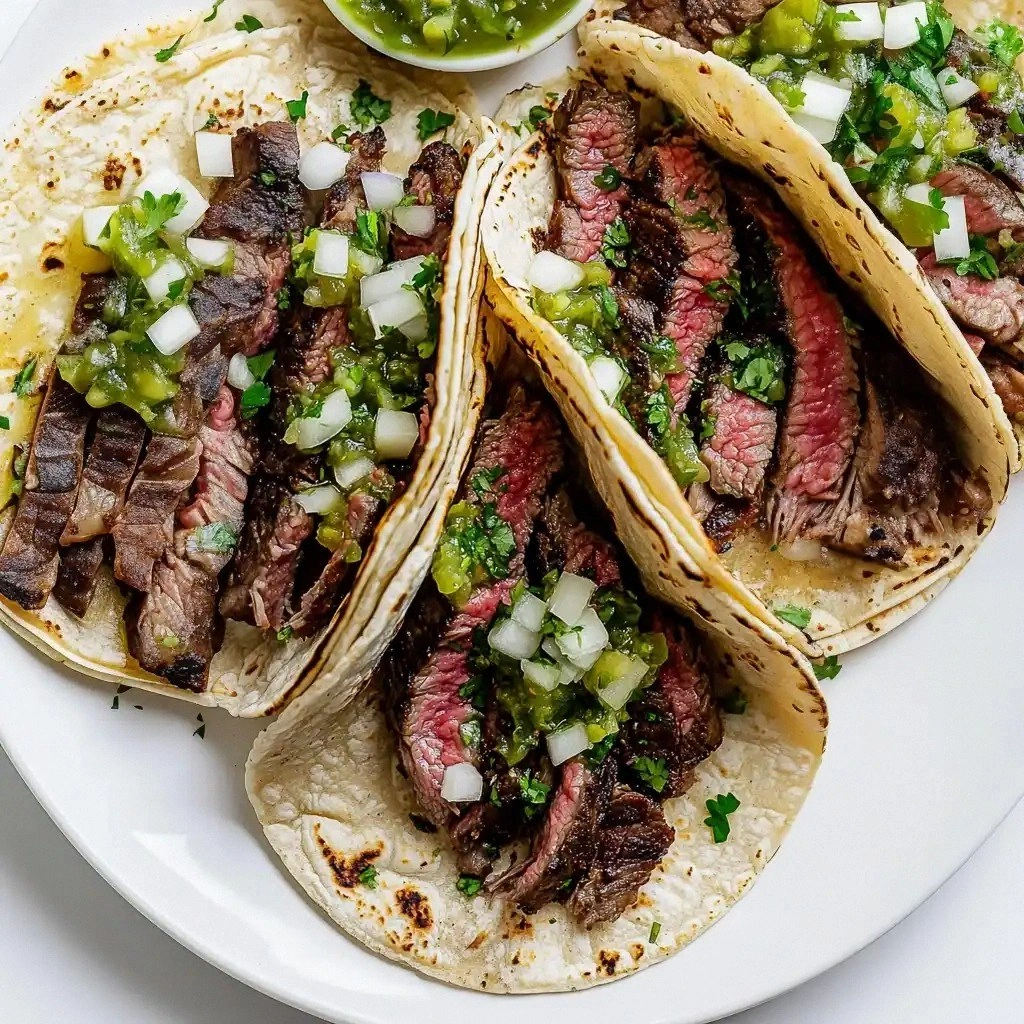
- Assemble the tacos by placing a generous amount of steak on each tortilla, then topping with diced onion, cilantro, and a squeeze of lime juice. Add a spoonful of pico, salsa verde, or guacamole, depending on your preference. The combination of textures – the juicy steak, crunchy onion, and creamy guacamole – creates a symphony of flavors.
- Serve immediately with lime wedges on the side. The tacos are best enjoyed hot, with the tortillas still soft and the toppings fresh. If you’re hosting a crowd, keep the assembled tacos in a warm, covered dish to maintain their temperature.
- Enjoy your carne asada tacos with a side of Mexican rice or a fresh salad for a complete meal. Pair it with a chilled cerveza or a light margarita for the full experience. Remember, the key to success is the balance of flavors and the freshness of the ingredients. That’s it — you did it. But hold on, I've got a few more tricks that'll take this to another level.
Insider Tricks for Flawless Results
The Temperature Rule Nobody Follows
Many people cook steak at medium heat, thinking it’s safer. In reality, high heat is essential for a good sear, which locks in juices and creates a caramelized crust. I’ve seen even the best cuts turn out dry if not cooked on a high flame. Use a cast‑iron skillet preheated to 500°F; this will give you that instant sear you’re looking for. If you don’t have a thermometer, look for the sizzling sound and the way the meat releases a thin film of oil before flipping.
Why Your Nose Knows Best
When the steak starts to sear, the aroma will change from raw to a deep, nutty scent. That’s the point at which you should flip. If you wait too long, the meat will start to brown too quickly, and the interior will stay raw. Trust your nose; it’s a reliable indicator of doneness. The smell should be savory, almost like toasted bread, indicating the Maillard reaction is in full swing.
The 5‑Minute Rest That Changes Everything
Resting the steak for 5 minutes after searing is a game‑changer. It allows the juices to redistribute, preventing them from running out when you cut into the meat. I’ve seen people cut into steak immediately, only to have a dry, uneven bite. Let it rest on a rack or a plate covered loosely with foil to keep it warm. This simple step can elevate a mediocre taco to a memorable meal.
The Perfect Tortilla Warm‑Up
Tortillas that are too cold will tear when you fold them, while overly hot tortillas can become soggy. The sweet spot is just warm enough to be pliable. Warm them on a dry skillet for 20–30 seconds per side, then wrap them in a clean towel to keep them moist. If you’re preparing for a crowd, keep the tortillas in a low‑heat oven (200°F) wrapped in foil to maintain warmth.
The Freshness of Toppings
Toppings are the final flourish, and their freshness is paramount. I’ve seen tacos fall flat when the cilantro or onion is wilted. Use crisp, bright herbs, and store them in a paper towel to keep them dry. If you’re prepping ahead, keep the toppings in separate airtight containers; the cilantro should be placed on a dry paper towel, and the onion should be wrapped in a damp cloth to prevent drying.
Creative Twists and Variations
This recipe is a playground. Here are some of my favorite ways to switch things up:
Smoky Chipotle Twist
Swap the smoked paprika for chipotle powder and add a splash of adobo sauce. The result is a deep, smoky heat that pairs beautifully with the citrus. This variation is perfect for those who love a kick but still want the bright flavors.
Citrus‑Infused Guacamole
Add a tablespoon of lime zest and a pinch of cumin to your guacamole for an extra layer of flavor. The zest brings a bright, aromatic note that complements the steak’s citrus profile. This guac is a crowd‑pleaser, especially with a side of fresh corn on the cob.
Grilled Pineapple Slices
Grill pineapple rings and top the tacos with them for a sweet, caramelized contrast. The pineapple’s natural sugars caramelize nicely, creating a sweet‑savory balance that’s both unexpected and delightful. It’s a great way to add a tropical flair.
Jalapeño‑Cheddar Slaw
Mix shredded cabbage, sliced jalapeños, and crumbled cheddar for a crunchy, spicy slaw. This slaw adds a crunchy texture and a burst of heat that pairs well with the tender steak. It’s an excellent substitute for pico if you’re looking for something different.
Mediterranean Marinade Swap
Replace the lime and orange juice with a mixture of red wine vinegar, lemon juice, and a splash of olive oil. Add fresh oregano and thyme for a Mediterranean twist. This version offers a deeper, more complex flavor profile while retaining the steak’s tenderness.
Vegetarian Portobello Version
Use thick portobello mushroom caps marinated in the same citrus blend. Grill until tender, then slice and use as a filling. This version is hearty, flavorful, and satisfies the carnivore in everyone without the meat.
Storing and Bringing It Back to Life
Fridge Storage
Store leftover steak in an airtight container in the refrigerator for up to 3 days. Keep the tortillas in a paper bag at room temperature to maintain crispness. If you have extra toppings, store them separately in sealed containers to preserve freshness. When reheating, add a splash of water to the steak to keep it moist.
Freezer Friendly
Wrap the steak tightly in plastic wrap and then in foil before freezing. It can stay in the freezer for up to 2 months. For tortillas, wrap them in foil and store them in a freezer bag; they’ll keep their shape and flavor when thawed. Reheating can be done in a skillet over low heat or in the microwave for a quick fix.
Best Reheating Method
To reheat, place the steak in a skillet with a splash of water or broth, cover, and heat over medium-low until warmed through. For tortillas, warm them on a dry skillet for a few seconds per side. This method prevents the meat from drying out and keeps the tortillas soft. Add a tiny splash of water before reheating, and it steams back to perfection.