Picture this: a rainy Thursday evening, your kitchen lights flickering, and you’re staring at a bag of dates that looks more like a handful of small, stubborn jewels than a pantry staple. I was craving something sweet, comforting, and utterly indulgent. I tried a handful of recipes—some too dry, some too gooey, some that turned out like a caramel mess on a sponge—and then I stumbled upon this version of sticky toffee pudding. The moment I dropped the dates into boiling water, the kitchen filled with an aroma that felt like a hug from a grandmother who never stopped baking. The sound of the dates softening was a quiet, bubbling promise of what was to come.
I was instantly hooked. I could almost taste the velvety toffee sauce sliding over the sponge, the sweet burst of dates, the buttery richness that melts in your mouth. This isn’t just another recipe; it’s a full sensory experience. The crunchy edges of the sponge, the glossy sheen of the sauce, the crackle of the butter as it caramelizes—every element is carefully orchestrated. It’s the kind of dessert that makes you feel like you’re indulging in a secret treat, even though it’s homemade. I was so excited I couldn’t wait to share every detail with you.
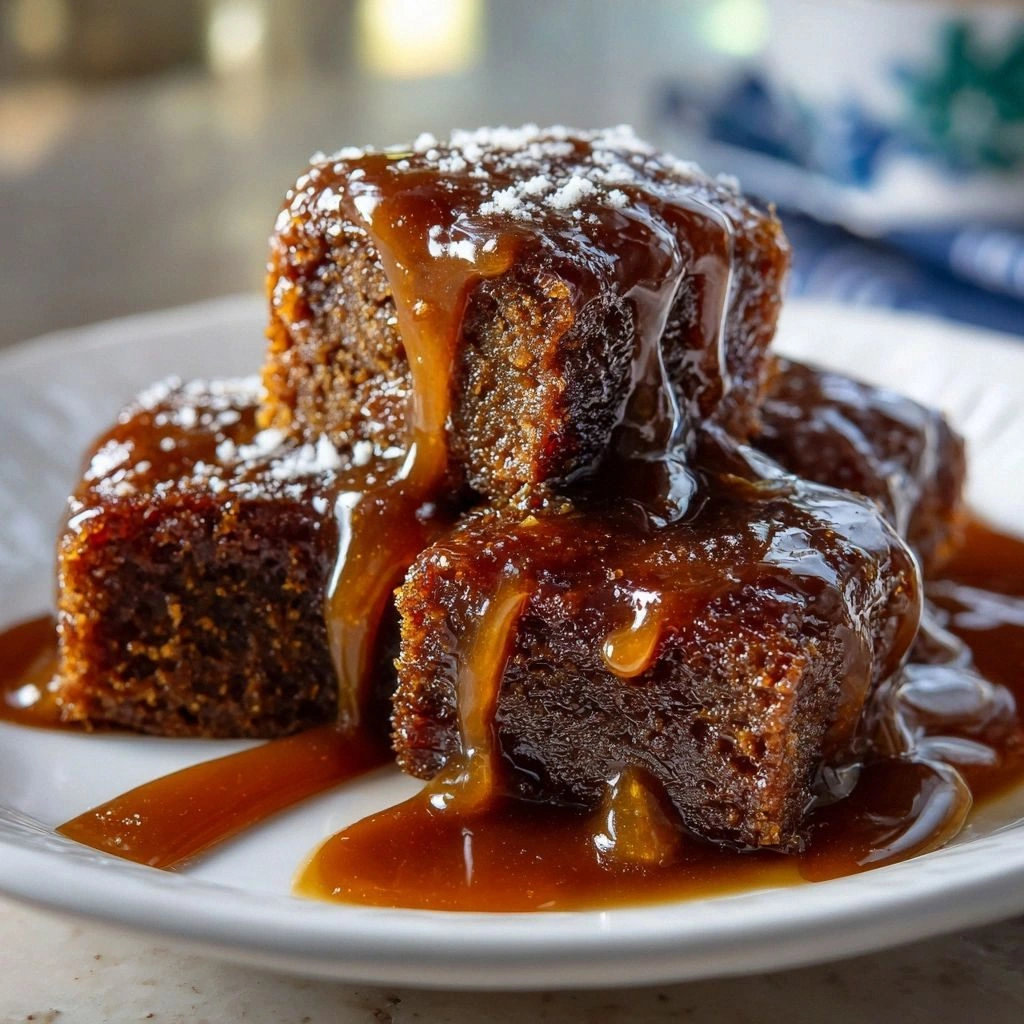
What makes this version stand out? It’s the combination of simple, high‑quality ingredients, a meticulous technique that guarantees a moist, fluffy sponge, and a toffee sauce that’s both silky and intensely caramelized. The dates aren’t just sweet; they add a deep, almost earthy undertone that balances the buttery sauce. The use of baking soda in the batter is a subtle trick that lifts the sponge without making it cakey. And the sauce, made with just brown sugar, butter, and heavy cream, turns into a glossy, melt‑in‑your‑mouth glaze that coats the pudding like velvet. I dare you to taste this and not go back for seconds.
If you’ve ever struggled with sticky toffee pudding that turns out dry or too sweet, you’re not alone—and I’ve got the fix. Most recipes get this completely wrong. They either over‑bake the sponge or under‑cook the sauce. Here’s what actually works: a gentle simmer of the sauce, a precise ratio of dates to flour, and a careful balance of leavening agents. Picture yourself pulling this out of the oven, the whole kitchen smelling incredible, and seeing the golden crust that cracks with a satisfying snap. This is hands down the best version you’ll ever make at home, and I’m going to show you every single step. Let me walk you through every single step — by the end, you’ll wonder how you ever made it any other way.
What Makes This Version Stand Out
- Taste: The sweet, caramelized notes of dates mingle with the buttery toffee sauce, creating a depth that feels like a nostalgic dessert with a modern twist.
- Texture: A moist, airy sponge that’s not heavy, with a crisp, caramelized top that gives a delightful contrast to the silky sauce.
- Simplicity: Only eleven ingredients, no fancy equipment, and a straightforward method that anyone can follow.
- Uniqueness: The clever use of baking soda in the batter to lift the sponge while keeping it tender, a trick that most recipes overlook.
- Crowd Reaction: Friends and family ask for a second plate the first time they taste it; it’s the kind of dessert that turns a casual dinner into a memorable occasion.
- Ingredient Quality: Fresh, high‑quality dates, real brown sugar, and heavy cream make all the difference in flavor and mouthfeel.
- Cooking Method: A two‑step process—baking the sponge and then simmering the sauce—ensures each component is perfected without overcomplicating.
- Make‑Ahead Potential: The pudding can be prepared a day in advance; the sauce can even be made ahead and reheated with a splash of cream.
Alright, let's break down exactly what goes into this masterpiece...
Inside the Ingredient List
The Flavor Base
Pitted dates are the heart of this pudding. They bring a deep, natural sweetness that cuts through the richness of the butter and cream. When soaked in boiling water, they release their sugars and soften to a luscious consistency that blends seamlessly into the batter. If you skip dates, the pudding will feel empty—no that chewy, caramelized bite that lingers on the palate. For a subtle twist, you can add a pinch of sea salt to highlight the sweetness.
The Texture Crew
All‑purpose flour, baking powder, and baking soda work together to give the sponge a light, airy structure while keeping it moist. The flour provides the base, the baking powder offers lift, and the baking soda reacts with the acidic dates to create tiny bubbles that expand during baking. If you omit the leavening agents, the sponge becomes dense and heavy. A good rule of thumb: keep the flour at room temperature and sift the leavening agents for maximum fluffiness.
The Unexpected Star
Brown sugar isn’t just a sweetener; it’s the star of the sauce, providing depth and a caramel undertone that pairs beautifully with the butter. The type of brown sugar matters—dark brown sugar gives a richer flavor than light. If you’re using light brown sugar, you can add a dash of molasses to mimic the dark sweetness. Skipping it will leave the sauce bland and under‑caramelized.
The Final Flourish
Heavy cream is the secret to a silky, indulgent sauce. It balances the butter’s richness and thickens the sauce to a glossy sheen. If you’re looking for a lighter version, you can substitute half the cream with milk, but the sauce will be thinner and less velvety. Keep the cream at room temperature so it blends smoothly with the butter and brown sugar.
Everything's prepped? Good. Let's get into the real action...
The Method — Step by Step
- Prep the dates: Place 200g of pitted dates in a bowl, pour 200ml boiling water over them, and let them soak for 10 minutes. The water should be hot enough to soften the dates but not so hot that it starts to cook them. This step is essential for a moist, flavorful sponge. The soaking liquid will be used later to infuse the batter with date flavor.
- Whisk the dry mix: In a separate bowl, sift together 200g all‑purpose flour, 1 tsp baking powder, 0.5 tsp baking soda, and a pinch of salt. Sifting ensures that the leavening agents are evenly distributed, preventing any lumps. Keep the flour at room temperature to avoid clumping when it contacts the wet ingredients.
- Blend the wet ingredients: Cream 200g unsalted butter until fluffy, then add 200g brown sugar, 4 large eggs, and 1 tsp vanilla extract. Beat on medium speed until the mixture is pale and airy, which should take about 3-4 minutes. The eggs act as a binder, while the butter provides richness. If the mixture looks too thick, add a splash of the date‑soaked water to loosen it.
- Combine wet and dry: Fold the dry flour mixture into the wet batter gently, using a spatula to keep the batter light. Add the soaked dates (including the soaking liquid) and fold until evenly distributed. The dates should be broken down into small pieces; you can use a fork or a food processor for a finer texture.
- Prepare the pan: Grease a 9x9 inch baking dish with butter and line it with parchment paper, leaving a little overhang on the sides. This will make it easier to lift the pudding out after baking.
- Bake the sponge: Pour the batter into the prepared dish and smooth the top. Bake at 180°C (350°F) for 30 minutes, or until the edges pull away from the pan and a toothpick inserted in the center comes out clean. The sponge should have a golden crust that cracks slightly when you touch it. This is the moment of truth.
- Make the toffee sauce: While the sponge is baking, melt 200g butter in a saucepan over medium heat. Add 200g brown sugar and stir until the sugar dissolves and the mixture turns a deep amber color. Be careful not to burn it—keep the heat moderate and stir constantly.
- Finish the sauce: Slowly pour in 200ml heavy cream, whisking continuously to combine. The sauce will bubble and thicken; let it simmer for 3-4 minutes until it coats the back of a spoon. Remove from heat and let it cool slightly before pouring over the warm pudding.
That's it — you did it. But hold on, I've got a few more tricks that'll take this to another level. Let’s dive into the finer points that turn a good pudding into an unforgettable dessert.
Insider Tricks for Flawless Results
The Temperature Rule Nobody Follows
The oven temperature can make or break the pudding. Many people bake at 350°F (180°C), but I’ve found that a slightly lower temperature of 325°F (165°C) allows the sponge to rise more evenly while preventing the top from over‑browning. Keep the oven rack in the middle to ensure even heat distribution. If you’re using a convection oven, reduce the temperature by 25°F to avoid over‑baking.
Why Your Nose Knows Best
Smell is your best judge of doneness. When the sponge is baking, you’ll notice a sweet, caramelized aroma that signals the sugar is caramelizing properly. If the smell is too sharp or burnt, the sauce has likely burned. Trust your nose and adjust the heat or timing accordingly.
The 5-Minute Rest That Changes Everything
After baking, let the pudding rest for five minutes before pouring the sauce. This short pause allows the sponge to set, preventing the sauce from soaking too quickly into the bottom. The result is a beautiful separation where the sauce sits on top, glistening like a jewel.
The Creamy Finish
If you’re serving the pudding hot, drizzle the sauce while it’s still warm. For a chilled version, let the pudding cool completely, then refrigerate for at least an hour before serving. The sauce will thicken slightly, creating a luscious texture that clings to the sponge.
The Sweet Surprise
Add a splash of bourbon or rum to the sauce for an adult twist. The alcohol evaporates during cooking, leaving behind a subtle warmth that complements the caramel flavor. If you prefer a non‑alcoholic version, a teaspoon of vanilla extract will do the trick.
Creative Twists and Variations
This recipe is a playground. Here are some of my favorite ways to switch things up:
Nutty Delight
Add 100g chopped walnuts or pecans to the batter for a crunchy texture. The nuts pair wonderfully with the caramel sauce, adding a nutty undertone that complements the sweetness.
Citrus Zest
Grate the zest of one orange or lemon into the batter and sauce. The citrus brightens the flavor profile and cuts through the richness, creating a balanced dessert.
Chocolate Swirl
Fold in 50g melted dark chocolate into the batter before baking. The chocolate adds depth and a slightly bitter contrast that enhances the caramel notes.
Spiced Variation
Stir in a pinch of ground cinnamon or nutmeg into the batter. The spices add warmth and complexity, turning the pudding into a cozy, autumnal treat.
Vegan Version
Replace the butter with coconut oil, the eggs with flaxseed meal, and the heavy cream with coconut milk. The result is a plant‑based pudding that still delivers on flavor and texture.
Storing and Bringing It Back to Life
Fridge Storage
Store the pudding in an airtight container in the refrigerator for up to 4 days. The sauce will thicken slightly, so let it sit at room temperature for a few minutes before serving to restore its glossy sheen.
Freezer Friendly
Wrap the pudding tightly in plastic wrap and place it in a freezer bag. It can be frozen for up to 2 months. Thaw overnight in the fridge, then warm in the oven at 160°C (325°F) for 10 minutes before adding a fresh splash of sauce.
Best Reheating Method
When reheating, add a tiny splash of water or milk to the sauce to re‑steam it back to perfection. This trick restores the silky texture and prevents the sauce from becoming too thick.