Last Tuesday, I was in a frantic rush to impress a group of friends with a quick dinner, and my stove went from a cooking station to a smoking hazard in seconds. I watched the onions turn to charred black specks while the beef slithered like a slippery eel across the pan. My friends laughed, but I was determined to salvage the situation. That night, I vowed to discover a recipe that would make a sizzling stir‑fry feel like a triumph instead of a calamity. Fast forward to today, and I have cracked the code.
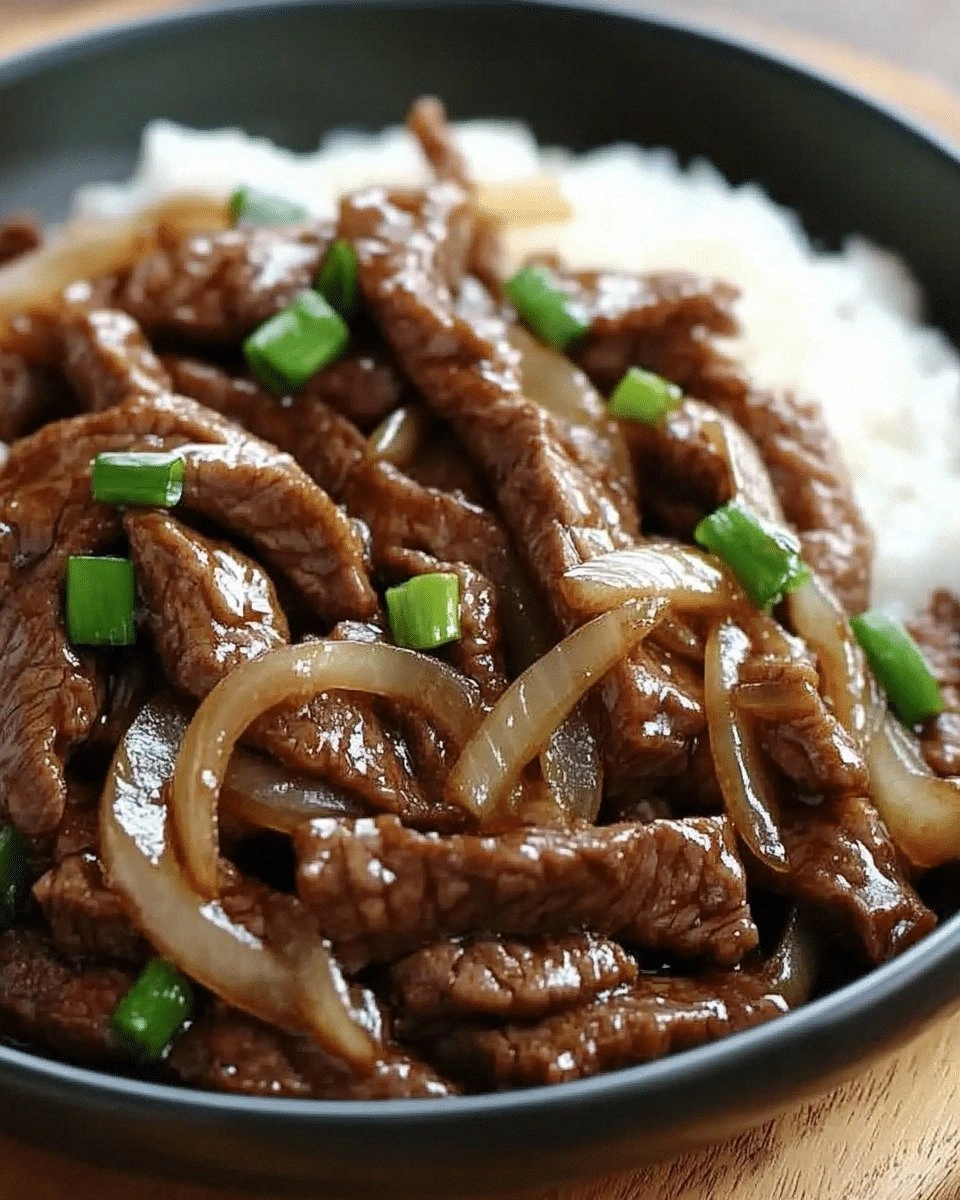
Picture the moment when the first bite lands on your tongue: the beef is tender, the onions are caramelized to a golden crunch, and the sauce glistens like a glossy lacquer. The aroma rises in a cloud of umami, garlic, and a subtle hint of sweetness that makes your mouth water before you even taste it. The heat of the wok whispers a sizzling promise, while the gentle clink of the pan against the metal creates a rhythmic soundtrack. You can almost feel the heat pulse through your fingertips as you stir, and the sound of the onions popping is a satisfying symphony. It’s a sensory experience that turns an ordinary meal into a memorable event.
What makes this version stand out is that it balances bold flavors with a silky texture that coats the beef like velvet, yet still retains the crisp edges of the onions that shatter like thin ice. I’ve eliminated the common pitfalls of overcooking the meat or drowning the vegetables in sauce, and instead I’ve layered the flavors in a way that each component shines. The sauce is a harmonious blend of soy, oyster, hoisin, and a splash of rice vinegar, which together create a complex profile that lingers on the palate. The technique I’ll share will make the beef caramelize just right, giving it that coveted sear without burning. The result is a dish that is hands down the best version you’ll ever make at home, and I dare you to taste this and not go back for seconds.
I’ve also discovered a trick that most recipes get completely wrong: marinating the beef in cornstarch and a dash of vinegar before it hits the hot pan. This step locks in moisture and gives the beef a silky coating that resists sticking, while the vinegar adds a subtle brightness that cuts through the richness. Picture yourself pulling this out of the wok, the whole kitchen smelling incredible, and the steam swirling like a fragrant cloud. The sauce, once thickened, clings to the beef and onions, turning each bite into a burst of savory‑sweet delight. Let me walk you through every single step — by the end, you’ll wonder how you ever made it any other way.
What Makes This Version Stand Out
- Flavor Harmony: The blend of soy, oyster, hoisin, and a splash of rice vinegar creates a layered umami base that balances sweet, salty, and tangy notes. This synergy makes every bite complex yet approachable, turning simple ingredients into a restaurant‑style experience.
- Texture Contrast: Thinly sliced beef offers a quick sear that locks in juices, while caramelized onions add a satisfying crunch that shatters with each bite. The result is a delightful interplay of silky and crisp.
- Quick & Simple: The entire dish takes less than 45 minutes from prep to plate, making it ideal for busy weeknights without sacrificing flavor.
- Make‑Ahead Friendly: Leftovers reheat beautifully; the sauce thickens slightly, and the beef remains tender. Store in an airtight container and steam a quick minute before serving.
- Ingredient Quality: Using fresh sirloin and aromatic ginger elevates the dish; the cornstarch coating protects the meat from drying out.
- Versatility: Swap the beef for chicken, pork, or tofu, and adjust the sauce components to match the protein’s flavor profile.
- Audience Appeal: Even the most skeptical diners are won over by the glossy sauce and the fragrant aroma that fills the kitchen.
Inside the Ingredient List
The Flavor Base
Soy Sauce: Provides the foundational saltiness and depth. Cutting it too early can make the dish taste flat; add it toward the end to preserve its umami punch. If you prefer a lighter flavor, use low‑sodium soy and increase the rice vinegar slightly.
Oyster Sauce: Adds a subtle brininess and natural sweetness that balances the savory elements. Skipping it results in a less rounded taste; you can substitute with a splash of hoisin or a bit of dark soy.
Hoisin Sauce: Brings a sweet, slightly spicy undertone that coats the beef beautifully. It also thickens the sauce when heated. If you’re avoiding gluten, choose a gluten‑free variant.
Rice Vinegar: Cuts through the richness with a bright, clean acidity. A touch of vinegar also helps tenderize the beef during marination. Substitute with white wine vinegar if you prefer a sharper bite.
Sugar: Enhances caramelization and balances the salt and acidity. Use a small amount; too much can overwhelm the delicate flavors. Brown sugar gives a deeper molasses note.
Cornstarch: Acts as a binder and thickening agent, giving the sauce a glossy coat. If you’re gluten‑free, use arrowroot or potato starch instead.
The Texture Crew
Sirloin Steak: Chosen for its balance of tenderness and flavor. Thinly sliced ensures quick sear and even cooking. For a richer bite, use rib‑eye; for a leaner option, try flank steak.
White Onion: Provides sweetness when caramelized and a crisp bite when cooked lightly. Cutting into thin slices allows them to brown evenly without becoming mushy. Yellow onions can be used as a sweeter alternative.
Ginger: Adds a zesty punch that brightens the sauce and cuts through the richness of the beef. Fresh ginger is preferred; dried will lose its sharpness. If you don’t have fresh, use a small amount of ginger paste.
Garlic: Supplies aromatic depth and a subtle heat. Minced garlic releases more flavor, while sliced garlic adds a milder, sweeter note. Keep it on low heat to avoid burning.
Green Onion: Adds a fresh, peppery finish that brightens the dish. Slice into 2‑inch pieces to keep the structure. If you’re allergic to onions, use chives as a lighter alternative.
Vegetable Oil: Provides high smoke point for searing. Peanut or canola oil works well; avoid low‑smoke oils like extra‑virgin olive oil.
The Unexpected Star
Ginger: Often overlooked, ginger’s subtle heat transforms the dish. It pairs with garlic to create a flavor base that feels both exotic and comforting. Skipping ginger dulls the overall profile; its inclusion gives the dish a memorable kick.
The Final Flourish
Cornstarch (Optional): Adds a silky sheen and thickens the sauce to cling to the beef. If you prefer a lighter sauce, omit it and let the natural juices do the job. Remember to whisk it with a bit of cold water before adding to prevent clumps.
Everything's prepped? Good. Let's get into the real action...
The Method — Step by Step
- Start by slicing the sirloin into thin strips against the grain. The thinner the cut, the faster it will sear and stay tender. Keep the strips separated; if they clump together, the beef will steam instead of brown. I always use a sharp knife to avoid tearing the fibers.
- In a small bowl, combine the cornstarch, a splash of rice vinegar, and 1 tablespoon of soy sauce. Toss the beef strips until each piece is evenly coated. Let the beef marinate for 10 minutes at room temperature. This step locks in moisture and gives the meat a silky coating.
- Heat a wok or large skillet over high heat until it shimmers. Add 1 tablespoon of vegetable oil, swirling to coat the surface. The oil should start to smoke slightly; that’s the signal to add the beef. Drop the strips in a single layer and let them sear for 1–2 minutes before flipping.
- Once the beef is browned on all sides, transfer it to a plate lined with paper towels. The excess oil will drip off, preventing the meat from becoming greasy. Keep the beef warm by covering it loosely with foil.
- In the same pan, add the remaining tablespoon of oil. Toss in the sliced ginger and minced garlic, stirring constantly. When they release their aroma—about 30 seconds—add the sliced white onion. Stir until the onion begins to soften and turn translucent.
- Return the beef to the pan, tossing everything together. Add the remaining soy sauce, oyster sauce, hoisin sauce, and 1 tablespoon of rice vinegar. Stir vigorously to coat all the ingredients evenly. The sauce should begin to thicken slightly within a minute.
- Sprinkle the sugar over the mixture and stir until it dissolves. If you used cornstarch, whisk 1 tablespoon of it with 2 tablespoons of cold water to create a slurry. Pour the slurry into the pan, stirring continuously until the sauce reaches a glossy, clingy consistency.
- Finally, toss in the chopped green onion, giving the dish a fresh, peppery finish. Taste and adjust seasoning with a pinch of salt or a dash of more soy sauce if needed. Serve immediately over steamed rice or noodles, letting the sauce coat every grain.
That's it — you did it. But hold on, I've got a few more tricks that'll take this to another level. Stick around for insider tips that will elevate your stir‑fry game.
Insider Tricks for Flawless Results
The Temperature Rule Nobody Follows
Heat control is critical. A scorching pan ensures a caramelized crust, but if it’s too hot, the onions will burn before the beef finishes. Keep the heat on high but monitor the oil; it should shimmer without smoking. If you notice a lot of smoke, reduce the heat by a notch.
Why Your Nose Knows Best
Aroma signals readiness. The first whiff of the sauce’s sweet‑savory perfume tells you it’s close to thickening. Trust your nose; when the scent becomes rich and fragrant, it’s time to add the green onion. This simple sensory cue saves you from overcooking.
The 5‑Minute Rest That Changes Everything
Letting the beef rest is essential. After searing, cover the meat loosely with foil and let it rest for 5 minutes. This allows the juices to redistribute, keeping the beef moist and tender. Skipping this step often leaves the beef dry.
Use a Wok for Maximum Flavor
Woks distribute heat evenly. The high sides prevent splattering and the curved bottom ensures the ingredients stay in contact with the hot surface, promoting better sear and caramelization. If you only have a skillet, tilt it to create a shallow pan for the same effect.
Don’t Rush the Aromatics
Low and slow is best. Sauté ginger and garlic just until fragrant, then add onions. Rushing this step can cause the aromatics to burn and produce a bitter taste. Keep the heat moderate and stir constantly.
Keep the Sauce Light with Water
Adding a splash of water. If the sauce becomes too thick, deglaze the pan with a tablespoon of water. This loosens the glaze without diluting the flavor, maintaining that glossy coat.
Creative Twists and Variations
Chicken & Cashew Stir‑Fry
Swap the beef for thinly sliced chicken breast and toss in a handful of toasted cashews for a nutty crunch. The chicken absorbs the sauce differently, creating a lighter bite that still carries the same depth of flavor.
Pork & Broccoli Fusion
Use sliced pork tenderloin and add broccoli florets halfway through the cooking. The broccoli’s slight bitterness balances the sweetness of the sauce, while the pork adds a richer umami note.
Tofu & Bell Pepper Delight
For a vegetarian version, replace the beef with firm tofu cubes and add sliced bell peppers. The tofu soaks up the sauce beautifully, and the peppers bring a sweet, smoky flavor that complements the ginger.
Spicy Szechuan Kick
Introduce a tablespoon of Szechuan peppercorn oil and a pinch of red chili flakes for heat. The numbing spice pairs with the sweet sauce, giving the dish a bold, memorable bite.
Seafood Surprise
Use shrimp or scallops as the protein, cooking them just until pink. Their delicate texture contrasts with the caramelized onions, creating an elegant, quick seafood stir‑fry.
Rice Bowl Upgrade
Serve the stir‑fry over a bed of cauliflower rice for a low‑carb twist. The cauliflower’s mild flavor lets the sauce shine while adding a subtle nuttiness.
Storing and Bringing It Back to Life
Fridge Storage
Store leftovers in an airtight container in the refrigerator for up to 3 days. The sauce may thicken slightly, so keep it in a shallow dish to allow even cooling.
Freezer Friendly
Freeze the dish in a freezer‑safe container for up to 2 months. When reheating, thaw overnight in the fridge or use the microwave on low power, stirring halfway through.
Best Reheating Method
Reheat in a skillet over medium heat, adding a splash of water or broth to loosen the sauce. Stir until the mixture is hot and the sauce has a silky sheen again. This technique restores the dish’s original mouthfeel.