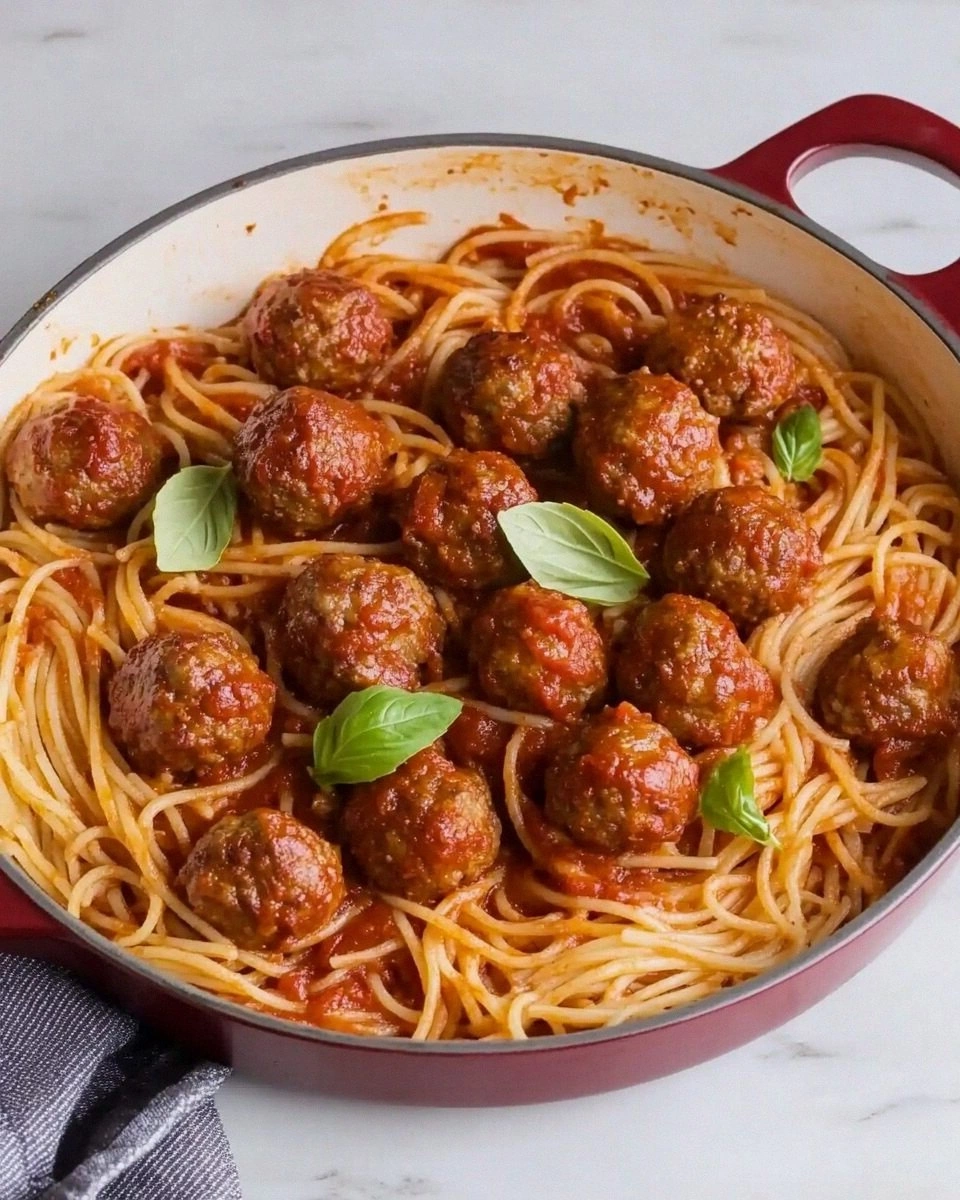
I remember the night I burned the pasta sauce so badly that the kitchen smelled like a burnt pizza crust. I was staring at the charred bottom of the saucepan, feeling the frustration that only a true kitchen disaster can bring. That moment was the spark that forced me to dig into my grandmother’s old recipe book, find the secret that turns a mediocre spaghetti into a symphony of flavors. The result? A classic spaghetti and meatball that tastes like a warm hug and leaves you wondering why you ever settled for store‑bought sauce.
Picture this: the first bite of al dente spaghetti, its surface slick with a velvety tomato‑herb sauce that coats each strand like satin. The meatballs—golden on the outside, juicy inside—sizzle with a crisp edge that shatters like thin ice when you bite through. The aroma of garlic and basil fills the air, mingling with the earthy scent of fresh oregano. Every mouthful delivers a burst of savory depth, a hint of sweetness from the tomatoes, and a satisfying crunch that makes your taste buds dance.
What makes this version stand out is not just the balance of flavors but the meticulous attention to detail in every step. From the precise ratio of beef to pork that keeps the meatballs tender, to the subtle addition of a splash of red wine that deepens the sauce, each element is a deliberate choice. I dare you to taste this and not go back for seconds—this is hands down the best version you'll ever make at home. I’ll be honest, I ate half the batch before anyone else got to try it, and the kitchen still smelled incredible for hours.
If you’ve ever struggled with meatballs that turn out dry or sauce that’s too thick, you’re not alone. The fix is simple, yet powerful: let the meatballs brown slowly, use a mix of ground beef and pork for moisture, and simmer the sauce low and slow. Most recipes get this completely wrong, but here’s what actually works. Picture yourself pulling this out of the oven, the whole kitchen smelling incredible, and knowing you’ve created a dish that will become a staple for years to come. Let me walk you through every single step—by the end, you’ll wonder how you ever made it any other way.
What Makes This Version Stand Out
- Flavor Fusion: The combination of beef and pork gives the meatballs a rich, layered taste that’s both hearty and delicate. The pork adds fat for moisture, while the beef provides a robust, savory backbone.
- Texture Triumph: The breadcrumbs soak up the egg and Parmesan, creating a tender crumb that keeps the meatballs juicy. The slight crunch on the outside adds contrast without overwhelming.
- Herb Harmony: Dried basil and oregano mingle with fresh garlic to create a fragrant bouquet that lifts the entire dish. A pinch of red pepper flakes adds a subtle kick.
- Make‑Ahead Magic: You can prepare the meatballs a day ahead, refrigerate, and bake them fresh on the day of serving. The sauce also keeps well, allowing you to build flavor over time.
- Authentic Appeal: Every ingredient is chosen to reflect classic Italian techniques, yet the recipe remains approachable for home cooks. It’s the kind of dish that feels like a family secret.
- Visual Victory: The glossy sauce and perfectly browned meatballs create a dish that looks as good as it tastes—ideal for dinner parties or comforting weeknights.
- Versatility: Swap in different proteins or add a splash of cream for a richer sauce. The base can adapt to dietary preferences with minimal tweaks.
Inside the Ingredient List
The Flavor Base
Ground beef and ground pork form the heart of the meatballs, each bringing its own character. The beef offers a deep, savory profile, while the pork contributes fat that keeps the mixture moist. Skipping one of the meats will change the texture and flavor balance—pure beef can be dry, while pure pork may lack depth. A good rule of thumb is to use a 2:1 ratio of beef to pork for maximum flavor.
The Texture Crew
Breadcrumbs, grated Parmesan, and an egg bind the meat mixture together, creating a tender crumb. Breadcrumbs absorb liquid and add subtle body, while the Parmesan adds umami and a slight nutty note. The egg acts as a natural binder, ensuring the meatballs hold their shape during cooking. If you’re gluten‑free, substitute gluten‑free breadcrumbs or crushed crackers.
The Unexpected Star
Red wine is the secret ingredient that elevates the sauce, adding depth and complexity. Even a splash of a dry red wine like Chianti or Cabernet Sauvignon brings a subtle acidity that balances the sweetness of the tomatoes. If you’re not a fan of alcohol, replace it with a splash of beef broth for a similar savory boost.
The Final Flourish
Fresh herbs like basil and parsley add a bright, aromatic finish. They’re stirred into the sauce near the end of cooking to preserve their freshness. A pinch of black pepper and a dash of salt bring the flavors together, ensuring each bite is balanced. Don’t forget to taste the sauce before serving—adjust seasoning as needed.
Everything’s prepped? Good. Let’s get into the real action.
The Method — Step by Step
- Combine the ground beef, ground pork, breadcrumbs, Parmesan, and egg in a large bowl. Mix gently with your hands until just combined; over‑mixing can make the meatballs tough. Add a pinch of salt, pepper, and the minced garlic. The mixture should feel moist but hold together when pressed. Set aside, covering the bowl with plastic wrap.
- Form the mixture into golf‑ball sized meatballs, about 1½ inches in diameter. Place them on a parchment‑lined baking sheet, spacing them so they don’t touch. This ensures even browning. Let them rest for 10 minutes; this helps the flavors meld.
- Preheat your oven to 375°F (190°C). While the oven heats, heat a splash of olive oil in a large skillet over medium heat. Add the meatballs, turning them until they’re browned on all sides—about 4–5 minutes. This caramelizes the sugars and locks in moisture.
- Transfer the browned meatballs to the oven and bake for 15 minutes. The internal temperature should reach 160°F (71°C). While they bake, begin the sauce. The baking step is the moment of truth—don’t rush it, let the flavors develop.
- In a saucepan, sauté the chopped onion in olive oil until translucent, about 3 minutes. Add the minced garlic and cook for an additional 30 seconds until fragrant. Stir in the marinara sauce, red wine, basil, oregano, and a splash of water. Bring to a simmer.
- Return the meatballs to the sauce, cover, and let them simmer for 15 minutes. The sauce should thicken slightly, and the meatballs will absorb the herbs. If the sauce becomes too thick, add a bit more water or broth.
- Boil the spaghetti in salted water until al dente, about 8–10 minutes. Reserve a cup of pasta water, then drain. Toss the pasta in the sauce, adding reserved water as needed to achieve a silky coating.
- Serve immediately, garnished with fresh parsley and extra grated Parmesan. The dish is best enjoyed hot, with a side of crusty bread to mop up the sauce. If you’re a fan of a little heat, sprinkle a pinch of red pepper flakes on top.
- Take a moment to savor the aroma before you dig in. The combination of savory meatballs, aromatic sauce, and al dente pasta is a culinary triumph that feels like a warm hug. Remember, the key to perfection lies in patience, attention to detail, and a dash of love. That’s it — you did it. But hold on, I’ve got a few more tricks that will take this to another level.
Insider Tricks for Flawless Results
The Temperature Rule Nobody Follows
Many cooks overcook their meatballs, leading to dry results. The secret is to bake at a moderate 375°F (190°C) and check the internal temperature with a meat thermometer. When the thermometer reads 160°F (71°C), the meatballs are juicy and safe to eat. This small step ensures maximum tenderness.
Why Your Nose Knows Best
Before adding the final pinch of salt, give the sauce a quick sniff. A slightly acidic aroma signals that the tomatoes have balanced sweetness. If it smells overly sweet, let it simmer longer to develop a richer flavor profile. Trust your nose; it’s the ultimate flavor guide.
The 5-Minute Rest That Changes Everything
After baking, let the meatballs rest on a wire rack for 5 minutes. This allows the juices to redistribute, preventing them from spilling out when you cut into them. The rest period also lets the flavors meld, creating a more cohesive taste. Skipping this step can leave the meatballs dry.
Use a Splash of Cream for Richness
If you’re craving a richer sauce, stir in a tablespoon of heavy cream in the last 5 minutes of simmering. The cream softens the acidity and adds a silky texture. It’s a simple tweak that transforms the dish into a decadent comfort meal.
Add a Dash of Red Wine for Depth
A splash of dry red wine adds depth and a subtle fruity note to the sauce. Don’t worry about the alcohol; it evaporates during simmering. Use a wine you would enjoy drinking—something balanced and not overly sweet.
Keep the Sauce Thick and Rich
If your sauce seems thin, let it reduce on low heat for an additional 10 minutes. Stir occasionally to prevent sticking. A thick sauce clings beautifully to the pasta, enhancing every bite.
Creative Twists and Variations
Mediterranean Twist
Swap the marinara for a roasted red pepper sauce and add chopped olives. The smoky pepper and briny olives create a Mediterranean vibe. Serve with a sprinkle of feta for extra tang.
Spicy Sriracha Kick
Stir in a tablespoon of Sriracha during the simmer. The heat balances the richness of the meatballs. Finish with fresh cilantro for a bright contrast.
Cheesy Baked Version
Top the meatballs and sauce with shredded mozzarella and bake until bubbly. The cheese creates a golden crust that’s irresistible. Pair with a crisp green salad.
Gluten‑Free Pasta
Use a gluten‑free spaghetti or spiralized zucchini noodles. The texture is lighter, making the dish a great option for those with dietary restrictions. The sauce still clings beautifully.
Vegan Meatballs
Replace the meat with lentil or chickpea patties. Use a plant‑based Parmesan and egg substitute. The dish remains hearty and satisfying while staying plant‑based.
Breakfast Meatball Surprise
Serve the meatballs with scrambled eggs and a drizzle of hot sauce. The savory meat meets the sunny side up eggs for a breakfast twist. It’s a playful take on a classic.
Storing and Bringing It Back to Life
Fridge Storage
Store cooked meatballs and sauce separately in airtight containers. Keep them in the refrigerator for up to 4 days. Reheat in a skillet over medium heat, adding a splash of water if the sauce thickens.
Freezer Friendly
Freeze meatballs in a single layer on a parchment sheet before transferring to a freezer bag. Sauce can be frozen in portions. To reheat, thaw overnight and heat gently until warmed through.
Best Reheating Method
Reheat the sauce on low heat, stirring frequently. Add a tiny splash of water or broth to restore moisture. The pasta can be reheated in a microwave, then tossed with sauce for a fresh feel.