Picture this: it's Tuesday evening, I'm standing in my kitchen still wearing my work lanyard, staring at a sad collection of vegetables that were supposed to become "something healthy" three days ago. The potatoes have eyes that are practically waving at me, the carrots look like they've been through a windstorm, and the zucchini... well, let's just say it was firmer when I bought it. Most people would order takeout. I took it as a personal challenge. What happened next changed my weeknight dinner game forever.
I'd been roasting vegetables for years, always following the same tired formula: chop, toss with oil, season with salt and pepper, bake until somewhat edible. The results were fine — technically food, nutritionally responsible, about as exciting as a tax return. But that Tuesday, something snapped. Maybe it was hunger, maybe it was the audacity of those sprouting potatoes, but I decided to roast these forgotten vegetables like they owed me money. I cranked up the heat, tripled the garlic, and threw every herb in my cabinet at them like some kind of culinary exorcism.
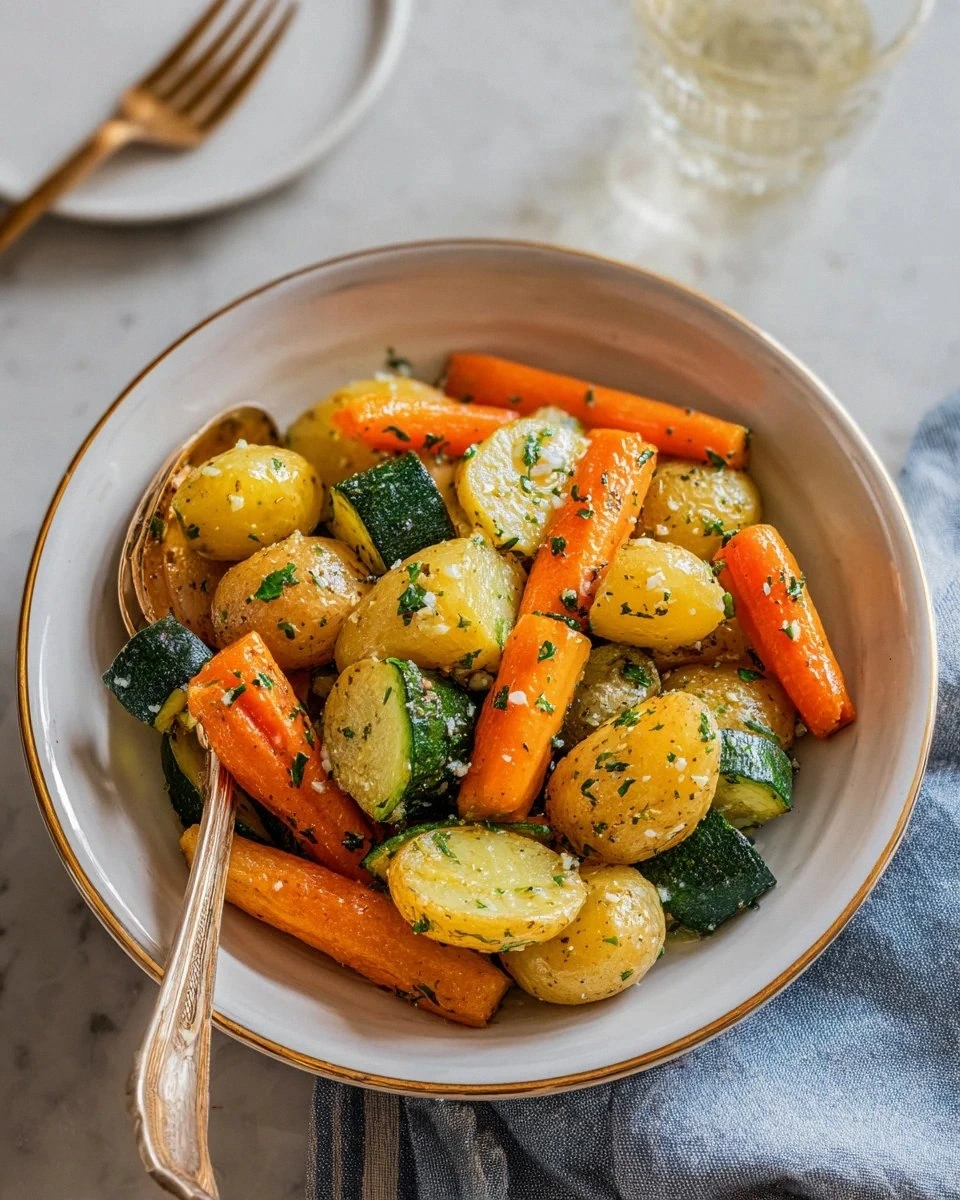
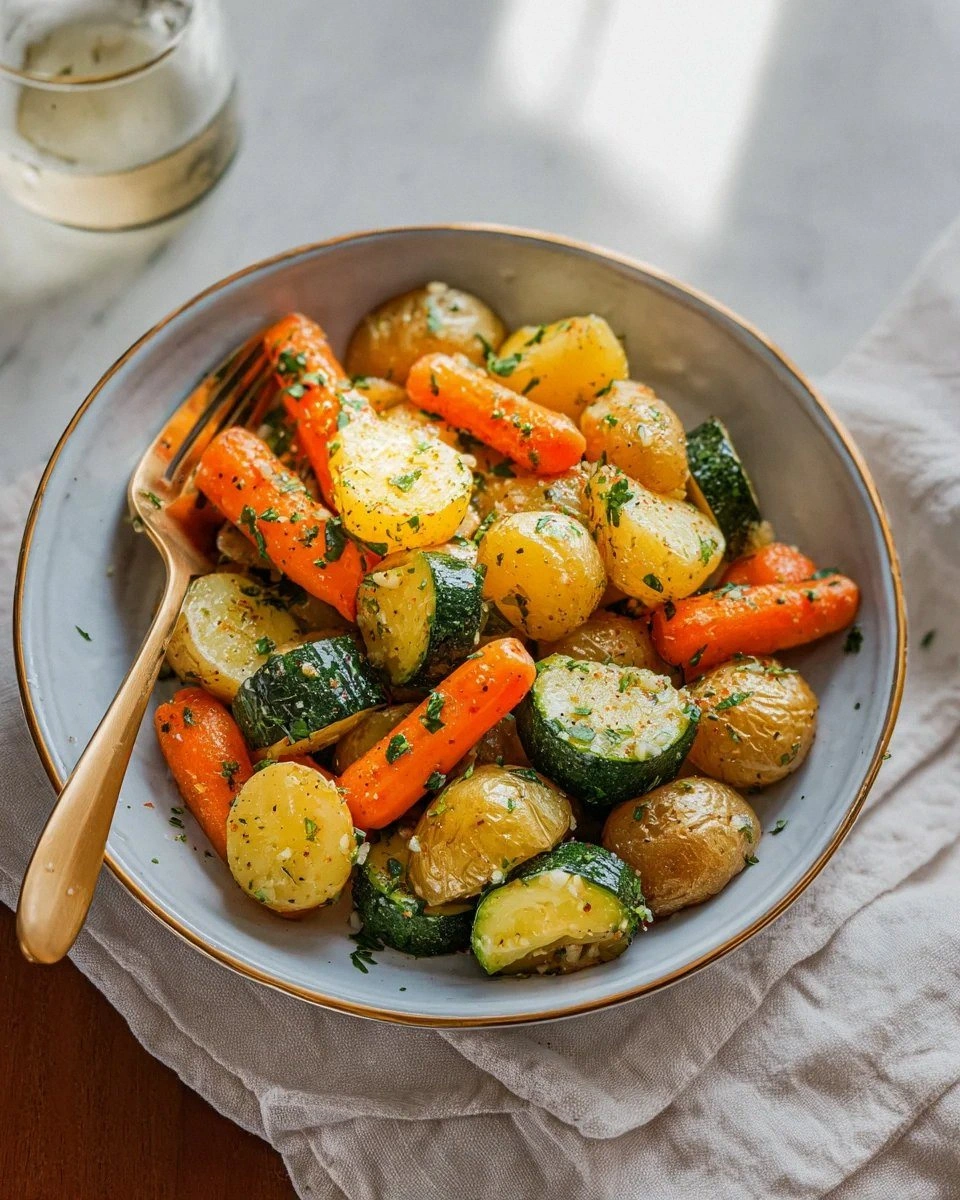
The smell that filled my apartment wasn't just "vegetables roasting" — it was like someone had opened a Mediterranean bistro in my kitchen. Neighbors started knocking. My cat sat by the oven and howled. When I pulled that sheet pan out 35 minutes later, the vegetables had transformed into these caramelized, garlicky nuggets of pure magic. The potatoes were fluffy inside with shatter-crisp edges, the carrots had sweetened into candy-like sticks, and the zucchini — previously limp and lifeless — had achieved this impossible balance of tender and crispy that made me question everything I thought I knew about cooking vegetables.
I've made this recipe every week since then, tweaking and perfecting it until it reached what I confidently call the pinnacle of roasted vegetable achievement. Friends beg for the recipe, kids who hate vegetables ask for seconds, and I've caught my partner eating the leftovers cold from the fridge at 2 AM. This isn't just another roasted vegetable recipe — this is the roasted vegetable recipe that'll ruin all others for you. Let me walk you through every single step — by the end, you'll wonder how you ever made it any other way.
What Makes This Version Stand Out
Explosive Flavor: Most roasted vegetable recipes barely season beyond salt and pepper, leaving you with a side dish that tastes like obligation. This version creates a herb-flecked garlic oil that seeps into every crevice, transforming humble vegetables into crave-worthy bites that disappear faster than chips at a party.
Texture Perfection: Here's where most recipes fail — they treat all vegetables the same and wonder why some turn to mush while others stay rock hard. This method staggers the cooking times and cuts each vegetable specifically to hit that sweet spot where everything finishes together, creating a symphony of crispy edges and tender centers.
One-Pan Simplicity: Despite tasting like something from a fancy restaurant, this entire dish comes together on a single sheet pan. No parboiling, no multiple bowls, no babysitting the oven. You spend fifteen minutes prepping, then let the heat do all the heavy lifting while you change into comfy clothes.
Leftover Gold: These vegetables reheat like champions, getting even better as the flavors meld. Toss them into pasta, stuff them in sandwiches, or serve them cold in salads — they morph into entirely new meals throughout the week, making you feel like a meal prep genius.
crowd-Pleasing Magic: I've served this to vegetable skeptics, picky toddlers, and that one friend who claims they "don't eat healthy food." Every single person has asked for the recipe. There's something about the way the garlic caramelizes and the herbs bloom that makes even the most stubborn vegetable-hater convert.
Ingredient Flexibility: Once you master this technique, you can swap in any vegetables lurking in your fridge. Brussels sprouts, bell peppers, sweet potatoes — they all work beautifully with this method, making it the ultimate clean-out-the-fridge recipe that never gets boring.
Make-Ahead Champion: Prep everything the night before, stash it in the fridge, and pop it in the oven when you get home. The vegetables actually benefit from marinating in the garlic herb oil, absorbing even more flavor while you tackle your evening routine.
Alright, let's break down exactly what goes into this masterpiece...
Inside the Ingredient List
The Flavor Foundation
The olive oil isn't just a cooking medium — it's the vehicle that carries every other flavor. Use the good stuff here, the bottle you've been saving for special occasions. The garlic gets treated three ways: minced fine for sharpness, sliced thin for sweetness, and smashed whole for a mellow background note that perfumes everything without overwhelming. Fresh herbs are non-negotiable; dried ones turn bitter and dusty under high heat. The combination of rosemary's pine-like intensity, thyme's earthy lemon notes, and oregano's peppery bite creates a Mediterranean flavor bomb that makes your kitchen smell like you're vacationing in Greece.
Sea salt is crucial — not just for seasoning, but for drawing out moisture so vegetables caramelize instead of steam. Fresh cracked black pepper adds heat and complexity that pre-ground pepper simply can't deliver. The lemon zest might seem optional, but it's the secret weapon that brightens everything and makes the vegetables taste fresher than they have any right to be after roasting.
The Texture Trio
Potatoes are the comfort food anchor, turning creamy inside while developing those coveted crispy edges that shatter like thin ice. Baby potatoes work best because their thin skins crisp beautifully, but regular potatoes cut into chunks work too — just don't peel them. The skin is where all the flavor and nutrients live, plus it provides textural contrast against the fluffy interior.
Carrots bring natural sweetness that intensifies as they roast, balancing the savory herbs and garlic. Cut them on the bias into thick coins — this gives you more surface area for caramelization while keeping them substantial enough to avoid turning to mush. Rainbow carrots aren't just Instagram bait; each color has slightly different sugar levels, creating subtle flavor variations throughout the dish.
Zucchini is the surprise superstar here. Most people overcook it into sad, soggy disks, but when treated right, it becomes these silky, almost meaty bites with crispy edges. The trick is cutting it thick and adding it later in the cooking process so it roasts rather than steams.
The Unexpected Game-Changer
Here's where I lose some people, but stay with me — a teaspoon of honey. Not enough to make it sweet, just enough to help everything caramelize and add a subtle complexity that makes people ask "what's in this?" when they can't quite place why it's so addictive. The honey hits the hot pan and immediately starts bubbling, creating little pockets of concentrated flavor that stick to the vegetables.
A pinch of red pepper flakes adds just enough heat to make your taste buds stand up and pay attention, but not enough to overwhelm the other flavors. It's like turning up the volume on a song — everything else suddenly tastes more intense and interesting.
The Final Flourish
Fresh parsley added after cooking brings a pop of color and a clean, bright flavor that cuts through the richness. A squeeze of fresh lemon juice right before serving wakes everything up and ties all the flavors together. Parmesan cheese is optional but highly recommended — it melts into the hot vegetables, creating salty, nutty pockets of umami that make this feel indulgent rather than virtuous.
Everything's prepped? Good. Let's get into the real action...
The Method — Step by Step
- Start with your oven cold. Yes, cold. This is the first rule-breaker that changes everything. Place your sheet pan in the oven, then preheat to 425°F. A screaming hot pan means immediate caramelization when the vegetables hit the surface, creating those coveted crispy bottoms that make restaurant vegetables so good. While it's heating, you're going to prep everything else, and by the time you're ready, the pan will be hot enough to make the vegetables sizzle like they mean it.
- Make your garlic herb oil in a small bowl that you'll eventually use for serving — one less dish to wash. Combine olive oil, minced garlic, sliced garlic, and smashed garlic cloves (yes, all three) with chopped fresh herbs, salt, pepper, and that sneaky teaspoon of honey. Let this sit while you prep vegetables; the oil will start extracting all those incredible flavors and aromas, creating a concentrate that'll coat everything in magic.
- Cut your potatoes in half lengthwise, then toss them immediately in half the garlic herb oil. They need the longest cooking time, so they get first dibs on all that flavor. The cut side will hit the hot pan first, developing a golden crust that tastes like the best potato chip you've ever had. Make sure they're well coated but not swimming — you want them glossy, not greasy.
- When the oven reaches temperature, work quickly but carefully. Pull out the hot pan, arrange potatoes cut-side down, and get it back in there fast. You want to maintain that heat. This is where most recipes go wrong — they start with a cold pan and wonder why everything steams instead of roasts. Set your timer for 15 minutes and resist the urge to peek. Every time you open the door, you lose 50 degrees of precious heat.
- While the potatoes start their journey, prep your carrots and zucchini. Cut carrots on the bias into thick coins about half an inch thick — any thinner and they'll shrivel into vegetable jerky. For the zucchini, cut it into thick half-moons, about three-quarters of an inch thick. Any thinner and it'll disappear into nothingness. Toss these with the remaining garlic herb oil, but keep them separate from each other.
- After 15 minutes, the potatoes should be golden on the bottom and starting to soften. This is when you add the carrots, scattering them around the potatoes but not on top. Give the pan a gentle shake to distribute everything, but don't flip the potatoes — you want to keep that crispy side in contact with the hot metal. Roast for another 10 minutes.
- Now comes the critical moment — adding the zucchini. It needs less time than the other vegetables, so this is when timing becomes everything. Scatter the zucchini pieces around the pan, making sure they're not buried under other vegetables. The key is getting them in contact with the hot surface. This is also when you add any remaining garlic oil from the bottom of your bowls — it should sizzle dramatically when it hits the pan.
- Roast everything together for another 12-15 minutes, but start checking at 10. You're looking for the zucchini to be golden at the edges but still hold its shape, the carrots to be tender with caramelized spots, and the potatoes to be crispy outside and fluffy inside. The garlic should be fragrant and starting to turn golden, but not burnt. When you shake the pan, everything should move freely.
- The final flourish happens off the heat. Immediately transfer everything to a serving platter or bowl — leaving it on the hot pan will cause overcooking. While it's still steaming, add fresh parsley, a squeeze of lemon juice, and if you're using it, shower everything with freshly grated Parmesan. The heat will melt the cheese into little pockets of salty goodness and wilt the parsley just enough to release its bright flavor.
- Let it rest for exactly 5 minutes. I know, I know — it smells incredible and you want to dive in immediately. But this brief pause allows the flavors to settle and meld together. The cheese melts, the herbs infuse, and the vegetables go from scorching hot to perfectly warm. Plus, you won't burn your tongue and miss all those incredible flavors.
That's it — you did it. But hold on, I've got a few more tricks that'll take this to another level...
Insider Tricks for Flawless Results
The Temperature Rule Nobody Follows
Most recipes tell you to roast at 400°F, but 425°F is where the magic happens. That extra 25 degrees is the difference between soft vegetables and vegetables with actual caramelization. The higher heat creates rapid moisture evaporation, concentrating flavors and creating those dark, crispy edges that make roasted vegetables addictive. Your oven might run hot or cold — get an oven thermometer and trust it over your oven's display. I've seen ovens off by 50 degrees, which explains why your vegetables never quite turn out like the pictures.
Why Your Nose Knows Best
Don't trust your timer — trust your nose. When you start smelling garlic and herbs wafting through your kitchen, that's when you should check. If it smells like burning, you've gone too far. If it smells like nothing, give it more time. The aroma tells you when the Maillard reaction is happening — that magical chemical process that turns ordinary vegetables into golden, flavorful bites. When your neighbors start asking what you're cooking, you're on the right track.
The 5-Minute Rest That Changes Everything
This is where most home cooks rush and professionals create magic. After pulling the vegetables from the oven, let them sit for exactly 5 minutes before serving. This isn't just about avoiding burnt tongues — the vegetables continue cooking from residual heat, the flavors redistribute, and the textures set. It's like letting a steak rest, but for vegetables. I once skipped this step and served immediately — the difference was so dramatic that even my vegetable-loving cat turned up her nose.
The Secret Weapon: Your Broiler
If your vegetables aren't quite crispy enough after the full cooking time, don't keep roasting — you'll dry them out. Instead, switch to broil for the last 2-3 minutes. This blasts the top with direct heat, creating incredible caramelization without overcooking the insides. Keep the door cracked and watch like a hawk — things go from perfect to charcoal quickly under the broiler. It's like giving your vegetables a sun-kissed glow-up.
The Seasoning Sweet Spot
Season in layers, not all at once. Salt the potatoes before they go in, add a pinch more when you add the carrots, and finish with a light sprinkle of flaky salt when serving. This builds complexity instead of just surface seasoning. The same goes for herbs — dried herbs go in early to bloom in the oil, fresh herbs go in at the end to stay bright. Taste as you go and adjust — your vegetables, your rules.
Creative Twists and Variations
This recipe is a playground. Here are some of my favorite ways to switch things up:
The Mediterranean Vacation
Swap the herbs for oregano, basil, and thyme, add halved cherry tomatoes during the last 10 minutes, and finish with crumbled feta and a drizzle of balsamic glaze. Suddenly you're not in your kitchen — you're in a taverna overlooking the Aegean Sea. The tomatoes burst and create little pockets of sweet acidity that cut through the rich vegetables. Add some olives if you're feeling fancy, or serve over couscous for a complete meal that transports you somewhere far more exciting than your Tuesday night.
The Fall Comfort Version
Replace potatoes with sweet potatoes, swap zucchini for butternut squash, and add fresh sage and a touch of maple syrup to the oil. The result tastes like autumn in New England, even if you're in a studio apartment in July. The maple syrup caramelizes beautifully with the natural sweetness of the vegetables. Add some toasted pecans at the end for crunch, and if you want to get really wild, crumble some goat cheese over everything while it's still warm.
The Spicy Asian Fusion
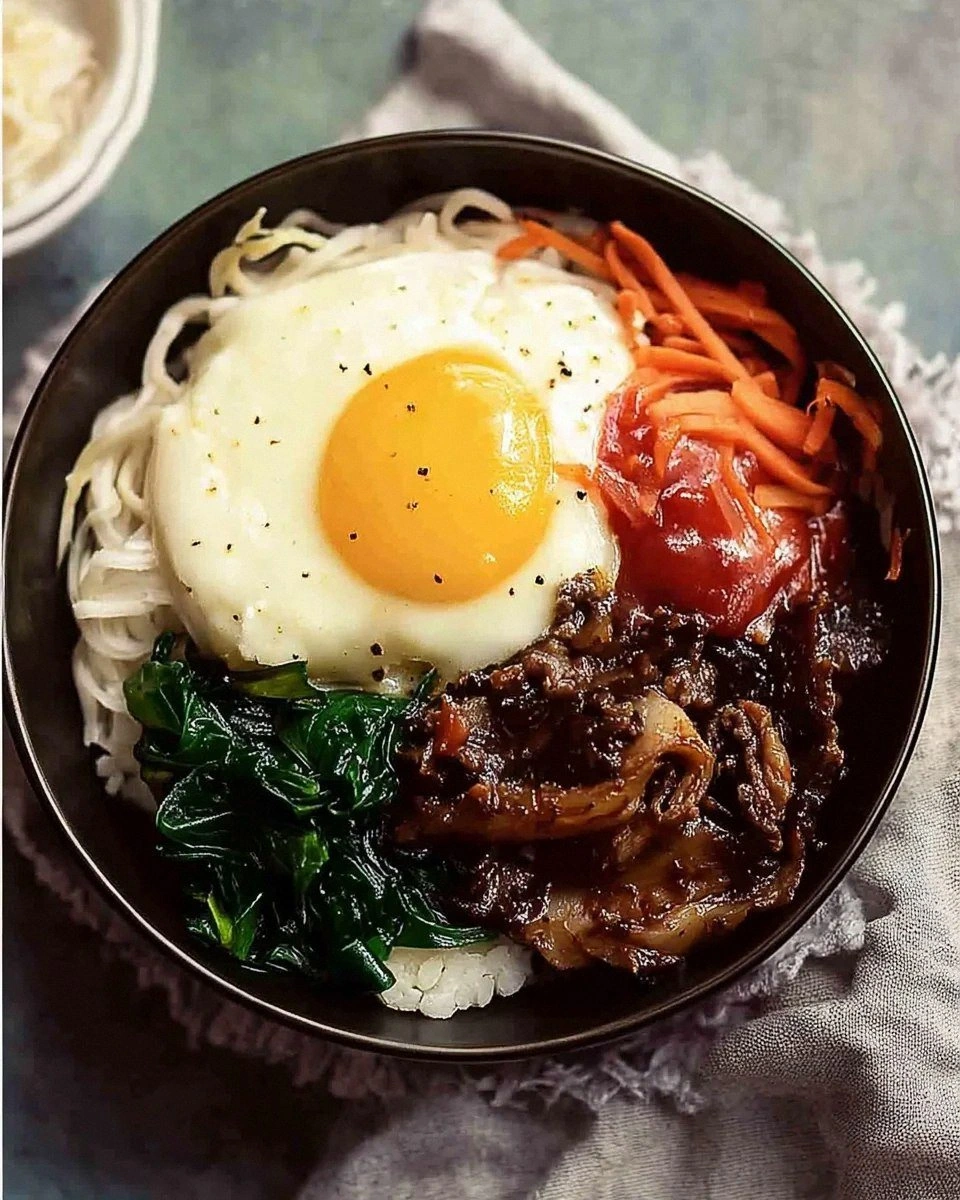
Keep the vegetables the same but change the oil mixture — sesame oil, soy sauce, ginger, garlic, and a spoonful of gochujang for heat. Add green onions and sesame seeds at the end. It shouldn't work, but it absolutely does. The Korean chili paste creates this incredible sticky glaze that coats everything in sweet-spicy goodness. Serve over rice with a fried egg on top, and suddenly roasted vegetables feel like takeout from your favorite Korean joint.
The Fancy Dinner Party
Add pearl onions and whole garlic cloves, use duck fat instead of olive oil, and finish with fresh thyme and a splash of good balsamic. Suddenly these humble vegetables become worthy of a dinner party side dish. The pearl onions caramelize into sweet little gems, and duck fat creates the most incredible richness. Your guests will think you went to culinary school when really you just got creative with pantry staples.
The Breakfast Hero
Make the vegetables as usual, but chop them smaller and serve them in breakfast tacos or mixed into scrambled eggs. They reheat beautifully and add serious vegetable power to your morning routine. I've been known to make a big batch on Sunday and eat them all week — tossed with pasta, stuffed into sandwiches, or just eaten cold standing in front of the fridge. They're the gift that keeps on giving.
The Clean-Out-The-Fridge Version
Use whatever vegetables you have — bell peppers, Brussels sprouts, cauliflower, broccoli, parsnips. The technique stays the same: start with the longest-cooking vegetables, add quicker ones later, keep everything in a single layer, and don't skimp on the garlic herb oil. I've made this with everything from radishes (surprisingly delicious when roasted) to fennel (adds incredible sweetness). The method is bulletproof — just adjust timing based on what you're using.
Storing and Bringing It Back to Life
Fridge Storage
Let the vegetables cool completely before storing — hot vegetables in a sealed container create condensation, which leads to soggy, sad vegetables. Store in an airtight container with a paper towel on top to absorb excess moisture. They'll keep for up to 5 days, but they're best within 3. Don't pack them too tightly — they need space to breathe. If you've added cheese, store it separately and add fresh when reheating for best results.
Freezer Friendly
While roasted vegetables can be frozen, they lose that magical textural contrast. If you must freeze them, spread on a sheet pan first to freeze individually, then transfer to a freezer bag. This prevents them from becoming one solid vegetable brick. They're best used within 2 months, and work great in soups or stews where texture isn't as critical. Thaw overnight in the fridge, then reheat in a hot oven to restore some of the original magic.
Best Reheating Method
Skip the microwave — it steams vegetables and destroys all your hard work. Instead, spread on a sheet pan and reheat in a 400°F oven for 8-10 minutes. Add a tiny splash of water before reheating — it steams back to perfection. The water creates just enough steam to rehydrate without making things soggy. If you're in a hurry, a hot skillet works too, but the oven method gives you the closest to fresh results. For breakfast hash, chop them up and fry in a pan with a little oil until crispy again.