It all started on a rainy Thursday when I was desperately trying to salvage a pot of overcooked rice and a bag of stale chicken thighs. I stared at the bland, soggy mess, feeling a little like a culinary disaster waiting to happen. That moment, drenched in frustration, sparked a dare I made to myself: “I’ll turn this into a ramen masterpiece that even the most skeptical foodie will beg for seconds.” The next morning, I opened my pantry, grabbed a pack of instant ramen, a slab of protein, and a handful of pantry staples, and the kitchen began to hum with possibility.
When I first cracked open the ramen, the aroma of toasted soy and the faint scent of garlic hit my nose like a promise. The steam curled around the pot, filling the kitchen with a savory mist that made my mouth water. The sound of the boiling water was a gentle, rhythmic drumbeat that set the stage for the symphony of flavors to come. I could almost taste the silky noodles, the tangy sauce, and the subtle crunch of fresh veggies dancing together. The visual of the noodles swirling, the bright green of edamame, and the glossy sheen of the sauce were already painting a picture of comfort and indulgence.
What sets this version apart is that it’s not just a quick fix; it’s a full‑blown, high‑protein, saucy adventure that takes instant ramen from a cafeteria staple to a gourmet experience. I’ve blended a peanut‑butter‑oyster sauce base that coats every strand like velvet, infused it with fresh ginger and garlic for a punch that wakes the senses, and added a splash of sriracha for that fiery kiss. The result is a dish that satisfies the cravings for something comforting yet sophisticated, all while packing a protein punch that keeps you full and energized. I dare you to taste this and not go back for seconds—once you try it, you’ll never settle for bland noodles again.
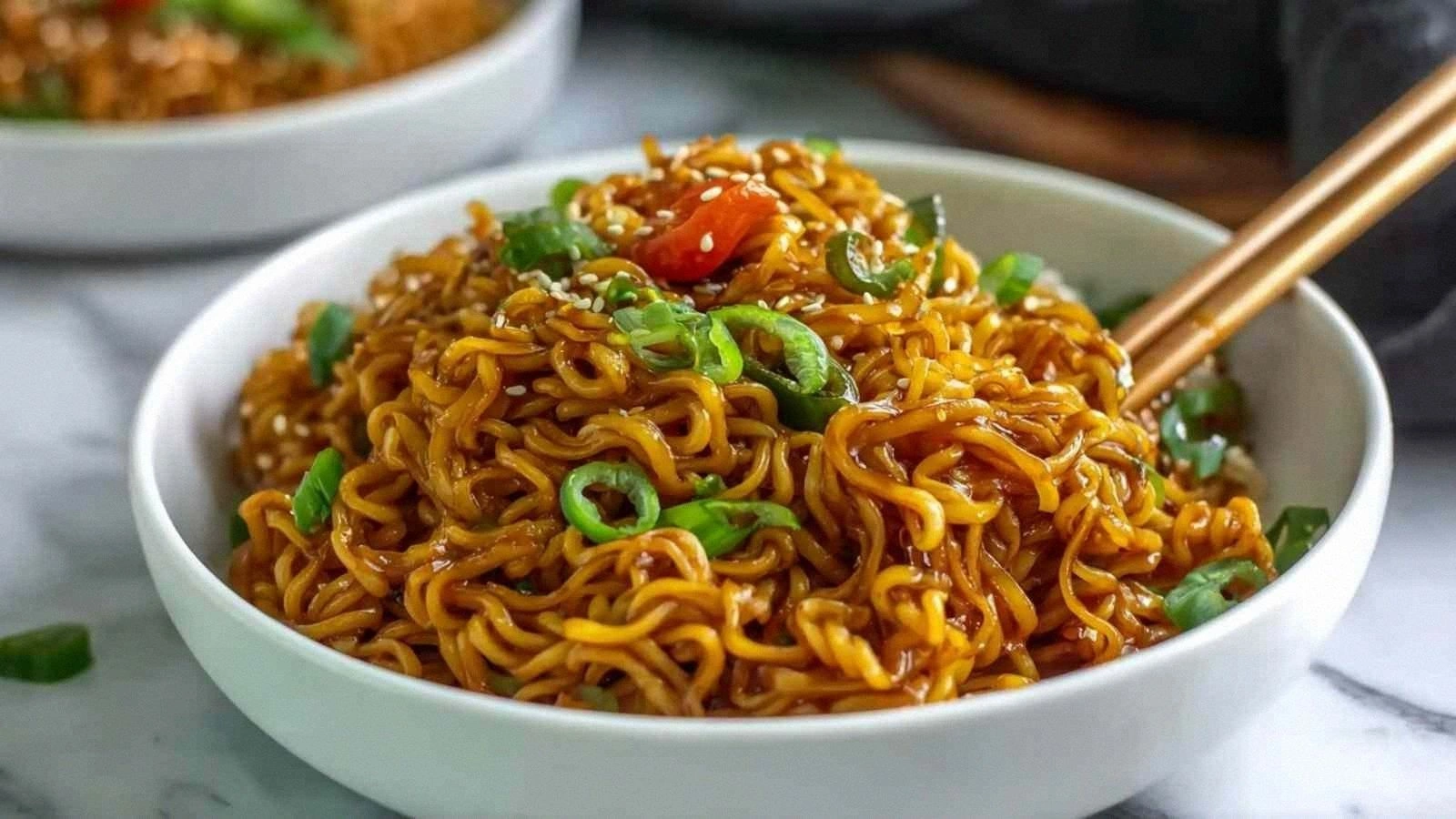
Picture yourself pulling this bowl out of the pot, steam rising in a fragrant cloud, the noodles glistening with a glossy, nutty sauce that clings lovingly to each strand. The first spoonful is an explosion of umami, a subtle heat from the sriracha, and the creamy, nutty undertone of peanut butter that lingers on the palate. The crunch of green onions, the pop of edamame, and the nutty crunch of toasted sesame seeds add layers of texture that keep every bite interesting. The protein—whether chicken, tofu, or shrimp—provides a satisfying chew that complements the silky noodles. It’s a dish that feels indulgent yet wholesome, and it’s the kind of meal that makes you feel like a chef in your own kitchen.
And if you’re still skeptical, let me walk you through every single step—by the end, you’ll wonder how you ever made it any other way. The secret lies in the sauce, the timing, and the little hacks that turn a simple bowl into a culinary triumph. Stay with me, and you’ll learn how to elevate instant ramen into a high‑protein, flavor‑rich masterpiece that will become your new go‑to comfort food.
What Makes This Version Stand Out
- Flavor Depth: The sauce is a layered masterpiece, combining soy, oyster, and peanut butter to create a velvety, umami‑rich coating that transforms bland noodles into a gourmet experience.
- Protein Punch: With 8 oz of lean protein per serving, this ramen is a powerhouse of muscle‑building nutrients without sacrificing taste.
- Texture Play: Edamame, toasted sesame seeds, and crisp green onions add a satisfying crunch that contrasts the silky noodles.
- Time‑Efficient: The entire process takes less than 45 minutes, making it the perfect weeknight meal for busy foodies.
- Versatility: Swap the protein for tofu, tempeh, or shrimp, and you’ll have a completely new flavor profile without changing the base.
- Make‑Ahead Friendly: The sauce can be pre‑made and stored, allowing you to assemble a bowl in under 10 minutes when time is tight.
- Budget Friendly: Using pantry staples keeps costs low, while still delivering a restaurant‑grade dish.
- Kid‑Friendly: The mild heat can be dialed down, making it a hit with younger diners who love noodles.
Alright, let's break down exactly what goes into this masterpiece…
Inside the Ingredient List
The Flavor Base
The sauce is the heart of this ramen, and each component plays a critical role. Soy sauce provides the classic umami backbone, while oyster sauce adds a subtle sweetness and depth that mimics a slow‑cooked broth. Peanut butter or tahini brings creamy richness and a nutty undertone that coats the noodles like velvet. Brown sugar balances the savory with a gentle sweetness, ensuring the sauce isn't overpowering.
Garlic and fresh ginger are the aromatic duo that awakens the palate. Garlic delivers a sharp, pungent punch that cuts through the richness, whereas ginger offers a bright, peppery heat that lingers pleasantly on the tongue. Together, they create a harmonious balance that elevates the dish from ordinary to extraordinary.
Adding a splash of Sriracha or chili sauce injects a subtle heat that keeps the bowl exciting. If you prefer a milder kick, start with a teaspoon and adjust to taste. The sesame oil at the end gives a fragrant, nutty finish that ties all flavors together.
Don’t skip any of these ingredients—each one is a puzzle piece that completes the flavor picture. If you omit the oyster sauce, the sauce will taste flat; if you leave out the peanut butter, you lose that silky, creamy texture. Every element is intentional, so keep the full lineup for maximum impact.
The Texture Crew
Edamame is the protein’s best friend when it comes to texture. The peas burst with a sweet, slightly nutty flavor that pairs perfectly with the sauce. They also add a satisfying bite that contrasts the smooth noodles.
Green onions and toasted sesame seeds are the finishing touches that provide crunch and a pop of color. The green onions add a fresh, oniony brightness, while the sesame seeds contribute a toasty, nutty crunch that elevates every bite.
If you’re feeling adventurous, a handful of chopped carrots or bell peppers can add a sweet, crunchy dimension that brightens the dish further. Just keep the veggies in small, uniform pieces so they cook evenly and maintain a pleasant bite.
The Unexpected Star
Peanut butter or tahini is the secret sauce that turns this ramen into a high‑protein, creamy delight. The nutty flavor is surprisingly subtle, allowing the umami to shine through. If you’re vegan or allergic to peanuts, tahini offers a similar creamy texture with a slightly different flavor profile.
Choosing a high‑quality, natural peanut butter without added sugars or hydrogenated oils will keep the sauce pure and flavorful. Look for a brand that lists only peanuts and salt in the ingredient list for the best results.
The Final Flourish
Neutral oil, like canola or grapeseed, is used to sear the protein and sauté the aromatics. It has a high smoke point, so it can handle the quick high‑heat cooking without burning. A splash of sesame oil at the end adds a fragrant finish that is essential for the dish’s signature aroma.
Adding the final splash of sesame oil after the sauce has thickened ensures the nutty aroma is fully released and coats every strand of noodle. This small step makes a big difference in flavor and mouthfeel.
Everything's prepped? Good. Let's get into the real action…
The Method — Step by Step
- Begin by heating a large skillet or wok over medium‑high heat. Add the neutral oil, swirling to coat the surface. When the oil shimmers, add the sliced protein and sear for 2 minutes on each side until it develops a golden crust. This step locks in flavor and ensures the protein stays juicy. While the protein cooks, set it aside on a plate and cover loosely with foil to keep it warm.
- In the same pan, reduce the heat to medium and add the minced garlic and grated ginger. Sauté for 30 seconds until fragrant, being careful not to burn them. The aroma that fills the kitchen is the first hint of the sauce’s depth. This step is crucial; under‑cooked aromatics will taste raw, while over‑cooked ones become bitter.
- Pour in the soy sauce, oyster sauce, and brown sugar, stirring until the sugar dissolves completely. The mixture should bubble gently, indicating the sauces are blending. Add the peanut butter (or tahini) and whisk vigorously until the sauce is silky and uniform. The sauce should coat the back of a spoon without dripping.
- Stir in the Sriracha or chili sauce, adjusting the amount to your heat preference. If you like a milder bowl, start with one teaspoon and add more if needed. The heat should be just enough to wake your taste buds without overwhelming the other flavors.
- Bring the sauce to a gentle simmer, then reduce the heat to low. Let it thicken for 2-3 minutes, stirring occasionally. The sauce should be thick enough to cling to the noodles but still pourable. This is the moment where the sauce’s texture is perfected.
- Meanwhile, bring a large pot of salted water to a rolling boil. Add the instant ramen noodles, cooking them for 2 minutes or until they’re just tender but still firm to the bite. Avoid overcooking, as the noodles will continue to soften when mixed with the sauce.
- Drain the noodles and add them directly to the sauce in the skillet. Toss gently to ensure every strand is coated with the silky sauce. The noodles should be warm and glossy, absorbing the flavors fully.
- Return the seared protein to the pan, distributing it evenly among the noodles. Add the edamame, green onions, and toasted sesame seeds, stirring lightly. The heat from the noodles will warm the veggies, preserving their bright colors and crunch.
- Finish the dish with a drizzle of sesame oil, then give everything a final gentle toss. The sesame oil should create a subtle aroma that lingers on the palate. Taste the bowl, adjust seasoning if necessary, and serve immediately while everything is hot and vibrant.
That's it — you did it. But hold on, I've got a few more tricks that'll take this to another level…
Insider Tricks for Flawless Results
The Temperature Rule Nobody Follows
Heat control is the secret weapon in this recipe. Many cooks let the sauce simmer on high, which can cause the peanut butter to separate and the sauce to become oily. Instead, keep the heat low once the sauce starts thickening; this preserves the silky texture and prevents bitterness. I’ve found that a low, steady simmer for 3 minutes is the sweet spot.
Why Your Nose Knows Best
The aroma is your best quality control. If the sauce smells too sweet, add a splash of soy sauce to balance it out. If it’s too salty, a drizzle of water or a pinch of sugar can bring it back. Trust your nose; it’s a reliable guide to flavor balance.
The 5‑Minute Rest That Changes Everything
After you remove the bowl from the heat, let it rest for 5 minutes before serving. This resting period allows the sauce to thicken slightly and the noodles to absorb more flavor. The result is a bowl that feels richer and more cohesive.
Keep the Edamame Fresh
Edamame can turn mushy if overcooked. Blanch them for 30 seconds in boiling salted water, then immediately transfer to an ice bath to stop the cooking process. This preserves their bright green color and firm bite.
Use a Silicone Spatula
A silicone spatula is ideal for tossing the noodles and sauce because it won’t scratch the pan and it’s easy to clean. It also helps distribute the sauce evenly without breaking the noodles.
Don’t Skimp on the Sesame Oil
Sesame oil is the final flourish that elevates the dish. Skipping it reduces depth and aroma. Drizzle it just before serving to keep its nutty flavor intact and prevent it from oxidizing.
Creative Twists and Variations
This recipe is a playground. Here are some of my favorite ways to switch things up:
Thai Twist
Swap the peanut butter for a spoonful of coconut milk and add Thai basil, lime zest, and fish sauce. The result is a creamy, citrusy bowl with a tropical kick.
Vegan Upgrade
Replace the protein with tofu cubes, and use a vegan soy sauce. Add a dash of nutritional yeast for a cheesy umami boost that keeps the dish plant‑based.
Spicy Korean Fusion
Introduce gochujang instead of Sriracha and top the bowl with kimchi. The fermented tang pairs beautifully with the nutty sauce for a bold flavor profile.
Low‑Carb Version
Use Shirataki noodles or zucchini noodles in place of instant ramen. The sauce still clings to the noodles, making it a light yet satisfying low‑carb meal.
Breakfast Bowl
Serve the ramen over a bed of scrambled eggs and add a sprinkle of chives. It becomes a hearty, protein‑packed breakfast that keeps you full until lunch.
Summer Picnic
Pack the ramen in a thermos, add a side of fresh mango slices, and serve chilled. The sweet fruit balances the savory sauce, making it a refreshing picnic treat.
These variations prove that ramen is endlessly adaptable. Whether you’re craving something familiar or daring, this base can be molded to fit any palate or occasion.
Storing and Bringing It Back to Life
Fridge Storage
Store the cooked ramen in an airtight container for up to 3 days. Keep the sauce separate if you prefer to reheat the noodles quickly. When ready to eat, reheat on the stove with a splash of water to loosen the sauce.
Freezer Friendly
Freeze the ramen in portions in freezer‑safe bags, removing as much air as possible. The dish stays fresh for up to 2 months. Thaw overnight in the fridge, then reheat on the stove, adding a tablespoon of water to restore moisture.
Best Reheating Method
Reheat the ramen on the stove over low heat, stirring gently until the sauce is heated through and the noodles are hot. Adding a tiny splash of water before reheating steams the noodles back to perfection and prevents the sauce from drying out.
With these storage tips, you’ll always have a bowl of comforting, protein‑rich ramen ready to go whenever the craving hits.
With these storage tips, you’ll always have a bowl of comforting, protein‑rich ramen ready to go whenever the craving hits.