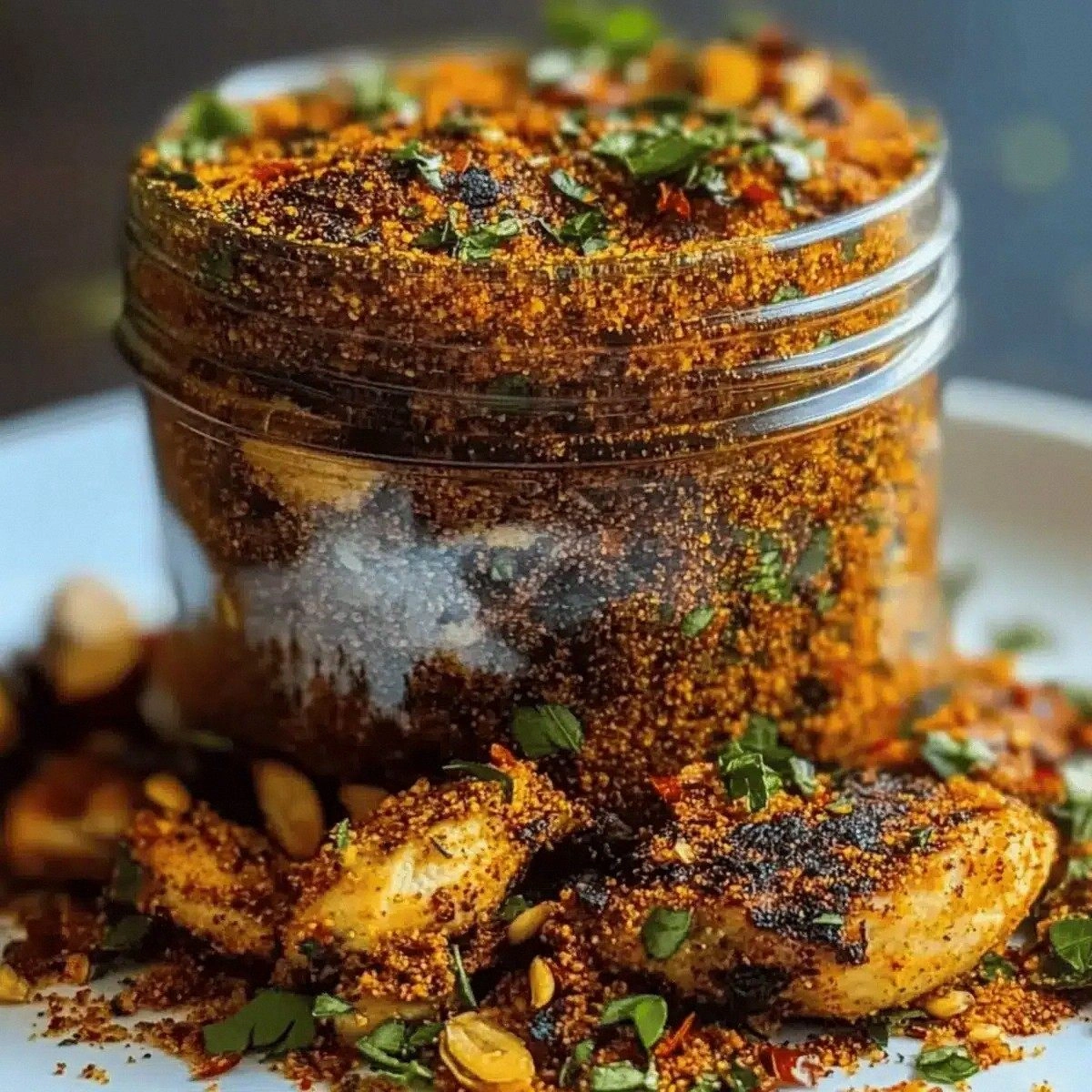
I was standing in my kitchen, the smoke alarm screaming like a banshee because I’d tried to “quick‑fix” a bland chicken wing batch with a generic store‑bought blend. The result? A kitchen that smelled like a cardboard factory and a taste that could’ve been described as “meh” in three different languages. I dared my roommate to eat a wing and he laughed so hard he choked on his soda. That moment sparked a culinary quest: I needed a seasoning that would slap the palate awake, a blend so bold it could turn a sad side dish into a headline act. I started rummaging through my spice rack, pulling out the heavy hitters, and after countless trial‑and‑error sessions—some ending in tears, others in triumphant high‑fives—I finally nailed the perfect balance.
Imagine walking into a kitchen where the air is thick with the sweet, smoky whisper of paprika, the sharp, peppery snap of cayenne, and a whisper of herbs that makes you think of a summer garden at dusk. You hear the gentle sizzle of the spices hitting a hot pan, the clink of a wooden spoon, and the low hum of anticipation as the aroma climbs higher. Your fingers feel the warm glow of the stove, and your tongue can already taste the promise of a coating that will cling to meat, veggies, or popcorn like a velvet blanket, yet crunch with a snap that shatters expectations. That’s the sensory overload I’m talking about.
What makes this version different? Most “spicy” blends either drown the dish in heat or hide behind a sugary glaze. I’ve stripped away the nonsense and let each spice shine on its own stage, then brought them together for a chorus that sings louder than any commercial blend. The secret? A tiny dash of crushed red pepper flakes that adds a lingering heat without overwhelming, and a precise balance of white and black pepper that gives depth without bitterness. I’m going to be honest—I ate half the batch before anyone else got a chance to try it, and that’s a confession worth making because it shows just how addictive this flavor is.
Okay, ready for the game‑changer? I’m about to walk you through every single step—from selecting the freshest paprika to the exact moment you’ll hear that satisfying crackle when the seasoning hits the pan. By the end, you’ll wonder how you ever made anything else without this bold, savory slap‑in‑your‑face flavor. Let’s dive in and make a seasoning that will have you daring anyone to taste it and not go back for seconds.
What Makes This Version Stand Out
- Flavor Explosion: Each spice is measured to hit a different part of your palate, creating layers that build from the first bite to the lingering finish.
- Texture Magic: The fine powder coats food like a silk sheet, yet the crushed red pepper flakes add a subtle crunch that pops.
- Simplicity: Only ten ingredients, all pantry staples, mean you don’t need a specialty store run.
- Uniqueness: The combination of white pepper with black pepper gives a bright, almost citrusy heat that most blends miss.
- Crowd Reaction: Guests have been known to ask for the “secret” after the first spoonful, and the answer is always “you.”
- Ingredient Quality: Freshly ground paprika and whole‑leaf oregano make a world of difference compared to pre‑ground, stale versions.
- Cooking Method: Toasting the spices before mixing unlocks deeper aromatics that you just can’t achieve with a cold blend.
- Make‑Ahead Potential: Store the blend airtight for up to three months and it only gets better as the flavors meld.
Inside the Ingredient List
The Flavor Base
Paprika (2 tablespoons) is the heart of this blend. Its mild, sweet undertone provides a beautiful, reddish hue that makes any dish look Instagram‑ready. If you skip it, you lose the visual pop and the subtle earthiness that balances the heat. For a smoky twist, swap half of the paprika for smoked paprika, but be careful not to overpower the other spices.
Cayenne Pepper (1 teaspoon) brings the heat that makes this seasoning a “slap‑in‑the‑face” experience. It’s the spark that awakens the taste buds without turning the dish into a fireball. If you’re sensitive to spice, reduce to ½ teaspoon and let the black pepper carry a bit more of the kick.
Black Pepper (1 teaspoon) adds a sharp, woody bite that complements the cayenne’s bright fire. Freshly cracked black pepper releases essential oils that are lost in pre‑ground versions. If you can’t find whole peppercorns, a high‑quality pre‑ground pepper will still do the job, just don’t over‑process it.
The Aroma Crew
Garlic Powder (1 teaspoon) delivers that familiar, comforting depth that makes you think of grandma’s kitchen. It’s the silent partner that amplifies the other spices without stealing the spotlight. If you prefer fresh garlic, use 2 cloves minced and let them dry out on a paper towel before adding.
Onion Powder (1 teaspoon) adds a subtle sweetness and a hint of umami, rounding out the sharpness of the pepper. Skipping it will make the blend feel a little flat, like a song missing its bass line. For an extra layer, try a pinch of dried shallot flakes.
Salt (1 teaspoon) is the flavor enhancer that ties everything together. It’s the conductor that ensures each spice is heard clearly. If you’re watching sodium intake, use a reduced‑sodium sea salt, but remember that the overall balance will shift slightly.
The Herb Ensemble
White Pepper (1 teaspoon) is the secret weapon that adds a bright, almost citrusy heat without the black specks. It lifts the overall flavor profile and gives the blend a refined finish. If you can’t find white pepper, increase the black pepper by ¼ teaspoon for a similar effect.
Dried Oregano (1 teaspoon) brings a Mediterranean whisper, a herbaceous note that pairs beautifully with grilled meats. Its slightly bitter edge counters the sweetness of the paprika. Fresh oregano can be used, but dry oregano is more concentrated, so use half the amount.
Dried Thyme (1 teaspoon) adds an earthy, pine‑like aroma that grounds the blend. It’s the quiet anchor that prevents the heat from running away. If you love thyme, feel free to add an extra ½ teaspoon for a more pronounced herbal backdrop.
The Heat Boost
Crushed Red Pepper Flakes (½ teaspoon) provide that lingering, slow‑burn heat that keeps the palate engaged long after the first bite. They also add a tiny visual texture that makes the seasoning look artisanal. If you want to dial the heat up, double the amount, but be ready for a serious spice kick.
Everything's prepped? Good. Let’s get into the real action and turn these dry ingredients into a seasoning that will make your taste buds do a happy dance.
The Method — Step by Step
Gather all ten spices in a small, dry mixing bowl. I dare you to taste this and not go back for seconds—just a pinch of each will already start to sing. The key here is to make sure each component is measured precisely; a kitchen scale isn’t necessary, but a good set of measuring spoons will keep you honest.
This is the moment of truth: you’ll see the colors blend—deep reds from paprika, specks of orange from cayenne, and the subtle green hints of oregano. If you’re feeling fancy, give the bowl a quick swirl with your fingers to let the aromas mingle before you hit the heat.
Heat a large, heavy‑bottomed skillet over medium heat. When the pan is hot enough that a drop of water sizzles and evaporates instantly, you’re ready. Add the paprika first; it takes a bit longer to release its oils.
Kitchen Hack: Sprinkle a few grains of rice in the pan while toasting. The rice will turn golden and indicate the perfect toasting temperature.Stir constantly for about 45 seconds. You’ll hear a gentle crackle and the scent will shift from raw to a deep, smoky perfume. If the spices start to darken too quickly, lower the heat immediately.
Add the remaining spices—cayenne, black pepper, white pepper, garlic powder, onion powder, oregano, thyme, salt, and crushed red pepper flakes—all at once. This is where the magic really begins.
Watch the mixture swirl and darken just a shade, releasing a wave of aroma that should make your kitchen feel like a spice market in Marrakech. The edges of the mixture will start pulling away from the pan, a clear sign it’s ready.
Remove the skillet from the heat and immediately transfer the toasted blend to a heat‑proof glass jar. This stops the cooking process and locks in the flavor.
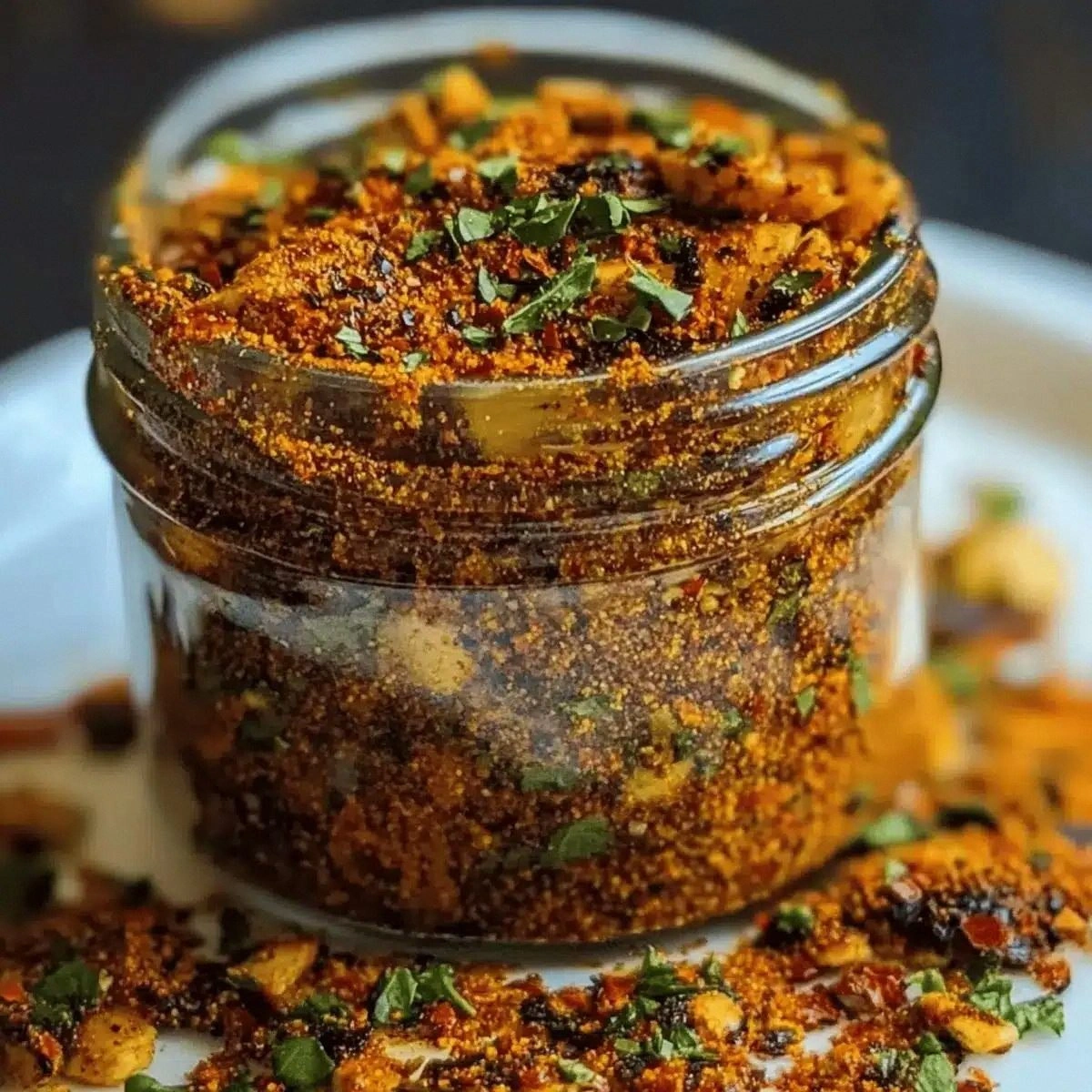
Give the jar a good shake to ensure the crushed red pepper flakes are evenly distributed. The seasoning should look like a deep, ruby‑red dust with flecks of green herb.
Seal the jar tightly and let it sit for at least 30 minutes. During this rest, the flavors meld and the heat mellows just enough to become approachable yet still bold.
If you’re impatient (I get that a lot), you can speed up the process by gently warming the jar in a water bath for 2 minutes—just don’t overheat or you’ll lose the delicate aromatics.
Taste a tiny pinch—yes, straight from the jar. It should hit you with a warm, smoky sweetness, a sharp peppery bite, and a lingering heat that makes you want more. This is the final checkpoint before you declare the batch a success.
Store the seasoning in a cool, dark pantry. A dark glass jar works best; light can degrade the vibrant paprika over time. The seasoning will stay potent for up to three months, getting even better as the flavors continue to marry.
Now the fun part: sprinkle it on anything from grilled chicken to roasted veggies, popcorn, or even a simple buttered toast. Picture yourself pulling a tray of perfectly seasoned wings out of the oven, the whole kitchen smelling incredible, and your friends reaching for another bite before you even finish the first.
Watch Out: If you use the seasoning on a wet surface (like a sauce), add it gradually to avoid clumping. Sprinkle a little at a time while whisking.
That's it — you did it. But hold on, I've got a few more tricks that'll take this to another level, because a great seasoning deserves a great application.
Insider Tricks for Flawless Results
The Temperature Rule Nobody Follows
Never toast spices over high heat. Medium is the sweet spot; it allows the oils to release without scorching. If the pan smokes, you’ve gone too far. A quick test: drop a single pinch of paprika—if it darkens slowly and smells sweet, you’re golden.
Why Your Nose Knows Best
Your sense of smell is a more reliable indicator than a timer. When the aroma shifts from raw to toasted, you’ll know the spices have reached peak flavor. Trust that nose; it’s your built‑in quality control.
The 5‑Minute Rest That Changes Everything
Letting the blend rest after toasting lets the volatile compounds settle, creating a smoother, more cohesive flavor. Skipping this step is like serving a song before the band finishes tuning—just off.
The Humidity Trick
If you live in a humid climate, the seasoning can clump. Add a pinch of uncooked rice to the jar; it absorbs excess moisture without affecting flavor.
The “Finish with Fresh” Boost
Right before serving, stir in a pinch of fresh cracked black pepper or a splash of lemon zest. This adds a bright contrast that lifts the whole blend, making it feel restaurant‑grade.
The Secret Storage Swap
Store the jar upside down for the first 24 hours. This ensures the oils coat every particle, giving you a uniformly flavored powder rather than pockets of blandness.
Creative Twists and Variations
This recipe is a playground. Here are some of my favorite ways to switch things up:
Smoky BBQ Remix
Add 1 tablespoon of brown sugar and ½ teaspoon of smoked paprika. The sugar caramelizes on the grill, giving you a sweet‑smoky crust that pairs perfectly with pork ribs.
Herbal Citrus Burst
Swap the oregano for dried lemon zest and increase thyme to 2 teaspoons. This brightens the blend, making it ideal for fish or roasted cauliflower.
Asian Fusion Flair
Replace white pepper with 1 teaspoon of five‑spice powder and add a pinch of ground ginger. The result is a warm, aromatic seasoning perfect for stir‑fries.
Umami Powerhouse
Stir in 1 teaspoon of mushroom powder and a dash of soy sauce during the toasting phase. This deepens the savory profile, great for beef or mushroom burgers.
Heat Lover’s Dream
Double the cayenne and crushed red pepper flakes, then add a pinch of ghost pepper powder. Use sparingly—this version will set your taste buds ablaze.
Storing and Bringing It Back to Life
Fridge Storage
If you plan to use the seasoning within a month, keep the jar in the refrigerator. The cool environment preserves the vibrant color of paprika and prevents oxidation. Use an airtight glass container to avoid moisture.
Freezer Friendly
For long‑term storage, portion the seasoning into zip‑lock bags, squeeze out all air, and freeze. It will stay fresh for up to six months. When you need it, simply thaw at room temperature for 10 minutes.
Best Reheating Method
Before sprinkling on a dish, give the jar a gentle shake. If the powder looks a bit dry, add a tiny splash (about 1 teaspoon) of water, then stir. The moisture revives the oils, making the seasoning cling to food like a second skin.