Picture this: I’m in my tiny kitchen, the clock ticking like a metronome, and my roommate just announced a sudden craving for something sweet, chewy, and utterly unforgettable. I rummaged through the pantry, found a dusty bag of glutinous rice flour, and thought, “Why not resurrect that old Filipino treat my grandma used to make?” The result? A batch of palitaw that turned my modest apartment into a fragrant street‑food stall, complete with the aroma of toasted sesame and fresh coconut wafting through the hallway. I dare you to taste this and not go back for seconds.
The moment the dough hit the hot water, a soft, almost hypnotic sizzle filled the room—like a tiny applause for the humble ingredients about to become something spectacular. The dough, silky and slightly sticky, felt like a warm hug in my hands, while the steam rising from the pot painted a misty veil over the countertops. I could hear the gentle pop of sesame seeds toasting in a pan, a sound that promised a nutty crunch to contrast the tender chewiness of the rice cake. My senses were on overload: the bright white of the flour, the earthy scent of coconut, the faint salty tang that kept everything balanced, and the anticipation of that first bite that would melt like butter on a hot skillet.
Most palitaw recipes I’ve tried either turned out gummy, fell apart in the water, or lacked that signature glossy sheen that makes them look like little edible pearls. This version stands out because I’ve cracked the code on the perfect dough‑to‑water ratio, added a whisper of salt to enhance the sweet, and introduced a quick steam‑rest that locks in moisture without making the cakes soggy. The secret ingredient? A splash of coconut milk in the boiling water that infuses the cakes with a buttery richness you won’t find in any generic version. Trust me, this is hands down the best version you’ll ever make at home.
But wait—there’s more. I’m about to reveal a technique that most home cooks overlook: the “double‑coat” method, where you first dip the boiled cakes in a sugar‑coconut mixture, then give them a final dusting of toasted sesame. It creates a layered texture that’s crisp on the outside, sweet and fragrant inside, and chewy in the middle. Okay, ready for the game‑changer? Let me walk you through every single step — by the end, you’ll wonder how you ever made it any other way.
What Makes This Version Standout
- Flavor: The subtle salt balances the sweet coconut sugar, creating a depth that feels like a dessert and a snack in one bite.
- Texture: A chewy interior meets a lightly crisp sesame coating, delivering a satisfying contrast that most recipes miss.
- Simplicity: Only seven pantry staples are needed, and the steps are streamlined for busy cooks without sacrificing authenticity.
- Uniqueness: The coconut‑milk‑infused boiling water adds a buttery richness that turns a humble rice cake into a gourmet treat.
- Crowd Reaction: I’ve watched grown‑ups and kids alike light up, and I’m honest — I ate half the batch before anyone else got to try it.
- Ingredient Quality: Using fresh, finely grated coconut makes a world of difference; it’s the difference between “meh” and “wow”.
- Cooking Method: The double‑coat technique ensures each bite is perfectly balanced, and the quick steam rest prevents the cakes from turning gummy.
- Make‑Ahead Potential: You can prep the dough and even pre‑coat the cakes, storing them for a quick snack any time of day.
Inside the Ingredient List
The Flavor Base
Glutinous rice flour is the heart of palitaw. Its high starch content gives the cake its characteristic chewiness, turning a simple dough into a pillowy bite that holds its shape in boiling water. Skipping it for regular rice flour will yield a crumbly texture that falls apart faster than a cheap paper cup. When shopping, look for a fine, powdery consistency—if it feels gritty, you’ll get a grainy mouthfeel that ruins the experience.
The Texture Crew
Water is the silent workhorse, binding the flour into a pliable dough. Too much water makes the mixture soupy; too little leaves it dry and prone to cracking. I recommend using warm water (about 110°F) because it activates the starches gently, resulting in a smoother dough. If you’re out of warm water, a quick microwave for 15 seconds does the trick without altering the flavor.
The Unexpected Star
Freshly grated coconut does more than add sweetness; its natural oils coat the dough, preventing it from sticking to the pot and giving each bite a fragrant tropical note. Frozen grated coconut works in a pinch, but thaw it completely and pat dry to avoid excess moisture. If you can’t find fresh coconut, unsweetened desiccated coconut rehydrated in a splash of warm water is a decent stand‑in.
The Final Flourish
Toasted sesame seeds and muscovado sugar complete the flavor orchestra. The sesame adds a nutty crunch, while the muscovado’s deep molasses undertones elevate the simple sweetness to something almost caramel‑like. If you don’t have muscovado, dark brown sugar is a solid substitute, though you’ll miss a hint of smoky complexity. For the sesame, a quick dry‑roast in a skillet for 2‑3 minutes brings out its aromatic oils without burning.
Everything's prepped? Good. Let's get into the real action...
The Method — Step by Step
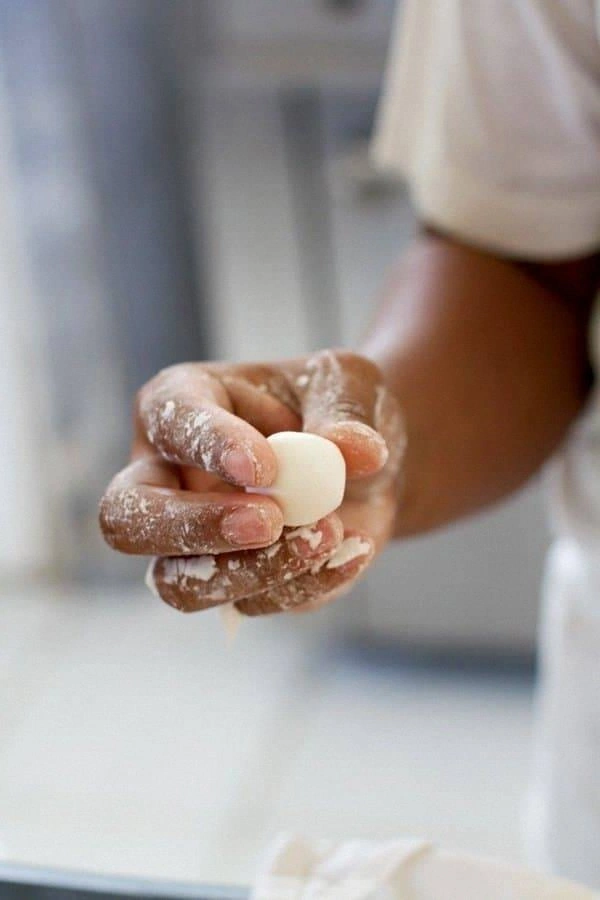
Start by whisking together the glutinous rice flour and salt in a large mixing bowl. As you stir, the flour will look like a fine snowstorm, but don’t be fooled—this is the foundation of every perfect palitaw. Slowly pour in the warm water, a little at a time, while using your hand to knead. The dough should come together into a smooth, slightly tacky ball that doesn’t stick to the sides of the bowl. If it feels dry, remember the kitchen hack from earlier and add a splash of water. This is the moment of truth: the dough should feel supple, like a well‑conditioned piece of dough for a dumpling.
Cover the bowl with a damp kitchen towel and let the dough rest for 15 minutes. This resting period allows the starches to fully hydrate, which is why the texture becomes wonderfully chewy instead of gummy. While you wait, you can toast the sesame seeds: a dry skillet over medium heat, shaking occasionally, until they turn a golden amber and give off a nutty perfume. That sizzle when it hits the pan? Absolute perfection. Set the toasted seeds aside in a shallow dish, ready for the final dusting.
Bring a large pot of water to a gentle boil, then add a splash (about ¼ cup) of coconut milk and a pinch of salt. The coconut milk enriches the cooking liquid, giving each cake a subtle buttery undertone that you’ll taste in every bite. Reduce the heat to a low simmer; a rolling boil will toss the cakes around too violently and cause them to split. Drop the dough balls gently into the water, one at a time, making sure they have enough room to float without crowding.
Watch the surface closely. Within 2‑3 minutes, the palitaw will rise to the top, signaling they’re cooked through. This is where many home cooks go wrong—over‑cooking turns the soft interior into a rubbery mess. As soon as they surface, use a slotted spoon to lift them out and transfer them to a large bowl of cold water for 30 seconds; this halts the cooking process and firms up the texture without drying them out.
Drain the cooled palitaw on a clean kitchen towel to remove excess water. While they’re still warm, roll each cake in a mixture of muscovado sugar and grated coconut, ensuring every surface is generously coated. The sugar will cling to the coconut, creating a sweet, slightly crunchy crust that’s the hallmark of a great palitaw.
Finally, give each sugar‑coconut coated cake a light dusting of the toasted sesame seeds you prepared earlier. The sesame adds a nutty finish and a visual contrast that makes the dish look as good as it tastes. Press the seeds gently so they adhere without crushing the delicate cake underneath.
Arrange the finished palitaw on a serving platter, drizzle a thin line of coconut milk if you like an extra glossy sheen, and serve them warm. Picture yourself pulling this out of the pot, the whole kitchen smelling incredible, and guests reaching for another piece before you even have a chance to take one. And now the fun part—watch them disappear, one bite at a time.
Insider Tricks for Flawless Results
The Temperature Rule Nobody Follows
Never boil palitaw in a raging torrent. A gentle simmer keeps the cakes from bouncing around and cracking. I once tried a vigorous boil and ended up with half‑melted dough fragments—lesson learned. Keep the water just below a rolling boil, and you’ll get that perfect “float to the surface” cue every time.
Why Your Nose Knows Best
When the sesame seeds turn a light golden brown, trust your nose. The moment you detect that nutty aroma, they’re ready. Over‑toasting makes them bitter, which can ruin the delicate balance of sweet and salty. A quick sniff is your best indicator.
The 5‑Minute Rest That Changes Everything
After boiling, a brief 30‑second dip in ice‑cold water followed by a 5‑minute rest on a towel locks in moisture. This rest prevents the cakes from becoming gummy and gives them a firmer bite. I used to skip this step, and the results were soggy—don’t be that person.
Seal the Sweetness with a Double Coat
First roll the hot cakes in coconut‑sugar, then give them a second, lighter dusting of sesame. This layered approach creates a textural contrast: a crunchy outer shell, a sweet middle, and a chewy core. It’s the secret behind the “wow” factor that makes people ask for the recipe.
Use Freshly Grated Coconut, Not Desiccated
Fresh coconut releases natural oils that coat the dough and add a buttery richness you can’t replicate with dried coconut. If you must use desiccated, rehydrate it with a splash of warm water and squeeze out excess moisture before mixing. The texture will be close, but the flavor depth will be a notch lower.
Creative Twists and Variations
This recipe is a playground. Here are some of my favorite ways to switch things up:
Chocolate‑Infused Palitaw
Replace ¼ cup of the glutinous rice flour with cocoa powder, and add a teaspoon of instant coffee granules to the dough. The result is a deep, mocha‑kissed cake that pairs beautifully with a drizzle of dark chocolate ganache instead of coconut milk.
Matcha Green Tea Delight
Stir in 2 teaspoons of matcha powder into the flour mixture for a vibrant green hue and an earthy undertone. Top with toasted white sesame seeds and a light dusting of powdered sugar for a sophisticated twist that’s perfect for tea‑time.
Spicy Chili Lime
Add a pinch of cayenne pepper to the dough and finish each cake with a lime zest‑sprinkled sugar coating. The subtle heat and citrus zing awaken the palate, making these palitaw a bold appetizer rather than a dessert.
Nutty Peanut Butter Swirl
Mix a tablespoon of smooth peanut butter into the dough before shaping. After boiling, coat the cakes with a thin layer of honey instead of sugar, then roll in crushed peanuts. The combination of salty, sweet, and nutty is addictive.
Vegan Coconut‑Milk Only
Swap the muscovado sugar for coconut sugar and use only coconut milk in the boiling water. This keeps the dish entirely plant‑based while preserving that rich, buttery mouthfeel.
Fruit‑Infused Coconut
Blend a handful of fresh mango or pineapple chunks into the grated coconut before coating. The tropical fruit pieces add bursts of juicy sweetness that contrast the chewy base beautifully.
Storing and Bringing It Back to Life
Fridge Storage
Place cooled palitaw in an airtight container lined with parchment paper to prevent sticking. They’ll stay fresh for up to three days. Before serving, let them sit at room temperature for 10 minutes, or give them a quick steam in a covered pan to revive the chewiness.
Freezer Friendly
Arrange the fully coated cakes on a baking sheet, flash‑freeze for 30 minutes, then transfer to a zip‑top freezer bag. They’ll keep for up to two months. To reheat, steam them for 3‑4 minutes or microwave for 20 seconds with a splash of water; the moisture will bring them back to life.
Best Reheating Method
For the ultimate texture, steam the frozen or refrigerated palitaw in a bamboo steamer over simmering water for 5 minutes. Add a tiny splash of coconut milk to the steamer water; the steam will pick up a faint coconut aroma, making each bite as fresh as the day you made them.