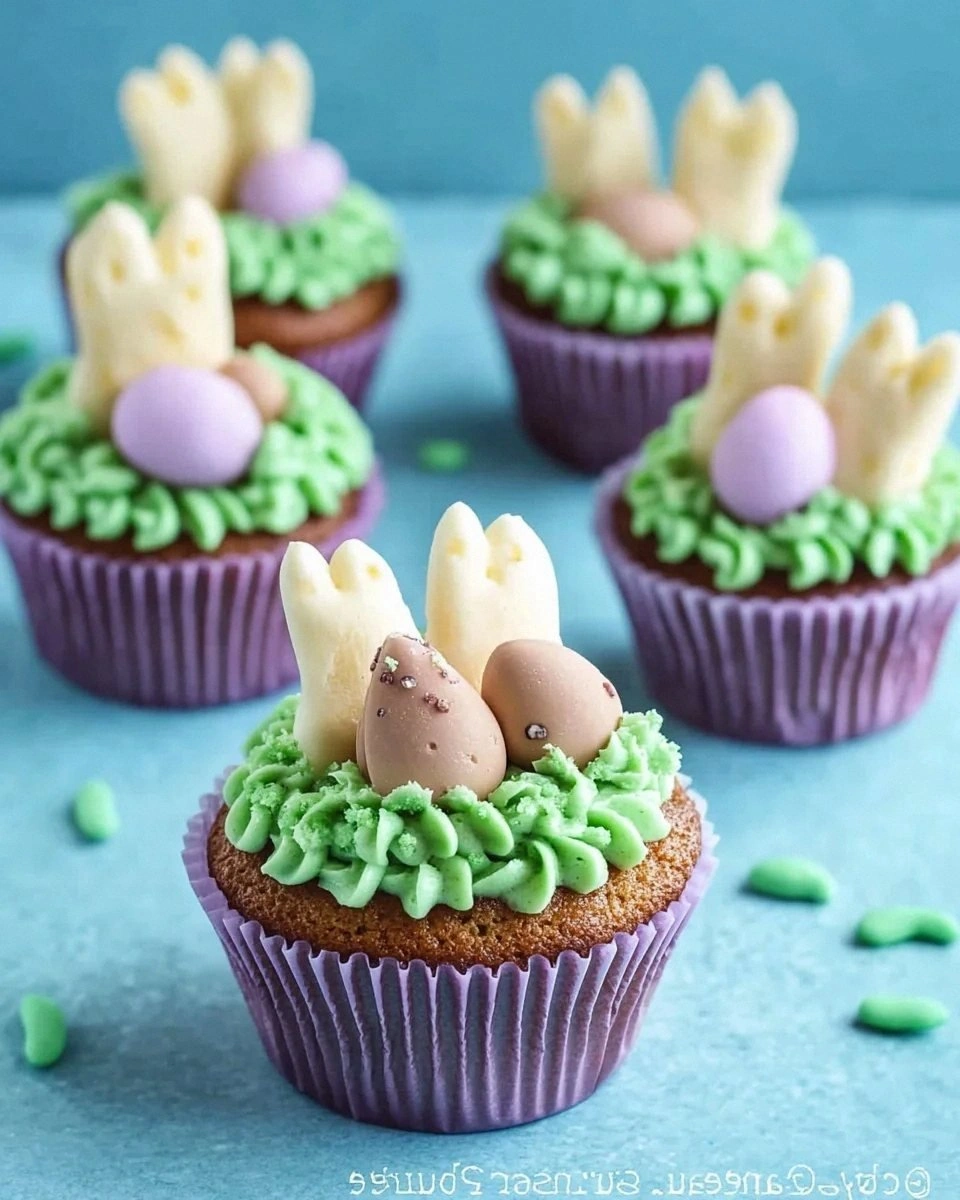
Picture this: it’s a crisp Saturday morning, the sunlight is spilling through the kitchen window like liquid gold, and the air is buzzing with the distant chirps of robins returning from their winter hide‑away. I was halfway through a batch of plain vanilla cupcakes when my sister, armed with a basket of Maltesers Mini Bunnies and a mischievous grin, dared me to “make something that looks like the Easter bunny but tastes like a hug from a cloud.” I laughed, I rolled my eyes, and then I thought, “Why not?” The result? A batch of Springtime Bunny Cupcakes that have since become the crown jewel of my Easter table. This isn’t just a cute garnish; it’s a full‑on flavor explosion that makes you question every other bunny‑themed dessert you’ve ever tried.
The moment I pulled the first batch out of the oven, the kitchen was filled with a scent that could convince even the most disciplined dieter to abandon their diet for a few minutes. The aroma was a buttery, sweet perfume that wrapped around the room like a warm blanket, while the faint hint of vanilla danced like a shy partner in the background. As the cupcakes cooled, the frosting was whipped into a vivid spring‑green that reminded me of fresh grass after a spring rain, and the tiny Maltesers bunnies perched on top like a brigade of adorable soldiers. The first bite was a symphony: the cake’s tender crumb, the creamy frosting that melted on the tongue, and the crunchy surprise of chocolate‑coated bunnies and jewel‑like mini eggs. I dare you to taste this and not go back for seconds.
Most recipes get this completely wrong. They either skimp on the butter, resulting in a dry, crumbly mess, or they drown the cupcakes in overly sweet frosting that feels like a sugar rush gone wrong. Here’s what actually works: a perfectly balanced batter that stays moist thanks to a precise butter‑to‑flour ratio, a frosting that’s airy yet sturdy enough to hold the bunny decorations, and a finishing touch that adds texture without overpowering the delicate cake. The secret ingredient? A splash of milk in both the batter and the frosting that keeps everything silkily smooth, plus a dash of green gel food coloring that turns the frosting into a springtime masterpiece without any bitter aftertaste.
But the magic doesn’t stop at flavor. The technique I’m about to share will give you a flawless, professional finish that looks like it was crafted by a pastry chef with a PhD in cuteness. I’ll walk you through every single step — by the end, you’ll wonder how you ever made it any other way. Okay, ready for the game‑changer?
What Makes This Version Stand Out
- Flavor: The combination of golden caster sugar and real vanilla extract creates a depth that store‑bought mixes simply can’t match.
- Texture: The self‑raising flour and butter ratio yields a crumb that’s as soft as a newborn bunny’s fur, while the frosting stays light and fluffy.
- Simplicity: Only twelve ingredients, all of which you probably already have in your pantry, mean you can whip this up on a whim.
- Uniqueness: The use of Maltesers Mini Bunnies as edible toppers adds a crunchy chocolate surprise that most bunny cupcakes lack.
- Crowd Reaction: I’ve seen grown adults gasp, kids squeal, and grandparents reach for seconds — it’s a universal hit.
- Ingredient Quality: Using real butter (not margarine) and high‑quality caster sugar makes the difference between “good” and “legendary.”
- Cooking Method: The gentle bake at 180°C (350°F) ensures an even rise without a dry top, and the frosting is set with a quick chill for perfect stability.
- Make‑Ahead Potential: You can bake the cupcakes a day ahead, store the frosting separately, and assemble just before serving for maximum freshness.
Inside the Ingredient List
The Flavor Base
175 g softened butter (batter): This is the heart of the cupcake’s richness. Butter at room temperature emulsifies with the sugar, trapping air for a light crumb. If you skip it or use margarine, the cake will feel greasy and the texture will suffer. A good swap for dairy‑free friends is a high‑quality plant‑based butter, but expect a slightly different flavor profile.
175 g golden caster sugar: Fine‑grained sugar dissolves quickly, ensuring there are no gritty pockets. It also caramelizes just enough during baking to give a subtle golden hue. You could use superfine white sugar, but the golden caster adds a whisper of caramel that plain white sugar lacks.
The Texture Crew
3 large eggs: Eggs act as a leavening agent and bind the batter together. They also add moisture, which is crucial for that melt‑in‑your‑mouth feel. If you’re allergic, try a mix of 1 ½ Tbsp flaxseed meal + 4 Tbsp water per egg, but the rise will be a tad less dramatic.
175 g self‑raising flour: This flour already contains baking powder, giving the cupcakes a reliable lift. Using plain flour would require you to add 1 ½ tsp of baking powder, and the texture could become uneven.
2 Tbsp milk (batter) & 2 tsp vanilla extract: Milk adds a silky moisture that keeps the crumb tender, while vanilla is the aromatic backbone that elevates the sweet profile. Skip the vanilla and you’ll notice a bland aftertaste; a splash of almond extract works too for a different twist.
The Unexpected Star
100 g softened butter (frosting): The frosting’s butter must be even softer than the batter butter to create a cloud‑like texture. If it’s too cold, you’ll end up with a gritty frosting that can’t be piped.
225 g icing sugar: This fine powder sweetens the frosting without adding grit. Sifting it prevents lumps and ensures a glossy finish. For a less sweet version, reduce to 180 g, but the frosting may become too stiff.
1 tsp vanilla extract (frosting) & 1 Tbsp milk: These keep the frosting creamy and flavorful. The milk helps achieve the perfect spreadable consistency, while the vanilla ties the frosting back to the cupcake base.
Green gel food coloring: A few drops are all you need to turn the frosting into a spring‑green canvas. Gel colors are more concentrated than liquid, so you won’t thin out your frosting.
The Final Flourish
12 Maltesers Mini Bunnies: These chocolate‑coated, honey‑comb treats add a delightful crunch and a surprise burst of chocolate that contrasts beautifully with the sweet frosting. If you can’t find them, regular Maltesers or even mini chocolate chips work, but you’ll lose the bunny silhouette.
80 g mini eggs: These tiny candy eggs bring a pop of color and a sugary snap that makes every bite a mini celebration. Feel free to use pastel sprinkles if you’re avoiding artificial colors.
Everything's prepped? Good. Let's get into the real action…
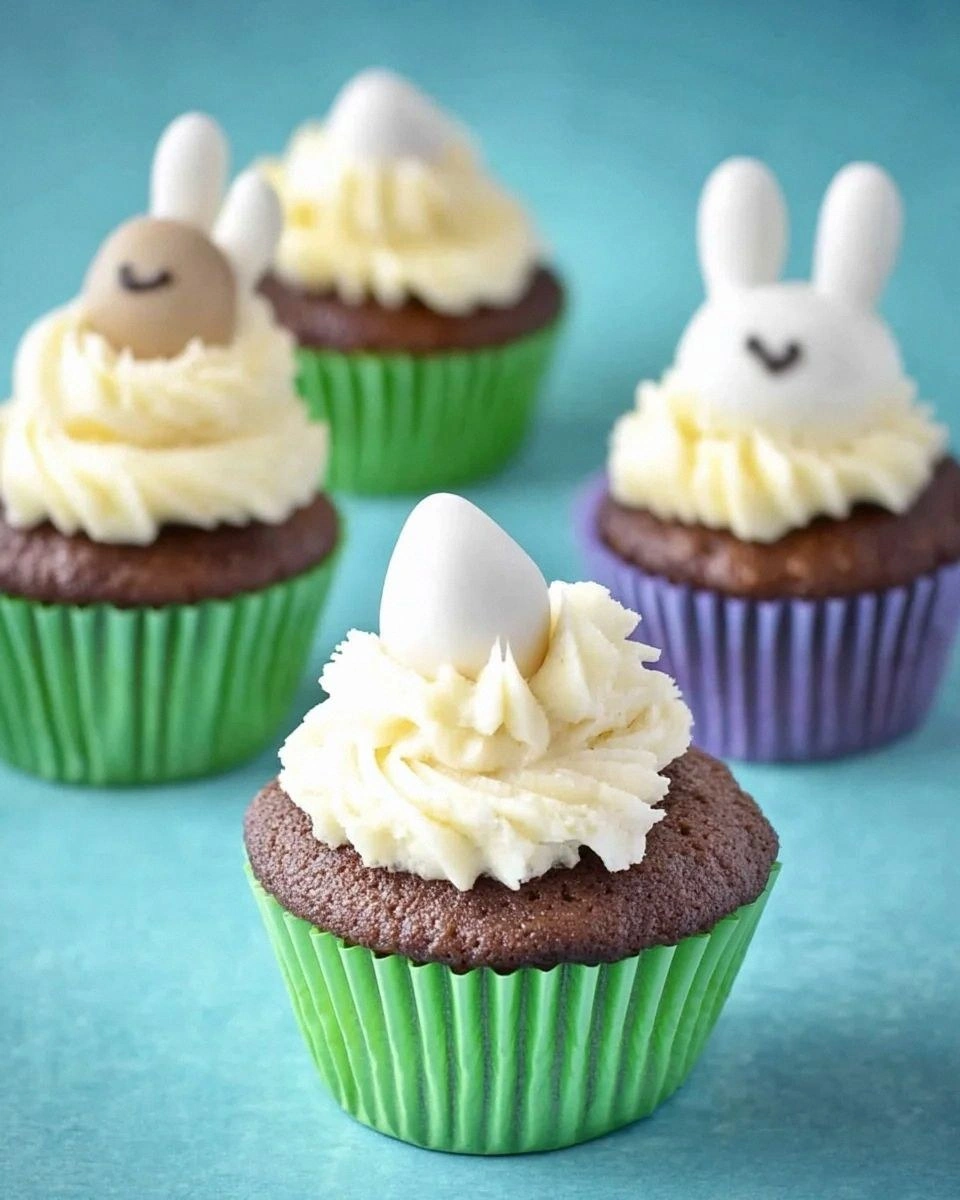
The Method — Step by Step
Preheat your oven to 180°C (350°F) and line a 12‑cup muffin tin with paper liners. As the oven warms, the kitchen fills with that comforting pre‑heat hum that signals good things are about to happen. I always tap the tin gently on the counter to make sure it’s level; uneven tins lead to lopsided cupcakes, and nobody wants a wonky bunny.
In a large mixing bowl, cream together the 175 g softened butter and golden caster sugar until the mixture is pale, fluffy, and smells like a bakery on a Sunday morning. This should take about 3–4 minutes on medium speed. Pro tip: Scrape down the sides of the bowl frequently to ensure an even blend.
Kitchen Hack: Add a pinch of sea salt while creaming; it intensifies the sweetness without making it cloying.Beat in the eggs one at a time, allowing each to fully incorporate before adding the next. You’ll notice the batter turning glossy and thickening slightly — that’s the emulsification at work, creating a stable structure for the rise.
Stir in the 2 tsp vanilla extract and the 2 Tbsp milk, mixing just until combined. Over‑mixing at this stage can develop gluten, resulting in a tougher crumb, so stop as soon as you see a smooth, velvety batter.
Sift the 175 g self‑raising flour over the batter and fold gently with a spatula. The batter should look light and airy, with a few small streaks of flour that disappear as you fold. Watch Out: If you see a gritty texture, you’ve over‑mixed; the cupcakes will be dense.
Watch Out: Sifting twice prevents lumps that can create pockets of dry flour in the final bake.Divide the batter evenly among the 12 liners, filling each about two‑thirds full. A kitchen scale is ideal, but a large ice‑cream scoop works just as well. The batter should settle with a gentle dome shape; if it spreads too much, the cupcakes may be flat.
Slide the tin into the oven and bake for 18‑22 minutes. Around the 15‑minute mark, you’ll hear a faint “crackle” as the edges start to set — that’s the sound of a perfect crust forming. Insert a toothpick; it should come out clean or with just a few moist crumbs.
While the cupcakes are baking, prepare the frosting. In a clean bowl, beat the 100 g softened butter until creamy, then gradually add the 225 g icing sugar, a little at a time, to avoid a sugar cloud. The mixture will become thick and glossy.
Add the 1 tsp vanilla extract, 1 Tbsp milk, and a few drops of green gel food coloring. Beat on high for 2‑3 minutes until the frosting is light, fluffy, and holds soft peaks. This next part? Pure magic. The color should be a fresh spring green that looks like newly sprouted grass.
Once the cupcakes are done, remove them from the oven and let them cool in the tin for 5 minutes, then transfer to a wire rack. While they’re still warm, you can gently tap the tops with a spoon to smooth any uneven domes — this makes piping the frosting easier.
When the cupcakes are completely cool, pipe or spread a generous swirl of green frosting onto each one. Use a large star tip for a fluffy, bunny‑tail effect. The frosting should be thick enough to hold the Maltesers bunnies upright.
Place a Maltesers Mini Bunny on each cupcake, gently pressing it into the frosting so it stands like a tiny chocolate sentinel. Then scatter the 80 g mini eggs around the base, creating a playful meadow of color. Step back and admire your spring masterpiece.
Kitchen Hack: Chill the cupcakes for 10 minutes after frosting; this firms the buttercream and prevents the bunnies from sliding.
That's it — you did it. But hold on, I've got a few more tricks that'll take this to another level…
Insider Tricks for Flawless Results
The Temperature Rule Nobody Follows
Always bring your butter to room temperature, but never let it melt. Cold butter won’t incorporate air, and melted butter will make the batter too runny. I keep a small bowl of warm water nearby to gently nudge the butter if it’s too stiff. This tiny step ensures a uniform crumb that’s consistently soft.
Why Your Nose Knows Best
When the cupcakes are baking, trust your sense of smell. Around the 12‑minute mark you’ll start to detect a buttery, slightly caramel aroma that tells you the interior is cooking evenly. If you smell a burnt edge before the center is done, lower the oven temperature by 10°C and cover the tops with foil.
The 5‑Minute Rest That Changes Everything
After removing the cupcakes from the oven, let them rest in the tin for exactly five minutes. This pause lets the steam redistribute, preventing the cupcakes from collapsing. Skipping this step leads to a dry top and a soggy bottom — a disaster no one wants.
Chocolate Bunny Placement Precision
When positioning the Maltesers bunnies, press them just enough to embed the base without crushing the chocolate coating. If you push too hard, the bunny will lose its shape; too gently and it’ll tip over. A gentle twist motion secures it perfectly.
Mini Egg Distribution Strategy
Scatter the mini eggs in a spiral pattern starting from the center of the frosting outward. This not only looks aesthetically pleasing but also ensures each bite gets a balanced hit of chocolate and candy. A random sprinkle can lead to clumps, which look messy.
Creative Twists and Variations
This recipe is a playground. Here are some of my favorite ways to switch things up:
Chocolate Lover’s Dream
Swap the green frosting for a rich chocolate buttercream, and replace the Maltesers Mini Bunnies with mini chocolate eggs. The deep cocoa flavor pairs wonderfully with the vanilla‑scented cake, turning the bunnies into a decadent treat.
Berry Burst
Fold ½ cup of fresh raspberries into the batter for a subtle tartness. Top with a pink strawberry‑flavored frosting and use pink candy-coated chocolates as “bunny ears.” This version is perfect for a summer Easter brunch.
Vegan Delight
Replace both butter portions with vegan butter, use almond milk instead of dairy milk, and swap the eggs for a flax‑egg mixture (½ Tbsp ground flaxseed + 1 ½ Tbsp water per egg). The texture remains airy, and the flavor stays on point.
Citrus Zing
Add the zest of one lemon to the batter and a teaspoon of lemon extract to the frosting. Finish with a dusting of powdered sugar shaped like tiny sunbeams. The bright citrus lifts the entire dessert, making it feel fresh as a spring breeze.
Nutty Crunch
Incorporate ¼ cup finely chopped toasted almonds into the batter for a nutty undertone. Top with a drizzle of honey‑glazed almond slivers instead of mini eggs. This adds a sophisticated crunch that impresses adult palates.
Storing and Bringing It Back to Life
Fridge Storage
Place the cupcakes in an airtight container and store them in the refrigerator for up to three days. The frosting will stay firm, and the cake will retain moisture. Before serving, let them sit at room temperature for 20 minutes to soften the buttercream.
Freezer Friendly
Wrap each cupcake individually in cling film, then place them in a freezer‑safe bag. They’ll keep for up to two months. To revive, thaw overnight in the fridge, then bring to room temperature and give the frosting a quick whisk to restore its fluffiness.
Best Reheating Method
When you need to warm them up for a last‑minute gathering, pop the cupcakes in a preheated oven at 150°C (300°F) for 5‑7 minutes. Add a tiny splash of water to the pan and cover with foil; the steam will bring the cake back to its original softness without drying it out.