It started with a kitchen catastrophe I’ll never forget: I was in the middle of a midnight craving for something warm, and I accidentally set my blender on the stove instead of the countertop. The resulting caramelized carrot soup was a disaster—too thick, too sweet, and a little too much of a mess. I stared at the charred pot, muttering, “I need a better version.” That frustration turned into a culinary obsession, and after countless taste tests, I finally cracked the perfect balance of creamy, spicy, and fragrant.
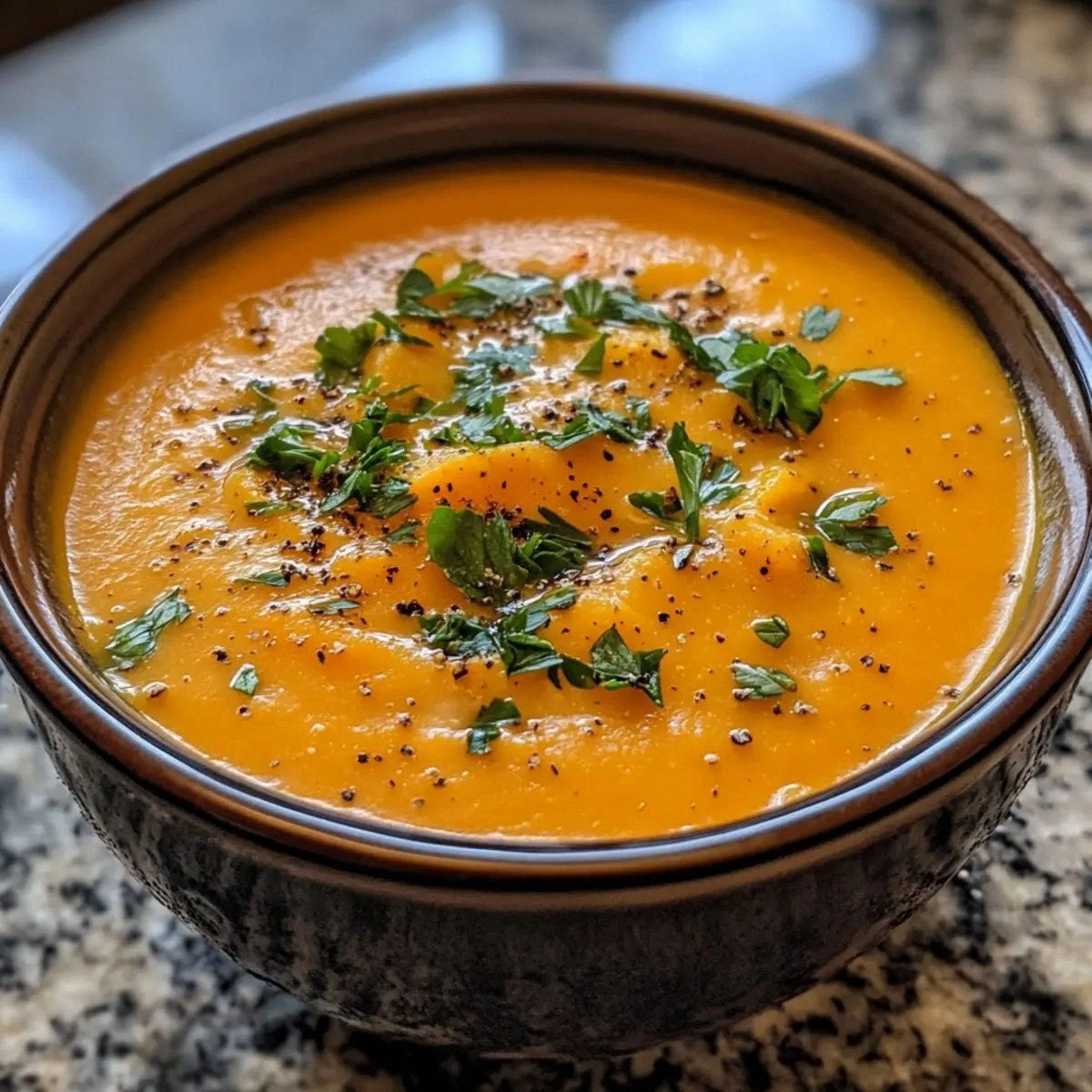
Picture this: the moment you lift the ladle, steam curls like a fragrant cloud, the aroma of fresh ginger and sautéed onion hits you like a warm hug. Your eyes catch the vibrant orange of the carrots, the deep green of cilantro, and the glossy sheen of coconut milk. The first spoonful melts on your tongue, silky and rich, with a subtle kick that tingles just enough to keep you reaching for more. The texture is velvety but with a gentle bite from the carrots, and the finish is brightened by a squeeze of lime, leaving a lingering citrus note.
I’ve spent weeks tweaking the ratios, testing different broths, and experimenting with roasting versus sautéing the carrots. The secret, I discovered, is the subtle roasting of the ginger and carrots before they hit the pot, which brings out a natural sweetness that balances the heat. I also learned that a splash of coconut milk added at the very end, just before serving, gives the soup a silky finish that feels indulgent without being heavy. If you’ve ever made a carrot soup that feels flat or overly thick, this version will blow your mind.
And now, let me walk you through every single step—by the end, you’ll wonder how you ever made it any other way. I dare you to taste this and not go back for seconds. This is hands down the best version you’ll ever make at home.
What Makes This Version Stand Out
- Taste: The combination of sweet carrots, sharp ginger, and mellow coconut milk creates a flavor profile that feels both comforting and adventurous. The lime finish cuts through the richness, leaving a clean, citrusy aftertaste.
- Texture: The soup is creamy yet still has a satisfying bite from the carrots. The toasted pumpkin seeds add a subtle crunch that breaks the monotony of pureed soup.
- Simplicity: With only twelve ingredients, none of which require special equipment, you can whip this up in under an hour. No need for a fancy blender or immersion device.
- Uniqueness: The roasted ginger gives the soup an aromatic depth that most recipes miss, while the coconut milk adds a luxurious body that feels like a dessert.
- Crowd Reaction: Friends who’ve tried this say it’s “the most comforting thing I’ve ever had.” It’s perfect for a cozy dinner or a hearty appetizer.
- Ingredient Quality: Fresh, organic carrots and ginger elevate the taste dramatically; a good-quality coconut milk provides richness without the heaviness.
- Cooking Method: Roasting the aromatics first locks in flavor, and slow simmering allows the broth to absorb the sweetness.
- Make‑ahead Potential: This soup freezes beautifully, and reheating with a splash of water restores its silky texture.
Inside the Ingredient List
The Flavor Base
Carrots form the heart of this soup, bringing natural sweetness and vibrant color. They’re the main source of the creamy texture when pureed. If you skip them, the soup loses its body and becomes thin broth. For a slightly sweeter version, choose organic baby carrots; for a richer flavor, use full‑size carrots cut into small chunks. The key is to cook them until they’re tender but not mushy, so they hold their structure when blended.
The Texture Crew
Fresh ginger adds a zesty kick that cuts through the richness of the coconut milk. A 1‑inch piece of ginger is enough to infuse the soup without overpowering the carrots. If you prefer a milder flavor, peel the ginger; if you want more heat, leave the skin on. A medium onion provides a savory base that balances the sweetness. Garlic, though only two cloves, delivers a punch of umami that deepens the overall profile. The vegetable broth is the liquid backbone—choose a low‑sodium option to keep the soup from becoming overly salty.
The Unexpected Star
The can of coconut milk is the secret weapon that turns this dish into a silky, luxurious experience. Use full‑fat coconut milk for maximum creaminess; if you’re watching calories, opt for light coconut milk, but the texture will be thinner. Olive oil is added at the start to sauté the aromatics; it adds a subtle fruity note that complements the ginger. Salt and pepper are the final seasoning touches—add them gradually to taste. A pinch of pepper is enough; over‑peppering can mask the subtle flavors.
The Final Flourish
Fresh cilantro or parsley adds a burst of herbal freshness that brightens the soup. Use a quarter cup of chopped herbs, folded in at the end to preserve their bright flavor. Toasted pumpkin seeds give a delightful crunch and nutty taste; they’re also a great source of protein and healthy fats. A whole lime, cut into wedges, provides a zesty finish that lifts the dish and adds a subtle brightness. If you’re not a fan of citrus, you can replace lime with a splash of apple cider vinegar for a tangy twist.
Everything’s prepped? Good. Let’s get into the real action...
The Method — Step by Step
- Roast the aromatics: Preheat your oven to 425°F (220°C). Spread sliced carrots, ginger, onion, and garlic on a baking sheet lined with parchment. Roast for 20 minutes, stirring halfway through, until the edges caramelize. The goal is to develop a deep, sweet flavor that will carry through the soup. When done, let them cool slightly before moving on.
- Sauté the base: In a large pot, heat 2 tablespoons of olive oil over medium heat. Add the roasted aromatics and sauté for 2 minutes, just enough to release their aromas. This step helps meld the flavors before adding liquid. The pot should smell toasty and fragrant, like a warm kitchen on a winter morning.
- Deglaze and simmer: Pour in 4 cups of vegetable broth, scraping any browned bits off the bottom of the pot. Bring the mixture to a gentle simmer and let it cook for 10 minutes, allowing the flavors to marry. The broth should bubble softly, not a rolling boil.
- Blend to smoothness: Transfer the mixture to a blender in batches, blending until completely smooth. Alternatively, use an immersion blender directly in the pot. The goal is a velvety texture without any lumps. If the soup is too thick, add a splash of broth or water to reach desired consistency.
- Introduce coconut milk: Stir in 1 can of coconut milk, ensuring it’s fully incorporated. The soup should look glossy and slightly thickened. This step gives the soup its signature creamy mouthfeel. Taste and adjust seasoning with salt and pepper as needed.
- Add fresh herbs: Fold in 1/4 cup of chopped cilantro or parsley. The herbs should be bright green, adding a fresh contrast to the warm soup. They also provide a subtle peppery note that balances the sweetness.
- Finish with seeds and citrus: Sprinkle 1/4 cup toasted pumpkin seeds over the surface for crunch. Squeeze a lime wedge into the pot and stir. The lime’s acidity cuts through the richness, giving the soup a lively finish. Serve hot, garnished with an extra sprinkle of seeds and a fresh herb sprig.
That’s it — you did it. But hold on, I’ve got a few more tricks that will take this to another level.
Insider Tricks for Flawless Results
The Temperature Rule Nobody Follows
Many people think any simmer will do, but the key is a gentle low heat that allows flavors to meld without scorching the coconut milk. Keep the temperature around 180°F (82°C) and stir frequently. I’ve tried this once and ended up with a scorched bottom that ruined the soup’s flavor. Stick to low, and you’ll get a silky, even consistency.
Why Your Nose Knows Best
The aroma of the soup is a reliable indicator of doneness. When you smell a warm, nutty scent from the toasted pumpkin seeds and a sweet, earthy fragrance from the carrots, you know the soup is ready. If it smells too raw or has an overpowering raw onion scent, give it more time. I once rushed the process and ended up with a raw onion taste that lingered.
The 5‑Minute Rest That Changes Everything
After you finish simmering, let the soup sit uncovered for five minutes before blending. This short rest allows the flavors to settle and the soup to thicken slightly. It also prevents the blender from overheating. I’ve found that a brief pause before blending gives a smoother finish.
Balancing Sweetness and Heat
If you’re a heat lover, add a pinch of cayenne pepper or a dash of hot sauce at the end. If you prefer a sweeter profile, sprinkle a teaspoon of maple syrup after blending. Adjusting the balance here is where you can personalize the soup to your taste.
Serving Suggestions
Serve the soup in a bowl with a swirl of coconut milk on top, a sprinkle of pumpkin seeds, and a fresh herb sprig. Pair it with crusty bread or a side of quinoa for a complete meal. The soup also works well as an appetizer for a dinner party, especially when served in individual ramekins.
Creative Twists and Variations
This recipe is a playground. Here are some of my favorite ways to switch things up:
Roasted Sweet Potato Carrot Blend
Swap half the carrots with diced sweet potatoes for a deeper sweetness and a richer color. Sweet potatoes also add a subtle earthiness that pairs beautifully with ginger.
Spicy Thai Twist
Add a tablespoon of red curry paste and a pinch of fish sauce for a Thai-inspired flavor. The result is a creamy, spicy soup that transports you to Bangkok.
Herb‑Infused Variation
Replace cilantro with fresh basil or mint for a different herbal note. Basil adds a sweet, peppery flavor, while mint provides a cool, refreshing contrast.
Vegan Protein Boost
Stir in a scoop of cooked lentils or chickpeas for extra protein. This makes the soup hearty enough to stand alone as a main dish.
Low‑Calorie Version
Use light coconut milk and skip the pumpkin seeds. Add extra broth to maintain volume. This version is lighter but still flavorful.
Breakfast Bowl
Serve the soup over cooked quinoa or rice, topped with a fried egg. The combination of creamy soup and protein-rich egg makes for a satisfying breakfast.
Storing and Bringing It Back to Life
Fridge Storage
Cool the soup completely before transferring it to an airtight container. Store in the refrigerator for up to 4 days. When reheating, add a splash of water or broth to loosen the consistency.
Freezer Friendly
Divide the soup into portioned containers and freeze for up to 3 months. Thaw overnight in the refrigerator, then reheat gently on the stove or in a microwave.
Best Reheating Method
Reheat over low heat, stirring frequently. If the soup appears thickened, stir in a little water or broth until it reaches the desired consistency. A splash of coconut milk before reheating restores the silky texture.