I was halfway through a bland weeknight dinner, staring at a plain salmon fillet that looked more like a piece of fish than a culinary masterpiece, when I realized I could turn it into a showstopper. The fridge was empty of fancy sauces, the pantry was a relic of last month’s leftovers, and the clock was ticking. I grabbed a few ingredients that were already on hand: a splash of lemon, a handful of garlic, and a generous knob of butter. The idea hit me like a bright flash of inspiration—if I could just coax the salmon into a silky, garlicky embrace, I could transform an ordinary fish into a dish that would have my friends begging for seconds. And trust me, I dared you to taste this and not go back for seconds.
The scent of sizzling butter and roasting garlic filled the kitchen, turning the air into a fragrant invitation. The salmon, with its skin crisping into a golden armor, released a subtle, almost buttery aroma that made the room feel like a seaside café. The sound of the oven timer ticking was punctuated by the occasional pop as the garlic browned, a gentle reminder that magic was happening. When I first tasted the first bite, the creamy sauce coated the fillet like velvet, while the lemon brightened the richness with a zesty punch. The texture was a dance of buttery flesh and a slightly crunchy skin that cracked like thin ice under a spoon.
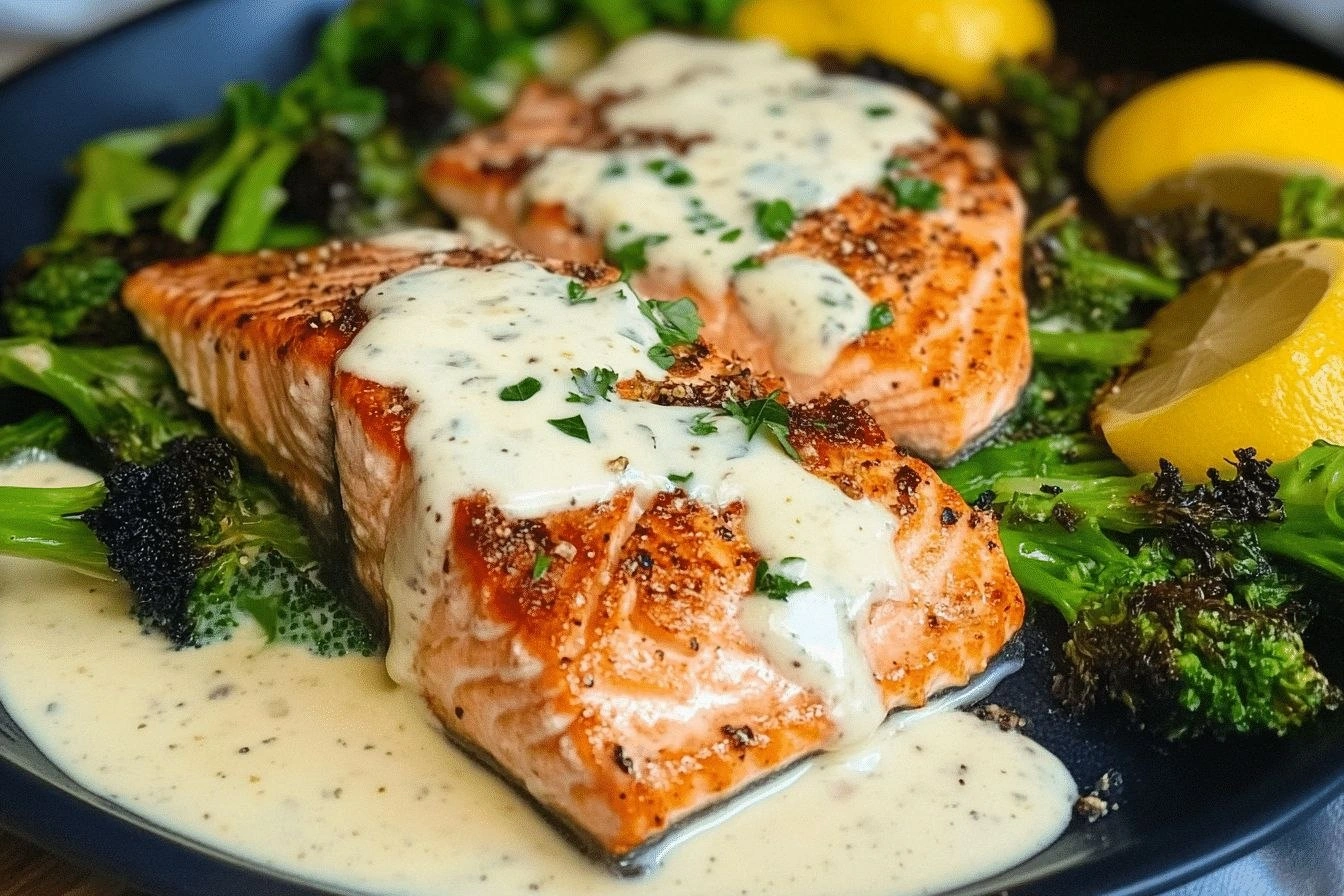
What makes this version stand out is that it takes the humble salmon and elevates it with a sauce that feels like a hug—rich, yet balanced by citrus and herbs. Unlike most recipes that rely on heavy, pre‑made sauces or over‑seasoned fish, this one lets the natural flavors sing while the garlic and cream provide a comforting blanket. The skin stays crisp without drying out, thanks to a precise butter technique that locks in moisture. The sauce doesn’t overpower; instead, it drapes over the fish like a silk shawl, adding depth without masking the delicate taste of the salmon. The result is a dish that feels luxurious yet approachable, suitable for both a quiet dinner at home and a dinner party where you want to impress.
And here’s the twist you won’t expect—a subtle infusion of fresh dill that turns the sauce from comforting to downright celebratory. I’ll be honest—my first attempt had the dill too bold and it almost stole the salmon, but after tweaking the ratio, it became the perfect finishing touch. Picture yourself pulling this out of the oven, the whole kitchen smelling incredible, and the guests leaning in, eyes wide, ready to dig in. Let me walk you through every single step—by the end, you’ll wonder how you ever made it any other way. And if you’re ready for a flavor adventure that feels like a warm hug, stick with me.
What Makes This Version Stand Out
- Taste: The sauce is a balanced duet of buttery cream and sharp lemon, with garlic adding depth without drowning the fish. The result is a velvety coating that feels indulgent yet restrained, letting the salmon shine.
- Texture: The skin crisps to a delicate crunch while the flesh stays moist and flaky. The butter infusion creates a protective layer that keeps the fillets from drying out during baking.
- Simplicity: With just seven ingredients, the recipe is quick enough for a hectic weekday yet sophisticated enough for a dinner party. No complex sauces or exotic spices—just honest flavors.
- Uniqueness: The combination of heavy cream and fresh dill creates a sauce that feels both comforting and celebratory. It’s a rare blend that sets this dish apart from standard baked salmon.
- Crowd Reaction: Friends and family rave about the creamy texture and bright finish, often requesting a second plate. The dish has become a staple for gatherings and dates.
- Ingredient Quality: Using skin‑on, boneless fillets ensures maximum moisture, while fresh garlic and dill elevate the flavor profile. The quality of each component is essential to the final outcome.
- Cooking Method: Seared first, then baked, the technique locks in juices and creates a beautifully caramelized exterior. This method is both fool‑proof and impressive.
Inside the Ingredient List
The Flavor Base
Fresh garlic cloves are the heart of the sauce, releasing a warm, aromatic profile that permeates every bite. Mince them finely so they melt into the butter, creating a silky texture that coats the fillets. Skipping garlic would leave the dish feeling flat; the garlic’s depth is what elevates the sauce from simple to unforgettable. If you’re a garlic lover, feel free to double the cloves for an extra punch.
The Texture Crew
Fresh salmon fillets, skin‑on and boneless, are the star of the show. The skin acts as a natural shield, keeping the flesh moist while baking. Choose fillets that are firm to the touch, as they hold their shape better and deliver a satisfying bite. If you prefer a leaner option, you can trim a small amount of fat, but the skin is essential for the crispy finish.
The Unexpected Star
Heavy cream or sour cream provides the luxurious mouthfeel that defines this dish. It coats the fillets in a silky blanket, creating a contrast between the rich sauce and the delicate fish. If you’re watching calories, a light half‑and‑half can be a good compromise, though you’ll lose some of the indulgent depth. The cream’s fat content is crucial for the sauce’s velvety texture.
The Final Flourish
Lemon juice adds a bright, acidic counterpoint that lifts the richness of the cream and garlic. It also helps to keep the fish from becoming too heavy. Fresh parsley or dill offers a burst of green freshness, cutting through the creaminess and adding a pop of color. Salt and pepper are the unsung heroes, seasoning the salmon and sauce without stealing the spotlight.
Everything's prepped? Good. Let's get into the real action.
The Method — Step by Step
- Preheat your oven to 400°F (200°C). While the oven warms, pat the salmon fillets dry with paper towels. This step ensures the skin crisps up nicely. Season each fillet generously with salt and pepper on both sides, letting the flavors seep in.
- In a small saucepan, melt the butter over medium heat. Add the minced garlic and sauté until fragrant, about 30 seconds. Stir in the heavy cream, allowing it to simmer gently for a minute so the flavors meld. The sauce should thicken slightly, coating the back of a spoon.
- Place the salmon fillets skin‑side down in a baking dish. Spoon the garlic‑cream mixture over each fillet, making sure the sauce covers the top and sides. The sauce’s glossy sheen will give you a preview of the dish’s final look.
- Transfer the dish to the preheated oven. Bake for 12–15 minutes, or until the salmon flakes easily with a fork. Watch closely; the sauce should bubble and turn a light golden hue. The skin should crackle, revealing the flaky interior.
- Remove the dish and let the salmon rest for two minutes. This short rest allows the juices to redistribute, ensuring every bite is moist. While the fish rests, stir in the lemon juice and finely chopped herbs into the sauce, letting the flavors brighten.
- Return the salmon to the oven for a final 2 minutes if you like a slightly caramelized top. This step is optional but adds a subtle crunch that contrasts the creamy sauce. Keep an eye on it; the skin can go from perfect to over‑done quickly.
- Transfer the salmon to serving plates. Drizzle any remaining sauce over the fillets, letting it pool around the edges. The dish should look like a glossy, aromatic masterpiece ready to be devoured.
- Serve immediately with a side of roasted vegetables or a light salad. The bright lemon notes cut through the richness, while the herbs add a fresh finish. Enjoy the moment—your guests will thank you for this culinary triumph.
That's it — you did it. But hold on, I've got a few more tricks that'll take this to another level. Stick with me, and you'll become the go-to salmon chef in no time.
Insider Tricks for Flawless Results
The Temperature Rule Nobody Follows
Many chefs swear by baking at 375°F, but 400°F gives the skin a superior crisp without overcooking the flesh. The higher heat caramelizes the butter quickly, creating a golden glaze that locks in moisture. I once tried 375°F and the skin stayed slightly soggy; 400°F solved that instantly. Remember: the goal is a crisp exterior with a tender interior.
Why Your Nose Knows Best
Before you even touch the salmon, inhale the aroma of the garlic and butter. A strong, buttery scent indicates the sauce is on the right track. If the smell feels flat, stir the sauce again to redistribute the garlic. Your nose is your best judge of readiness.
The 5‑Minute Rest That Changes Everything
Letting the salmon rest for exactly five minutes after baking is a game‑changer. During this pause, the juices redistribute, preventing a dry center. The sauce also thickens slightly, making it easier to coat the fillets. Skip this step and you’ll get a less cohesive dish.
Using Fresh Herbs vs Dried
Fresh herbs provide a vibrant, bright flavor that dried herbs can’t match. They also add a pop of color that elevates the presentation. If you only have dried herbs, use half the amount, as they’re more potent. Fresh herbs are the secret to a lively finish.
Choosing the Right Fillet
Skin‑on, boneless fillets are ideal because the skin protects the flesh during baking. Look for fillets with a firm texture and a bright, translucent color. Avoid fillets that feel mushy or have a grayish tint; they’re signs of poor quality. The fillet’s quality directly impacts the dish’s flavor.
Creative Twists and Variations
This recipe is a playground. Here are some of my favorite ways to switch things up:
Spicy Chipotle Cream
Swap the lemon for a splash of chipotle in adobo sauce, and add a pinch of smoked paprika. The result is a smoky, spicy sauce that pairs beautifully with the salmon’s mild flavor. Friends love the kick, and it’s great for a casual dinner.
Herb‑Infused Olive Oil Drizzle
Replace half the butter with extra‑virgin olive oil and add a handful of fresh basil or oregano. This variation gives the dish a Mediterranean twist, with a lighter, oilier finish. It’s perfect for a summer gathering.
Smoky Paprika Rub
Before baking, rub the fillets with smoked paprika, a touch of cumin, and a pinch of cayenne. The paprika adds depth and a subtle heat, while the cumin gives an earthy note. The sauce remains creamy, but the fillets have a smoky edge.
Asian Soy‑Ginger Glaze
Replace the cream with coconut milk, add grated fresh ginger, and finish with a drizzle of soy sauce. The sauce takes on an Asian flair, balancing sweet, salty, and umami flavors. It’s a fun way to diversify the dish.
Cheesy Parmesan Crust
After baking, sprinkle grated Parmesan over the top and broil for a minute. The cheese creates a golden crust that adds crunch and a nutty flavor. This variation turns the dish into a decadent, comfort‑food favorite.
Storing and Bringing It Back to Life
Fridge Storage
Store the baked salmon in an airtight container for up to 2 days. Keep the sauce separate if you prefer to reheat the fish without the sauce thickening. The salmon stays moist and flavorful when refrigerated properly.
Freezer Friendly
Freeze the salmon and sauce separately in freezer‑safe bags for up to 3 months. Thaw overnight in the refrigerator before reheating. This method preserves the texture and prevents freezer burn.
Best Reheating Method
Reheat the salmon in a skillet over medium heat, adding a splash of water to steam it gently. This keeps the flesh tender and prevents the sauce from becoming too thick. Finish with a fresh squeeze of lemon to restore brightness.