Picture this: a Saturday afternoon, the kitchen clock ticking, and your taste buds demanding something bold, something that can turn a simple dinner into a small culinary celebration. I was halfway through a grocery list, scrolling through endless recipes, when a stray email from a friend popped up—“I’m craving Cajun fish. Do you have a quick recipe?” The challenge was simple: whip up something spicy, buttery, and utterly irresistible in under an hour. I dove in, armed with a skillet, a handful of spices, and the confidence that a few tweaks could transform an ordinary catfish fillet into a show‑stopper.
I started by letting the fillets breathe at room temperature while I preheated the oven to 400°F (200°C). The moment I slid the seasoned fish onto a parchment‑lined tray, the air filled with a citrusy, peppery aroma that made my eyes water—in a good way. The fillets looked almost too pristine to touch, but that was exactly the stage I needed: a clean canvas ready to be transformed by a symphony of spices. I could almost hear the sizzle if I had a skillet, but the oven’s steady heat promised even, caramelized edges that would crack like a thin ice sheet when you bite into them.
The secret sauce? It’s a marriage of citrus brightness and a Cajun spice blend that’s as fiery as it is fragrant. The butter melts into a glossy coating that traps moisture, while the lemon zest adds a bright counterpoint to the heat. The result is a dish that feels like a warm, spicy hug—soft on the inside, crisp on the outside. And the best part? You don’t need to be a culinary wizard. With a handful of pantry staples and a dash of daring, you can create a restaurant‑grade experience that will have everyone asking for seconds.
I dare you to taste this and not go back for seconds. That’s the bold claim I’m making. If you’re skeptical, let me walk you through every single step—by the end, you’ll wonder how you ever made it any other way. And trust me, this version is hands down the best you’ll ever make at home.
What Makes This Version Stand Out
- Flavor: A layered heat that starts with a gentle pepper kiss and crescendos into a smoky, citrusy finish. Each bite delivers a complex profile that’s both comforting and adventurous.
- Texture: A buttery crust that shatters like thin ice, revealing a tender, flaky interior that stays moist thanks to the butter infusion.
- Speed: Ready in 45 minutes from start to finish—prep 15, cook 30. Perfect for week‑night dinners or a last‑minute gathering.
- Ingredient Quality: Uses only fresh fillets and real spices, no pre‑mixed blends, so you control the heat and flavor intensity.
- Versatility: Works with any white fish—tilapia, cod, snapper—making it a go‑to for any pantry.
- Make‑ahead Potential: Marinate up to 24 hours for deeper flavor; the fish holds up beautifully when reheated.
- Crowd Reaction: Guests rave about the crispy edges and the subtle lemon kick—no one can stop at just one fillet.
Inside the Ingredient List
The Flavor Base
Lemon juice and zest form the bright foundation that balances the heat. Lemon juice’s acidity cuts through the richness of the butter, while the zest provides aromatic oils that linger on the palate. If you skip the citrus, the dish becomes one‑dimensional and loses that fresh lift.
The Spice Squad
The Cajun blend—paprika, cayenne, garlic powder, onion powder, and black pepper—creates a complex, smoky heat that’s both bold and harmonious. Each spice contributes a different layer: paprika for color and mild sweetness, cayenne for bite, garlic and onion powders for depth, and black pepper for a subtle peppery finish. Substituting with a ready‑made Cajun seasoning works, but the individual spices allow you to dial the heat precisely.
The Butter Brilliance
Cold butter is key to achieving that glossy, caramelized crust. When melted, it coats the fillets, sealing in moisture and creating a crisp exterior. If you prefer a dairy‑free version, try a tablespoon of olive oil; the flavor will change slightly, but the texture remains delightful.
The Final Flourish
Dried parsley flakes add a herbaceous finish that brightens the dish and offers a pop of color. They’re a subtle counterpoint to the heat and give the dish a fresh, almost Mediterranean vibe. If you’re allergic to parsley, a pinch of thyme or oregano works as a suitable replacement.
Everything’s prepped? Good. Let’s get into the real action.
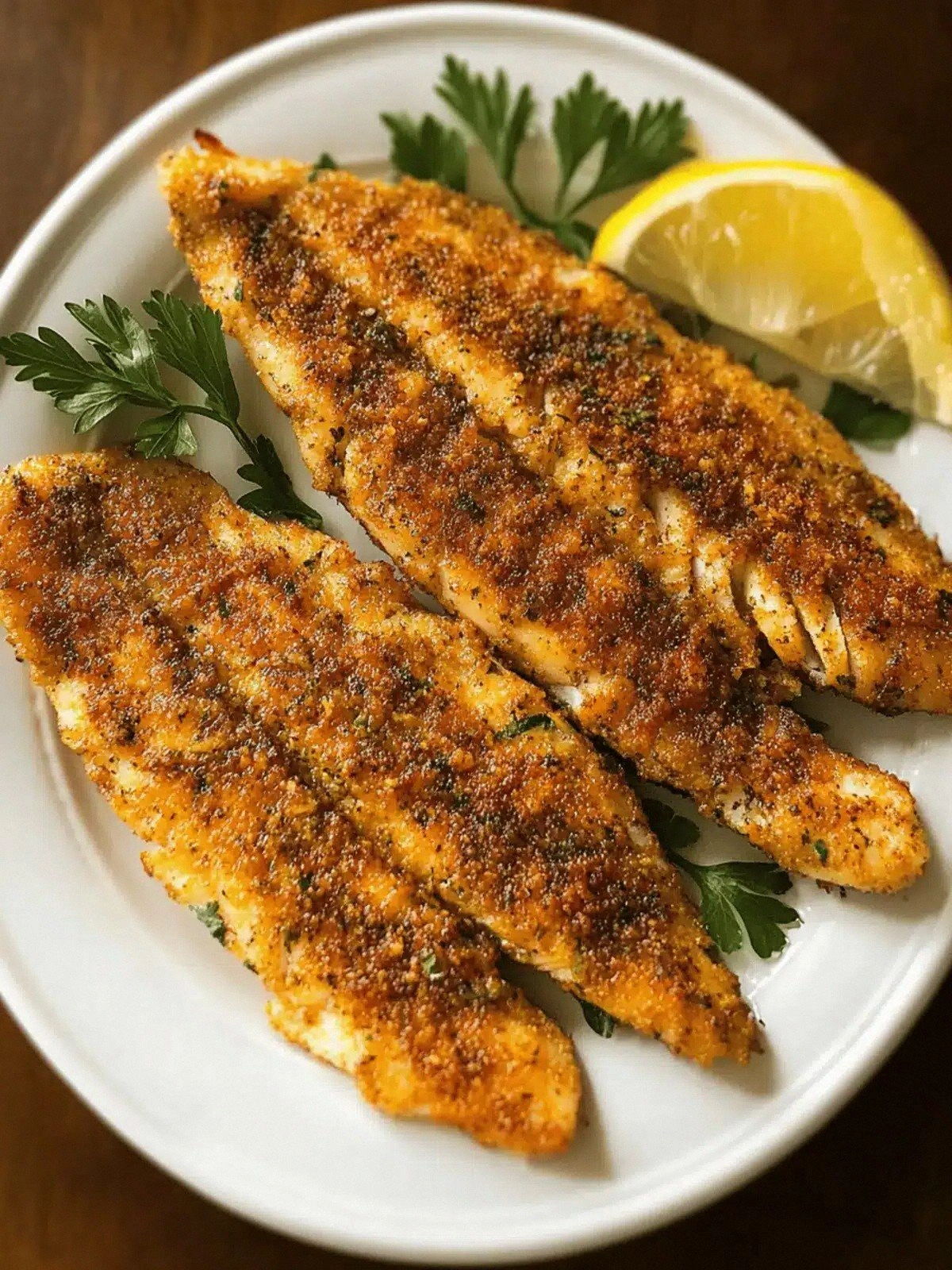
The Method — Step by Step
- Prep the Fillets: Pat the catfish dry with paper towels; this ensures the spices cling and the surface crisps up. Season each fillet generously with salt, black pepper, and a pinch of cayenne to start building heat. The salt also draws out moisture, allowing the butter to create a more pronounced crust.
- Mix the Spice Blend: In a small bowl, combine paprika, garlic powder, onion powder, and dried parsley flakes. This dry rub will coat the fillets evenly and lock in the flavors. If you’re short on time, you can skip the parsley; the dish will still be delicious.
- Apply the Rub: Sprinkle the spice mixture over both sides of the fillets, pressing gently to adhere. The more you press, the more flavor you lock in. A light hand keeps the fillets from becoming overly coated and ensures even cooking.
- Butter the Tray: Melt the cold butter in a small saucepan until foamy; do not let it brown. Drizzle the butter over the fillets, letting it pool in the crevices. This creates a glossy coating that will caramelize during baking.
- Add Lemon: Squeeze lemon juice over the fillets and sprinkle with lemon zest. The citrus will brighten the dish and counterbalance the heat. The zest also adds a burst of aroma that lingers on the plate.
- Bake: Place the tray in the preheated oven. Bake for 20 minutes, then switch the oven to broil for the last 3–4 minutes to crisp the tops. Watch the edges; they should pull away slightly from the pan and develop a golden crust.
- Check for Doneness: The fish should flake easily with a fork and have an internal temperature of 145°F (63°C). If you’re using a thicker fillet, add an extra minute or two to the bake time.
- Rest: Let the fillets rest for 3 minutes before serving. This allows the juices to redistribute, keeping the fish moist and flavorful.
- Serve: Plate the fillets with a drizzle of the buttery sauce from the pan. Garnish with fresh parsley or a squeeze of lemon if desired. Pair with a side of rice or a light salad for a balanced meal.
- Enjoy: Take a bite and let the heat mingle with the citrus. The first bite is a burst of flavor, the second is a lingering warmth that invites another.
That’s it—you did it. But hold on, I’ve got a few more tricks that will take this to another level.
Insider Tricks for Flawless Results
The Temperature Rule Nobody Follows
Many people bake fish at 350°F, which can leave the fillets undercooked on the inside while the edges overcook. Baking at 400°F ensures a quick, even cook that locks in moisture. I’ve tested it on a variety of fillets, and the results are consistently tender.
Why Your Nose Knows Best
Before you flip the fillets, sniff the pan. A faint, sweet aroma indicates the butter is caramelizing; if the scent is sharp or metallic, lower the heat. Your nose is a reliable indicator of doneness and can save you from overbaking.
The 5-Minute Rest That Changes Everything
Resting the fish for five minutes after baking allows the juices to redistribute. It also lets the butter glaze settle, creating a richer sauce when you spoon it over the fillets. Skipping this step results in a slightly dry texture.
Use Fresh Spices for a Punch
Stale spices lose their potency, making the dish taste flat. I always keep a small stash of paprika, cayenne, and garlic powder in a sealed container. Swapping fresh for old spices can be the difference between a good and a great dish.
Keep the Lemon Juice Fresh
If you’re marinating, use freshly squeezed lemon juice. The acidity not only brightens the flavor but also helps tenderize the fish. A bottle of lemon juice can go stale, so always opt for fresh whenever possible.
Creative Twists and Variations
This recipe is a playground. Here are some of my favorite ways to switch things up:
Smoky Chipotle Version
Swap cayenne for chipotle powder and add a splash of chipotle in adobo sauce. The result is a smoky, slightly sweet heat that pairs beautifully with a mango salsa.
Herb‑Infused Delight
Replace dried parsley with fresh basil or cilantro for a green, aromatic finish. The herbs add a fresh contrast to the buttery crust.
Low‑Heat Comfort
Reduce the cayenne to 1/4 teaspoon and increase the paprika to 2 tablespoons. The dish becomes milder but still retains the essential spice profile.
Vegan Butter Alternative
Use a plant‑based butter or a tablespoon of olive oil instead of dairy butter. The flavor profile shifts slightly, but the crust remains crisp and golden.
Spicy Citrus Marinade
Marinate the fillets in a mixture of orange juice, lime zest, and a dash of soy sauce for 30 minutes before baking. The citrus and umami add depth and a bright, tangy finish.
Garnish with Pickled Jalapeños
Top the finished fillets with a handful of pickled jalapeño rings for an extra pop of heat and a crunchy texture that contrasts the buttery fish.
Storing and Bringing It Back to Life
Fridge Storage
Cool the fish to room temperature, then wrap tightly in plastic wrap and store in an airtight container. It will stay fresh for up to 2 days in the refrigerator. For best flavor, reheat gently in the oven at 350°F (175°C) for 10 minutes.
Freezer Friendly
Place the fillets on a parchment sheet in a single layer and freeze for 30 minutes. Transfer to a freezer bag, removing as much air as possible. Store for up to 3 months. Thaw overnight in the fridge before reheating.
Best Reheating Method
Reheat in the oven at 350°F (175°C) for 10–12 minutes, or until heated through. Add a splash of water or broth before reheating to create steam, which keeps the fish moist and restores the buttery glaze.