I still remember the first time I opened my friend Maya's fridge and saw a rainbow of glass jars glinting like treasure chests. She pulled out one filled with electric-pink radishes, another with emerald-tipped green beans, and before I could ask what wizardry this was, she handed me a fork. One bite and I was hooked: the snap, the tang, the way the vinegar sang against the sweet crunch of vegetables that still tasted like they were plucked from the garden that morning. I ate half the jar standing right there, cold fridge air washing over my ankles, completely oblivious to the dinner party happening in the next room. That was the night I learned that refrigerator pickles are not just a condiment; they are a lifestyle.
For years I assumed anything pickled required a cauldron, a week of my life, and the patience of a medieval monk. Turns out most of us have been lied to. These refrigerator pickles need no boiling-water-bath circus, no special gear beyond a jar you could upcycle from last week's pasta sauce, and no waiting longer than it takes to binge a season of your favorite comfort show. What you get is a lightning bolt of flavor that can rescue a sad desk lunch, make a cheap beer feel like craft cocktail hour, or turn a rotisserie chicken into a dinner you actually brag about. The crunch alone is worth the price of admission—think carrot stick that went to finishing school and came back with a PhD in snap.
Okay, ready for the game-changer? The brine is a blank canvas that rewards reckless creativity. Want it fiery? Throw in a split habanero. Sweet-and-sour like the best take-out? Bump the sugar and add star anise. Herbaceous? Tuck in flowering dill crowns that make the jar look like a summer meadow. I've made versions that taste like everything from a mojito to a Thai tom yum, and the vegetables just keep soaking up personality like extroverts at a music festival. Picture yourself pulling a chilled jar from the fridge, the glass fogging instantly, the aroma of garlic and mustard seeds leaping out before you even pop the lid—that first crunch echoing like a starter pistol for every craving you never knew you had.
Stay with me here—this is worth it. By the time you finish reading, you'll know exactly how to pickle like the pros, how to keep every vegetable cartoon-level crisp, and how to build flavors that make store-bought pickles taste like cardboard soaked in vinegar. I dare you to taste these and not go back for seconds. Let me walk you through every single step—by the end, you'll wonder how you ever made it any other way.
What Makes This Version Stand Out
Lightning Speed: From chopping to jarred in under fifteen minutes, which means spontaneous pickle cravings never have to go unanswered. The vegetables swim in hot brine, cool, and move into the fridge where they transform overnight like introverts at karaoke—silent at first, then belting out high notes by morning.
Snap That Lasts: Most quick pickles turn limp after a week because the salt ratio is wishy-washy. This brine hits the sweet spot—literally—so cucumbers stay cartoon-crisp for a month and cauliflower keeps that audible crunch that makes snack addicts weak in the knees.
Zero Canning Drama: No boiling-water vats, no lid sterilization nightmares, no thermometer anxiety. You heat the brine, pour, cap, chill, done. My college roommate who once set cereal on fire can handle this, so you absolutely can.
Customizable Like a Pizza Bar: Swap veggies, dial heat from zero to ghost-pepper inferno, or add sweet notes with apple cider and honey. The base brine is your faithful sidekick; the mix-ins are where you wear the cape.
Fridge Space Friendly: One jar tucked beside yesterday's cold brew, not an entire cupboard of Masonware clicking like wind chimes every time you hunt for snacks. Perfect for apartment living or anyone who values real estate for leftover pizza.
Budget Hero: A few wilting carrots and that lonely bell pepper become VIP appetizers. I've turned farmers-market bruise-bin produce into holiday gifts that look boutique-gourmet. Your wallet will do a happy dance.
Alright, let's break down exactly what goes into this masterpiece...
Inside the Ingredient List
The Flavor Base
White vinegar is the workhorse here—its clean, sharp profile lets the vegetables' natural sweetness shine without muddy flavors. Stick with five-percent acidity; anything weaker gives you sad, floppy science experiments instead of pickles. Water isn't just filler; it tames the acid so the brine doesn't blast your taste buds into orbit, letting subtle aromatics like garlic and mustard seed actually register on your tongue. Skip the water and you'll get something closer to battery acid than balanced bliss.
Kosher salt is the Goldilocks grain—flaky enough to dissolve quickly, pure enough to avoid the iodine funk that makes pickles taste like a hospital corridor. Table salt works in a pinch, but reduce the volume by a quarter; those tiny crystals pack tighter than a Tokyo subway at rush hour. Sugar isn't about sweetness for sweetness' sake; it's the diplomatic negotiator between acid and salt, smoothing edges the way a great host introduces friends who might otherwise bicker.
The Texture Crew
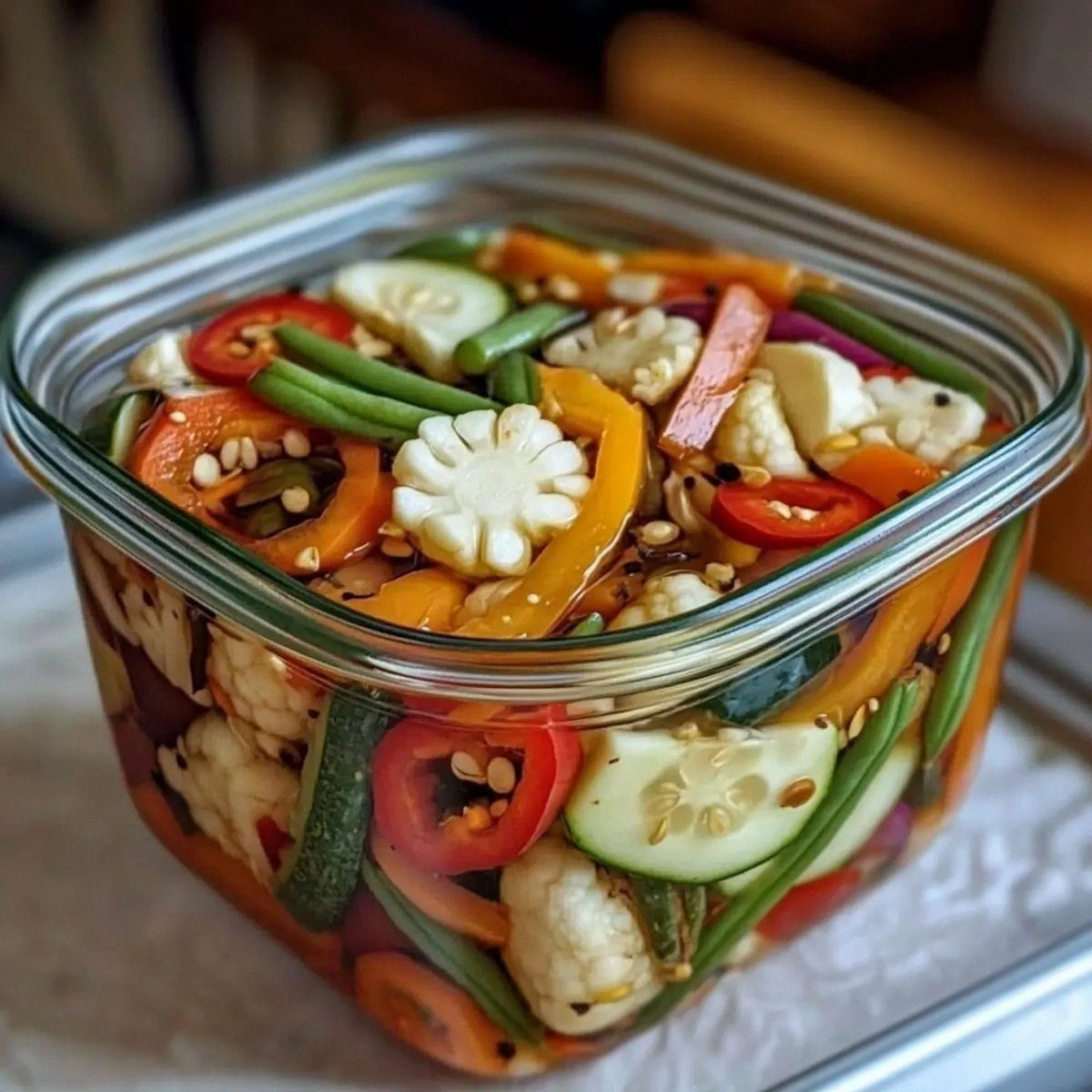
Cauliflower florets are the crown jewels, their nubby surface catching spices like tiny trampolines. Break them into bite-size pieces no bigger than a cherry tomato so the brine penetrates in record time. Carrots bring candy-like sweetness and a color pop that practically screams healthy snack even when you're secretly eating them like chips. Slice them on the bias; the angled cut exposes more surface area, which equals more flavor suction.
Cucumbers are the classic for a reason, but choose the right variety or face soggy defeat. Persian or Kirby cukes have tight seed beds and thick skins that stay snap-worthy. Those bloated supermarket giants? They're water balloons in disguise—avoid like a haunted house on Friday the 13th. Green beans must be fresh enough that they snap, not bend. If you can tie one into a knot, compost it and march back to the store.
The Aromatic Agents
Garlic cloves sliced paper-thin infuse the brine with mellow, toasted flavor after just a day. Smash them lightly to free the oils, but don't mince into a pulp unless you want cloudy brine that looks like murky pond water. Mustard seeds pop and crackle when the hot liquid hits, releasing a gentle heat reminiscent of Dijon perfume. Whole black peppercorns bring woody backbone; cracked ones make the brine aggressively spicy and speckled like dalmatian spots.
The Final Flourish
Red bell pepper isn't mandatory, but its fruity sweetness rounds out sharper notes and turns the jar into a stained-glass masterpiece. Slice them into skinny matchsticks so they tangle with beans and carrots like edible confetti. If you crave heat, slip in a sliced jalapeño or a dried chile de árbol, but remove the seeds unless you're courting a four-alarm fire. For herbal brightness, a sprig of fresh dill or thyme laid on top perfumes everything like a botanical diffuser.
Everything's prepped? Good. Let's get into the real action...
The Method — Step by Step
- Grab a clean, wide-mouth quart jar—bonus points if it once held store-bought pickles and still smells faintly of dill nostalgia. Rinse it with the hottest tap water your hands can stand; this pre-warms the glass so it won't shatter when the scalding brine arrives later. Stack your vegetables like you're building edible geology: sturdy cauliflower and carrots at the bottom, softer cukes and peppers near the top so they don't get squashed. Slip garlic slices and spices down the sides, letting them fall where they may; think of it as Jackson Pollock with produce.
- In a small saucepan, combine the vinegar, water, salt, and sugar, then place it over medium heat. Swirl—don't stir with a spoon yet—so you can watch the salt and sugar disappear like a magic trick. When tiny bubbles form at the edges and the surface looks like glass under moonlight, you're done. Boiling the life out of it kills the brightness; you want hot but not furious.
- Now the fun part: pour the hot brine slowly into the jar, letting it burble down and nudge air pockets out. A canning funnel saves countertops, but in a pinch a steady hand and a ladle work. Leave a half-inch of breathing room at the top so when things contract in the cold fridge you don't end up with a pickle-slick shelf. Tap the jar gently on a folded towel to dislodge sneaky air bubbles hiding between bean clusters.
- Cap the jar—if you're using a repurposed lid that smells faintly of marinara, line it with a square of plastic wrap first so flavors stay pure. Let the jar cool on the counter until you can handle it without oven mitts; rushing this step into the fridge can crack the glass and ruin your masterpiece. You'll see the vegetables start to dull in color as chlorophyll reacts to the acid—this is science making your snacks gorgeous.
- Once barely warm, refrigerate for at least eight hours—overnight is better, twenty-four is transformative. During this time the brine penetrates, garlic mellows, and flavors meld into something greater than the sum of its parts. The vegetables will fade to jewel tones and the liquid will go slightly cloudy—that's normal, don't panic. If you see foam or smell anything funky, compost the batch and start over, but with this acid level that's rare.
- When patience runs out, open the jar and inhale deeply. The aroma should hit you like a wave—tangy, garlicky, with a whisper of mustard heat. Fork out a carrot coin; it should snap cleanly, releasing a droplet of brine that smells almost effervescent. If it bends, you need more time or your fridge is too warm; pop it back and wait another half day.
- Serve straight from the jar alongside grilled meats, slide them into bánh mì, chop them into tuna salad for instant pizzazz, or just stand at the counter like I do and demolish them while contemplating life's mysteries. Always use a clean fork to avoid introducing bacteria that could shorten shelf life. Replace the lid promptly; oxygen is the enemy of crunch.
- Store jars toward the front of the fridge where temps are coldest, not in the door where the temperature swings like a pendulum every time midnight munchies strike. They'll keep up to a month, though in my house they rarely last a week because friends treat my fridge like a pickle buffet. If liquid level drops, top with a mix of half vinegar, half water to keep everything submerged and safe.
- That's it—you did it. But hold on, I've got a few more tricks that'll take this to another level...
Insider Tricks for Flawless Results
The Temperature Rule Nobody Follows
Let your brine cool to about 140°F before pouring if you want neon colors that stay vivid for weeks. Anything hotter blanches vegetables into khaki sadness. I use an instant-read thermometer because I'm nerdy like that, but you can eyeball it—steam should rise lazily, not roar like a locomotive. Your future Instagram photos will thank you.
Why Your Nose Knows Best
Smell the jar at day two and day five; by then the garlic aroma should be mellow and integrated, not sharp or sulfurous. If it smells like a high-school chemistry lab, something went sideways—pitch it. A healthy pickle smells bright, tangy, almost effervescent, like champagne with a garden center bouquet.
The 5-Minute Rest That Changes Everything
After you open a jar for the first time, let it sit five minutes before diving back in. Oxygen re-enters and flavors bloom like time-lapse flowers. I learned this waiting tables when the chef would crack open a new batch and tell us to hold our horses—turns out he was onto something.
Balance Your pH Like a Pro
If you want to safely reduce salt, swap in a tablespoon of bottled lemon juice to keep acidity high enough to deter bad bacteria. Don't go wild reducing salt entirely; it's the bodyguard that keeps everything safe while you're busy living life.
Layer Flavors Like a Lasagna
Place delicate herbs like dill or tarragon on top so they perfume but don't stew into bitterness. Hard spices such as coriander or clove go nearer the bottom where heat can coax their oils without turning the whole jar into potpourri.
Creative Twists and Variations
This recipe is a playground. Here are some of my favorite ways to switch things up:
Smoky Mezcal Mix
Replace a quarter-cup of the water with mezcal, add a strip of smoked paprika, and swap jalapeños for bell pepper. The result tastes like a pickle that vacationed in Oaxaca and returned with stories. Incredible diced into guacamole or served alongside grilled fish tacos.
Asian-Inspired Garden
Sub rice vinegar for white, add a knob of sliced ginger, a splash of soy, and star anise. Toss in baby bok choy stems and shiitake caps. These pickles make instant ramen taste like a Michelin slurp fest.
Moroccan Mint Moonlight
Add a cinnamon stick, a few coriander seeds, and a fistful of fresh mint. Carrots and red onion love this treatment; serve them on lamb burgers and prepare for applause. The mint stays shockingly bright for days.
Beet It Up
Throw in a few steamed beet wedges and watch the brine turn fuchsia. Everything in the jar becomes jewel-toned, and the earthy sweetness balances the acid like a tightrope walker. Kids devour them because they turn tongues hot-pink.
Citrus-Dill Summer
Strip in a ribbon of orange zest and a frond of fennel. Use it on thinly shaved fennel bulbs and zucchini coins. Tastes like sunshine in Scandinavian form—perfect draped over smoked salmon or stirred into potato salad.
Fire-Cider Health Shot
Add a horseradish shaving, a coin of turmeric, and a crack of black pepper. The result wakes up your sinuses and allegedly boosts immunity. I drink the brine straight when I feel a cold lurking; it's like liquid wasabi without the tears.
Storing and Bringing It Back to Life
Fridge Storage
Keep jars toward the back where temperatures stay consistently cold. Always use a clean utensil; a single buttered knife can introduce fats that turn brine murky and shorten shelf life. If you notice a filmy layer on top, skim it off—it's usually harmless yeast, but aesthetics matter when you're fishing for midnight snacks.
Freezer Friendly
Don't freeze the finished pickles unless you crave limp vegetable ribbons. Instead, freeze leftover brine in ice-cube trays and drop a cube into bloody marys or pan sauces for instant zing. The cold brine cubes chill drinks without watering them down—chef's kiss!
Best Reheating Method
These are meant to be enjoyed cold, but if you want to warm them slightly—say, for a banh mi—let them come to room temp rather than microwaving. Heat softens crunch faster than you can say "leftovers." Add a splash of fresh vinegar if flavors taste muted after a couple of weeks; it perks everything up like a double espresso for your produce.