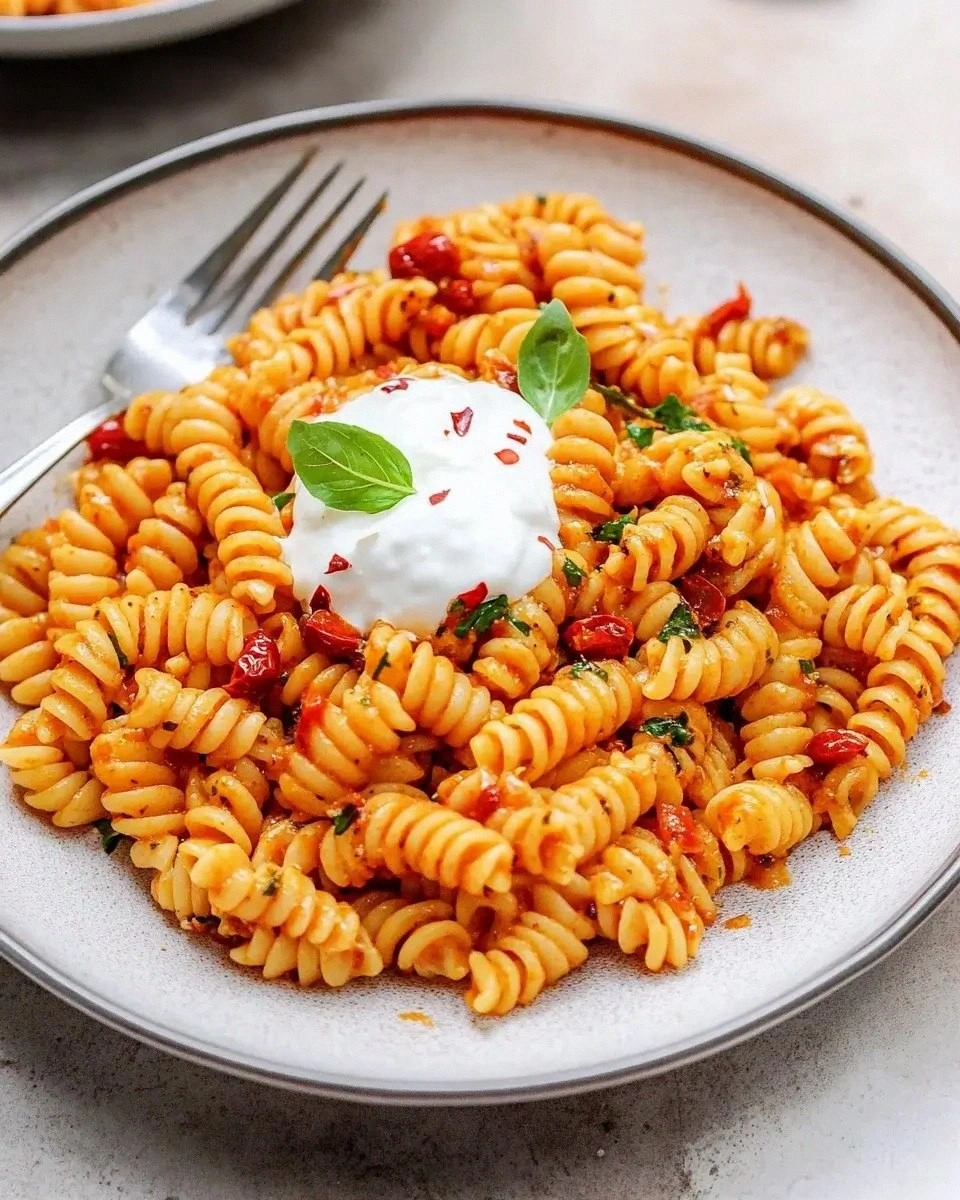
Picture this: it’s a rainy Tuesday night, the kind where the wind howls against the windows and your stomach starts growling louder than the thunder outside. I was halfway through a marathon of sitcom reruns when a sudden craving for something that could cut through the gloom hit me like a lightning bolt. I rummaged through the pantry, tossed a handful of ingredients into a pot, and—boom—ended up with a sauce that sang louder than the storm. I dare you to taste this and not go back for seconds, because once you’ve felt that perfect balance of heat and comfort, there’s no turning back.
The moment the garlic hit the olive oil, the kitchen filled with a perfume that could coax even the most stubborn neighbor out of their apartment for a bite. The sizzle was like a tiny applause, each bubble popping with a promise of flavor that would soon coat the pasta like velvet. As the Calabrian chili paste melted into the mix, a deep, smoky heat rose, making the air feel thick with anticipation. I’ll be honest — I ate half the batch before anyone else got to try it, and that’s saying something about how addictive this dish truly is.
Most recipes for spicy Italian pasta get this completely wrong: they either drown the pasta in a watery sauce or overload it with heat that numbs the palate. This version, however, respects each component, letting the chili’s fiery kiss dance with the aromatic garlic and oregano while the Parmesan adds a buttery finish that feels like a warm hug. The secret? A splash of the pasta cooking water at just the right moment, turning the sauce into a glossy, clingy coating that makes every strand glisten like freshly polished marble. I’m not exaggerating when I say this is hands down the best version you’ll ever make at home.
Okay, ready for the game-changer? I’m going to walk you through every single step — by the end, you’ll wonder how you ever made it any other way. Stay with me here — this is worth it. Picture yourself pulling this out of the pot, the whole kitchen smelling incredible, and the first bite delivering a perfect punch of heat that fades into a lingering, savory afterglow. Let’s get started.
What Makes This Version Stand Out
- Taste: The Calabrian chili paste provides a nuanced heat that’s smoky, fruity, and just the right amount of bite, never flat or one‑dimensional.
- Texture: The sauce clings to each noodle like a second skin, thanks to the starchy pasta water that creates a silky emulsion.
- Simplicity: Fewer than ten ingredients mean you spend less time shopping and more time savoring the final product.
- Uniqueness: Using authentic Calabrian paste gives the dish a regional authenticity that generic red pepper flakes simply can’t match.
- Crowd Reaction: This dish sparks conversation at the table; people either reach for more or beg for the secret ingredient.
- Ingredient Quality: High‑quality olive oil and fresh garlic elevate the flavor profile, turning humble pantry staples into gourmet gold.
- Cooking Method: The quick sauté‑then‑combine technique locks in aromatics while preserving the pasta’s al dente bite.
- Make‑Ahead Potential: The sauce actually improves after a short rest, making it perfect for prepping ahead of a dinner party.
Alright, let's break down exactly what goes into this masterpiece...
Inside the Ingredient List
The Flavor Base
Garlic is the aromatic backbone of this dish. Four cloves, minced just before cooking, release a sweet, caramelized note that softens the heat of the chili paste. If you skip the garlic, you’ll lose that comforting depth, and the sauce will feel one‑note. As a swap, you can use roasted garlic for a milder, sweeter profile, but fresh minced garlic is my go‑to for that punch.
Calabrian chili paste is the star. It’s a fermented blend of dried red chilies, olive oil, and sometimes tomatoes, delivering a smoky, fruity heat that’s unmistakably Southern Italian. Using a generic red pepper flake will give you heat but none of the complex flavor layers. Look for a paste that lists chilies as the first ingredient and is stored in a dark glass jar to preserve its vibrant taste.
The Texture Crew
Olive oil does more than prevent sticking; it acts as a flavor carrier, coating the garlic and chili paste to release their aromatics evenly. Two tablespoons of a robust, extra‑virgin oil are ideal. If you’re on a budget, a high‑quality pure olive oil works, but avoid blends with too much seed oil—they dilute the flavor.
The pasta itself—8 ounces of spaghetti or linguine—must be cooked al dente. This texture provides a slight chew that holds onto the sauce without becoming mushy. Overcooking will turn the noodles into a soggy blanket, stealing the sauce’s cling. For a gluten‑free twist, try brown rice linguine; it holds up well and adds a subtle nuttiness.
The Unexpected Star
The “1 can” in the list is a modest amount of crushed tomatoes, which adds body and a hint of acidity to balance the chili’s heat. If you prefer a richer sauce, use a can of whole peeled tomatoes and crush them by hand for a chunkier texture. Skipping the tomatoes altogether will result in a thinner, oil‑heavy sauce that doesn’t coat the pasta properly.
Dried oregano contributes an earthy, slightly bitter note that lifts the overall flavor. One teaspoon is enough; more would overwhelm the delicate chili. Fresh oregano can be used as a garnish, but the dried version integrates better during cooking.
The Final Flourish
Parmesan cheese, freshly grated, adds a salty, nutty finish that rounds out the heat and ties the sauce to the pasta. A quarter‑cup is enough to melt into the sauce without making it clumpy. If you’re lactose‑intolerant, try a dairy‑free Parmesan alternative, but the authentic flavor will be missed.
Fresh basil leaves for garnish provide a bright, herbal lift that cuts through the richness. Tear the leaves just before serving to release their essential oils; crushing them too early will cause bitterness. If basil isn’t on hand, flat‑leaf parsley works as a fresh, peppery substitute.
Everything's prepped? Good. Let's get into the real action...
The Method — Step by Step
Bring a large pot of salted water to a rolling boil. I like to use about 1 tablespoon of sea salt per quart of water; this seasons the pasta from the inside out. Once boiling, add the spaghetti or linguine and stir immediately to prevent sticking. Cook until al dente—usually 9‑10 minutes, but start checking at the 8‑minute mark. Remember, the pasta will continue cooking when you toss it with the sauce, so you want a firm bite.
While the pasta is cooking, heat two tablespoons of olive oil in a wide, heavy‑bottomed skillet over medium heat. As soon as the oil shimmers, add the minced garlic. That sizzle when it hits the pan? Absolute perfection. Stir constantly for about 30 seconds until the garlic turns a light golden, being careful not to let it brown too much, or it will turn bitter.
Now, the moment of truth: stir in one teaspoon of Calabrian chili paste. The aroma will instantly fill the kitchen with a smoky, peppery heat that makes your eyes water—in a good way. Cook the paste for another 45 seconds, letting the oil absorb the chilies’ flavor.
Watch Out: If the heat is too high, the paste can burn quickly, turning bitter. Keep the flame medium and stay close.Pour in the canned crushed tomatoes, followed by a generous pinch of dried oregano. Stir to combine, then let the sauce simmer gently for 5‑7 minutes. You’ll notice the sauce thickening and the flavors marrying together. If it looks too thick, splash in a splash of the pasta water you saved earlier; this will loosen it just enough to coat the noodles beautifully.
When the pasta is ready, reserve about one cup of the starchy cooking water, then drain the noodles. I always reserve the water before draining because that liquid is liquid gold for emulsifying sauces. Toss the hot pasta straight into the skillet with the sauce, turning it over so every strand gets a generous coating.
Now, the secret weapon: add a quarter‑cup of grated Parmesan and a splash (about ¼ cup) of the reserved pasta water. The cheese melts instantly, binding the sauce to the pasta, while the water creates a glossy sheen that looks restaurant‑ready. Keep the heat on low, and toss continuously for another minute to let the flavors meld.
Season with salt and freshly cracked black pepper to taste. Taste the pasta at this point; the heat should be present but not overwhelming, and the salt should balance the acidity of the tomatoes. If you need a touch more heat, add a pinch of extra chili paste, but be cautious—this sauce is already bold.
Finish with a handful of torn fresh basil leaves, giving the dish a burst of bright, herbaceous aroma. Toss once more, then remove from heat. Let the pasta rest for a minute; this short pause lets the sauce settle and cling even tighter.
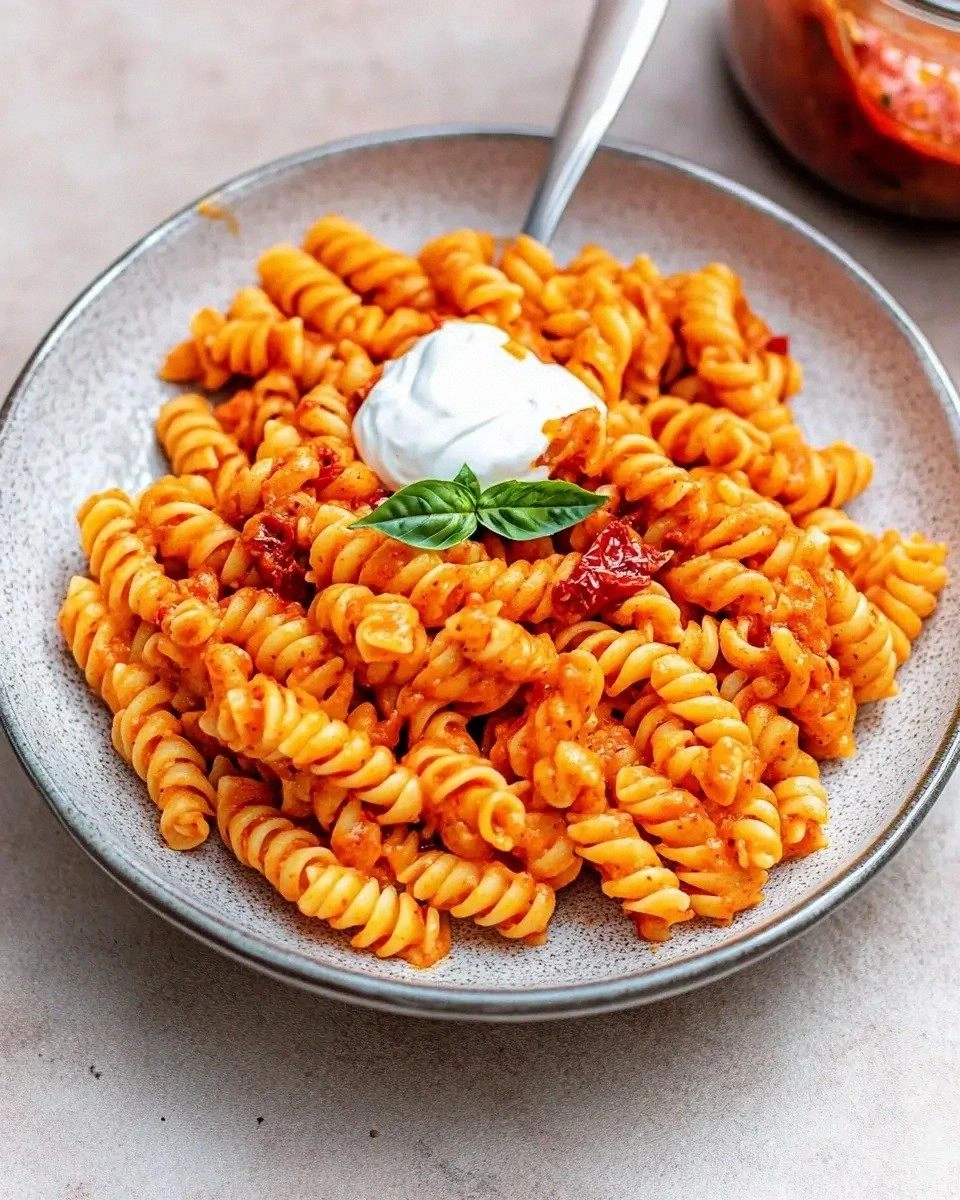
Plate the pasta in shallow bowls, ensuring each serving gets a generous swirl of sauce. Sprinkle a final dusting of Parmesan and a few extra basil leaves for visual appeal. Serve immediately while the steam still rises, and watch your guests dive in with gusto.
That’s it — you did it. But hold on, I've got a few more tricks that'll take this to another level…
Insider Tricks for Flawless Results
The Temperature Rule Nobody Follows
Keep the skillet on medium‑low once the sauce is combined with the pasta. High heat can cause the sauce to separate, leaving oil floating on top. By maintaining a gentle simmer, you allow the starches to bind the sauce, creating that coveted silkiness. A friend once cranked the heat to high, and the sauce split—let's just say the plate looked like a crime scene.
Why Your Nose Knows Best
Never rely solely on timers; use your senses. When the garlic turns a light gold and the chili paste releases its smoky perfume, you know it’s time to add the tomatoes. The moment the sauce starts to bubble gently and the edges pull away from the pan, you’ve reached the perfect reduction. Trusting your nose saves you from a bland or overcooked sauce.
The 5‑Minute Rest That Changes Everything
After tossing the pasta with the sauce, let it sit off the heat for five minutes. This rest allows the starches to fully absorb the flavors, turning a good dish into a great one. I’ve seen people serve immediately and miss out on that depth of flavor that only a short rest can deliver.
Salt Timing Trick
Add a pinch of salt to the boiling water, not just the sauce. This seasons the pasta from the inside, ensuring each bite is uniformly flavored. If you wait until after draining, the pasta surface will be bland, and the sauce will have to work harder to compensate.
Parmesan Integration Method
Never toss the cheese in at the very end; it needs a moment of heat to melt and blend. Adding it while the sauce is still slightly simmering ensures it emulsifies, creating a creamy texture without clumping. If you add it too early, it can become grainy; too late, and you lose that silky mouthfeel.
Creative Twists and Variations
This recipe is a playground. Here are some of my favorite ways to switch things up:
Seafood Splash
Swap half of the pasta for a cup of sautéed shrimp or calamari. The briny sea flavors complement the chili’s heat, creating a surf‑and‑turf experience that’s perfect for special occasions. Add a splash of white wine after the garlic for an extra layer of depth.
Smoky Bacon Boost
Render four strips of pancetta or thick‑cut bacon until crisp, then crumble over the finished dish. The smoky, salty crunch adds texture and balances the spice, turning the meal into a hearty comfort food. Just be mindful of the extra salt.
Veggie Power
Stir in a cup of roasted bell peppers, zucchini, or eggplant after the tomatoes have simmered. These vegetables absorb the sauce’s flavor while contributing their own sweet or earthy notes. This version is great for a lighter, vegetarian-friendly dinner.
Herbaceous Overload
Swap basil for a mix of fresh mint and parsley for a bright, unexpected finish. The mint adds a cooling contrast to the heat, while parsley contributes a peppery freshness. Garnish with a drizzle of lemon zest for a zingy lift.
Cheese Lover’s Dream
Replace the Parmesan with a blend of Pecorino Romano and aged Asiago for a sharper, more complex cheese profile. The extra umami pairs beautifully with the chili’s fruitiness, making each bite a flavor explosion.
Spicy Sweet Fusion
Add a tablespoon of honey or a splash of balsamic glaze at the end of cooking. The sweet note tempers the heat, creating a balanced sweet‑heat harmony that’s surprisingly addictive. This variation is perfect for those who love a hint of sweetness in their savory dishes.
Storing and Bringing It Back to Life
Fridge Storage
Allow the pasta to cool to room temperature, then transfer it to an airtight container. It will keep nicely for up to three days. When reheating, add a tablespoon of water or broth and gently warm on the stovetop, stirring frequently to restore the sauce’s silkiness.
Freezer Friendly
If you want to make a batch ahead of time, freeze the sauce separate from the pasta. Portion the sauce into freezer‑safe bags, label, and store for up to two months. Thaw overnight in the fridge, then reheat with a splash of water; the pasta can be cooked fresh and tossed with the revived sauce.
Best Reheating Method
The key to reheating without losing texture is gentle heat and moisture. Place the leftover pasta in a skillet over low heat, add a splash of water, and cover for two minutes. The steam will bring the sauce back to its original glossy sheen, and the noodles will stay tender.