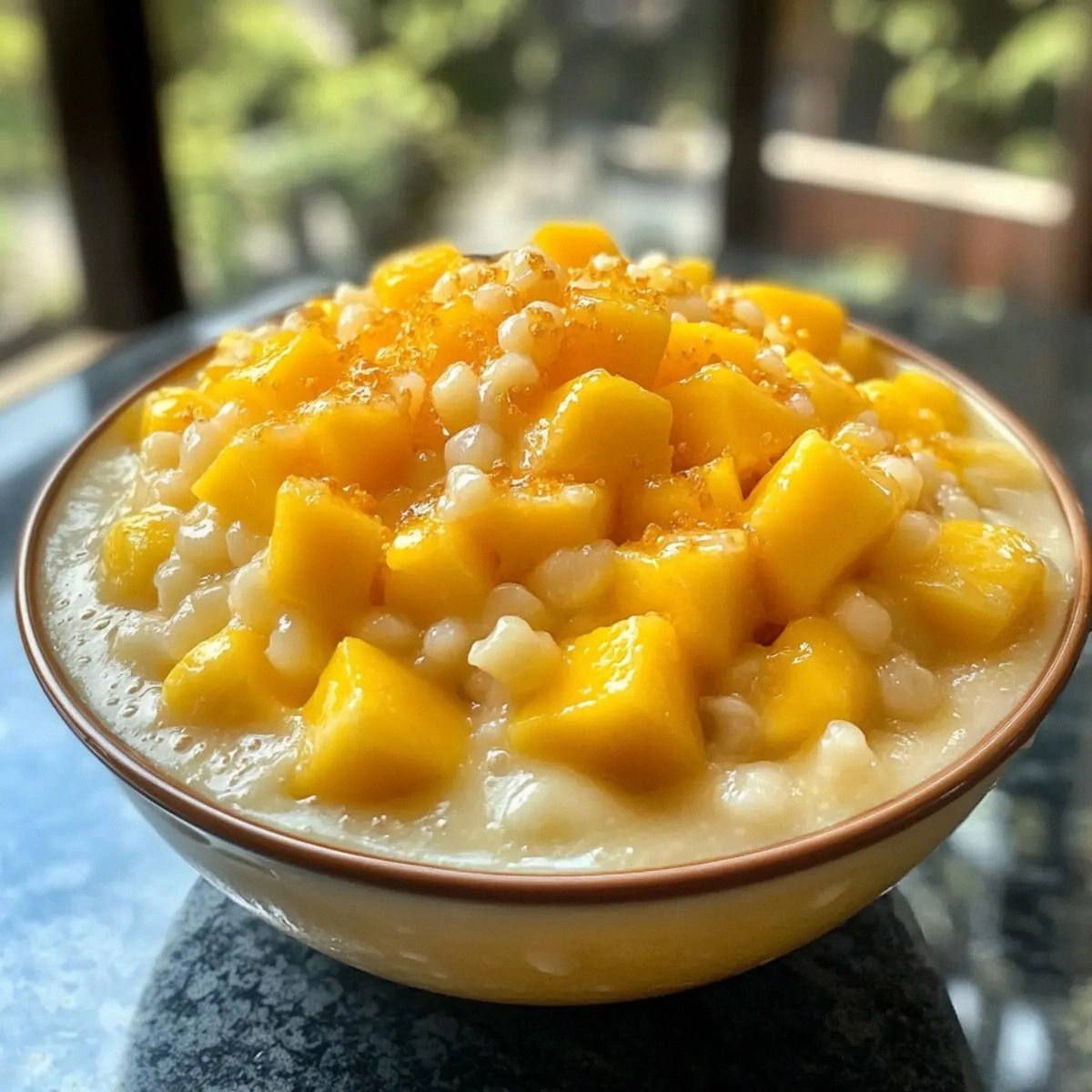
I was standing in my kitchen, staring at a half‑melted mango that had somehow decided to turn into a mushy puddle, when my roommate dared me to create a dessert that could actually make us forget the heat of that summer afternoon. The challenge felt like a dare from a culinary gladiator: “Make something that tastes like a tropical vacation, but in under thirty minutes.” I grabbed the nearest pantry staples, poured a glass of iced water, and set the timer. The result? A bowl of mango sago that sings with every spoonful, a dish that makes the ordinary feel extraordinary. This isn’t just a recipe; it’s a rescue mission for your taste buds and a celebration of mango‑loving nostalgia.
Picture the scene: the kitchen filled with the sweet perfume of ripe mangoes, the gentle clink of tiny tapioca pearls as they hit the boiling water, and the soft hum of the fridge door opening for that creamy coconut milk. You can almost feel the coolness of the coconut jelly against your palm, hear the faint fizz of mango jelly as it slides onto the spoon, and taste the silky blend of evaporated and condensed milk that ties everything together like a silk scarf. The texture is a delightful orchestra—chewy sago, smooth milk, and a burst of jelly that pops like fireworks in your mouth. Every bite is a reminder that dessert doesn’t have to be complicated to be unforgettable.
Most mango sago recipes I’ve tried either leave the sago under‑cooked, resulting in a gummy mess, or drown the fruit in an ocean of milk that masks its bright flavor. I’ve seen people scramble to add sugar at the last minute, only to end up with a cloying syrup that overpowers the mango’s natural sweetness. This version, however, respects each ingredient’s personality. The sago is cooked to a perfect translucence, the mango remains the star, and the milk mixture is balanced just enough to enhance, not overwhelm. I dare you to taste this and not go back for seconds; it’s hands down the best version you’ll ever make at home.
Okay, ready for the game‑changer? I’m about to reveal a tiny secret that most cooks overlook: a splash of chilled water added to the cooked sago right before draining. This step stops the pearls from sticking together and keeps them plump, like tiny pearls of sunshine. Trust me, this little hack elevates the entire dish from “good” to “wow, I could eat this every day.” Let me walk you through every single step — by the end, you’ll wonder how you ever made it any other way.
What Makes This Version Stand Out
- Taste: The natural sweetness of mango is amplified by a whisper of condensed milk, creating a flavor profile that feels both familiar and exotic.
- Texture: Chewy sago meets silky coconut milk and crisp jelly cubes, delivering a multi‑dimensional mouthfeel that keeps you intrigued.
- Simplicity: Fewer than ten ingredients and a single pot mean you can whip this up while the kids are still playing outside.
- Uniqueness: The combination of coconut and mango jelly adds a surprise pop that most traditional recipes miss.
- Crowd Reaction: This dessert consistently earns “wow” comments at potlucks, making you the unofficial dessert hero of any gathering.
- Ingredient Quality: Using ripe, fragrant mangoes and fresh coconut milk ensures every spoonful bursts with authentic tropical goodness.
- Cooking Method: A quick boil followed by an ice‑water shock locks in the perfect sago texture without any mushy aftertaste.
- Make‑Ahead Potential: Assemble the base a day ahead, keep it chilled, and add fresh mango just before serving for ultimate convenience.
Inside the Ingredient List
The Flavor Base
The heart of this dessert is the coconut‑infused milky broth. Coconut milk provides a buttery richness that pairs perfectly with mango’s bright acidity, while evaporated milk adds a velvety depth without turning the mixture too heavy. Condensed milk is the secret sweetener; it brings caramel‑like notes that make the dish feel indulgent without needing extra sugar. Skipping any of these will either dull the flavor or make the texture feel flat. If you’re dairy‑free, swap evaporated milk with a thick coconut cream and use agave syrup in place of condensed milk.
The Texture Crew
Sago pearls are the tiny heroes that give this dessert its signature chew. Cook them just until they turn translucent—overcooking turns them mushy, undercooking leaves a chalky bite. Coconut jelly and mango jelly are the surprise elements that add a burst of firmness and a playful wobble. The jelly cubes absorb a hint of the milky broth, creating a delightful contrast to the soft sago. If you can’t find mango jelly, you can blend fresh mango with a bit of agar‑agar to set your own cubes.
The Unexpected Star
Fresh mango pieces are the spotlight performers. Choose mangoes that yield slightly to pressure and emit a sweet, fragrant aroma—these are at peak ripeness. The fruit’s natural sugars mean you won’t need extra sweeteners, and its bright orange hue adds visual appeal that makes the dish Instagram‑ready. If you’re out of mangoes, ripe papaya or peach can stand in, though the flavor profile will shift toward a different tropical note.
The Final Flourish
A final drizzle of condensed milk right before serving creates a glossy finish that looks as good as it tastes. A sprinkle of toasted coconut flakes adds a subtle crunch and an aromatic finish that reminds you of a beachside snack. This garnish is optional but highly recommended for that extra layer of texture. If you’re watching calories, you can skip the toasted coconut and still enjoy a perfect dessert.
Everything's prepped? Good. Let's get into the real action...
The Method — Step by Step
-
Start by bringing a large pot of water to a rolling boil. Once bubbling, add the sago pearls, stirring gently to prevent them from sticking to the bottom. Cook for about 8‑10 minutes, or until the pearls turn mostly translucent with just a tiny white core. This is the moment of truth—if the sago is undercooked, you’ll notice a chalky bite later, and if overcooked, it becomes a gummy mess.
Watch Out: Do not cover the pot while cooking; steam will cause the pearls to clump together. -
When the sago reaches the right translucence, immediately drain it into a colander and rinse under cold running water for 30 seconds. This ice‑water shock stops the cooking process and firms up the pearls, giving them that perfect bite. Transfer the drained sago into a bowl, drizzle a teaspoon of coconut oil, and give it a quick toss to keep the pearls separate. Okay, ready for the game‑changer? This tiny oil addition adds a subtle sheen that makes each pearl look like a polished gem.
-
While the sago cools, combine coconut milk, evaporated milk, and condensed milk in a separate saucepan. Heat over medium‑low, stirring constantly until the mixture is just warm and begins to steam—do not let it boil, or you’ll risk a skin forming on top. The aroma at this stage should be buttery and sweet, like a tropical breeze on a warm day. Once it’s warm, remove from heat and let it sit for a minute to meld the flavors.
Kitchen Hack: Add a pinch of sea salt to the milk mixture; it brightens the sweetness and balances the overall flavor. -
Slice the mangoes into bite‑size cubes, keeping the skin on for extra color if you like. Toss the mango cubes with a splash of the warm milk mixture to coat them lightly—this prevents the mango from sinking to the bottom and ensures every spoonful gets fruit. The mango should feel slightly softened but still retain its firm bite, a perfect contrast to the soft sago.
-
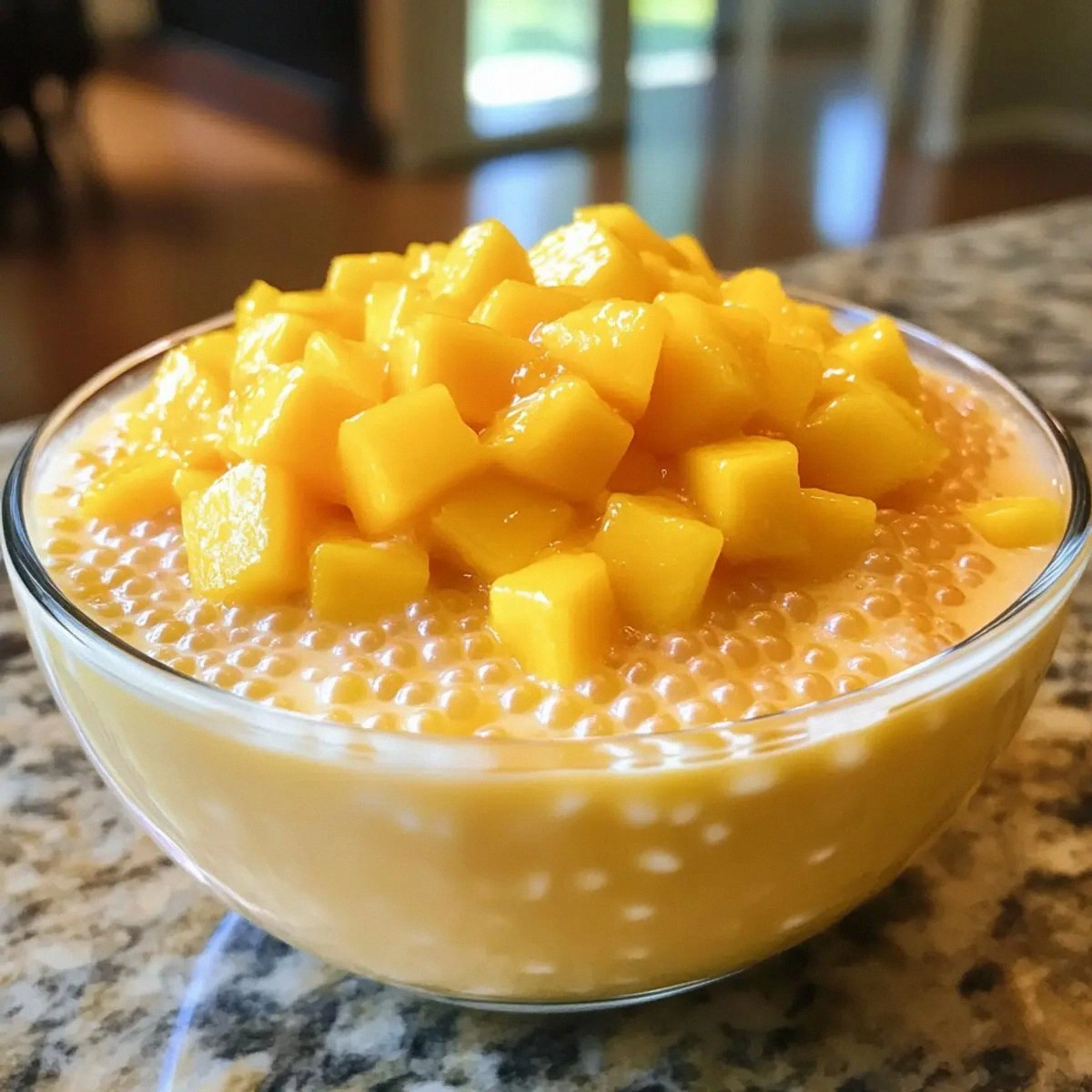
In a large serving bowl, layer the cooked sago at the bottom, followed by the mango cubes, coconut jelly, and mango jelly. The jelly cubes should be evenly distributed so that each bite offers a surprise pop of flavor. Then, pour the remaining milk mixture over the top, allowing it to seep through the layers and bind everything together. The liquid should coat the sago like velvet, creating a glossy surface that looks as inviting as it tastes.
-
Cover the bowl with plastic wrap and refrigerate for at least 15 minutes. This chilling period lets the flavors meld, the sago absorb a touch of the milk, and the jelly firm up a bit more. While you wait, you can set the table, pour yourself a cold drink, and watch the clock tick—this is where anticipation builds, and trust me, it’s worth it.
-
Just before serving, give the dessert a gentle stir to redistribute any settled milk, then drizzle a thin stream of condensed milk over the surface for a glossy finish. Sprinkle toasted coconut flakes or a few extra mango cubes on top for that final visual pop. The dessert should look like a tropical lagoon—clear, inviting, and speckled with colorful islands.
Watch Out: Avoid over‑drizzling condensed milk; too much will overwhelm the delicate balance of flavors. -
Serve chilled, either in individual glasses or communal bowls. Each spoonful should deliver a harmonious blend of chewy sago, juicy mango, silky milk, and the occasional snap of jelly. This is the part where you’ll hear the “mmm” chorus from everyone at the table. And now the fun part—watch as your guests go back for seconds, then thirds, and maybe even a fourth round.
That's it — you did it. But hold on, I've got a few more tricks that'll take this to another level...
Insider Tricks for Flawless Results
The Temperature Rule Nobody Follows
Never add the hot milk mixture directly onto cold sago; the temperature shock can cause the sago to seize and become gummy. Instead, let the milk warm to just below steaming—around 80°C (176°F)—before mixing. This gentle warmth ensures the pearls stay plump and the milk integrates smoothly. A friend once tried adding boiling milk and ended up with a clumpy mess; lesson learned, keep it warm, not raging.
Why Your Nose Knows Best
When the milk mixture starts to emit a sweet, coconut‑laden aroma, you’re at the perfect point to remove it from heat. Your nose can detect the subtle shift from raw to cooked better than a timer. Trust that sensory cue; it prevents over‑cooking and preserves the delicate balance of flavors. If you miss it, the milk can develop a slightly burnt note that masks the mango’s brightness.
The 5‑Minute Rest That Changes Everything
After assembling the dessert, give it a brief 5‑minute rest uncovered before sealing it in the fridge. This short pause allows the sago to absorb a bit more milk, resulting in a creamier texture. It also lets the jelly settle, preventing it from floating to the surface. I used to skip this step and ended up with a watery top layer—now I never miss it.
The Jelly Swap Secret
If you’re out of mango jelly, replace it with a thin layer of fresh mango puree frozen into small cubes. The burst of fresh mango when you bite into the cube adds an extra layer of freshness that elevates the dish. Just blend mango, a teaspoon of sugar, and a splash of lime, then freeze in an ice‑cube tray. This hack turns a simple substitution into a flavor upgrade.
The Final Drizzle Technique
When adding the final drizzle of condensed milk, use a small spoon and move in a circular motion from the center outward. This creates a marbled effect that looks professional and ensures each bite gets a hint of caramel sweetness. If you pour it all in one spot, the flavor becomes uneven, and the visual appeal suffers.
Creative Twists and Variations
This recipe is a playground. Here are some of my favorite ways to switch things up:
Tropical Coconut Burst
Swap the mango jelly for pineapple jelly and add a handful of toasted coconut flakes throughout the bowl. The tangy pineapple cuts through the richness, creating a brighter palate. Ideal for those who love a sharper tropical punch.
Berry‑Mango Fusion
Add a layer of fresh strawberries and blueberries between the sago and mango. The berries introduce a subtle tartness that balances the sweet milk. This variation is perfect for summer picnics where berries are at their peak.
Matcha Green Delight
Incorporate a teaspoon of matcha powder into the milk mixture for an earthy, slightly bitter contrast. The green hue also makes the dish visually striking. Pair it with a drizzle of honey instead of condensed milk for a sophisticated twist.
Spiced Autumn Version
Add a pinch of ground cinnamon and a dash of nutmeg to the milk base, then swap mango for ripe apricots. This gives the dessert a warm, comforting vibe that’s perfect for cooler evenings.
Vegan Coconut Dream
Replace evaporated milk with full‑fat coconut cream, and use agave syrup in place of condensed milk. Ensure the sago is cooked in filtered water to keep it pure. The result is a dairy‑free version that still feels luxuriously creamy.
Storing and Bringing It Back to Life
Fridge Storage
Transfer any leftovers to an airtight container and store in the refrigerator for up to 2 days. The sago will absorb a bit more liquid over time, so before serving, give it a quick stir and add a splash of coconut milk to revive the creaminess.
Freezer Friendly
If you need to keep it longer, freeze the dessert in individual portions. Place the containers in the freezer for up to one month. When ready to eat, thaw in the fridge overnight, then stir in a tablespoon of chilled coconut milk to bring back that silky texture.
Best Reheating Method
Reheat gently in a saucepan over low heat, adding a tiny splash of water or extra coconut milk to prevent drying. Stir constantly until the mixture is just warmed through—avoid boiling, as this will cause the sago to become gummy again. This quick revive trick restores the dessert to its original luscious state.