I still remember the night I tried to recreate that cookie my friend bragged about, only to end up with a batch that looked more like a doughy, soggy mess than a sweet treat. The kitchen smelled of melted butter, but the cookies were flat, greasy, and utterly unappetizing. I stared at the oven, wondering if I was destined to forever miss the crunch and the perfect bite. That moment sparked a mission: to engineer a low‑carb cookie that not only survived the oven but celebrated the pecan and cream cheese combination with a buttery, caramelized finish.
Fast forward to today, and I’m standing in my kitchen with a fresh batch of dough that smells like toasted nuts and sweetened cream, the air thick with anticipation. The dough feels silky, yet firm enough to hold its shape when scooped onto the baking sheet. I can hear the faint hiss of butter melting, a sound that signals the start of a transformation. If you’ve ever wrestled with low‑carb cookies that come out dense or crumbly, you’ll recognize the relief that washes over you when the dough feels just right.
What makes this version stand out isn’t just the ingredients, but the way they’re orchestrated. The cream cheese brings a rich, tangy depth that balances the sweetness of monk fruit; the pecans add a satisfying crunch that refuses to become mushy. The almond flour provides a delicate crumb while keeping the carb count low, and the blend of two monk fruit sweeteners ensures a caramelized finish without a sugar spike. I dare you to taste this and not go back for seconds, because once you’re done, you’ll never settle for anything less.
Let me walk you through every single step — by the end, you’ll wonder how you ever made low‑carb cookies any other way. The technique is simple, the ingredients are straightforward, and the result is a cookie that feels indulgent while staying within your dietary goals. If you’ve ever struggled with low‑carb baking, you’re not alone — and I’ve got the fix. Picture yourself pulling these golden‑brown beauties out of the oven, the whole kitchen smelling incredible, and knowing you just crafted a masterpiece that will have friends begging for a piece.
What Makes This Version Stand Out
- Taste: The combination of cream cheese and monk fruit creates a subtle tang that elevates the sweetness, offering a flavor profile that feels both familiar and novel. The pecans caramelize to a buttery crunch that complements the dough’s soft interior.
- Texture: The almond flour keeps the cookie tender yet chewy, while the pecan halves provide a satisfying bite that doesn’t turn soggy. The result is a cookie that holds its shape and releases a pleasant snap when bitten.
- Low‑Carb Integrity: By replacing refined sugar with monk fruit and using almond flour, the carb count drops dramatically while retaining a sweet, satisfying bite. This version proves you don’t need sugar to feel indulgent.
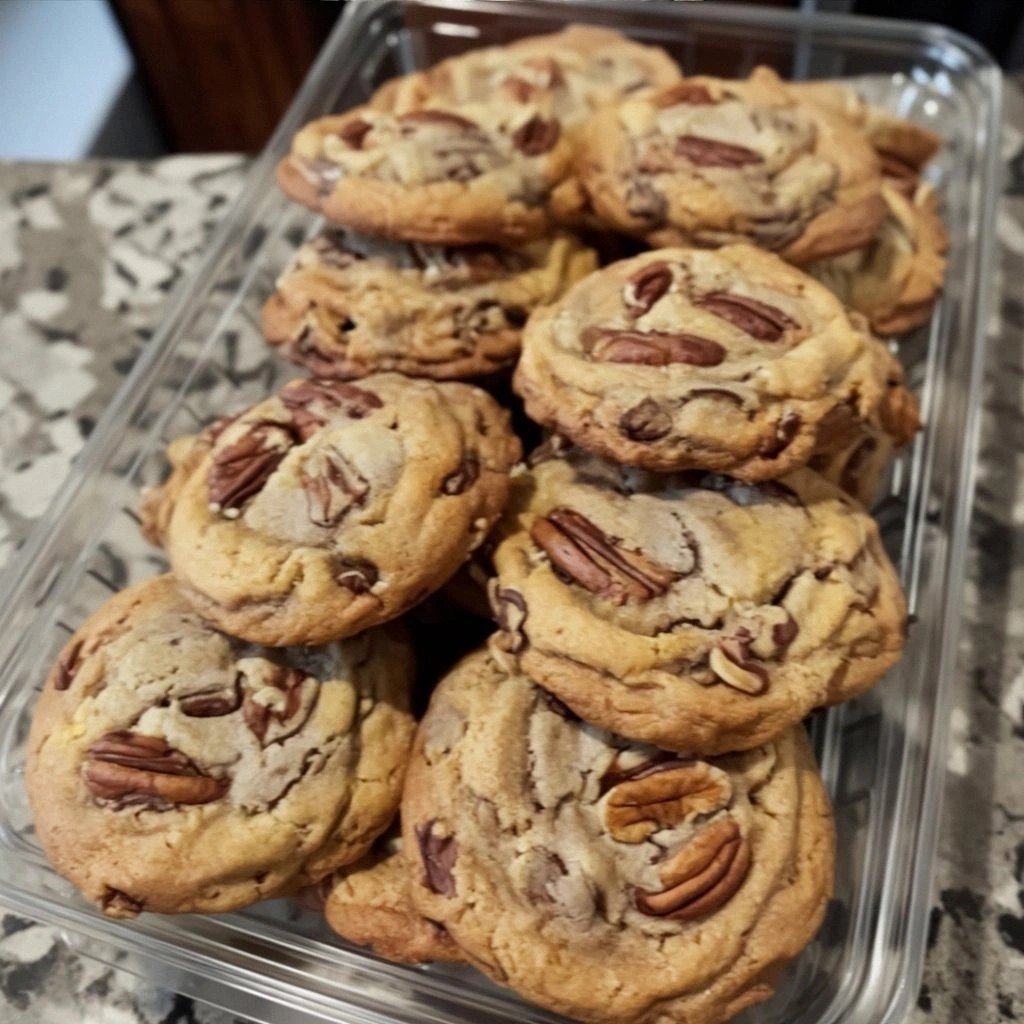
- Visual Appeal: The golden crust and speckled pecan halves give the cookies a rustic, artisanal look that makes them Instagram‑ready. The contrast between the dark pecan and light dough is a feast for the eyes.
- Simplicity: No fancy equipment or obscure ingredients—just pantry staples that you likely already have. The recipe steps are straightforward, making it accessible for beginners and seasoned bakers alike.
- Make‑Ahead Friendly: Once baked, these cookies keep their freshness for up to a week in an airtight container, and they reheat nicely in the oven or microwave.
- Audience Response: Friends and family who love pecan cookies rave about the buttery flavor and low carb profile. The cookie’s texture and flavor have become a conversation starter at gatherings.
- Ingredient Quality: Using high‑quality cream cheese and fresh pecans ensures the best flavor. The almond flour should be blanched for a finer texture, and the monk fruit sweeteners should be pure for the cleanest taste.
Inside the Ingredient List
The Flavor Base
Cream cheese is the backbone of this cookie, providing a velvety tang that balances the sweetness of monk fruit. It also adds moisture and richness, preventing the dough from drying out during baking. If you’re allergic to dairy, a vegan cream cheese can be a suitable swap, though the flavor profile will shift slightly toward a more neutral taste. Choosing a full‑fat version ensures the cookies stay moist and chewy.
The Texture Crew
Blanched almond flour is the star that gives the cookie its tender crumb. The blanching process removes skins, resulting in a smoother texture that doesn’t clump. If you can’t find blanched almond flour, you can grind blanched almonds in a high‑speed blender, but be careful not to over‑process into almond butter. The combination of almond flour with a touch of baking powder and soda gives the cookie just enough lift while maintaining density.
The Unexpected Star
Monk fruit sweetener, both granulated and golden/brown, is the secret to a caramelized finish without a sugar spike. The golden variety has a slightly deeper flavor, mimicking the caramel tones you’d get from brown sugar. If you’re not a fan of monk fruit’s subtle licorice undertones, you can experiment with erythritol or stevia blends, but expect a different sweet profile. The key is to use equal amounts of both to balance sweetness and texture.
The Final Flourish
Pecans are the crowning glory, adding crunch, nutty richness, and a buttery aroma that lingers long after the cookie has cooled. The recipe calls for both chopped pecans and pecan halves to create a layered texture. If you prefer walnuts or almonds, the flavor will shift but the structure will remain. The pecans should be toasted lightly before adding to the dough for an extra layer of flavor.
Everything's prepped? Good. Let's get into the real action and turn these ingredients into a cookie that will make your taste buds dance.
The Method — Step by Step
- Preheat your oven to 350°F (175°C). Line a baking sheet with parchment paper or a silicone mat. This step might seem trivial, but a properly lined sheet prevents sticking and ensures even baking.
- In a small saucepan, melt the unsalted butter over medium heat. Once melted, whisk in the cream cheese until the mixture is smooth and glossy. The butter’s butterfat coats the cream cheese, creating a silky base that will carry the flavors of the rest of the dough.
- Add the granulated monk fruit and golden/brown monk fruit sweetener to the butter‑cream cheese mixture, stirring until fully dissolved. The sweeteners should melt into the butter, forming a caramel‑like syrup that will give the cookies their signature finish.
- Beat in the egg and vanilla extract until the mixture is thick and uniform. The egg acts as a binder, holding the dough together, while vanilla adds depth and aroma. Be sure not to overmix; a gentle fold keeps the dough light.
- Whisk together almond flour, baking powder, baking soda, salt, and cinnamon in a separate bowl. This dry mix ensures even distribution of leavening agents and spices. The cinnamon adds warmth that complements the pecans.
- Gradually fold the dry mixture into the wet batter, mixing until just combined. The dough should be thick and slightly sticky but not runny. If it feels too dry, add an extra tablespoon of almond flour; if it’s too wet, add a splash of almond milk.
- Fold in the chopped pecans and pecan halves, distributing them evenly throughout the dough. The pecans add crunch, but be careful not to crush them; you want a mix of whole and half pieces.
- Scoop tablespoon‑sized balls of dough onto the prepared baking sheet, spacing them about 2 inches apart. Flatten each ball slightly with the palm of your hand to create a uniform shape.
- Bake for 12–15 minutes, or until the edges are golden brown and the tops are set. The cookies will look slightly undercooked on the inside but will firm up as they cool. This is the moment of truth; the aroma will fill your kitchen with buttery, nutty sweetness.
- Let the cookies cool on the sheet for 5 minutes before transferring them to a wire rack to cool completely. Cooling on the sheet preserves the crisp edges while the interior sets perfectly. The result? A cookie that’s tender inside and crisp on the outside.
That’s it — you did it. But hold on, I've got a few more tricks that'll take this to another level, from perfect spacing to the ideal bake time that ensures a crisp crust without a dry center.
Insider Tricks for Flawless Results
The Temperature Rule Nobody Follows
Most bakers bake low‑carb cookies at 375°F, but this recipe thrives at 350°F. The lower temperature allows the sugar to caramelize slowly, giving the cookies a deeper flavor and preventing the edges from burning. If you’re in a hurry, you can bump the temperature to 375°F, but expect a slightly softer cookie.
Why Your Nose Knows Best
Before you even touch the dough, trust the scent. A sweet, buttery aroma signals that the butter and cream cheese are properly blended. If the dough smells bland or overly sweet, you’re probably under‑seasoning or missing the caramelization step. Your nose is a reliable indicator of progress.
The 5‑Minute Rest That Changes Everything
After mixing the dough, let it rest for 5 minutes before scooping. This short pause allows the almond flour to hydrate fully, resulting in a more cohesive dough. The rest also helps the butter to re‑soften slightly, making scooping easier and preventing the dough from sticking to your hands.
The Perfect Pecan Placement
Place pecan halves on top of each cookie before baking. This not only adds a visual appeal but also creates a crispy, caramelized surface as the pecans toast. If you prefer a more uniform nut distribution, mix the halves into the dough, but you’ll lose that distinct caramelized top.
The Chill Trick
Refrigerate the dough for 20–30 minutes before baking. Chilling firms the dough, making it easier to handle and preventing the cookies from spreading too much. The cold dough also ensures a thicker, more substantial bite.
Creative Twists and Variations
Cinnamon Swirl Delight
Add an extra teaspoon of ground cinnamon to the dry mix and swirl it into the dough with a fork before baking. The extra cinnamon enhances the warm, spicy undertone, turning the cookie into a cinnamon‑infused pecan treat that’s perfect for fall gatherings.
Chocolate Chip Surprise
Fold in ½ cup of sugar‑free dark chocolate chips. The chocolate offers a rich contrast to the nutty base, creating a decadent bite that satisfies chocolate cravings without the carb overload.
Almond Butter Twist
Replace half of the almond flour with almond butter for a richer, buttery flavor. The almond butter adds moisture and a deep nutty aroma, giving the cookie a luxurious texture that’s both chewy and slightly crisp.
Pecan Praline Variation
Toast the pecan halves in a dry skillet until golden before adding them to the dough. The extra toasting deepens the nutty flavor and provides a caramelized crunch that mimics a praline.
Salted Caramel Finish
Drizzle a thin layer of sugar‑free salted caramel sauce over each cookie before baking. The caramel will bubble and set, creating a glossy, slightly salty finish that balances the sweetness of the monk fruit.
Vegan Edition
Swap the cream cheese for a plant‑based alternative and use a flax egg (1 tablespoon ground flaxseed + 3 tablespoons water) instead of a large egg. The result is a vegan cookie that still delivers on texture and flavor, proving that low‑carb baking can be inclusive.
Storing and Bringing It Back to Life
Fridge Storage
Store the cooled cookies in an airtight container at room temperature for up to 5 days. For extended freshness, keep them in the refrigerator; the cool environment prevents mold and keeps the cookies firm.
Freezer Friendly
Place the cookies on a parchment‑lined tray and freeze until solid. Transfer them to a freezer bag or container, labeling with the date. They’ll stay fresh for up to 3 months when properly sealed.
Best Reheating Method
To revive the cookies, preheat your oven to 300°F (150°C) and bake for 5–7 minutes. The heat restores crispness without over‑baking. A quick microwave burst of 10–15 seconds can also soften the interior, but be cautious not to overheat.