I remember the night I tried to make a quick dinner and ended up with a kitchen that looked like a war zone—charred meat, burnt onions, and a smoke alarm that wouldn’t stop chirping. The moment the smoke alarm finally went silent, I was staring at the pile of vegetables I’d forgotten to rinse, the ground beef that had browned unevenly, and the half‑finished sauce that tasted like it had been left on the stove too long. That disaster sparked a relentless quest: I needed a one‑skillet, no‑fuss, flavor‑packed dish that could turn a chaotic evening into a triumph. The answer came in the form of a humble, yet legendary, Egg Roll in a Bowl that I discovered while scrolling through a keto forum.
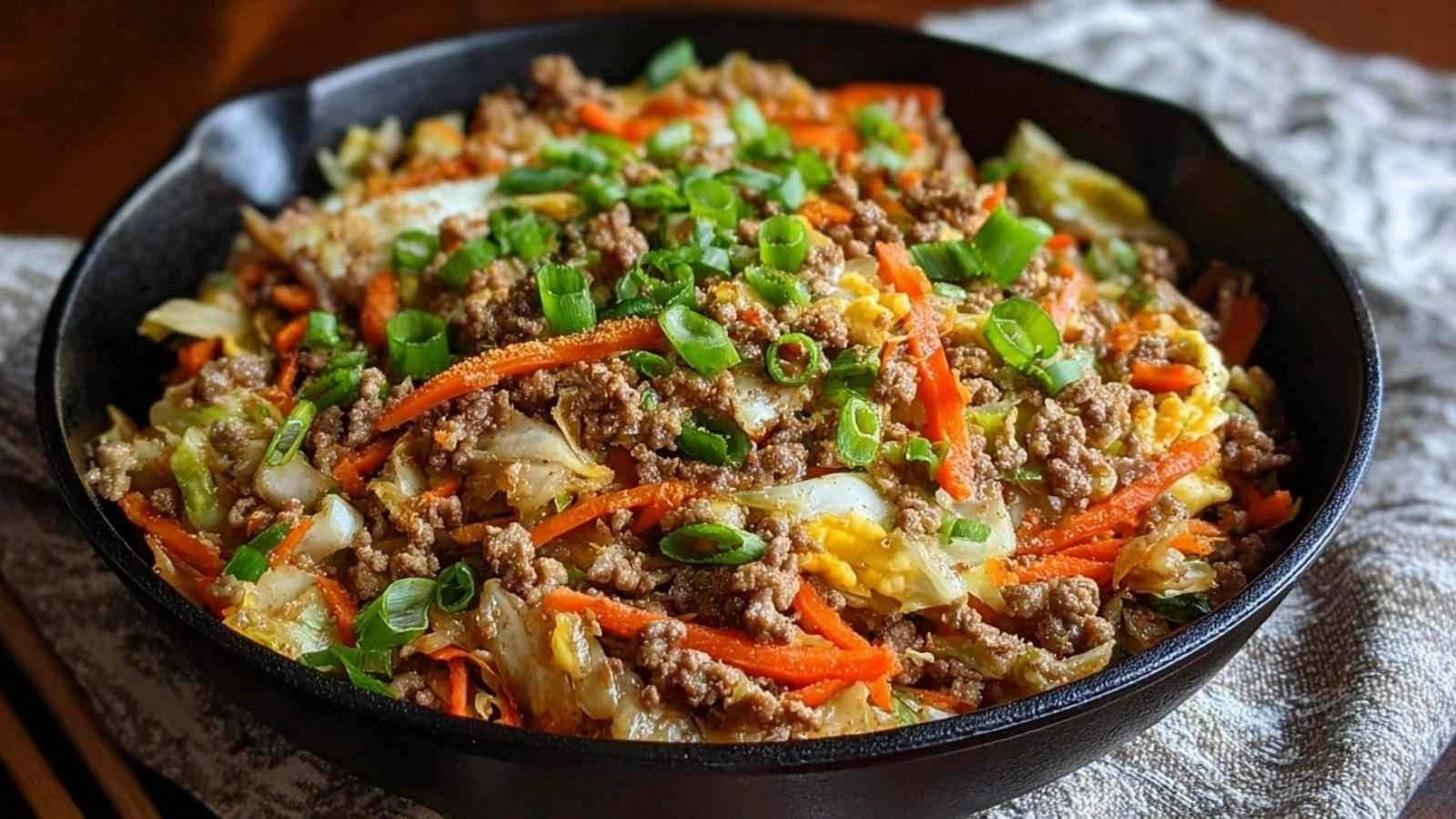
Picture this: the pan is hot, the ground meat sizzles with a crackle that sounds like a tiny drumbeat, the aroma of garlic and ginger wafts up like a fragrant promise. You can hear the cabbage snap as it meets the heat, the carrots release a sweet perfume that mingles with the umami of soy sauce, and the green onions add a bright, citrusy pop. When the first spoonful hits your tongue, the textures dance—crisp greens, tender meat, and a silky sauce that coats each bite like velvet. The heat from the skillet feels like a comforting hug, and the sizzling rhythm keeps you engaged, turning the cooking process into a sensory performance.
What makes this version stand out? It’s not just the combination of flavors; it’s the way each element is elevated. I’ve stripped away the unnecessary, keeping only what truly matters: a protein base that’s juicy, vegetables that retain crunch, and a sauce that glazes without clinging. This isn’t the run‑of‑the‑mill egg roll in a bowl you’ll find on a grocery list. I’ve refined the technique to ensure the meat is perfectly browned, the veggies are crisp‑tender, and the sauce is a harmonious blend of sweet, salty, and spicy. The result is a dish that’s both comforting and exhilarating, a single‑skillet masterpiece that feels like a gourmet experience.
And here’s the kicker: I’ve discovered a secret ingredient that most recipes overlook—fresh ginger. When added at the right moment, it cuts through the richness of the meat, adds a subtle heat, and gives the dish a fresh, bright edge. I dare you to taste this and not go back for seconds. Let me walk you through every single step—by the end, you’ll wonder how you ever made it any other way.
What Makes This Version Stand Out
- Taste: The sauce balances soy, sesame oil, and a whisper of ginger to create a complex, layered flavor that lingers on the palate. Each bite delivers a punch of umami that feels both satisfying and refined.
- Texture: The ground meat stays tender and juicy while the cabbage and carrots maintain a satisfying crunch. The sauce glazes without making the veggies soggy.
- Simplicity: One skillet, one pan, no prep dishes—clean up is as easy as the cooking time. You can make this in 30 minutes, even on a busy weekday.
- Uniqueness: The addition of fresh ginger and a touch of red pepper flakes gives the dish a subtle kick that sets it apart from standard egg roll recipes.
- Crowd Reaction: Friends and family rave about how this dish feels like a takeout meal but with a healthy, homemade twist. The dish is a hit at potlucks and family dinners alike.
- Ingredient Quality: Using high‑quality ground meat and fresh vegetables ensures every bite is packed with flavor. The simplicity of the ingredients means you can source them from any grocery store.
- Cooking Method: The skillet technique locks in juices and creates a caramelized crust on the meat, giving the dish a restaurant‑grade finish.
- Make‑ahead Potential: This dish stores beautifully; the flavors actually deepen overnight, making it a perfect make‑ahead option for busy schedules.
Alright, let’s break down exactly what goes into this masterpiece…
Inside the Ingredient List
The Flavor Base
Ground meat is the heart of this dish. Choosing a lean cut like 80/20 pork or beef ensures a juicy bite without excess fat. If you prefer a lighter option, ground turkey or chicken works well, though the flavor profile shifts slightly. The meat’s natural juices become the canvas for the soy sauce and sesame oil, creating a savory backdrop that carries the rest of the ingredients.
Soy sauce or tamari is the sweet spot for umami. It adds depth and a salty richness that balances the sweetness of the carrots and the sharpness of the green onions. If you’re on a low‑sodium diet, use a reduced‑sodium version or sprinkle a pinch of sea salt to keep the flavor balanced. The sauce also acts as a binder, helping the vegetables and meat meld together into a cohesive bowl.
Fresh ginger is a game‑changer. It cuts through the richness of the meat, adds a bright, peppery note, and contributes subtle heat. Grating the ginger finely ensures it distributes evenly, preventing large chunks that might overpower the dish. If you can’t find fresh ginger, a small amount of ginger paste will suffice, but the aroma won’t be as vibrant.
The Texture Crew
Shredded green cabbage is the crunch factor. It’s packed with vitamins, has a mild flavor, and holds up well against the heat, giving each bite a satisfying snap. If you can’t find cabbage, shredded Napa cabbage or even a mix of broccoli florets will work, though the crunch profile will differ.
Grated or julienned carrots add a sweet, earthy note and a pop of color that makes the dish visually appealing. The thin cut ensures the carrots cook quickly, preventing them from becoming mushy. A quick blanch in boiling water before adding to the skillet can help preserve their bright orange hue.
Green onions provide a fresh, oniony bite that lifts the dish. The white part absorbs the sauce more readily, while the green tops add a bright, herbaceous finish. Slice them thinly to ensure they soften without losing their flavor.
The Unexpected Star
Red pepper flakes introduce a subtle heat that contrasts with the sweet carrots and savory meat. They’re the secret weapon that turns an ordinary bowl into a memorable meal. Use them sparingly; a pinch is enough to give the dish a gentle kick without overwhelming the other flavors.
Black pepper and salt are essential for seasoning balance. While salt brings out the umami in soy sauce, black pepper adds a mild heat that complements the ginger. Use fresh‑ground pepper for the best aroma and flavor.
The Final Flourish
Sesame oil is the finishing touch that gives the dish a nutty aroma and glossy sheen. A teaspoon is enough to coat the meat and vegetables, creating a subtle caramelization. If you’re avoiding oil, you can reduce the amount or use a splash of vegetable broth to keep the dish moist.
Everything’s prepped? Good. Let’s get into the real action…
The Method — Step by Step
- Heat a large skillet over medium‑high heat until it shimmers. Add the ground meat, breaking it apart with a wooden spoon. Let it sear without stirring for about 3 minutes to develop a golden crust. This is the moment of truth; the meat should be caramelized and no longer pink.
- Add the minced garlic and grated ginger to the skillet. Cook for 30 seconds until fragrant, stirring constantly to prevent burning. The aroma should be sharp and inviting, signaling that the base is ready.
- Stir in the shredded cabbage, carrots, and green onions. Toss everything together, letting the vegetables sizzle against the hot meat. Cover the skillet for 2 minutes to steam the veggies slightly, then uncover to allow the moisture to evaporate.
- Pour in the soy sauce or tamari, drizzle the sesame oil, and sprinkle the red pepper flakes, salt, and black pepper. Mix well so the sauce coats the meat and vegetables evenly. The sauce should thicken slightly, creating a glossy glaze.
- Reduce the heat to medium and let the mixture simmer for 5 minutes, stirring occasionally. The vegetables should be tender yet still crisp, and the flavors should meld into a harmonious whole.
- Taste the dish and adjust seasoning if needed. Add a pinch more salt or pepper, or a splash of water if the sauce feels too thick. The goal is a balanced, savory, and slightly sweet flavor profile.
- If you’re adding optional toppings like sesame seeds or chopped cilantro, sprinkle them over the finished dish. These add texture and a burst of freshness that elevates the final presentation.
- Serve the bowl hot, optionally with a side of cauliflower rice or a light salad. The dish is best enjoyed immediately, when the flavors are at their peak.
- Let the dish rest for 1 minute before serving. This short pause allows the flavors to settle and the heat to even out.
That’s it — you did it. But hold on, I've got a few more tricks that'll take this to another level…
Insider Tricks for Flawless Results
The Temperature Rule Nobody Follows
Cooking the meat at a high heat before lowering the temperature is crucial for achieving a caramelized crust. This technique locks in juices and creates a savory, slightly sweet exterior that contrasts beautifully with the tender interior. If you cook the meat too low from the start, it will steam instead of sear, resulting in a soggy texture.
Why Your Nose Knows Best
Smell the dish as it cooks; the aroma of garlic, ginger, and soy sauce signals that the flavors are developing properly. A faint, sweet scent indicates that the vegetables are just starting to caramelize, while a strong, pungent aroma means the garlic is burning. Trust your nose to guide you to the perfect moment for seasoning adjustments.
The 5‑Minute Rest That Changes Everything
After the final simmer, let the dish sit for 5 minutes before serving. This short rest allows the flavors to marry and the heat to distribute evenly. It also gives the vegetables time to finish cooking without becoming mushy, resulting in a crisp‑tender texture.
The One‑Pan Wonder
Using a single skillet reduces cleanup and speeds up the cooking process. However, it also means you need to manage heat carefully to avoid burning. Keep the skillet at medium heat during the final simmer to allow the sauce to thicken without scorching.
The Final Touch of Sesame
Drizzle the sesame oil at the very end of cooking, just before removing the skillet from the heat. This preserves its nutty aroma and ensures the oil coats the meat and vegetables without becoming bitter. If you prefer a stronger sesame flavor, add a sprinkle of toasted sesame seeds on top before serving.
Creative Twists and Variations
This recipe is a playground. Here are some of my favorite ways to switch things up:
Asian Fusion
Swap soy sauce for coconut aminos and add a splash of sriracha for a tropical heat. Finish with chopped fresh cilantro and a squeeze of lime for a bright, refreshing finish.
Low‑Carb Delight
Replace the cabbage with zucchini ribbons and use a sugar‑free soy sauce to keep the carb count low. Add a handful of sliced mushrooms for extra umami.
Protein Power
Use ground turkey or chicken instead of beef for a leaner version. Pair with a side of cauliflower rice for a complete, balanced meal.
Spicy Thai Twist
Add a tablespoon of Thai red curry paste and a splash of coconut milk. Finish with fresh basil and lime zest for an aromatic, spicy finish.
Vegan Version
Use crumbled tempeh or textured vegetable protein instead of ground meat. Add a splash of tamari and a dash of nutritional yeast for depth.
Breakfast Bowl
Serve with a fried or poached egg on top. The runny yolk adds richness and turns the dish into a hearty breakfast.
Storing and Bringing It Back to Life
Fridge Storage
Cool the dish completely, then transfer to an airtight container. Store in the refrigerator for up to 4 days. The flavors will deepen, making it even more delicious when reheated.
Freezer Friendly
Pack the bowl in a freezer‑safe container or zip‑lock bag. Freeze for up to 2 months. Thaw overnight in the fridge before reheating.
Best Reheating Method
Reheat in a skillet over medium heat, adding a splash of water or broth to keep the dish moist. Stir occasionally until heated through. The addition of a tiny splash of water helps the sauce steam back to perfection, maintaining the dish’s original texture.