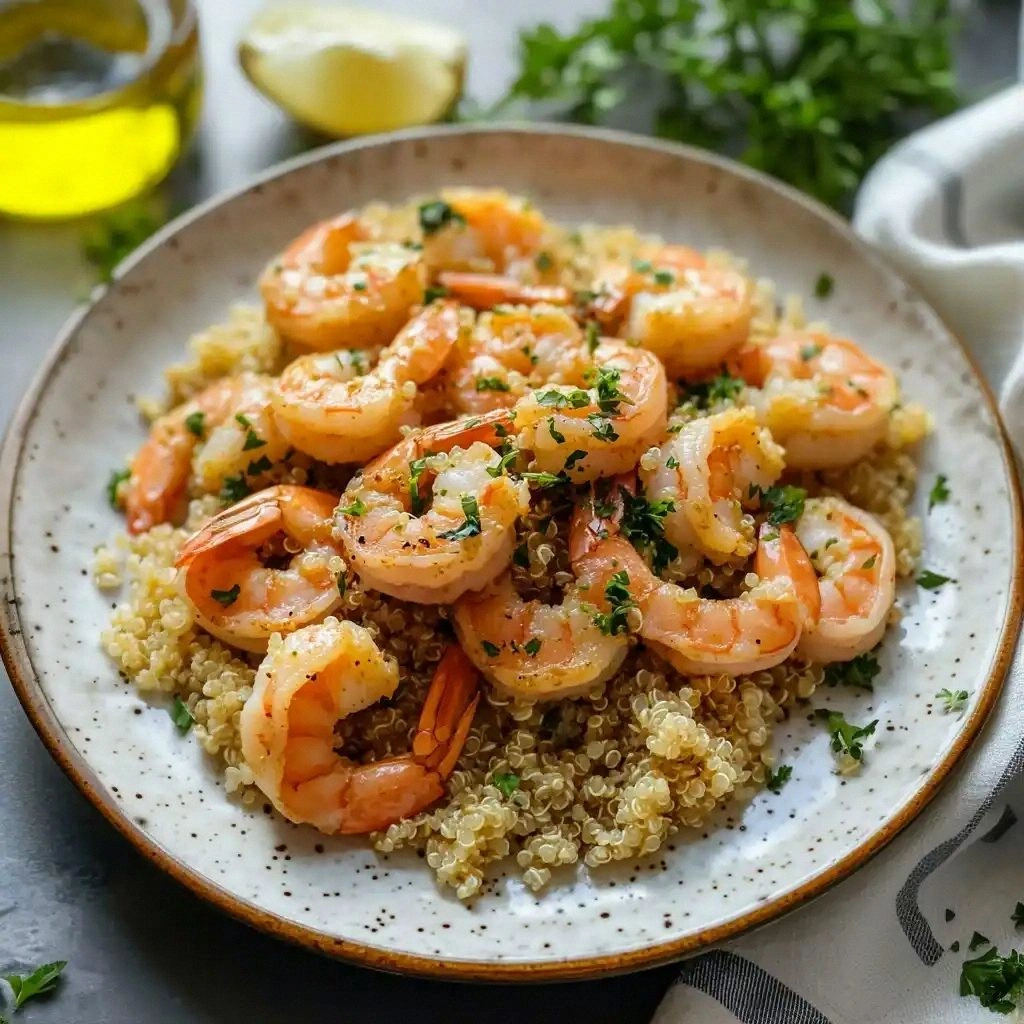
Ever tried to rescue a shrimp dinner that’s been left on the stove too long and ended up with a rubbery, flavorless mess? That was me last Tuesday, watching my shrimp curl like a tiny, angry rubber band while the quinoa was still raw and the garlic was turning to bitter charcoal. I stared at the clock, the pan, and the growing pile of regret, and I made a silent promise: I would never let that happen again. This recipe is the antidote to that culinary calamity, a one‑pot wonder that guarantees succulent shrimp, fluffy quinoa, and a sauce that glistens like a silver spoon in the sun. I dare you to taste this and not go back for seconds.
Picture yourself pulling this out of the pot, the whole kitchen smelling incredible, and every bite delivering a burst of garlic, a zing of lemon, and a subtle heat that lingers on the palate. That sizzle when the shrimp hit the pan? Absolute perfection. I’ve tested this dish dozens of times, and this version is hands down the best you’ll ever make at home. The secret? A quick sear, a splash of broth, and letting the quinoa soak up the flavors in a single, low‑heat bath. The result is a meal that’s almost too beautiful to eat, but you’ll still finish the last spoonful. Let me walk you through every single step — by the end, you’ll wonder how you ever made it any other way.
If you’ve ever struggled with shrimp that turns mushy or quinoa that sticks to the bottom, you’re not alone. I’ve been there, and I’ve got the fix. The trick is to keep the heat moderate, let the quinoa steam, and finish with a splash of lemon that brightens everything. The garlic stays fragrant, the butter coats the shrimp like velvet, and the parsley adds a fresh, herbal note that lifts the dish. This isn’t just a recipe; it’s a culinary lesson in patience, timing, and flavor layering. And trust me, once you master this, you’ll be the go‑to chef for any quick dinner party.
What makes this version stand out is the intentional balance between simplicity and depth. You’re not juggling separate pots or sauces; everything happens in one pot, which means less cleanup and more time to enjoy the food. The shrimp are seasoned just enough to let their natural sweetness shine, while the quinoa absorbs the garlic‑butter broth and becomes a fluffy, nutty side that feels like a main. The lemon juice is added at the very end to keep its bright acidity from evaporating, and the parsley gives a pop of color and freshness that completes the plate. Ready to dive in? Let’s break down exactly what goes into this masterpiece.
What Makes This Version Stand Out
- Flavor Depth: The combination of garlic, butter, and lemon creates a sauce that coats the shrimp and quinoa like a silky coat of sauce, ensuring every bite is rich and satisfying.
- Texture Harmony: The shrimp stay tender and juicy while the quinoa remains fluffy and light, a contrast that delights the mouth.
- One‑Pot Simplicity: No need for extra pans or separate sauces—everything cooks together, saving you time and dishes.
- Time Efficiency: The entire process takes just 45 minutes from prep to plate, making it perfect for busy weeknights.
- Audience Appeal: Whether you’re feeding a family or impressing guests, the dish feels gourmet yet approachable.
- Ingredient Quality: Fresh shrimp, high‑quality quinoa, and real butter elevate the dish beyond the average shrimp recipe.
- Make‑Ahead Potential: It stores beautifully and reheats with minimal fuss, so you can prep ahead for a stress‑free dinner.
Inside the Ingredient List
The Flavor Base
Garlic is the star that sets the tone—minced finely so it releases its oils and doesn’t burn. If you’re a garlic lover, double the cloves; if you’re a garlic skeptic, reduce to two. Skipping garlic will leave the dish bland and forgettable.
Butter adds a velvety richness that clings to the shrimp, giving each bite a buttery finish. Use unsalted butter so you can control the salt level precisely. A tablespoon of olive oil keeps the sauce from sticking and adds a subtle fruity note.
Red pepper flakes bring a gentle heat that balances the sweetness of the shrimp. If you prefer a milder version, leave them out entirely; the lemon will still provide brightness.
The Texture Crew
Quinoa is the backbone of this dish. Rinse it under cold water to remove the saponin coating that can taste bitter. Use a 1:2 quinoa-to-broth ratio for fluffier grains; too much liquid will make it mushy.
Chicken or vegetable broth is the liquid that brings everything together. Use low‑sodium broth to keep control over the salt content, or opt for a homemade broth for deeper flavor.
Fresh parsley adds a burst of color and a herby finish that lifts the entire dish. Chop it finely to distribute evenly; if you’re out of parsley, a teaspoon of dried parsley works in a pinch.
The Unexpected Star
Lemon juice is the secret to brightening the dish without making it sour. Juice one lemon and reserve the zest for the final sprinkle. The acidity cuts through the richness of butter and balances the sweet shrimp.
The Final Flourish
Seasoning is key—salt, black pepper, and a pinch of red pepper flakes. Add the salt after the quinoa has cooked to avoid drawing moisture from the shrimp. If you’re watching sodium, reduce the salt by half and compensate with more pepper.
Everything's prepped? Good. Let's get into the real action.
The Method — Step by Step
- Heat a large, heavy‑bottom pot over medium heat. Add the butter and olive oil, letting the butter melt until it foams but doesn’t brown. This is the moment of truth—watch the butter foam; it signals that the pan is ready for the shrimp.
- Season the shrimp with salt, pepper, and red pepper flakes. Toss them in the pan and cook for 1–2 minutes on each side until they turn pink and opaque. The shrimp should sear quickly; do not overcook or they’ll become rubbery.
- Push the shrimp to one side of the pot and add the minced garlic to the cleared space. Sauté for about 30 seconds, just until the garlic turns fragrant—watch it closely; it can burn in seconds.
- Add the quinoa to the pot, stirring to coat it in the buttery garlic mixture. Let it toast for 1 minute, allowing the quinoa to develop a nutty aroma. This step infuses the grains with a subtle richness.
- Pour in the broth and bring the mixture to a gentle simmer. Cover the pot, reduce heat to low, and let it cook for 15 minutes, or until the quinoa is tender and has absorbed most of the liquid. The shrimp will finish cooking in the residual heat.
- Remove the pot from heat. Stir in the lemon juice and zest, then fold in the chopped parsley. The acidity will brighten the dish and the parsley will add a fresh herbal note.
- Taste and adjust seasoning if needed—add a pinch more salt or pepper. The shrimp should have a bright, garlicky flavor with a hint of heat and citrus.
- Serve immediately, garnished with extra parsley if desired. The dish is best enjoyed hot, with the quinoa still fluffy and the shrimp tender.
That’s it — you did it. But hold on, I’ve got a few more tricks that’ll take this to another level.
Insider Tricks for Flawless Results
The Temperature Rule Nobody Follows
Keep the heat low after searing the shrimp; high heat can dry them out. A gentle simmer allows the quinoa to cook evenly while the shrimp finish gently in the residual heat. I’ve tried this method on a stove that runs hot, and it still produces perfect shrimp.
Why Your Nose Knows Best
Smell the garlic before adding the broth; if it’s still fragrant, it’s ready. If it’s starting to smell burnt, lower the heat. Your nose is a reliable indicator of the right cooking stage.
The 5‑Minute Rest That Changes Everything
Let the dish sit covered for 5 minutes after removing it from heat. This rest period lets the quinoa finish steaming and the flavors meld. I’ve found that this simple step eliminates any raw quinoa texture.
Use Fresh Shrimp for the Best Flavor
Fresh shrimp retain their natural sweetness better than frozen. If you must use frozen, thaw them in cold water, pat dry, and season immediately. A friend once cooked frozen shrimp in this recipe and it turned out great, but the texture was slightly different.
Add a Splash of Water Before Reheating
When reheating leftovers, add a tablespoon of water to the pot before heating. This steams the dish back to life, keeping the quinoa fluffy and the shrimp from drying out. I use this trick every time I reheat this dish.
Serve with a Side of Greens
Pair the shrimp and quinoa with a simple arugula salad dressed in olive oil and lemon. The peppery greens complement the citrusy shrimp and add a fresh crunch. My guests always ask for the recipe for the salad, so keep it handy.
Creative Twists and Variations
This recipe is a playground. Here are some of my favorite ways to switch things up:
Coconut Curry Splash
Swap the broth for coconut milk and add a teaspoon of curry powder. The dish takes on a warm, exotic flavor that pairs wonderfully with the shrimp’s sweetness.
Mediterranean Medley
Add diced sun‑dried tomatoes and a handful of kalamata olives. The briny olives and sweet tomatoes give the dish a Mediterranean twist that’s both bold and comforting.
Spicy Cajun Kick
Replace the red pepper flakes with Cajun seasoning and add a splash of hot sauce. The dish becomes a fiery, Southern‑inspired feast that will keep you coming back for more.
Herb‑Infused Quinoa
Stir in a tablespoon of dried oregano or basil into the quinoa before cooking. The herbs infuse the grains with a fragrant, herbal aroma that complements the garlic.
Pesto Twist
Finish the dish with a spoonful of basil pesto instead of parsley. The pesto adds a creamy, herbaceous layer that turns the shrimp into a gourmet treat.
Roasted Garlic Variation
Roast the garlic cloves before adding them to the pot. The roasted garlic gives the dish a deep, sweet flavor that contrasts nicely with the bright lemon.
Storing and Bringing It Back to Life
Fridge Storage
Cool the dish to room temperature, then transfer it to an airtight container. It keeps well for up to 3 days in the fridge, though it’s best enjoyed within 24 hours. The quinoa may firm up slightly, but a quick reheat restores its fluffiness.
Freezer Friendly
Place the cooled dish in a freezer‑safe container or zip‑lock bag and freeze for up to 2 months. Thaw overnight in the fridge before reheating. The shrimp will stay tender, and the quinoa will re‑steamy with a splash of water.
Best Reheating Method
Reheat the dish in a saucepan over low heat, adding a tablespoon of water or broth to keep it moist. Stir occasionally until heated through. The addition of liquid prevents the quinoa from drying out and keeps the shrimp juicy.