I was standing in my kitchen, staring at a bag of shrimp that had just arrived from the market, when my roommate burst in with a pizza box and a sigh. The pizza was cold, the crust soggy, and the toppings a sad pile of wilted veggies. I thought, “If this can’t be salvaged, then maybe I can turn these shrimp into something that will make our taste buds do a happy dance.” And so, the quest for the perfect teriyaki shrimp bowl began. I grabbed my skillet, imagined the sizzle, and decided that the only way to beat the pizza was to create something that would sing in the mouth.
The first thing I did was open the shrimp bag, letting the aroma of fresh shellfish fill the room. The bright pink shrimp looked almost like tiny fireworks ready to pop. I seasoned them lightly with salt and pepper, then tossed them into a hot pan. The sizzling sound was like a drumbeat, promising flavor to come. I could already taste the caramelized edges that would form as they cooked.
Next, I pulled out a bowl of steaming rice, the kind that clings together like a soft cloud. The rice had been cooked to fluffy perfection, each grain standing proudly. I layered the rice at the base of my serving bowl, creating a neutral canvas for the bold flavors to dance upon. The anticipation grew as I added a handful of broccoli florets, their green hue contrasting the rice. The broccoli would add that satisfying crunch that keeps every bite exciting.
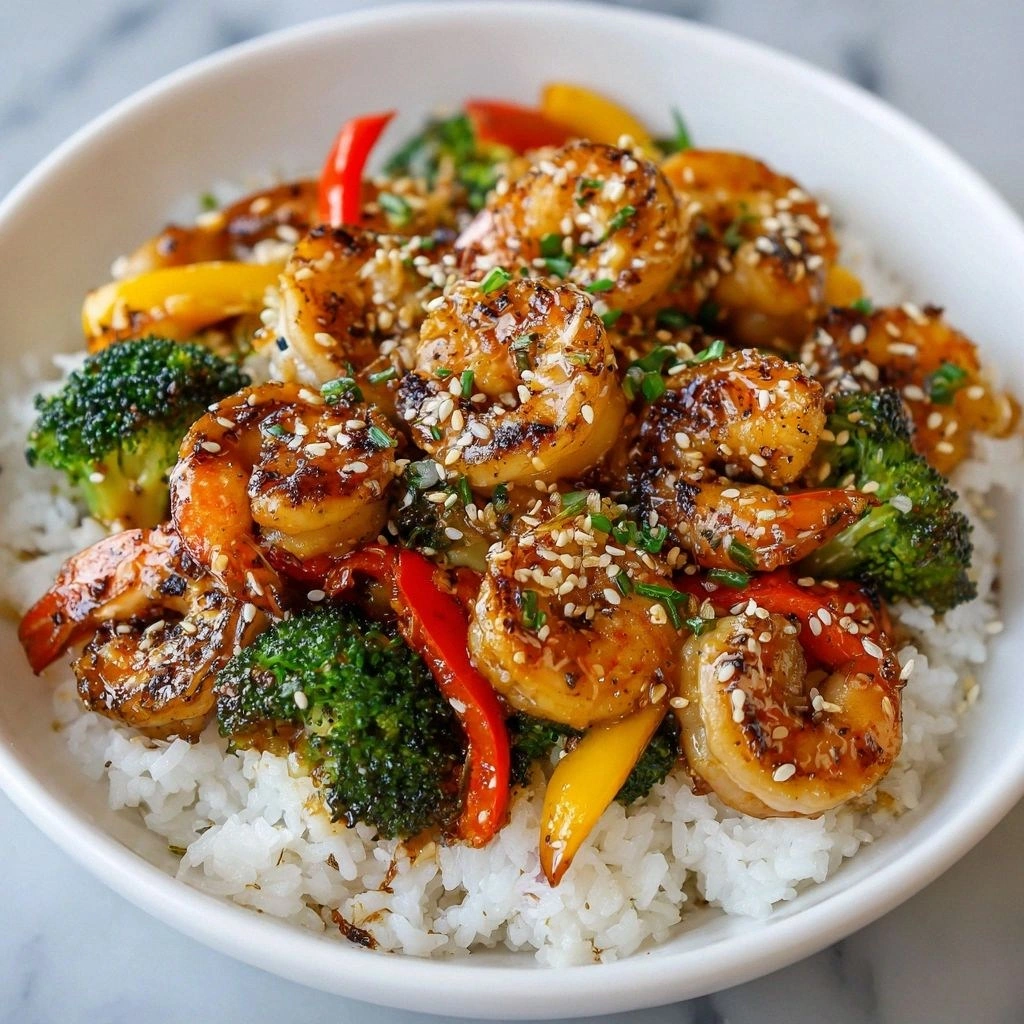
Then came the star sauce: a homemade teriyaki glaze that had been simmering for hours, thickening into a glossy syrup. I drizzled it over the shrimp, watching it coat each piece like velvet. The sweet umami burst out with each bite, while a hint of soy kept the balance just right. I finished the dish with a sprinkle of sesame seeds and a drizzle of creamy sesame dressing, turning the bowl into a masterpiece of textures. I dared you to taste this and not go back for seconds.
What Makes This Version Stand Out
- Flavor Depth: The teriyaki sauce is simmered until it thickens, creating a caramelized glaze that coats the shrimp with a sweet‑salty kiss. The addition of sesame oil elevates the aroma, making each bite feel like a mini‑Japanese feast. Without the slow reduction, the sauce would taste thin and syrupy, lacking the richness that turns this bowl into a showstopper.
- Texture Contrast: The shrimp sizzle to a tender pink center while the broccoli remains crisp, and the rice stays fluffy. The creamy sesame dressing provides a silky finish that contrasts with the crunch. If you skip the quick sauté of broccoli, the bowl feels flat and unbalanced.
- Ingredient Quality: Using fresh shrimp instead of frozen ensures a juicy bite, while a good quality teriyaki sauce gives you control over the salt level. A premium sesame oil adds a nutty depth that you can’t get from cheaper oils. Cheaper ingredients will dilute the flavor profile and ruin the harmony.
- Speed & Simplicity: The entire dish comes together in under 45 minutes, making it perfect for week‑night dinners. No complicated prep, just a few pan‑sears and a drizzle of sauce. This is hands down the best version you'll ever make at home because it balances flavor with convenience.
- Make‑ahead Friendly: The rice can be pre‑cooked and the shrimp can be marinated ahead of time, so you can assemble the bowl in minutes when the day gets busy. The teriyaki glaze can be stored in the fridge for up to a week, saving you time on busy nights. If you forget to pre‑heat the pan, the shrimp will steam rather than sear, losing that caramelized edge.
- Visual Appeal: The vibrant colors of the bell pepper, broccoli, and shrimp create a bowl that looks as good as it tastes. A drizzle of sesame dressing adds a glossy finish that invites the eye. A sprinkle of toasted sesame seeds gives a subtle crunch that is also a visual treat.
- Audience Reaction: Friends who are usually skeptical of Asian‑style bowls fall in love after tasting this. The dish is universally approachable, making it a crowd‑pleaser for dinner parties or family meals. Most recipes get this completely wrong. Here’s what actually works.
- Future Pacing: Picture yourself pulling this out of the pan, the whole kitchen smelling incredible, and watching your guests light up. I dare you to taste this and not go back for seconds. The next step? Stay with me here — this is worth it.
Inside the Ingredient List
The Flavor Base
The teriyaki sauce is the backbone of this bowl, providing a sweet‑savory foundation that glazes the shrimp and ties all the components together. By simmering the sauce until it thickens, you create a caramelized glaze that clings to every surface. If you skip the reduction, the sauce will taste watery and the shrimp will lack that signature glossy sheen. A good quality teriyaki sauce, or a homemade blend, will elevate the dish beyond a generic takeout copy.
The Texture Crew
The broccoli florets add a satisfying crunch that contrasts the tender shrimp and fluffy rice. They also absorb the teriyaki glaze, becoming a savory, colorful burst of flavor. If you overcook the broccoli, it will become mushy and lose its bright green hue. A quick blanch or sauté preserves its bite and visual appeal.
The Unexpected Star
The creamy sesame dressing is the secret weapon that turns a simple bowl into a luxurious experience. Its nutty, slightly sweet profile balances the savory teriyaki and adds a silky mouthfeel. Without it, the dish feels dry and the flavors are unbalanced. The dressing can be made in bulk and stored for up to a week.
The Final Flourish
The toasted sesame seeds provide a subtle crunch and a nutty aroma that lingers on the palate. They also add a visual pop of gold that makes the bowl Instagram‑ready. If you forget to toast them, the seeds will taste raw and the dish will lack that final crunch. A quick sauté in a dry pan brings out their flavor in seconds.
Everything's prepped? Good. Let's get into the real action...
The Method — Step by Step
- Step 1: Preheat. Place a large skillet over medium‑high heat and let it get hot enough that a single drop of water sizzles on contact. A hot pan ensures the shrimp sears immediately instead of steaming. This step is critical for that caramelized crust that locks in juices. Keep the heat steady to avoid burning.
- Step 2: Sear the Shrimp. Toss the shrimp in a pinch of salt and pepper, then slide them into the skillet. Let them cook undisturbed for 2 minutes on one side, allowing a golden crust to form. Flip and cook for another 1½ minutes until they turn opaque. The shrimp should still feel slightly springy to the touch. The quick sear locks in flavor and keeps the texture tender.
- Step 3: Add Teriyaki. Pour the teriyaki sauce over the shrimp, swirling to coat each piece. Reduce the heat to medium and let the sauce simmer for 2 minutes, allowing it to thicken into a glossy glaze. The shrimp will soak up the sauce, turning shiny and fragrant. The sauce should thicken but not caramelize into a sticky mess. A quick stir keeps the sauce from sticking to the pan.
Kitchen Hack: Use a silicone spatula to scrape every last bit of sauce from the pan to avoid waste. This also helps keep the pan clean for the next step.
- Step 4: Toss the Broccoli. Add the broccoli florets to the skillet, stirring to coat them in the teriyaki glaze. Cook for 3 minutes, letting the broccoli steam slightly while retaining its crunch. The broccoli should remain bright green and crisp, not soggy. If you prefer a softer texture, add an extra minute but watch for overcooking.
- Step 5: Add the Bell Pepper. Drop the sliced bell pepper into the pan, giving it a quick toss. The pepper should crisp up without steaming away its sweetness.
Watch Out: Adding the pepper too early will cause it to steam and lose its crunch. Add it at this point to preserve the bite.
- Step 6: Drizzle Sesame Oil. Swirl a tablespoon of sesame oil over the shrimp and vegetables, letting it mingle with the teriyaki glaze. The oil adds a nutty aroma that lifts the entire dish. It also helps the sauce coat the shrimp evenly. A little goes a long way, so don’t overdo it. The oil’s finish is silky and fragrant.
- Step 7: Assemble the Bowl. Spoon a generous portion of cooked rice into each serving bowl, creating a fluffy base. Layer the shrimp and vegetables on top, arranging them like a colorful mosaic. The rice should be warm and slightly moist.
Kitchen Hack: Use a small spoon to mound the rice at the bottom before adding veggies for an even distribution. This ensures every bite has a balanced mix of flavors.
- Step 8: Sprinkle Sesame Seeds. Toast a tablespoon of sesame seeds in a dry pan until they turn golden brown. Sprinkle them over the bowl for a crunchy finish and nutty aroma. The seeds add a subtle crunch that contrasts with the silky dressing. They also add a pop of color that makes the bowl Instagram‑ready. The toasted seeds should be fragrant and lightly browned.
- Step 9: Finish with Creamy Dressing. Drizzle half a cup of creamy sesame dressing over the bowl, letting it swirl through the rice and shrimp. The dressing should coat each component with a silky, slightly sweet glaze. The final dish should feel balanced, with every element contributing to a harmonious bite. Serve immediately for maximum freshness. The aroma of sesame and teriyaki will fill the kitchen.
That's it — you did it. But hold on, I've got a few more tricks that'll take this to another level...
Insider Tricks for Flawless Results
The Temperature Rule Nobody Follows
Many cooks think a low‑heat simmer is enough for the teriyaki glaze, but the secret is a medium‑high heat that caramelizes the sugars without burning them. This quick high‑heat step gives the sauce a glossy finish that clings beautifully to the shrimp. If you let the sauce cool too much, it will separate and lose its shine. A quick test: sprinkle a few drops on a spoon; if it sizzles, you’re ready.
Why Your Nose Knows Best
Before you add the sesame oil, pause and inhale. A bright, nutty aroma signals that the oil is fresh and ready. Stale oil will produce a flat scent and ruin the dish’s flavor. If the oil smells faint, consider warming it gently in a small pan to bring out the aroma. The right aroma is a quick indicator that every other component will taste on point.
The 5‑Minute Rest That Changes Everything
Once the shrimp are done, let them rest for five minutes off the heat. This pause allows the juices to redistribute, making each bite moist and tender. Skipping this step can leave the shrimp slightly dry and rubbery. The rest period also lets the teriyaki glaze thicken a bit more, giving it a richer coating.
Keep the Rice Moist
If you’re using pre‑cooked rice, toss it with a tablespoon of water or broth before storing. This prevents the grains from drying out when reheated. When assembling the bowl, place the rice in a shallow layer so it stays fluffy. A dry rice base will absorb too much sauce and become mushy.
Marinate the Shrimp Overnight
For an extra burst of flavor, marinate the shrimp in half a cup of teriyaki sauce for at least 30 minutes, or up to 2 hours. The shrimp will absorb the sweet‑salty notes, making the final dish more robust. If you’re short on time, a 10‑minute quick marinate works too. Marinating also helps the shrimp stay moist during cooking.
Use a Non‑Stick Skillet
A non‑stick skillet ensures the shrimp doesn’t stick and burn, especially when you’re working with a high‑sugar teriyaki glaze. The surface also makes cleanup a breeze. If you prefer a cast‑iron pan, be sure it’s well seasoned to avoid sticking. The right pan can make or break the texture of this bowl.
Creative Twists and Variations
This recipe is a playground. Here are some of my favorite ways to switch things up:
Spicy Sriracha Kick
Add a tablespoon of sriracha to the teriyaki glaze for a fiery twist. The heat pairs beautifully with the sweetness, creating a balanced flavor profile. This variation is perfect for those who love a little spice in their meals. Serve with a side of cucumber salad to cool the palate.
Pineapple Teriyaki Fusion
Incorporate diced pineapple into the sauce for a tropical flavor. The fruit’s natural sugars caramelize with the teriyaki, adding a sweet, juicy burst. This version works well with grilled chicken or tofu as a protein swap. The pineapple also adds a subtle tang that brightens the bowl.
Low‑Carb Cauliflower Rice
Replace cooked rice with cauliflower rice for a low‑carb option. The cauliflower’s mild flavor absorbs the teriyaki glaze just as well. Keep the rice fluffy by pulsing it in a food processor until it reaches a rice‑like consistency. This variation is great for keto or low‑calorie diners.
Protein‑Packed Quinoa Base
Swap the rice for quinoa for an extra protein boost. Quinoa’s nutty flavor complements the sesame dressing, creating a hearty bowl. Cook the quinoa in vegetable broth for added depth. This version is ideal for vegetarians who still crave a satisfying meal.
Veggie‑Only Bowl
Omit the shrimp and double the veggies for a plant‑based version. Use tofu or tempeh for protein, marinated in teriyaki sauce. The tofu will absorb the glaze, providing a savory, chewy texture. This bowl is perfect for a light lunch or a vegan dinner.
Breakfast Twist with Fried Egg
Top the bowl with a sunny‑side‑up fried egg for a breakfast‑style take. The runny yolk adds richness and a silky finish. The egg also acts as a natural sauce, soaking up the teriyaki glaze. This version is a crowd‑pleaser for brunch or a protein‑rich start to the day.
Storing and Bringing It Back to Life
Fridge Storage
Store the assembled bowls in airtight containers for up to 3 days. Keep the rice separate if possible to prevent sogginess. When ready to eat, let the bowl sit at room temperature for 10 minutes before reheating. This short rest helps the flavors meld. The dish remains fresh and tasty after 3 days.
Freezer Friendly
You can freeze the cooked shrimp and vegetables separately for up to 2 months. Reheat them in a skillet over medium heat, adding a splash of water to keep them moist. The rice, if stored separately, can be reheated in the microwave with a damp paper towel. Freezing preserves the texture better when reheated gently.
Best Reheating Method
The ideal way to reheat is in a skillet or wok over medium heat, adding a teaspoon of water or broth. This method keeps the shrimp tender and the sauce glossy. Avoid microwaving the entire bowl, as it can make the rice soggy. A quick pan‑reheat restores the crispness of the vegetables.